
Contents
Social media is becoming the place where major brands test new ways of telling stories around the World Cup: faster, more relatable, and more rooted in pop culture than traditional advertising. For Vietnamese marketers, two recent international stories highlight both a powerful opportunity for brand connection and a reminder to be cautious about screen time and young people’s social media habits.
Key points
- Olipop, Levi’s and Taco Bell are using the World Cup as a launchpad for culturally driven campaigns, not just sports sponsorships.
- The brands’ new approach emphasizes content that spreads easily on social media, community experiences and brand identity.
- Statista data shows that teens see social media as both helping them maintain friendships and making their sleep worse.
- For the Vietnamese market, the lesson is to combine creative content with brand responsibility and a clear understanding of young users’ behavior.
The World Cup is no longer just a stage for logos: Olipop, Levi’s and Taco Bell are turning it into a social storytelling race
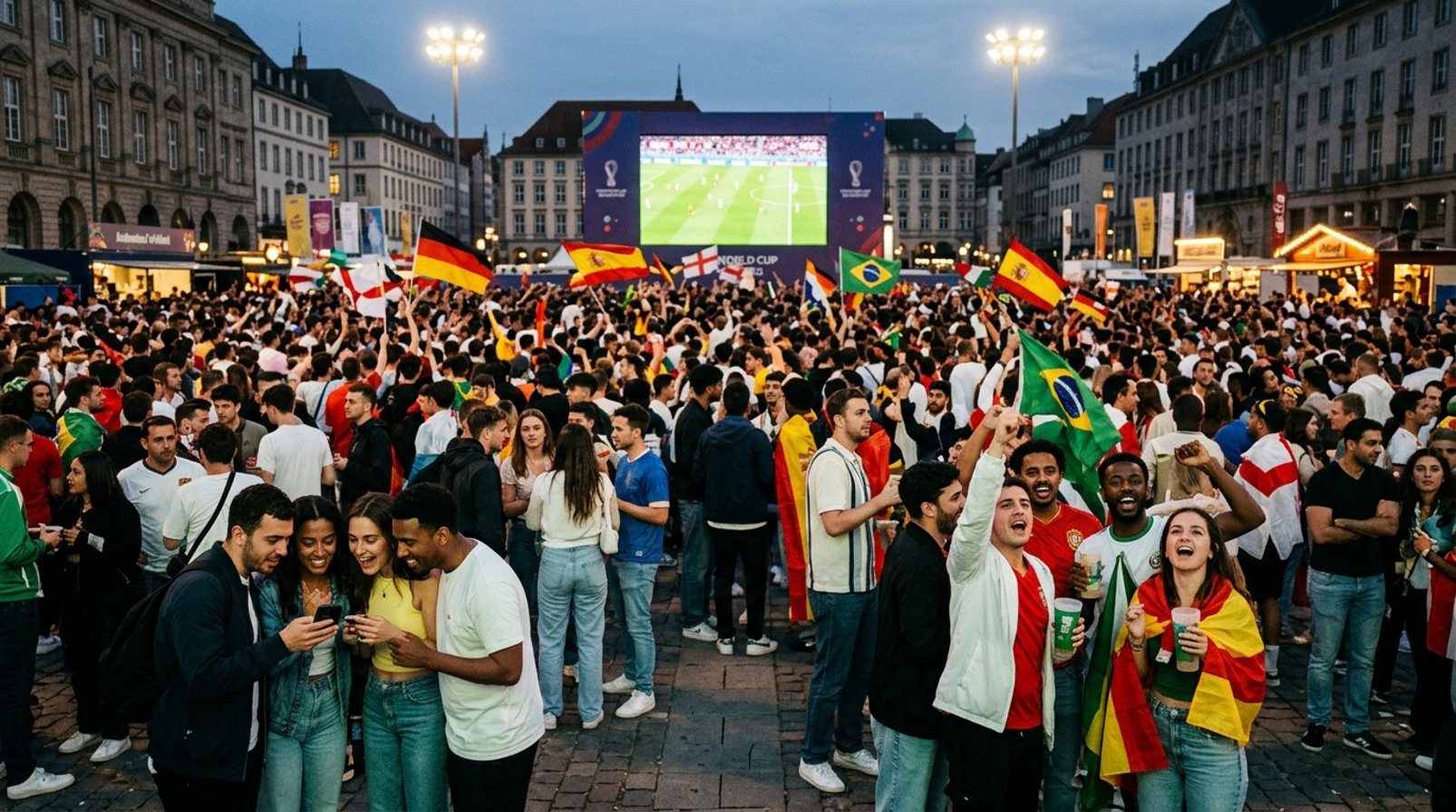
According to Forbes, Olipop, Levi’s and Taco Bell are showing a new direction in World Cup marketing: instead of simply “appearing” at familiar touchpoints, they are trying to blend into fans’ digital lives. The focus is not on brand reach alone, but on the ability to create content that can be shared, discussed and reused on social media.
What stands out is that campaigns like these often lean more heavily into lifestyle, community and entertainment. This reflects a reality: for younger audiences, especially frequent social media users, a message that only talks about the product will struggle to stand out unless it is tied to emotion, culture or a memorable moment.
Forbes shows that the World Cup is becoming a testing ground for brands that want to move beyond old-school sports advertising. For marketers, this means that “being part of a major event” no longer simply means buying media; instead, it means building a story flexible enough to live on short-form video, community posts and users’ organic conversations.
Source: Forbes.
Teens say social media helps them stay connected, but it hurts their sleep
From another angle, Statista’s compiled data shows that teens have a mixed view of social media: on one hand, they feel it helps them maintain friendships and stay connected with friends; on the other, that same usage is linked to negative effects on sleep.
Read more: Social Media 2026: Nonprofits, World Cup and AI Shape the Game
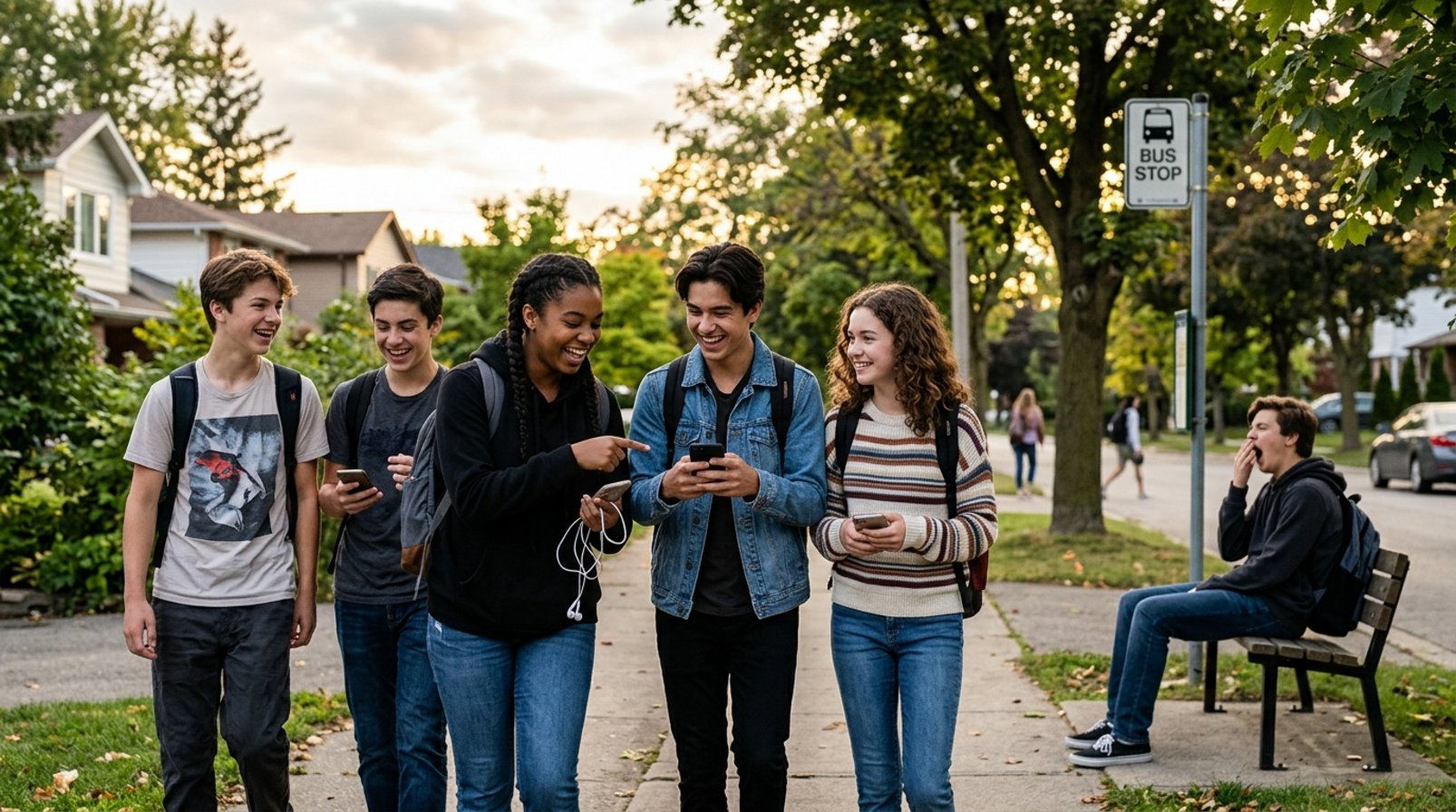
This is an important signal for brands targeting young people. When social media is both a connection tool and a source of fatigue, every campaign needs to consider visibility, content timing and interaction frequency. A heavy presence does not necessarily create goodwill if it increases the feeling of being “surrounded” in the digital environment.
For marketers, this data also serves as a reminder that teens should not be seen as an audience that simply reacts to trends. They care about authenticity, usefulness and relevance to everyday life. If a brand wants to reach this group on social, the content needs to be engaging enough for them to want to share, while avoiding pressure to consume content constantly.
Source: Statista.
Read more: World Cup 2026 Made Social the Real Winner for Brands
Tell stories in context and measure engagement quality in social media
These two stories offer a very practical lesson for Vietnamese marketers: social media is not just a distribution channel, but an environment that shapes brand perception. For campaigns tied to major events like the World Cup, Vietnamese brands can learn to tell stories in context, create content that spreads easily and put users at the center instead of simply repeating sales messages.
At the same time, the teen data is a reminder that social media’s appeal always comes with an attention cost. Brands targeting Gen Z and younger audiences need to create content with the right pace, respect users’ time and avoid overusing addictive effects. In an increasingly competitive Vietnamese market, sustainable advantage does not come from being “louder,” but from understanding the context, behavior and limits of the audience.
Read more: How AI Attacks Test Trust in the Social Ecosystem
For Vietnamese businesses, now is the time to combine creative content, measure quality engagement and build responsible messaging. If done well, social media can truly become a brand asset rather than just a short-term campaign channel.
Explore more marketing analysis & guides at Marketing365.
Follow Marketing365 for ongoing marketing analysis.
Read more articles in the Digital Trends category.
This article focuses on social media marketing with a perspective for the Vietnamese market.
References
- Forbes — How Olipop, Levi’s And Taco Bell Are Reshaping World Cup Marketing
- Statista — Teens Find Social Media Helps Friendships, but Hurts Sleep