Contents
- When influencers who “look like the audience” can have a stronger impact — and greater risks
- Michigan spends half a million USD on influencers to promote the state’s image
- In China, premium brands are carefully weighing streaming ads against influencers
- Building digital audiences for international artists: the right community matters more than the right platform
- Local digital marketing remains the foundation for turning demand into action
- Choose creators by community and fit, not just follower count
- References
Across five international cases—from destination campaigns to premium brands weighing streaming over influencers—social media marketing is moving away from chasing raw reach toward earning genuine relevance. For Vietnamese marketers at the time of July 2026, the shared lesson is that choosing creators, channels, and communities by fit and value matters more than follower counts.
Key points
- New research shows that racial/ethnic similarity between influencers and audiences can create a stronger impact, but it also carries the risk of unhealthy influence.
- Michigan spent about $500,000 on influencers to promote the destination, showing that influencers remain a significant PR/tourism marketing tool when there is a clear strategy.
- In China, some premium brands are prioritizing streaming ads over influencers, underscoring the importance of choosing channels based on consumer behavior rather than following trends.
- Building audiences for international artists and local marketing both show that the right message, the right community, and the right timing matter more than broad reach.
When influencers who “look like the audience” can have a stronger impact — and greater risks
Information from Phys.org highlights an important research direction in social media: influencers whose racial or identity characteristics are similar to those of their audience may have a greater level of influence. This is easy to understand, because cultural closeness, shared experiences, and language often help content build trust more quickly.
However, the noteworthy point is not only the “fit” with the target audience, but also its downside. When empathy is high, a creator’s message can be more persuasive than usual — and if the content is overly consumptive, biased, or manipulative, the negative impact will also be greater. For marketers, the lesson here is: do not choose influencers only for reach or engagement, but also evaluate value alignment, tone of voice, and communication responsibility.
Source: Phys.org, “Social media influencers who match racial, ethnic identity of their audiences have a bigger—and unhealthy—impact”.
Michigan spends half a million USD on influencers to promote the state’s image
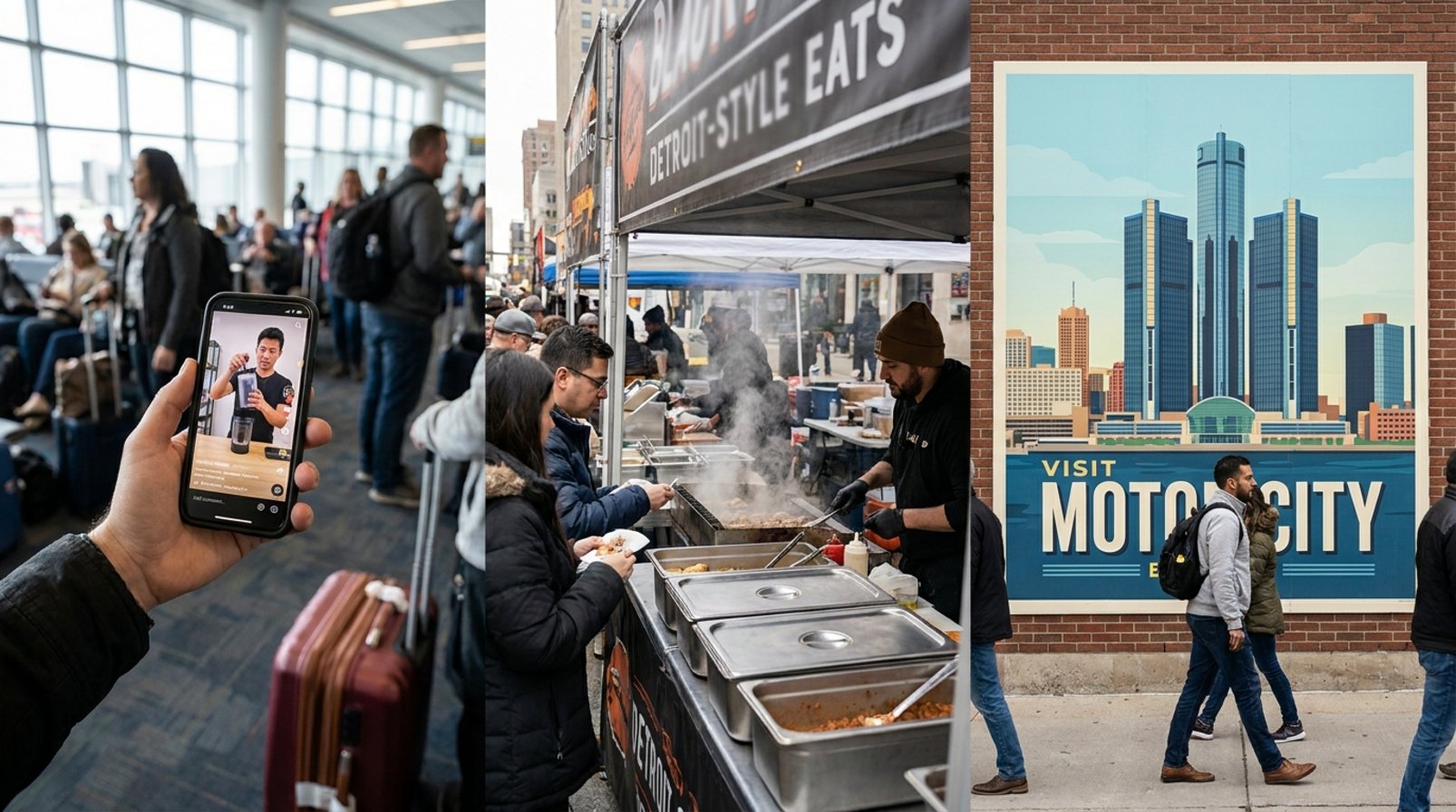
The Detroit News reports that the Michigan Economic Development Corporation (MEDC) spent about $500,000 to invite social media influencers to help promote Michigan, including activities tied to an event in Austin, Texas in March 2025. The creators posted content about Detroit-style food, job opportunities, daily life, tourism, and local culture.

This is a fairly typical example of influencer marketing in destination and regional branding: the goal is not to sell a product immediately, but to build positive awareness, spark curiosity, and turn a location into a place worth considering. This approach is often more effective when the content is integrated naturally rather than presented as a direct ad.
For tourism organizations, local authorities, or service chains in Vietnam, the Michigan story shows that influencers still play a major role in image building when they are placed within a campaign with a unified message, the right context, and clear measurement criteria.
Source: The Detroit News, “MEDC paid social media influencers $500K to tout Michigan”.
In China, premium brands are carefully weighing streaming ads against influencers
Read more: Why Is Social Media Returning to Scale, Community, and Time Spent?
An analysis from The Current about Tempur in China shows an interesting reality: although this market is very “social media–driven,” not every brand automatically puts influencers first. For Tempur, advertising on streaming platforms is being prioritized in a context where consumer demand is shifting toward health, wellness, and sleep-related products.

What stands out is that the communications strategy here does not follow a fixed formula. The brand adjusted its approach in response to post-pandemic consumer demand shifts and a slower economic backdrop. In other words, instead of asking “should we use influencers?”, the better question is “which channel best reaches the customer’s current needs?”.
This is a practical lesson for Vietnamese marketers, especially in premium categories: sometimes streaming, long-form video, in-depth KOLs, or direct media buys may be more suitable than mass-market influencers if the goal is to build trust and explain product value.
Source: The Current, “The Media Plan: Why TEMPUR is spending more on streaming ads than influencers in social media-obsessed China”.
Building digital audiences for international artists: the right community matters more than the right platform
The Jerusalem Post introduces how Yaniv Tal develops digital audiences for international artists and public figures. The key point in his work is not creating the loudest content, but building a lasting presence in communities with distinct cultural characteristics — where generic marketing formulas are often not effective enough.
Read more: Big Events and LinkedIn Presence: Two Social Media Levers for Late 2026

The article shows that in the international entertainment environment, differences in language, content consumption habits, and community networks can determine success or failure. A good campaign is one that helps an artist “speak the language of fans,” both literally and figuratively: relevant content, the right timing, and distribution channels where the audience is actually active.
For brands in Vietnam working with KOLs/creators, this is an important reminder: a large follower count does not necessarily create a strong community. From a strategic perspective, the quality of connection and the level of contextual fit are often more valuable than sheer reach.
Source: The Jerusalem Post, “How Yaniv Tal builds digital audiences for international artists and public figures”.
Local digital marketing remains the foundation for turning demand into action
WSB-TV emphasizes the role of local digital marketing in helping businesses reach customers near the point of purchase, from Google search and maps to reviews and social media content. Although the article is aimed at small businesses, the message is clear: when users already have intent, a brand that appears at the right time and in the right place has a major advantage.
Read more: Why Is Social Media Favoring Regular People Over Big Influencers?

This is especially important in a context where social media no longer stands alone but is closely connected with search, reviews, and local intent. An effective local strategy needs a complete business profile, content that fits the local context, fast customer responses, and a consistent experience across multiple touchpoints.
For Vietnamese marketers, especially SMBs and retail/service chains, this is a practical suggestion: do not treat social as just a place to post content, but as part of the local search and decision-making ecosystem.
Source: WSB-TV, “Boost your business with local digital marketing tips”.
Choose creators by community and fit, not just follower count
The five stories above show that social media marketing is shifting from “virality” to “relevance.” For the Vietnamese market, this means businesses need to choose creators based on the right community and values, not just follower counts; at the same time, they must balance influencers, paid social, streaming, search, and local marketing to optimize performance.
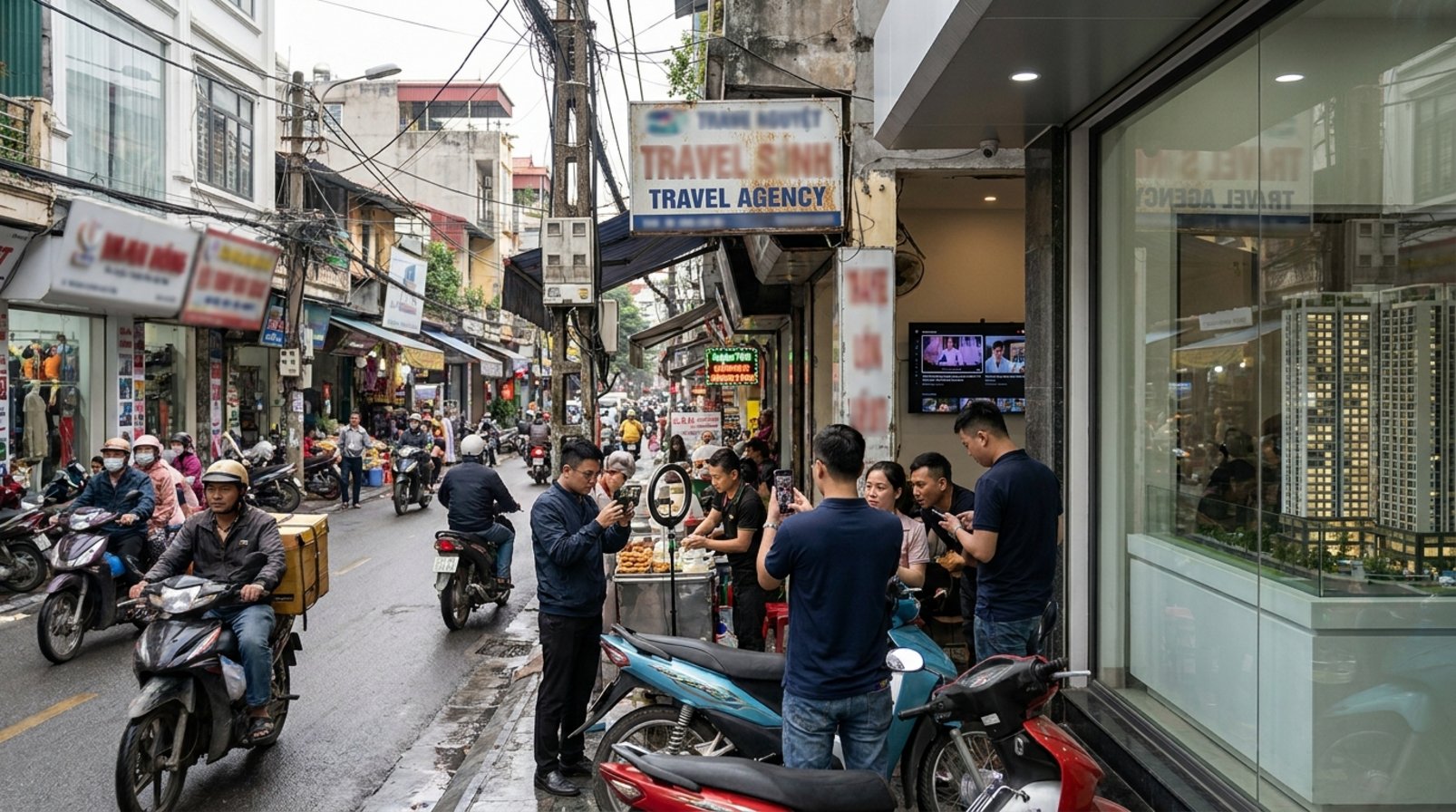
In practice, sectors such as tourism, real estate, education, FMCG, and retail can learn immediately from these international examples: define the right campaign objective, choose channels based on user behavior, and measure by conversion or interaction quality rather than just views. When social media is placed within an overall strategy, it does not just create attention — it creates trust and revenue.
Explore more marketing analysis & guides at Marketing365.
Read more articles in the same category at Digital Trends.
References
- Phys.org — Social media influencers who match racial, ethnic identity of their audiences have a bigger—and unhealthy—impact
- The Detroit News — MEDC paid social media influencers $500K to tout Michigan
- https://www.thecurrent.com/ — The Media Plan: Why TEMPUR is spending more on streaming ads than influencers in social media-obsessed China
- The Jerusalem Post — How Yaniv Tal builds digital audiences for international artists and public figures
- WSB-TV — Boost your business with local digital marketing tips