Contents
- Meta's three apps each pass three billion users
- Scale still matters, but it is no longer enough
- Creators and communities are becoming a new value distribution layer
- In Vietnam, social media should be judged by retention and community
- Judge channels by attention time, and treat creators as distribution
- References
Social media is no longer a game of “posting more to stay visible.” For Vietnamese marketers, the bigger question is: which platform can truly hold user scale, attention time, and the ability to build communities that translate into business results?
Looking at recent moves from Meta, Social Media Today, Ad Age, Marketing Brew, and even Meta’s training program, the picture is leaning toward a fairly clear argument: the advantage on social media is shifting from post volume to ecosystem execution capability, especially scale, creators, and the skills to do marketing suited to a fragmented environment.
Key points
- Meta still has the broadest reach, but “scale” is now only a necessary condition, not the only advantage.
- Creators and communities are becoming the intermediary layer that determines the relationship between platforms and brands.
- Social media marketing skills are being standardized more clearly, showing that the market needs operational capability, not just content production.
- Vietnamese marketers need to optimize for ecosystems and attention behavior, rather than rely on a single channel.
Meta's three apps each pass three billion users
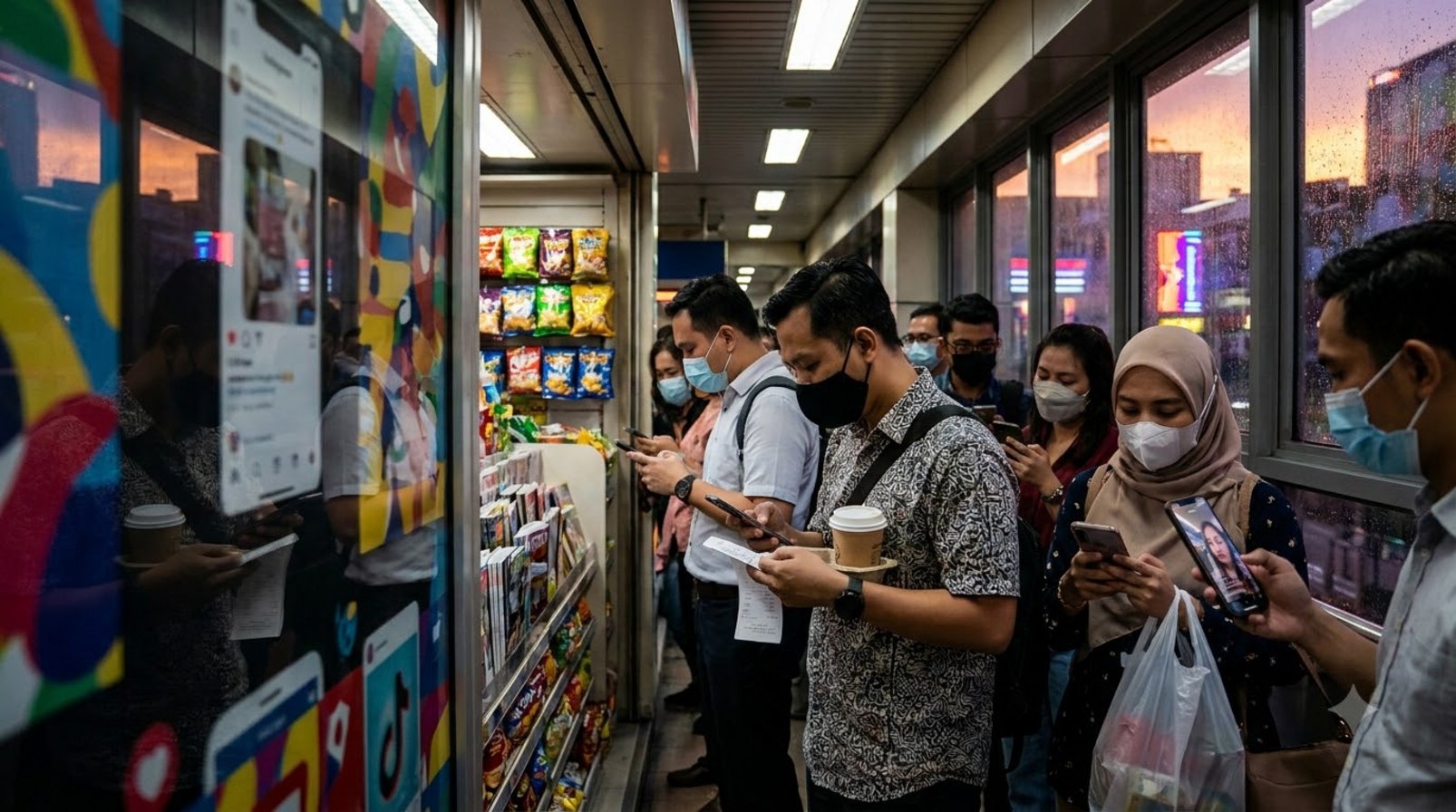
New data shows that major social media platforms are still competing primarily on user scale. ALM Corp notes that Meta’s three apps — Facebook, Instagram, and WhatsApp — have all surpassed 3 billion users, reinforcing its position as the broadest-reaching player in social. At the same time, a Social Media Today analysis emphasizes that modern brand strategy on social is no longer centered on one fixed channel or format, but must adapt to how users spread their attention across different environments.
At the brand operations layer, Ad Age and Marketing Brew reflect a very notable trend: creators are no longer just “content makers,” but are moving into brand and community management roles. Marketing Brew’s piece on Nadya Okamoto shows how experience building a personal audience can be transformed into marketing leadership at the CMO level. Meanwhile, Ad Age continues to place creators/influencers at the center of industry discussion, showing that this is no longer an experimental choice but a core component of social marketing.
Alongside that, the Meta Social Media Marketing Professional Certificate program shows that the labor market is also repackaging the skills needed for social media marketing: from strategy and community management to applying AI in execution. In other words, social media is entering a phase where platforms, creators, and professional skills are more tightly linked than before.
Scale still matters, but it is no longer enough
Meta has a huge advantage in reach, and the fact that three apps have surpassed 3 billion users shows that this company’s network power still holds real value from an advertising perspective. However, ALM Corp also emphasizes an important point: it is not only user count that determines a platform’s appeal, but also the amount of time users stay. This is the key issue because it shifts the race from “who has more users” to “who can hold attention better.”

This argument also aligns with Social Media Today’s view on brand strategy: brands cannot simply stick to one platform and expect sustainable results. When attention is fragmented, scale only helps a brand get into the game; to generate outcomes, marketers need to understand where there is a real ability to sustain engagement, conversation, and repeated exposure. So platform scale still matters, but only as the first layer of the funnel.
Creators and communities are becoming a new value distribution layer
The rise of the creator executive in Marketing Brew’s article and the sustained attention Ad Age gives to influencer/creator trends point to a major shift: social media no longer operates on the simple model of “brand speaks — users listen.” Creators are becoming a value distribution layer, helping brands enter the language, trust, and daily rhythm of communities.
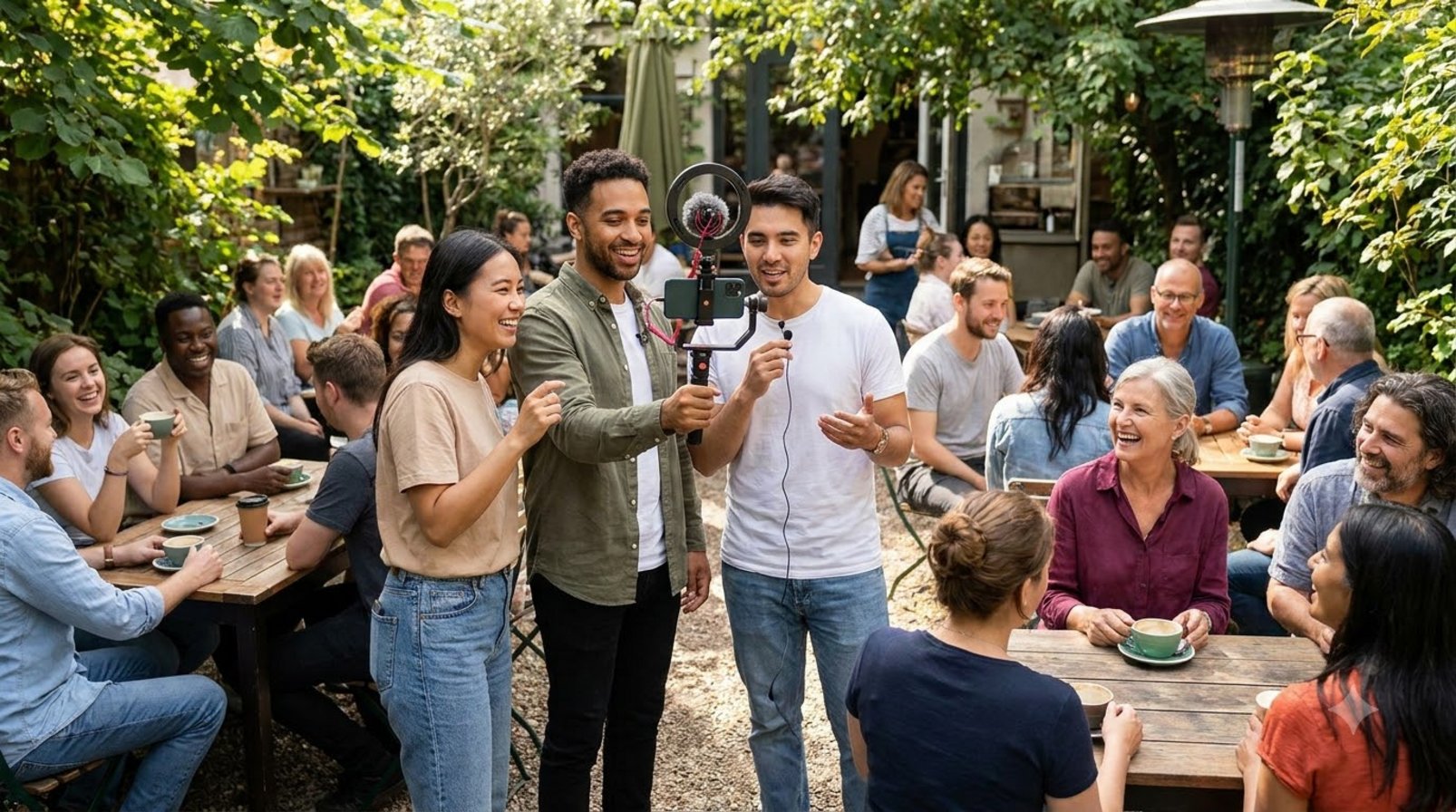
This is especially important for social media because the platform is only infrastructure; creators are often the ones who decide which content gets attention, shared, and remembered. A creator with a strong enough community can turn a marketing message into a cultural experience, while a brand with a strong social team must know how to use creators as strategic partners rather than just short-term booking channels. Nadya Okamoto’s move from creator to marketing leadership further reinforces the view that the ability to understand communities is becoming a core management capability.
Read more: Michigan Spent $500,000 on Influencers. Relevance Decided the Outcome.
At the market level, this is why social media marketing is gradually moving away from a purely “content volume” mindset. When communities and creators become the distribution engine, value lies in the ability to build ongoing relationships, not just in a one-off viral campaign.
In Vietnam, social media should be judged by retention and community
For Vietnamese businesses, the lesson is not to chase every major platform at once, but to choose the right ecosystem where users have attention time and a tendency to engage through communities. Meta is still very strong in reach, but that does not automatically guarantee effectiveness if a brand lacks content strategy, lacks the right creators, or lacks the ability to measure real behavior.
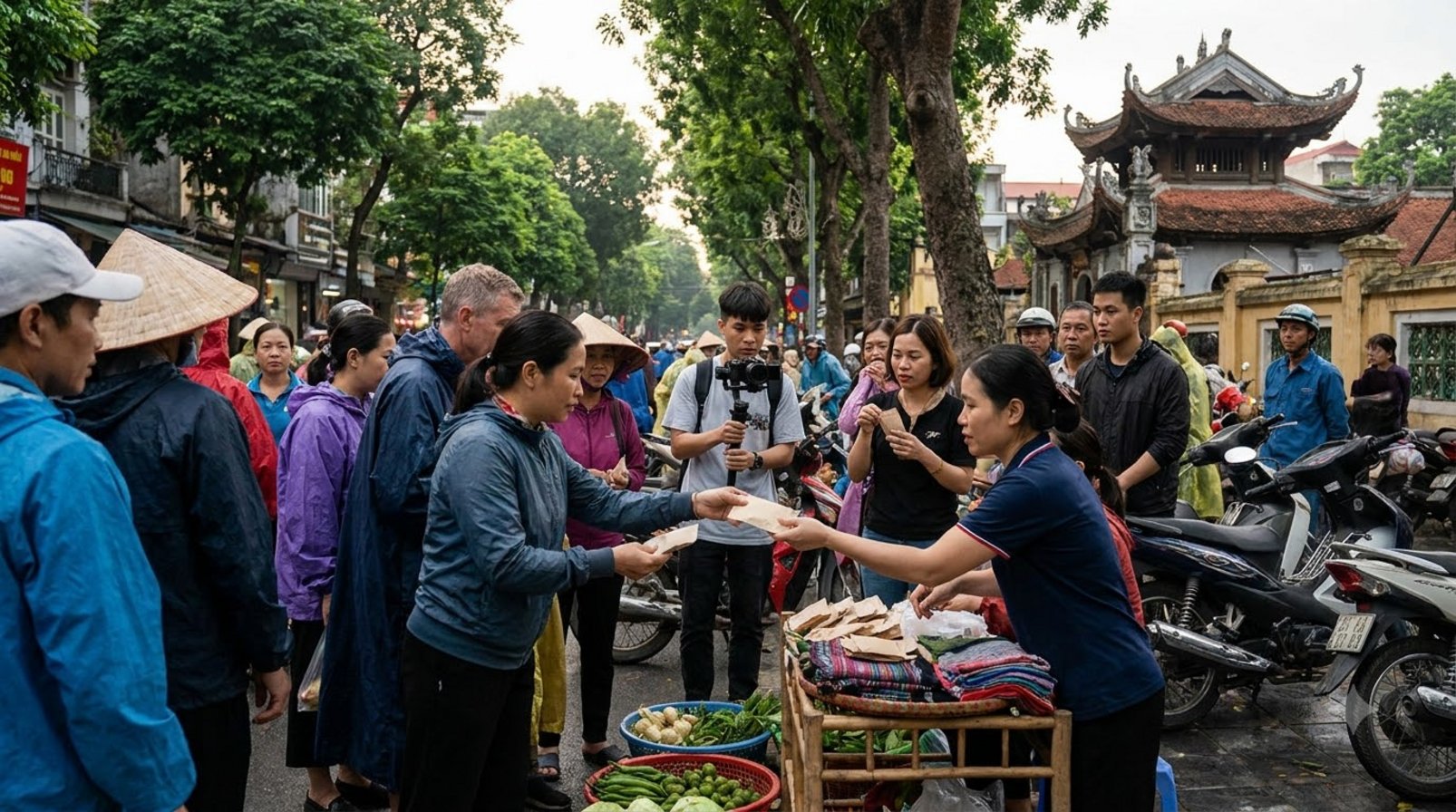
More importantly, Meta’s certificate program shows that social media marketing skills are being standardized at a higher level. This reflects the reality in Vietnam: both small and large businesses need teams that understand social advertising, community management, user insights, and the use of AI in content production and coordination. In that context, the Vietnamese brand that builds flexible operational capability will have an advantage over one that simply depends on a platform that is “full of people.”
Judge channels by attention time, and treat creators as distribution

- Review the entire social channel portfolio by attention time, engagement level, and conversion potential, not just reach.
- Build a creator strategy as a long-term distribution layer, prioritizing people whose communities fit the product category.
- Standardize social media skills for the internal team: content, paid social, community management, and AI applications.
- Design KPIs based on real user behavior on each platform, rather than measuring all channels with one common set of metrics.
See more marketing analysis and guides at https://marketing365.vn.
Follow more analysis from Marketing365 to stay updated on the latest marketing trends.
Read more articles in the Digital Trends category.
This article focuses on social media trends with a perspective for the Vietnamese market.
References
- ALM Corp — Meta Still Has The Widest Reach Across Social Media
- Social Media Today — The new fundamentals of brand strategy for modern social media
- Ad Age — Creator and influencer trends brand marketers need to know about right now
- Marketing Brew — The perks of being a creator executive
- Global South Opportunities — Free Online Meta Social Media Marketing Professional Course with Certificate: No Degree or Experienced Required