
Contents
On social media, the game is becoming less dependent on the fame of the spokesperson and more focused on what feels real, close, and easy to share. For Vietnamese marketers, this is not just a change in how content is distributed, but also a change in how trust and word-of-mouth effectiveness are built.
Key points
- Social media is favoring real people, small creators, and naturally shareable content rather than relying solely on large reach.
- Virality cannot be “manufactured on command”; brands need to create content worth sharing first, then think about amplification.
- Creator/influencer budgets are now being treated as a serious investment category, no longer a short-term experiment.
- Vietnamese businesses need to optimize for authenticity, small communities, and the ability to reuse content across multiple platforms.
Brands are revaluing who counts as an influencer
The common thread across recent developments is that social media is revaluing “who gets to influence.” WSJ describes a notable trend: brands are increasingly paying attention to very small users, even those with only a few hundred followers, because they seem more relatable and trustworthy than overly polished accounts. At the same time, Fortune shows that influencer marketing has moved beyond the experimental stage; budgets for creators are being expanded by companies as part of serious advertising plans.
At another level, RedTech emphasizes that viral is not a strategy you can switch on at will. What spreads most strongly is usually what makes viewers see themselves in it: surprise, humor, empathy, curiosity, or even debate. Put these signals together, and the picture is no longer “buy as much reach as possible,” but “create content that is real enough and worth talking about enough for the community to carry it further.”
In other words, social media is shifting from a broadcast model to a participation model. Marketers are no longer just buying attention; they have to design something that real people want to share because it fits them, reflects them, or helps them present themselves to their network.
Why influence is shifting toward smaller accounts
WSJ shows that the appeal of “regular people” is not about follower count, but about everyday relatability and how closely they match the target community. When a small account talks about a product in a natural way, viewers are more likely to see it as a personal experience rather than a staged ad. This is why many brands are starting to view small creators as a layer of trust distribution, not just a media channel.
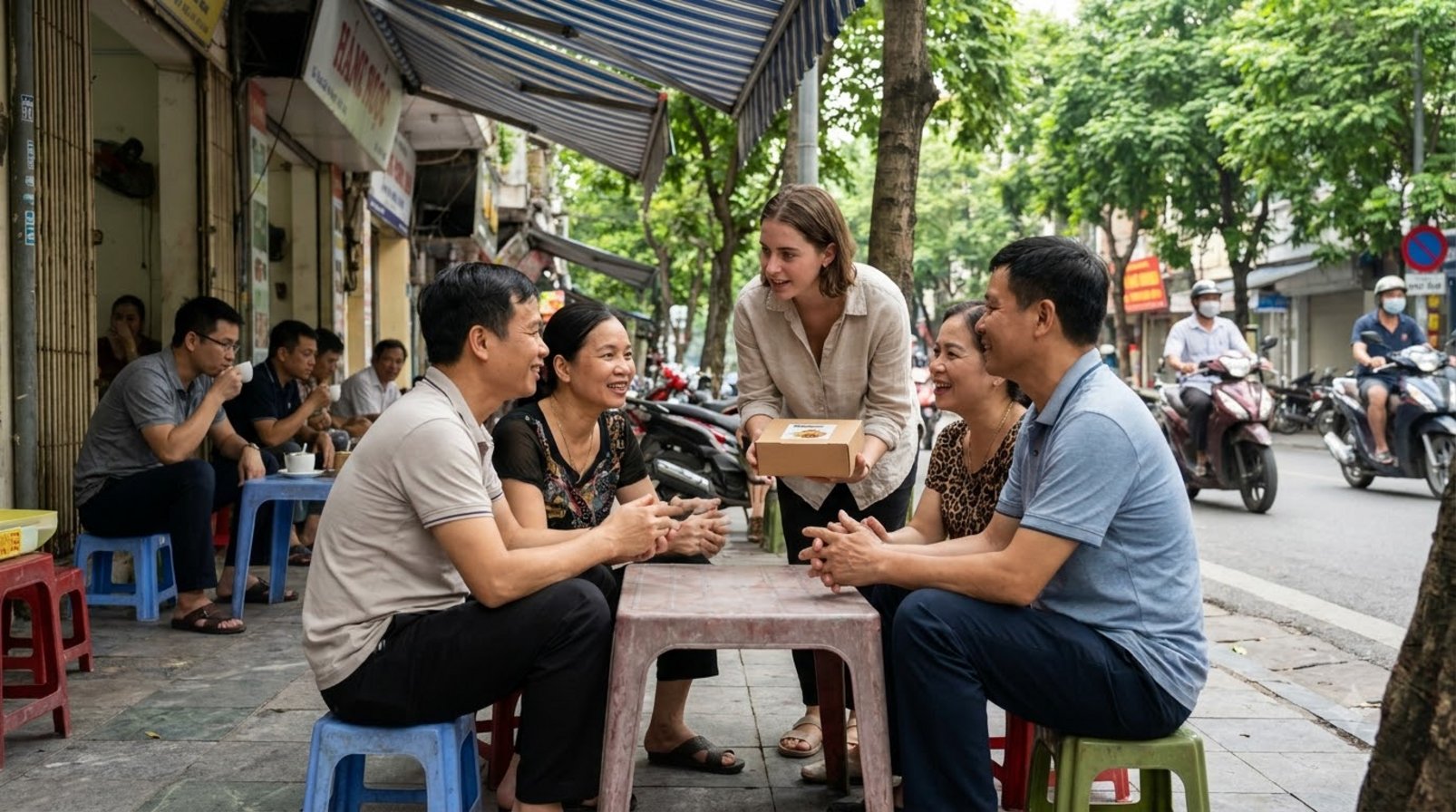
Fortune adds an important perspective: as creator budgets grow, companies are implicitly acknowledging that social influence is an asset that can be planned, measured, and invested in over the long term. That changes the criteria for choosing partners: not just fame, but also segment fit, community quality, and conversion potential.
The result is that the competitive advantage of social media no longer belongs exclusively to big names. Instead, the advantage is gradually shifting to accounts that know how to speak the language of small communities, the right consumption context, and the right moment.
Viral cannot be forced, but it can be designed to be shareable
RedTech makes it very clear: virality is an audience reaction, not a switch you can turn on and off. This matters because many brands still confuse “content that can run well as ads” with “content that can spread organically.” The two are not the same. A campaign can be boosted with budget, but that does not mean people will repeat it in their conversations.

The message RedTech offers also aligns with the logic suggested by WSJ and Fortune: the most-shared content is often content with emotion and humanity. When small creators or real users tell stories from personal experience, the content is more likely to create empathy than a brand message that is too polished. When brands invest in creators as Fortune mentions, the value is not only in views, but also in the ability to create a story that can live on after the post ends.
So if social media is to work better, marketers need to shift from “how do we go viral” to “how do we make it worth repeating.” That is a major change in how briefs are written, how performance is measured, and how ideas are approved.
A view for the Vietnamese market
The Vietnamese market has long been characterized by strong communities, fast reactions, and a high level of trust in real experiences. This makes the trend toward favoring small creators and authentic content even more relevant. In many industries, from FMCG and beauty to F&B, a recommendation that feels like a friend’s experience can have more impact than an overly “advertising-like” message.
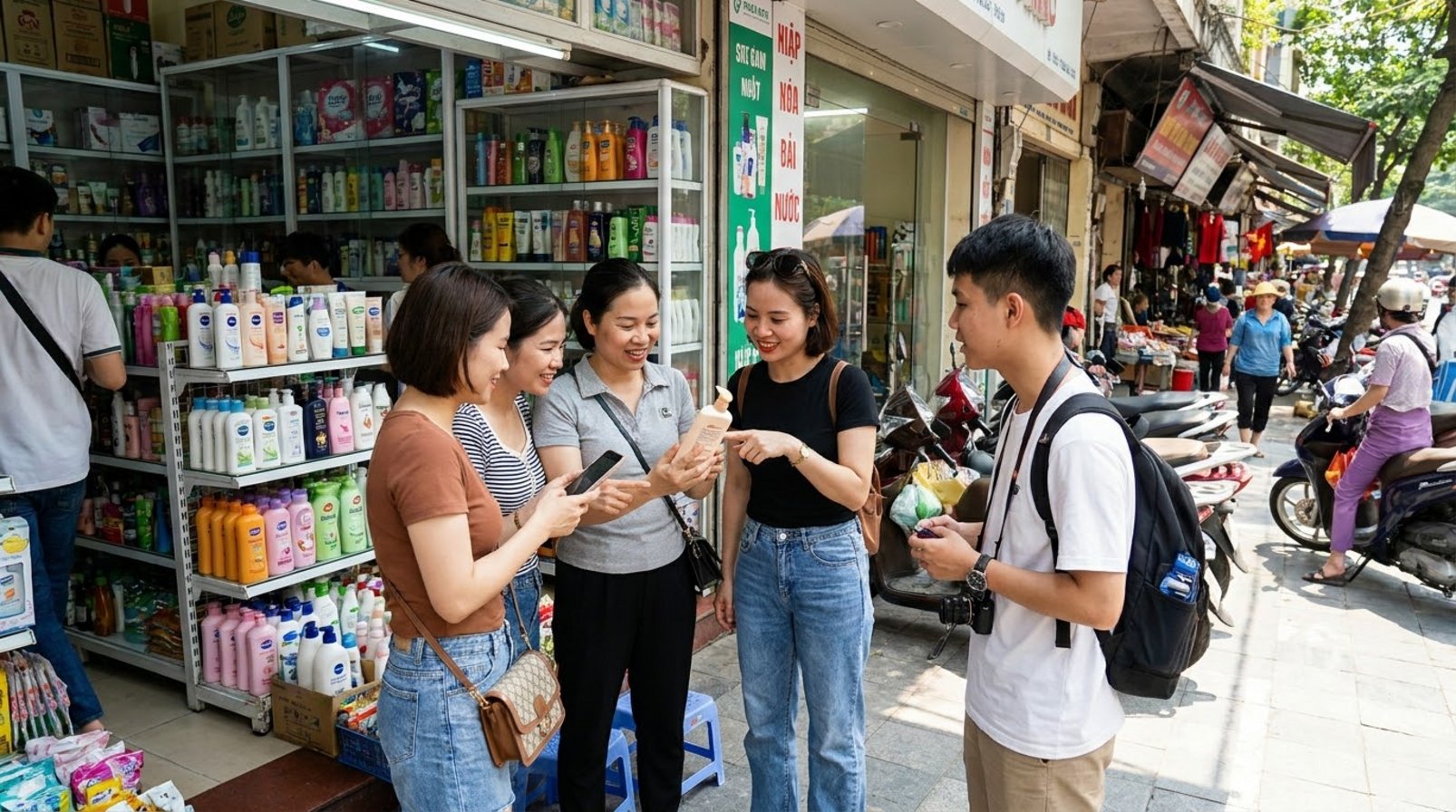
However, this opportunity only works if brands understand that small creators are not simply a “cheaper” option, but one that requires a more systematic approach: choosing the right people, the right context, and the right measurement expectations. In the Vietnamese market, where content spreads quickly but is also ignored quickly, what needs to be optimized is not noise, but relevance.
Vietnamese businesses should also view creator marketing as part of a content ecosystem: it can start with micro creators, then the most effective stories can be reused for paid media, social proof, landing page or sales kits. In that case, social media is no longer just a place to post for the sake of posting, but a place to test messaging before scaling investment.
Brief micro creators around a story worth retelling
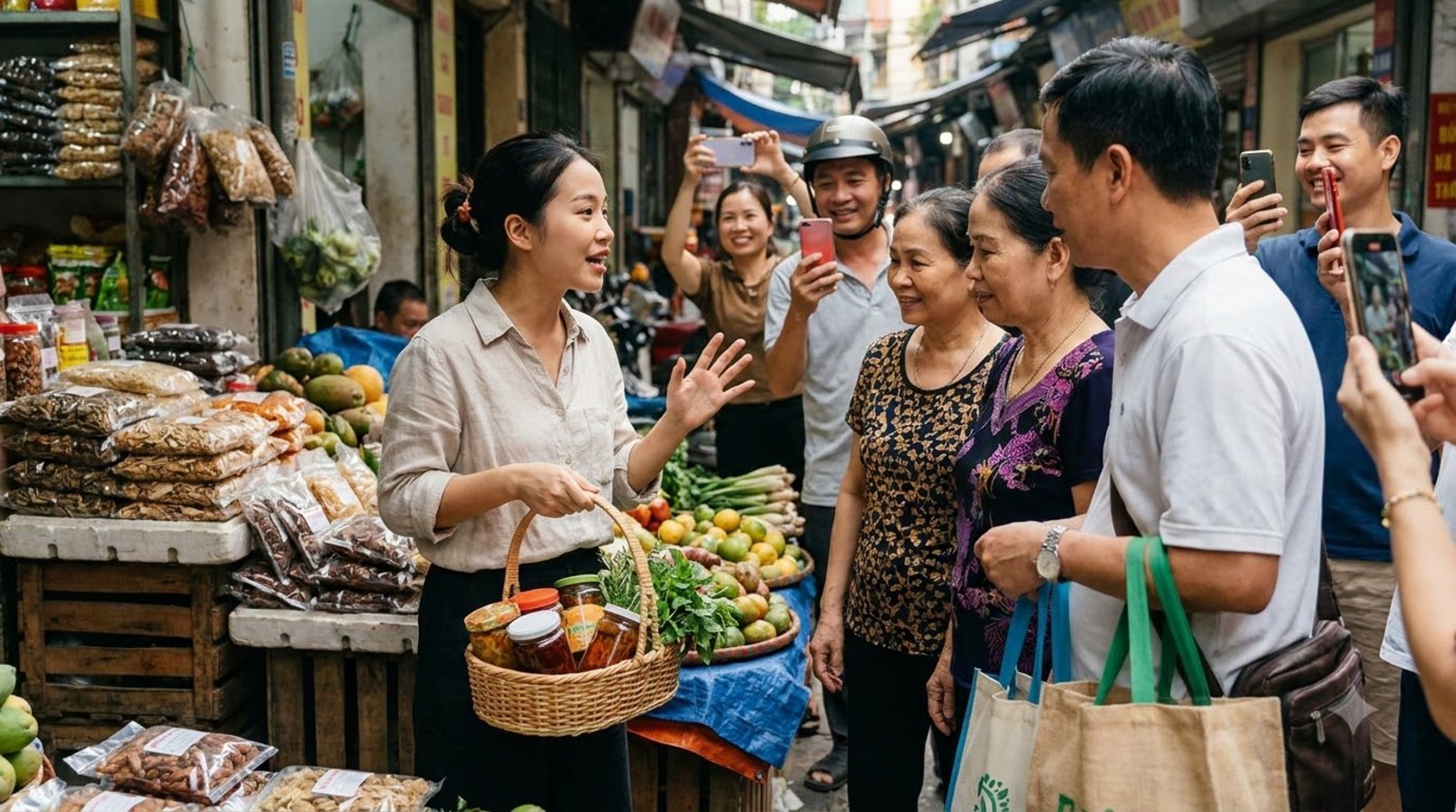
- Prioritize working with micro/nano creators whose communities closely match your customer profile, rather than choosing only those with large reach.
- Write briefs around “what story is worth retelling” instead of forcing creators to mention every feature, slogan, or CTA.
- Measure performance not only by views, but by quality signals such as saves, shares, experience-based comments, and how often the brand is mentioned again.
- Build a content library from creators to reuse across multiple touchpoints, especially paid ads and sales pages.
The most important conclusion is that social media is rewarding closeness and authenticity more than before. Marketers who keep chasing reach may still buy attention, but the long-term winners will be those who know how to turn real content into trust that can spread.
See more marketing analysis and guides at https://marketing365.vn.
Follow more analysis from Marketing365 to stay updated on the latest marketing trends.
Read more articles in the Digital Trends category.
References
- WSJ — The Latest Darlings of Social-Media Marketing? Regular People With 500 Followers
- RedTech International — Good to Great Lesson #21: Make something worth sharing
- Fortune — Influencer marketing isn’t an experiment anymore as companies expand their creator advertising budgets