

Contents
- Pi Network expands Pi Nodes to AI apps and local computing
- TIDAL tightens rules on AI-generated music content
- Tether, BTC miners, and the AI compute wave: a new infrastructure story for the market
- The USAID controversy and death data in Africa continue to heat up in online discussions
- xAI brings voice API to Vercel AI Gateway
- South Korea spends $520 billion to maintain its position in the AI memory chip race
- SpaceX’s Cursor comes to iOS, letting users control AI coding agents from their phones
- Claude enters Microsoft Foundry, expanding distribution on Azure
- Meta takes another step with Brain2Qwerty v2
- The impact of USAID cuts remains a fiercely debated topic
- Machine optimization: a very “Musk” technical perspective
- Next-gen console prices could be pushed up by the “AI bubble”
- Spotting “AI posters” in entertainment communications
- Cline launches subscription plans for open models like GLM-5.2
- TIDAL repeats the message: AI music must be transparent and cannot “eat” royalties
- CrowdReply launches MCP for AI search
- Giga ML launches Scout to optimize KPIs with AI
- SpaceX pours resources into AI data centers and long-term growth infrastructure
- 8090 raises $135 million to expand its AI Software Factory
- A view for the Vietnamese market
- References
By mid-2026, the AI story has moved well beyond models and chatbots into computing infrastructure, content governance, new interfaces, and enterprise operations. For marketers, the throughline across these developments is a shift from “trying AI” to “governing AI” — balancing speed and creativity with responsibility on copyright, data, and brand safety.
Pi Network expands Pi Nodes to AI apps and local computing
Pi Network said SoloHost on Pi Desktop is in beta, allowing users not only to run blockchain validation but also to operate local apps, AI tools, and distributed computing tasks directly on their personal computers. Users can access it remotely via Pi Browser, while developers can deploy apps on an open framework to reach more than 420,000 people running Pi Desktop.
The notable point is the “local first” direction: data stays on the device instead of being pushed to third-party servers. In a context where AI is increasingly tied to privacy and cloud costs, this is a signal that lightweight, on-device AI models could become an important option in the future. Source: Pi Network (@PiCoreTeam).
TIDAL tightens rules on AI-generated music content
TIDAL announced a new set of rules for fully AI-generated tracks: these songs will be labeled “AI,” will not earn royalties, listeners will be able to filter out all AI content, and products that imitate another artist’s style or identity will be removed.

This is more of a move to “protect the ecosystem” than an outright ban. For music marketing and branded content, the clear signal is that AI can be accepted if it is transparent, but content that deceives or replaces real artists will face stronger barriers. Source: TIDAL via Culture Crave, Pop Tingz, UMAW.
Tether, BTC miners, and the AI compute wave: a new infrastructure story for the market
In a “bingo card” for 2026 shared on social media, one notable prediction is that Bitcoin miners will shift to AI compute. While this is only a speculative view, it reflects a trend the market is watching: computing infrastructure will move according to new profit opportunities, especially as AI consumes massive resources.

For tech marketers, this underscores that the AI story is no longer confined to software. It also brings a race for power, GPUs, data centers, and optimization of computing assets. Source: Jake Claver.
The USAID controversy and death data in Africa continue to heat up in online discussions
Elon Musk continues to comment on the USAID budget cuts, saying deaths in Africa have declined and rejecting claims that he caused serious consequences. The accompanying quotes on social media refer to preliminary data and critical analyses showing there is not yet any clear enough mortality signal to support the simplistic conclusions being spread by extreme statements.

This is a classic example of how data, inference, and political communication can be “packaged” very quickly on digital platforms. For marketers, the lesson is: when touching sensitive topics, be extremely careful with context, evidence, and interpretation. Source: Elon Musk, the cited quotes included in the data.
xAI brings voice API to Vercel AI Gateway
xAI said Grok’s voice APIs are now available in Vercel AI Gateway. The toolkit includes components for realtime voice, speech generation, and speech-to-text, helping developers integrate voice experiences faster through Vercel’s AI Gateway and AI SDK 7.
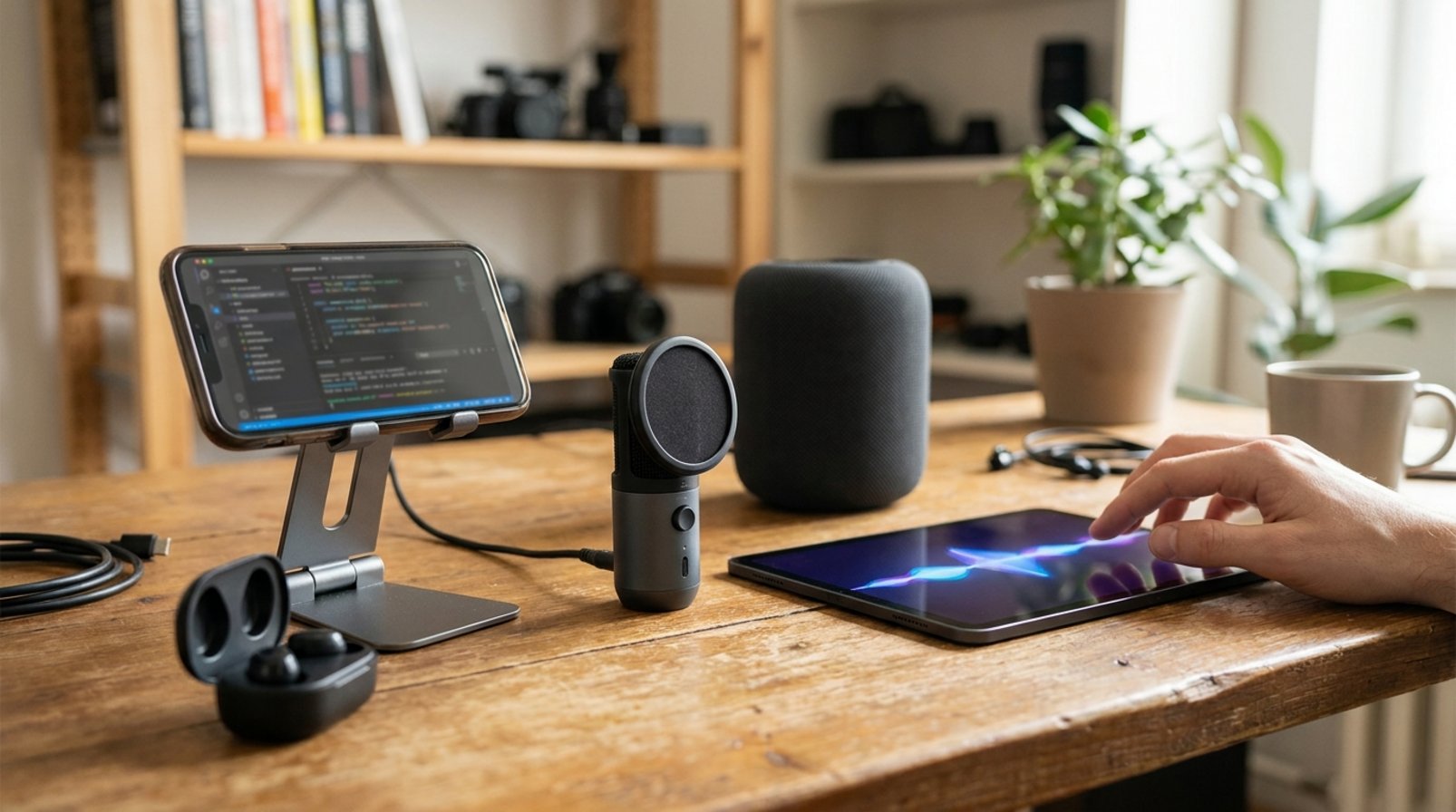
For marketers, this is a signal worth watching because voice interfaces are moving from “demo” to a real interaction channel. When brands can build voice assistants, AI call centers, or voice-based shopping experiences, the customer journey will change significantly. Source: xAI, Vercel.
South Korea spends $520 billion to maintain its position in the AI memory chip race
South Korea was mentioned with a $520 billion plan to strengthen its memory chip industry amid surging demand from AI hardware. The plan involves the government, Samsung, and SK Hynix, including new chip fabs, new HBM facilities, and faster construction permitting.

This is a snapshot showing that AI is driving a massive industrial supply chain. For Vietnamese businesses, the story is not only “which AI to use,” but also infrastructure costs, deployment time, and dependence on the global chip supply. Source: Pirat_Nation.
SpaceX’s Cursor comes to iOS, letting users control AI coding agents from their phones
Circulating information suggests Cursor has launched on iOS, allowing users to control AI programming agents from their phones. If this trend continues, coding work will become increasingly “mobile,” where developers can monitor, intervene, and command AI agent from anywhere.

For product marketing teams, this is an important clue: AI is not only helping create content, but also changing the speed of the entire digital product lifecycle. Source: Polymarket.
Claude enters Microsoft Foundry, expanding distribution on Azure
Claude announced it is now officially available in Microsoft Foundry, hosted on Azure. Azure customers can use Claude Opus 4.8 and Claude Haiku 4.5 with the familiar authentication, billing, and governance mechanisms of the Microsoft ecosystem.

From a market perspective, this is a move that helps premium AI models go deeper into large enterprises. Enterprise-ready features such as billing, permissions, and consumption contract controls can be decisive for brands that need to deploy AI at scale. Source: Claude.
Meta takes another step with Brain2Qwerty v2
Meta introduced Brain2Qwerty v2, a system capable of translating brain signals into text in real time. Although this is still a research direction that requires extensive validation and practical applications remain far off, it shows that AI’s ambition is moving beyond the screen and directly into the interface between humans and machines.

For the media industry, technologies like this open up a completely new vision of interaction. But they also raise questions about privacy, consent for biological data use, and ethical limits. Source: Watcher.Guru.
The impact of USAID cuts remains a fiercely debated topic
Elon Musk continues to reject claims related to the USAID cuts, while the accompanying quotes emphasize that current data analyses have not shown a mortality increase signal as some arguments suggest. In short, this remains a political and data-driven controversy with no final conclusion yet.
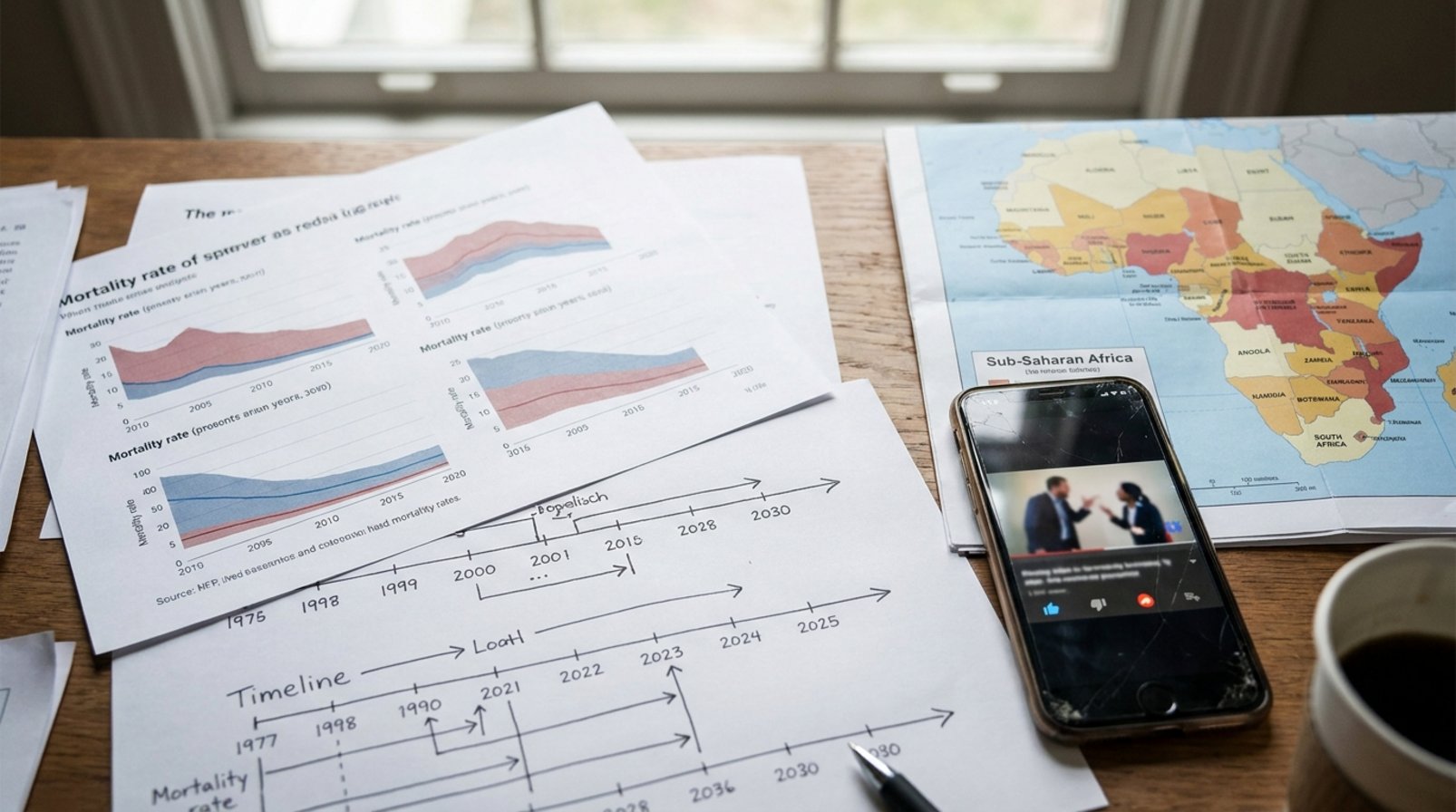
The lesson here is that information spreads on social media much faster than scientific verification. Marketers need to be especially careful when turning social issues into brand messages. Source: Elon Musk, the cited quotes included in the data.
Machine optimization: a very “Musk” technical perspective
In a brief comment, Elon Musk said he loves optimizing machines because it is a beautiful and useful problem. The statement sounds simple, but it reflects the philosophy driving many AI products: optimize systems to achieve higher performance, rather than just creating flashy features.
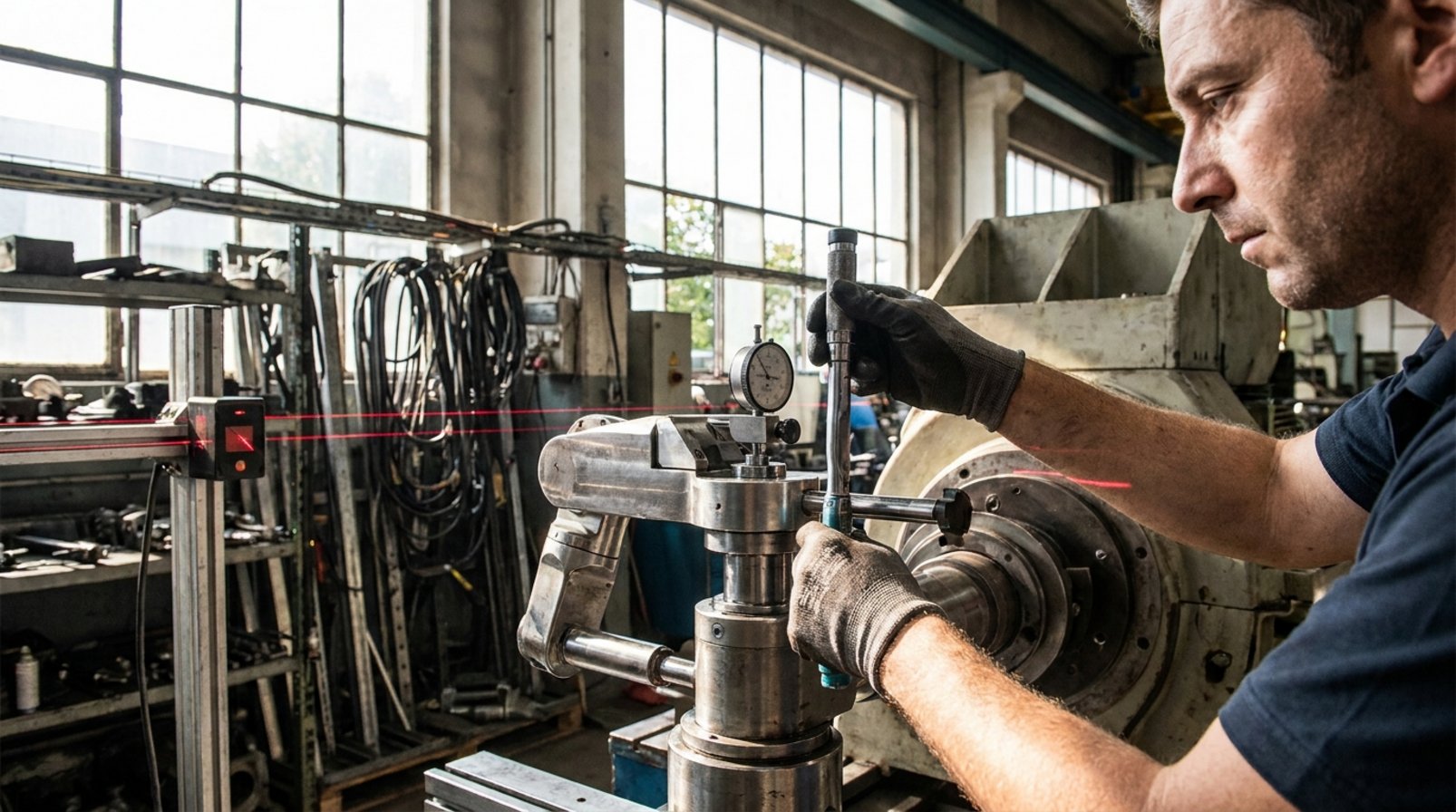
For performance marketers, this is an easy-to-understand metaphor: good AI is not the AI that talks best, but the AI that makes processes run more smoothly, with fewer errors and measurable results. Source: Elon Musk.
Read more: New AI Models Are Being Defined by Infrastructure, Chips, and Output Control
Next-gen console prices could be pushed up by the “AI bubble”
Tom Henderson said that even if next-gen consoles launch at $999, the market could still be very harsh because of scalpers, the first shipment being heavily targeted, and the risk of annual price increases if the AI bubble has not cooled down. This is speculation, but it reflects concerns about cost pressure in the AI era.
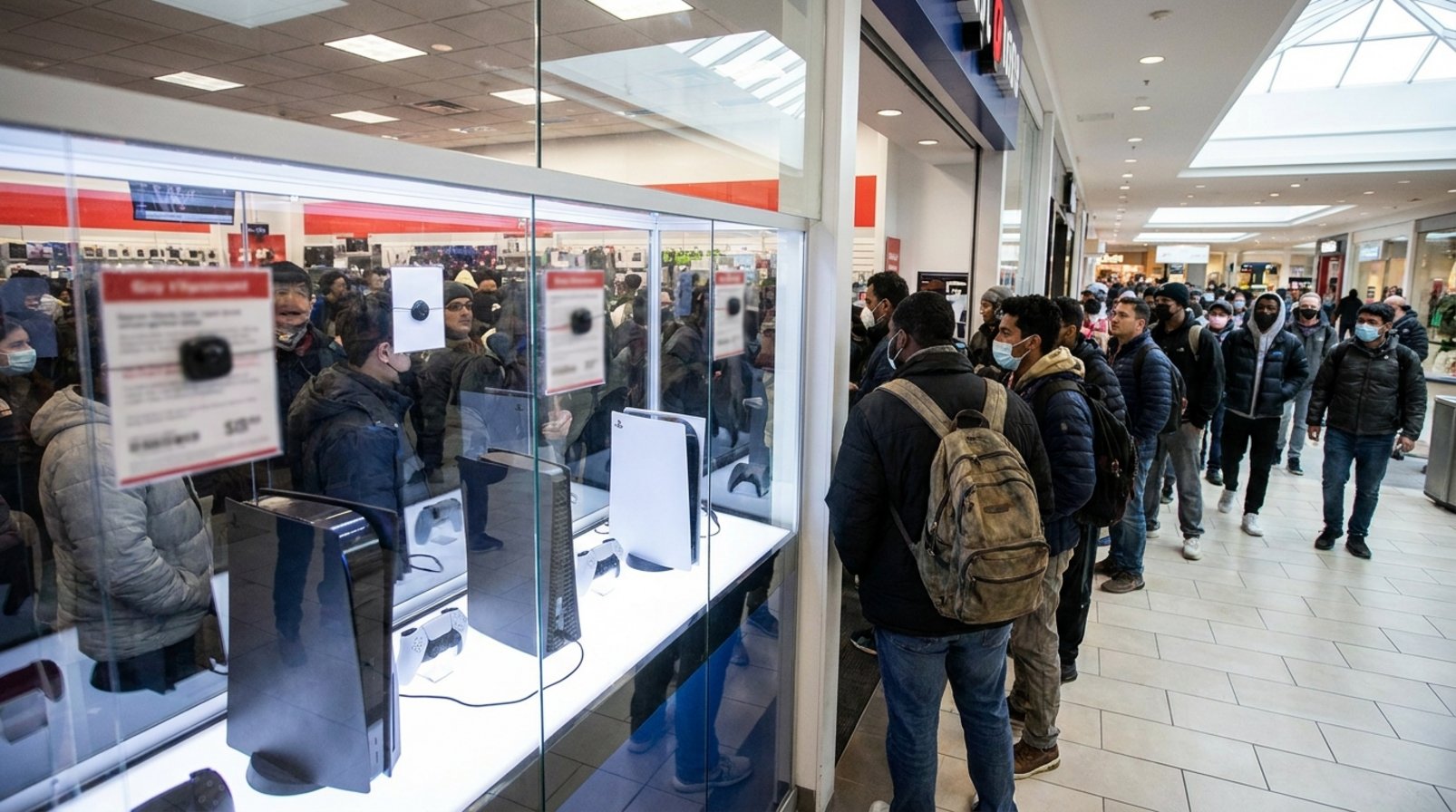
For the gaming and digital entertainment industry, this shows that chip demand, manufacturing, and capital allocation are being affected by AI in a chain reaction. Source: Tom Henderson.
Spotting “AI posters” in entertainment communications
A comment from the entertainment community said the poster announcing the NTR x Trivikram project felt too AI-generated, which lowered expectations for what should have been a premium launch. The core issue is not whether AI was used, but whether the final product feels worthy of the project.

For marketers, this is a clear reminder: AI can save time, but if it is used without finesse on important identity assets such as teasers, posters, and key visuals, the brand can easily lose points. Source: Manoz Kumar.
Cline launches subscription plans for open models like GLM-5.2
Cline said it is very impressed with GLM-5.2 and is introducing a $9.99/month plan to provide 2–5x discounted access to this model as well as several other open models such as DeepSeek, Kimi, MiniMax, Mimo, and Qwen. The tool can be used on Cline CLI and IDE.

This move shows that the AI market is increasingly moving toward a multi-platform distribution model, where price, integration depth, and user experience will be competitive advantages. Source: Cline.
TIDAL repeats the message: AI music must be transparent and cannot “eat” royalties
Another announcement shows that TIDAL’s new policy will take effect on 15/7: fully AI-generated tracks will be labeled, will not receive royalties, and content mimicking other artists will be removed. Listeners will also have the right to filter out all AI content.

For the music industry, this is an important milestone because it shows streaming platforms are proactively setting boundaries between AI-assisted creativity and artist identity copying. Source: TIDAL via Pop Tingz, UMAW.
CrowdReply launches MCP for AI search
CrowdReply introduced CrowdReply MCP, described as the first MCP that helps analyze and rank websites in AI search. Users only need to chat with the tool, and the system will identify gaps and automatically implement the necessary changes.

This is a highly notable signal for SEO and content marketing. As AI search becomes a new intermediary layer, optimizing brand presence will no longer stop at traditional Google, but will also extend to being understood, extracted, and recommended by AI systems. Source: CrowdReply.
Giga ML launches Scout to optimize KPIs with AI
Scout from Giga ML is introduced as an AI platform that continuously learns and experiments to improve business metrics. Businesses can set desired KPIs such as funded deposits, after which the system builds workflows, learns from real interactions, detects integration errors, and suggests improvements with human oversight for important decisions.
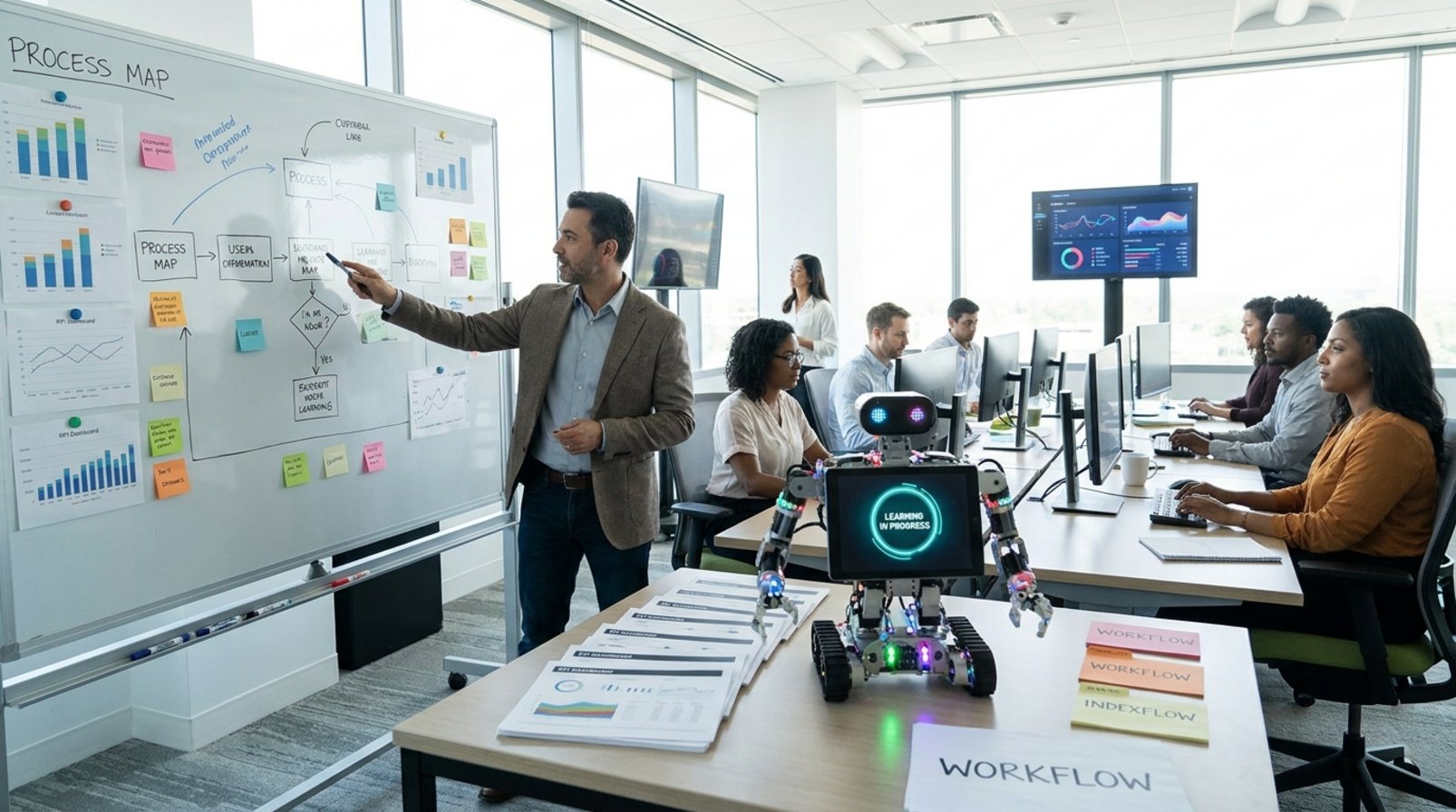
For performance marketers, this is very close to the future of conversion optimization: AI does not just suggest, but also tests, measures, and learns from real operational data. Source: Giga ML.
SpaceX pours resources into AI data centers and long-term growth infrastructure
SpaceX is said to have more than $100 billion in cash, an investment-grade credit rating, and is about to enter the Nasdaq 100; new capital is also expected to support Starship, Starlink, new factories, launch infrastructure, and large-scale AI data center projects. This is a picture of a company investing for years, not just the next few quarters.

The notable point is that major tech companies increasingly see AI data centers as a strategic asset. That directly affects infrastructure rental costs and the pace of innovation across the market. Source: Herbert Ong.
8090 raises $135 million to expand its AI Software Factory
8090 announced a $135 million Series A led by Salesforce Ventures. The company said the funding will prioritize hiring and compute investment to continue serving major customers in highly regulated industries such as healthcare, insurance, aerospace, energy, manufacturing, and financial services.

The key point is that 8090 focuses on high-reliability AI systems that can design, build, and restructure software at scale. For B2B marketers, this signals growing demand for AI solutions that “go into operations” rather than just staying at the demo stage. Source: Chamath Palihapitiya / 8090.
A view for the Vietnamese market
The 22 stories above show that AI is clearly splitting into four major directions: computing infrastructure, new user interfaces, content governance, and enterprise AI. For Vietnam, this is the time for brands to move from asking “should we use AI?” to “which AI helps reduce costs, speed up content production, and improve customer experience while staying safe on legal, copyright, and data issues?”

In the short term, marketers should pay special attention to three things: first, standardize AI content review workflows to avoid brand risk; second, test new interfaces such as voice, AI search, and AI agents; third, measure the real impact on conversion instead of chasing tool hype. AI is becoming an infrastructure layer, and the winners will be brands that use it with discipline, transparency, and the right context.
See more marketing news and guides at https://marketing365.vn.
Explore more marketing analysis & guides at Marketing365.
Read more articles in the same category AI developments.
This article focuses on the latest AI news with a perspective for the Vietnamese market.
References
- Pi Network (@PiCoreTeam)
- Culture Crave 🍿 (@CultureCrave)
- Jake Claver, QFOP (@beyond_broke)
- Elon Musk (@elonmusk)
- xAI (@xai)
- Pirat_Nation 🔴 (@Pirat_Nation)
- Polymarket (@Polymarket)
- Claude (@claudeai)
- Watcher.Guru (@WatcherGuru)
- Elon Musk (@elonmusk)
- Elon Musk (@elonmusk)
- Tom Henderson (@_Tom_Henderson_)
- Manoz Kumar (@ManozTalks)
- Cline (@cline)
- Pop Tingz (@PopTingz)
- United Musicians and Allied Workers (@UMAW_)
- CrowdReply (@Crowdreply_io)
- Indian Tech & Infra (@IndianTechGuide)
- Herbert Ong (@herbertong)
- Chamath Palihapitiya (@chamath)
- Elon Musk (@elonmusk) — The hard truth is that USAID, with its constant support of often violent leftist regime change, caused a lot…
- 𝗚𝗲𝗺 𝗙𝗼𝗿 𝗠𝘆 𝗙𝗼𝘂𝗿𝘁𝗵🌻 (@nongsiii) — #GeminiConcert #Gemini_NT #เจมีไนน์ ♊️: i want to say that the teaser that was released is everything.…