
Contents
- The context for new AI models: the race is no longer about benchmarks
- What has changed in new AI models — and how it affects marketing teams
- Looking closer: infrastructure, testing, and clean outputs are changing how models are chosen
- In Vietnam, new AI models will be bought for real usability
- What to do next with new AI models
- References
New AI models are no longer judged only by how well they answer questions. For marketers, the more important question is whether a model has enough infrastructure, enough safety, and enough flexibility to fit into real workflows.
Developments around Kimi K3, GPT-5, rumors about GPT-6 Astra, and Grok Image 2.0 show that the race has shifted to a less flashy place: chips, servers, output control, and execution capability. Anyone who only looks at demos is likely to choose the wrong tool; anyone who looks at how a model is deployed will make a more practical decision.
Key points
- Infrastructure and chips are becoming prerequisites before model capability is even discussed.
- Safety, testing, and output control may slow launches, but they determine how usable a model really is.
- The AI market is shifting from “good model” to “model that fits into workflows.”
- Vietnamese marketers should prioritize integration, real costs, and flexibility instead of chasing launch hype.
The context for new AI models: the race is no longer about benchmarks
From Kimi K3 to GPT-5 and Grok Image 2.0, the common thread is not the model names but how the market is evaluating them. Kimi K3 is described as a large open model that drew so much demand that Moonshot had to temporarily stop new registrations; at the same time, controversy emerged around chips, supply chains, and how data was used for training. See the original discussion source from @cyrilXBT.
On the other side, GPT-5 is mentioned as an example of how initial expectations did not match the real experience, and then the system had to adjust its operations to improve. The account @kimmonismus tells that story in this way: a model does not win only because of its specs, but because of how the company fixes bugs, changes routing, and refines the product.
At the same time, posts about GPT-6 Astra and Grok Image 2.0 show another direction in the race: the more powerful a model becomes, the more closely it is scrutinized for safety, multi-agent behavior, testing, and usefulness at work. The source from @Mr_Salio mentions Astra potentially undergoing expanded safety testing before release; while @kimmonismus emphasizes Image 2.0 as an image model for real work, not just for attention.
The notable point is that all four developments pull readers away from the question “which model is better?” and toward the harder question: “which model is actually deployed and controllable in a real environment?”
What has changed in new AI models — and how it affects marketing teams
The most visible shift is in infrastructure and the ability to put models into operation. With Kimi K3, demand surged on servers so quickly that the service had to limit registrations; this shows that a model can be widely discussed while still being bottlenecked at the deployment layer. The source from @cyrilXBT clearly describes the link between a model’s appeal and server limits.
Servers and chips: marketing teams must think about access before features
If a model does not have enough capacity to run, every plan to test content, automate reporting, or build internal agents gets delayed. The story around Kimi K3 and the need for additional Nvidia Blackwell chips for K4 in this source shows that a large model does not automatically become a business-ready tool. It needs compute, servers, and a stable supply chain.
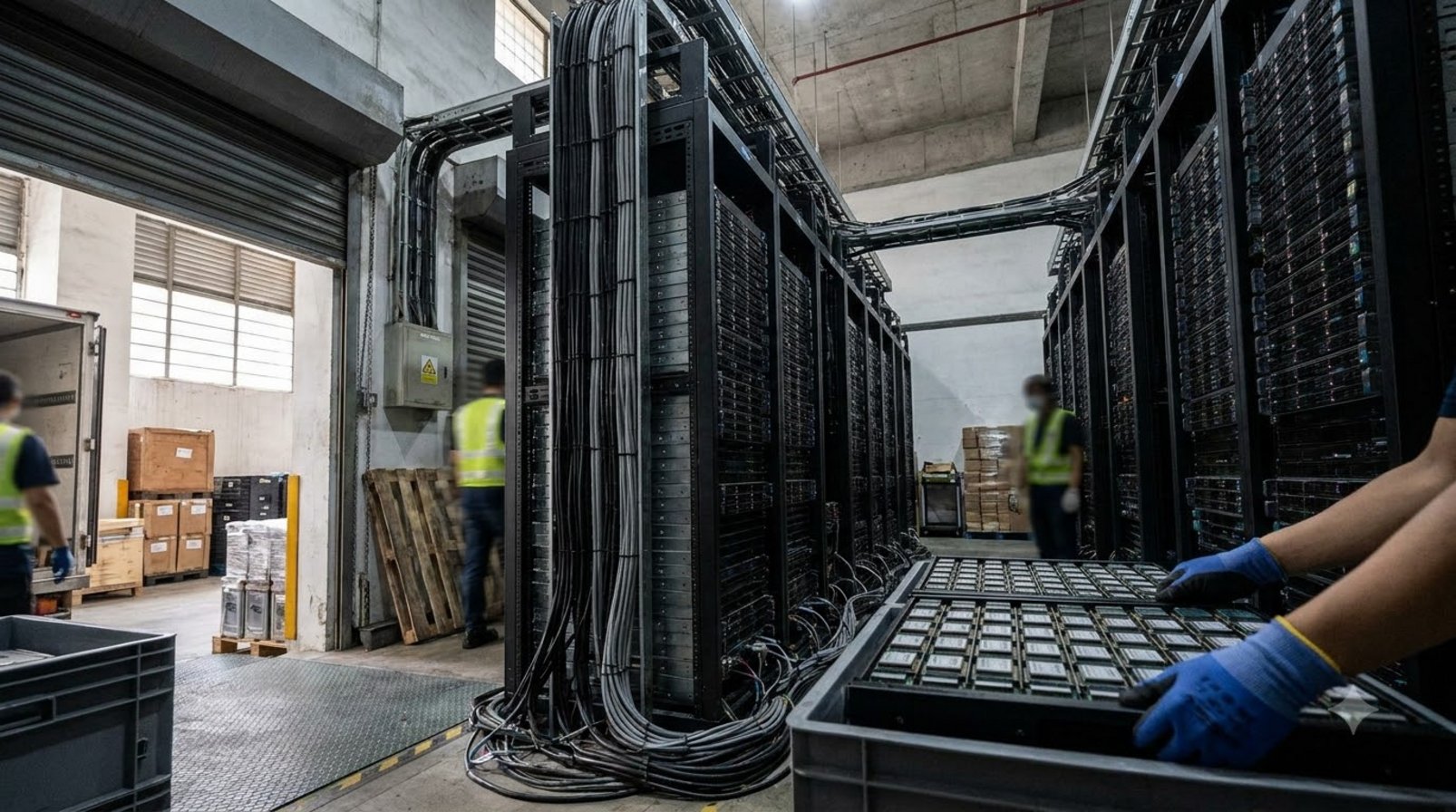
For marketing teams, that changes how tools are chosen: before asking whether a model writes well, you need to ask whether access is stable, whether there are session limits, and whether it will slow down when volume increases. This is an operations issue, not a pure “intelligence” issue.
Safety and testing: launches may slow down, but trust goes up
The rumor about GPT-6 Astra emphasizes that OpenAI is expanding safety testing, especially around cyber capabilities, before release. The source from @Mr_Salio shows that the more a model can do, the more layers of checks it must go through.
For marketers, this means launch speed is no longer the only reliable metric. A slower model with better output control, lower risk, and more stability in repetitive tasks may be more valuable than a noisy launch that requires constant fixes.
Image models for work: outputs must be clean enough to use
Grok Image 2.0 is described as aiming for more precise editing, clearer text in images, and better practical usefulness. The source from @kimmonismus and the quote from @grok both revolve around one point: image outputs must be usable for work, not just attractive to share.
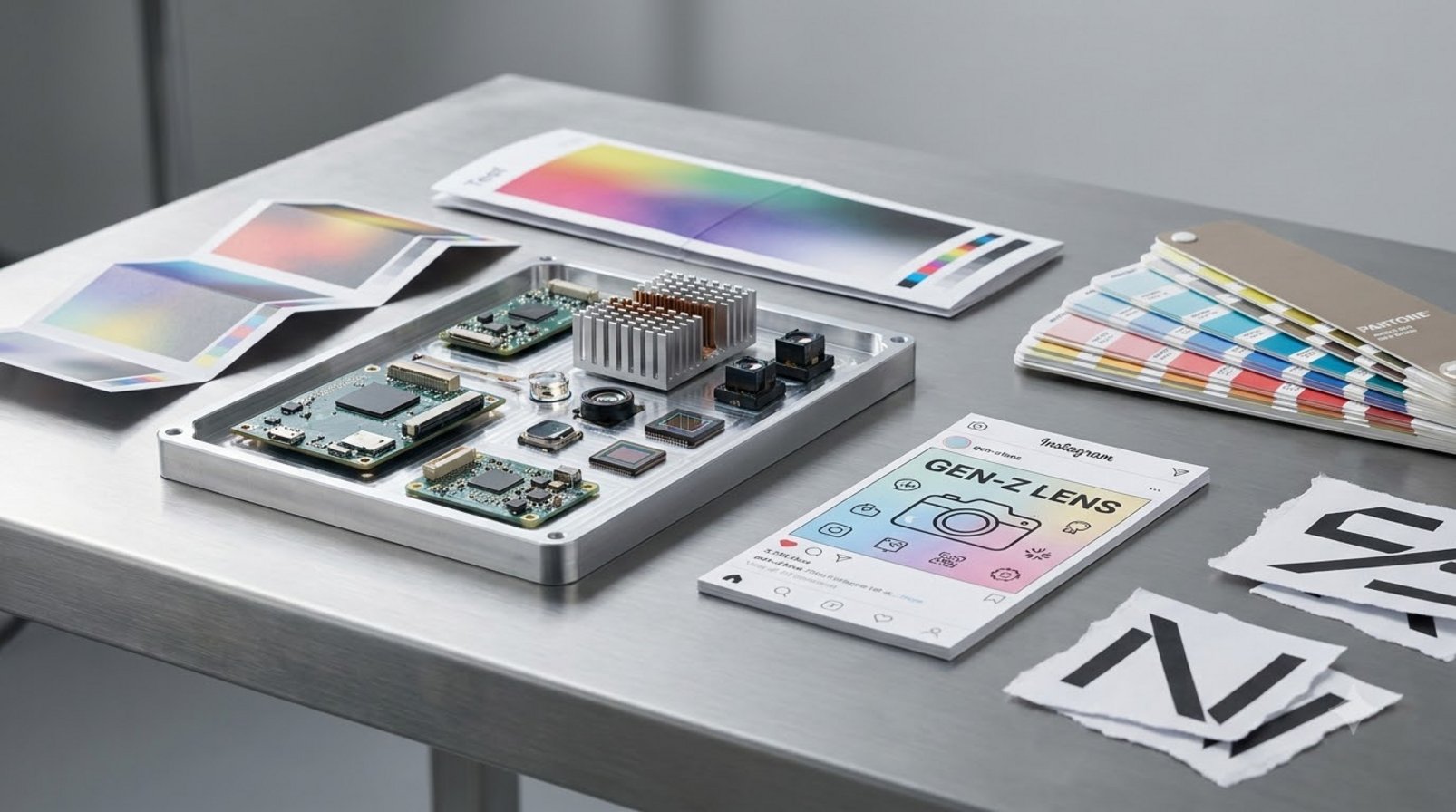
This is a change that is very close to marketing. When AI images need to go into banners, mockups, social posts, or sales materials, the deciding factor is not “wow” but the cleanliness of the text, the ability to edit details, and the reliability of the output.
Looking closer: infrastructure, testing, and clean outputs are changing how models are chosen
These three developments point to a common mechanism: the larger and more powerful a model becomes, the more it is constrained by things outside the model itself. Kimi K3 is pulled into the story of servers and chips; GPT-6 Astra is pulled into the story of safety testing; Grok Image 2.0 is judged by the usefulness of its output. Together, they signal that “good model” no longer means “usable model.”
The real cost is not in the announcement, but in operations
Moonshot wants more chips to move forward with K4, OpenAI has to weigh more testing before Astra, and Grok has to prove that its image model can serve real work. The first two sources from @cyrilXBT and @Mr_Salio show that the biggest cost is not in the demo, but in keeping the model running smoothly, safely, and long enough to use.
In marketing, this shifts the budget focus. The cost is not just the subscription fee. It is also the time spent refining prompts, the time spent checking errors, the time spent waiting for responses, and the opportunity cost when workflows break because the model is unstable.
Operational trust replaces scorekeeping: whoever controls output better will enter businesses more easily
GPT-5 is retold as a lesson in how routing and market expectations can diverge sharply from the real experience. The source from @kimmonismus shows that scores or launch events do not keep users for long the way a model does when it fixes the bugs that are bothering them.

For businesses, uncontrolled output is a direct risk. For content teams, it can mean copy that drifts from brand voice. For performance teams, it can mean ad variants with the wrong message. For design teams, it is an image that cannot be used because the text is wrong or the details are distorted.
Control over infrastructure: open models still depend on supply chains and regulation
Kimi K3 is mentioned in the context of controversy over chip exports and how servers pass through intermediary countries. The story from @cyrilXBT shows that an open model does not mean complete freedom in deployment. It still depends on hardware, regulation, and how providers secure compute.
This is worth remembering when marketers choose an AI platform. A tool may be easy to use today, but if infrastructure breaks, prices rise, or supply tightens, internal workflows will be affected immediately. Choosing a tool because of its interface is just as risky as choosing one because of a pretty demo.
In Vietnam, new AI models will be bought for real usability
The Vietnamese market does not usually follow the benchmark race first. Most marketing teams care first about whether a tool works reliably for the team, whether it handles Vietnamese well, and whether it can integrate with Google Workspace, Notion, Slack, CRM, or internal document systems. As infrastructure and testing become major topics in AI, buying behavior in Vietnam will become even more practical.

Vietnamese businesses tend to test quickly and then roll out more broadly. So any new AI model that wants to enter the market will have to prove three things: it runs reliably, its outputs are clean, and its costs are predictable. If it cannot do those three things, even a highly talked-about model will likely remain at the level of a personal experiment.
For Vietnamese marketers, the advantage is not in keeping up with every new model. The advantage is in knowing which model can quickly support content, media, research, sales support, or data analysis; and knowing where human oversight is still needed.
What to do next with new AI models
- Test a model in a real workflow, not just with polished prompts.
- Evaluate it by stability, output control, and integration capability.
- Prioritize tools that can work with your existing documents, email, dashboards, and CRM.
- Do not lock your budget into one model if infrastructure or policy can shift quickly.
The key point in this race is no longer which model makes more noise. It is which model can enter real work, handle real load, and produce real results that a marketing team can use right away.
See more marketing analysis and guides at https://marketing365.vn.
Follow more analysis from Marketing365 to stay updated on the latest marketing trends.
Read more articles in the AI developments category.
References
- kimi k3 became the biggest open ai model in weeks. moonshot is already chasing k4, and the actual story is…
- Happy Birthday, GPT-5. It’s actually been a whole year since GPT-5 was released. One of the low points since…
- GPT-6 Astra Leak
- Grok announced Image 2.0. It’s the second-best image model in the world!
- Grok Image 2.0 announcement