
Contents
- Elon Musk continues to stir political debate on X
- Meta takes another step with Brain2Qwerty v2: turning brain signals into text
- Musk criticizes “absurd” regulations and the impact of housing policy
- Controversy over symbols and identity in Dearborn’s public forces
- Tesla says FSD v14 Lite is ready for AI3 vehicles
- FSD v14 Lite begins rolling out to AI3 customers
- South Korea unveils a $1 trillion investment plan for chips and AI
- Pi Network launches a series of Pi2Day upgrades for infrastructure, identity, and AI
- South Korea is preparing three “mega-projects” for chips, AI data centers, and robots
- Pi Network emphasizes the practical value of an ecosystem built around compute, AI, and identity
- Orbition Network talks about fixed OBN supply and fraud prevention in AI Mining
- A three-way direction for AI in Vietnam
- References
As of mid-2026, the global AI picture is splitting along three lines at once: AI embedded into real products such as self-driving cars, AI tied to national infrastructure such as chips and data centers, and AI paired with digital identity and blockchain ecosystems. For marketers, the useful read is less about any single headline and more about which of these directions will actually shape products, costs, and user experience.
Elon Musk continues to stir political debate on X
In recent posts on X, Elon Musk made a series of remarks emphasizing the view of “loyal only to America” and criticizing some people for carrying other countries’ flags in an official context. This is not a direct AI product story, but it shows that Musk remains a figure capable of shaping public discussion around technology, social, and political topics.
For marketers, the key point is this: when a tech CEO with a massive following speaks forcefully on social media, any message related to the company ecosystem can be placed in a broader debate, affecting brand perception. Source: X/@elonmusk.
Meta takes another step with Brain2Qwerty v2: turning brain signals into text
Meta says it is announcing a new milestone for its non-invasive brain decoding project Brain2Qwerty v2. According to Meta AI, the system is currently the highest-performing end-to-end pipeline that can decode words in real time from raw brain signals, moving beyond character recognition toward words and semantics.

The value of this research is not only scientific, but also its potential to help people with communication difficulties caused by brain injury or neurological disorders. If this technology continues to advance, it could become one of the clearest intersections of AI, biomedicine, and human-machine interfaces in the near future. Source: AI at Meta / Nature.
Musk criticizes “absurd” regulations and the impact of housing policy
In another post, Elon Musk argued that heavy-handed and irrational government regulations only make things worse. The content he shared was tied to debates over the housing market, renovation costs, and the fact that some apartments in New York remain vacant because regulations make it difficult for landlords to recover costs.

Although this is not purely an AI story, it reinforces an important reality: technology often moves faster than policy frameworks. For AI businesses, especially those deploying automation in real estate, finance, or public services, the regulatory environment can determine the pace of commercialization. Source: X/@elonmusk and a quote from @AffordAnything.
Controversy over symbols and identity in Dearborn’s public forces
A post reshared by Musk pushed the topic of Dearborn and religious/national symbols in the public forces to the center of debate. The content is more political and social than technological, but it shows that social media remains a place where statements can spread very quickly and influence public discussion.
Read more: Why Is AI Getting Cheaper but the Race Harder for Marketers?

For the media and marketing industry, this is a classic example of the risk of tying a brand to divisive content: once a message is pulled into an identity debate, the conversation can move far beyond its original scope and completely blur the product’s core value. Source: X/@elonmusk and a quote from @AmyMek.
Tesla says FSD v14 Lite is ready for AI3 vehicles
Elon Musk said Tesla AI did well in bringing FSD v14 Lite to AI3 hardware, even though the system has only about 15% of the effective memory bandwidth of AI4. According to the quoted response, the engineering team solved a fairly difficult problem: transferring assisted-driving capability from a stronger configuration to older hardware while maintaining a stable experience.

This is a highly notable signal because it gets to the core challenge of commercial AI: a better model is not enough; it also has to be optimized for existing hardware and the millions of devices already in use. In product marketing, the message of “upgrading for older devices” is also often highly persuasive because it directly eases current users’ concerns. Source: X/@elonmusk and a quote from @Tesla_AI.
FSD v14 Lite begins rolling out to AI3 customers
Tesla confirmed that FSD v14 Lite is being released to customers on AI3 hardware. According to aelluswamy, this version “distills” driving behavior from the AI4 v14 series into the AI3 camera and compute configuration, while also adding destination options, urban speed profile settings, and significant safety improvements.
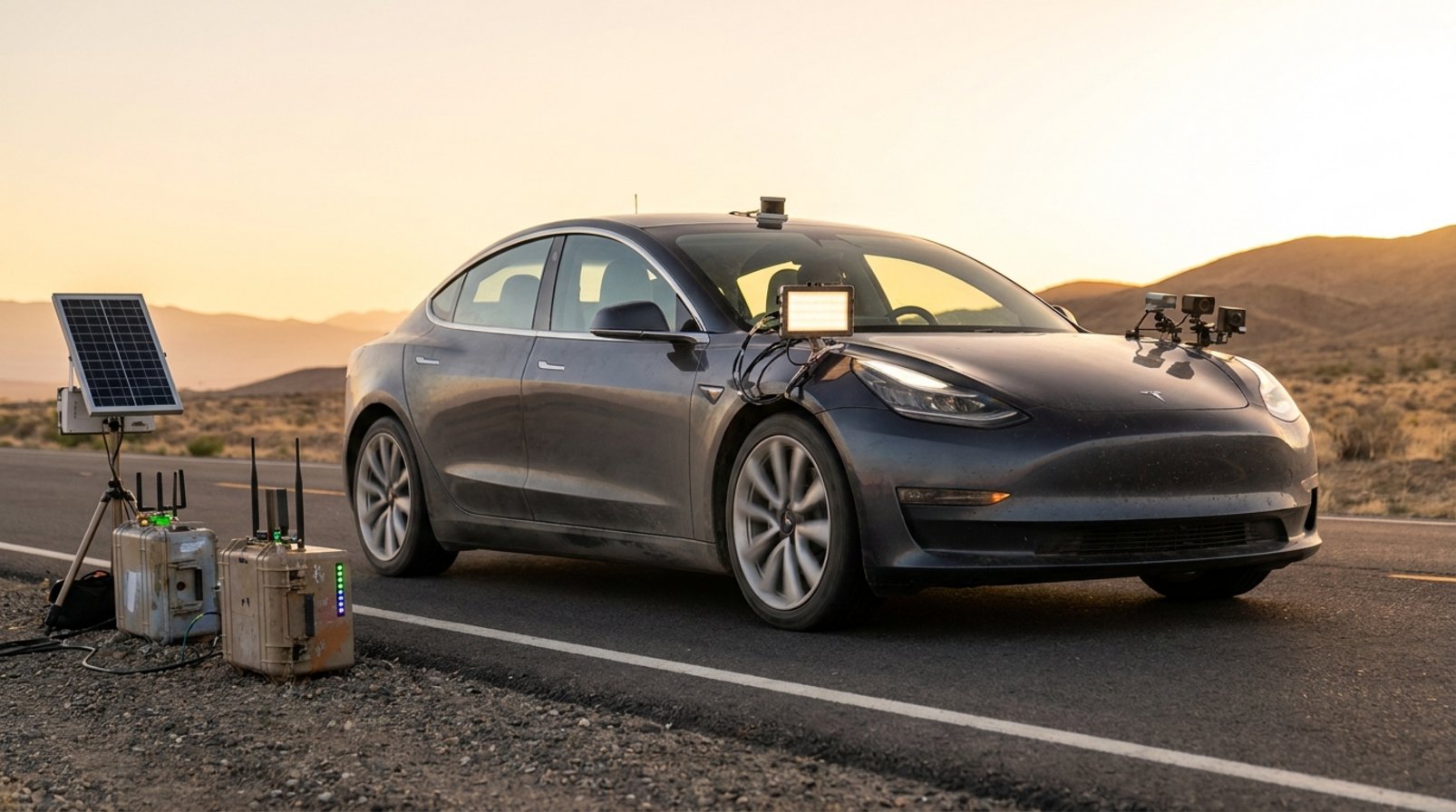
This shows Tesla is pursuing a strategy of expanding AI in depth rather than focusing only on next-generation hardware. For the electric vehicle and autonomous driving market, extending the life cycle of older devices is a strong competitive advantage, both reducing upgrade pressure and strengthening customer trust. Source: X/@elonmusk and a quote from @aelluswamy.
South Korea unveils a $1 trillion investment plan for chips and AI
BBC News reported that South Korea has just announced a $1 trillion investment plan for chips and AI. This is a major signal, showing that the AI race is increasingly being seen as a matter of national industrial infrastructure, not just a game for software companies.

As AI depends heavily on chips, power, data centers, and supply chains, investment packages like this could have a long-term impact on the global competitive balance. For Vietnamese businesses, it is a reminder that AI advantage comes not only from product ideas, but also from infrastructure capability and deployment resources. Source: BBC News (World).
Read more: AI’s race moves to infrastructure and ecosystems — what marketers must do
Pi Network launches a series of Pi2Day upgrades for infrastructure, identity, and AI
Pi Network announced that on Pi2Day 2026 it introduced new upgrades including SoloHost, Pi Sign In, and PiVerify. According to the project’s description, these tools are intended to expand blockchain infrastructure, user identity, and AI capabilities within the Pi ecosystem.

The notable point is that Pi is trying to tell a story of “practical utility” rather than stopping at token mining. For digital product communities, this approach reflects a familiar trend: tokens or platforms only have long-term value when users can use them for specific tasks, from identity verification to service access. Source: Pi Network / BSCN.
South Korea is preparing three “mega-projects” for chips, AI data centers, and robots
Polymarket reported that South Korea is preparing three “mega-projects” spanning chips, AI data centers, and robots. Although the information is described as “reportedly,” it still shows that market expectations for South Korea’s AI industrial strategy are rising sharply.
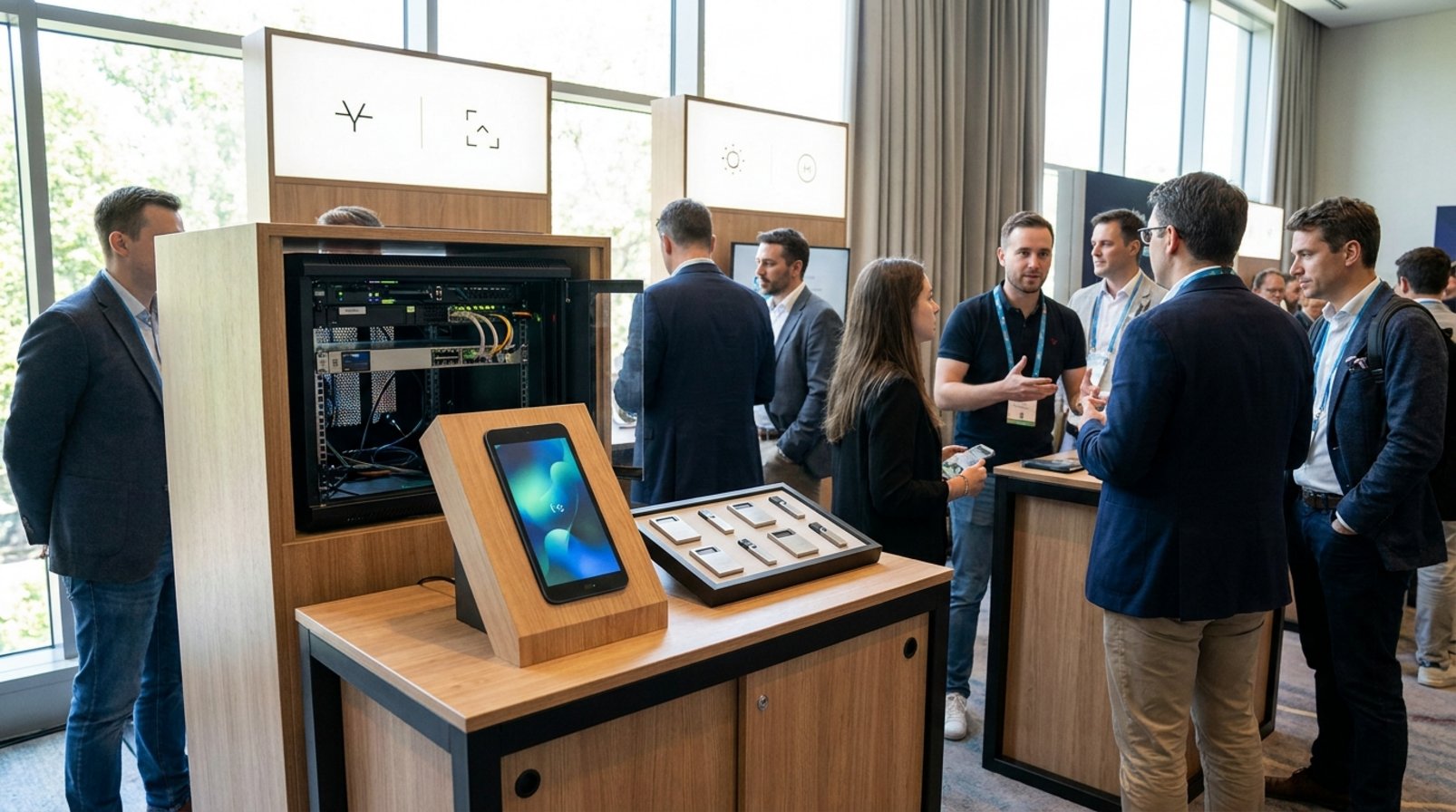
If these projects are implemented, South Korea will continue strengthening its position in the AI value chain, from hardware to compute infrastructure and automation. This is a highly notable integration model for countries looking to build comprehensive AI capabilities. Source: Polymarket.
Pi Network emphasizes the practical value of an ecosystem built around compute, AI, and identity
In its Pi2Day 2026 message, Pi Network emphasized developing useful services for third parties through blockchain infrastructure, identity verification, and a global user community. The project says this is a way to create incentives for users not only to use services but also to contribute to the broader ecosystem.
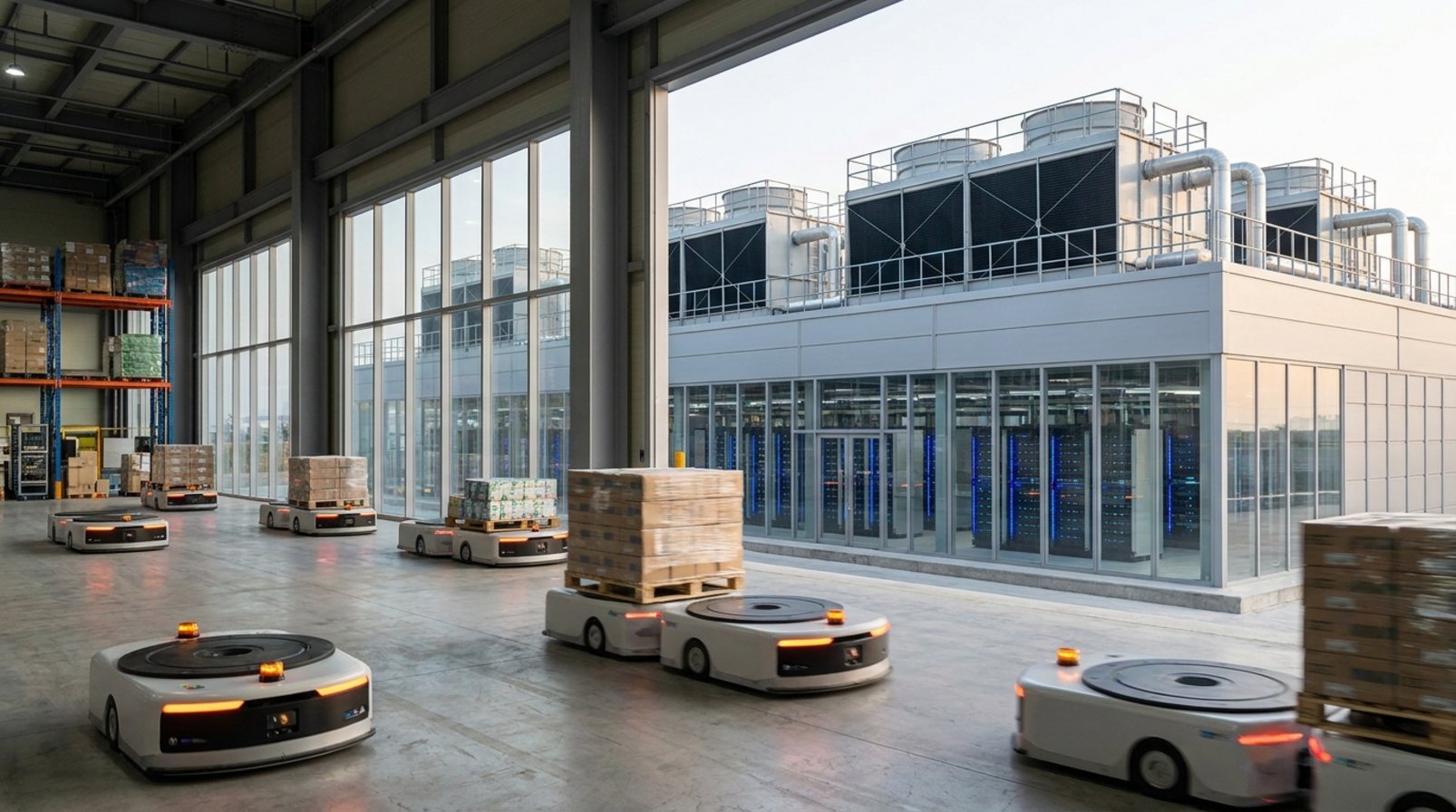
From a product marketing perspective, this is a familiar but important formula: to expand an ecosystem, you need a clear “reason to use” it. AI and digital identity only create real value when they are packaged into specific, easy-to-understand, and measurable workflows. Source: Pi Network.
Orbition Network talks about fixed OBN supply and fraud prevention in AI Mining
Orbition Network said OBN has a fixed total supply of 10 billion tokens and stressed that this is the maximum supply, not to be confused with circulating supply or immediately claimable amounts. The project also said it is reviewing invalid activity, removing farming accounts and abusive accounts to protect real participants.
Read more: The AI App Race: What Grok, GPT-5.6, Meta and Tesla Signal for Marketers
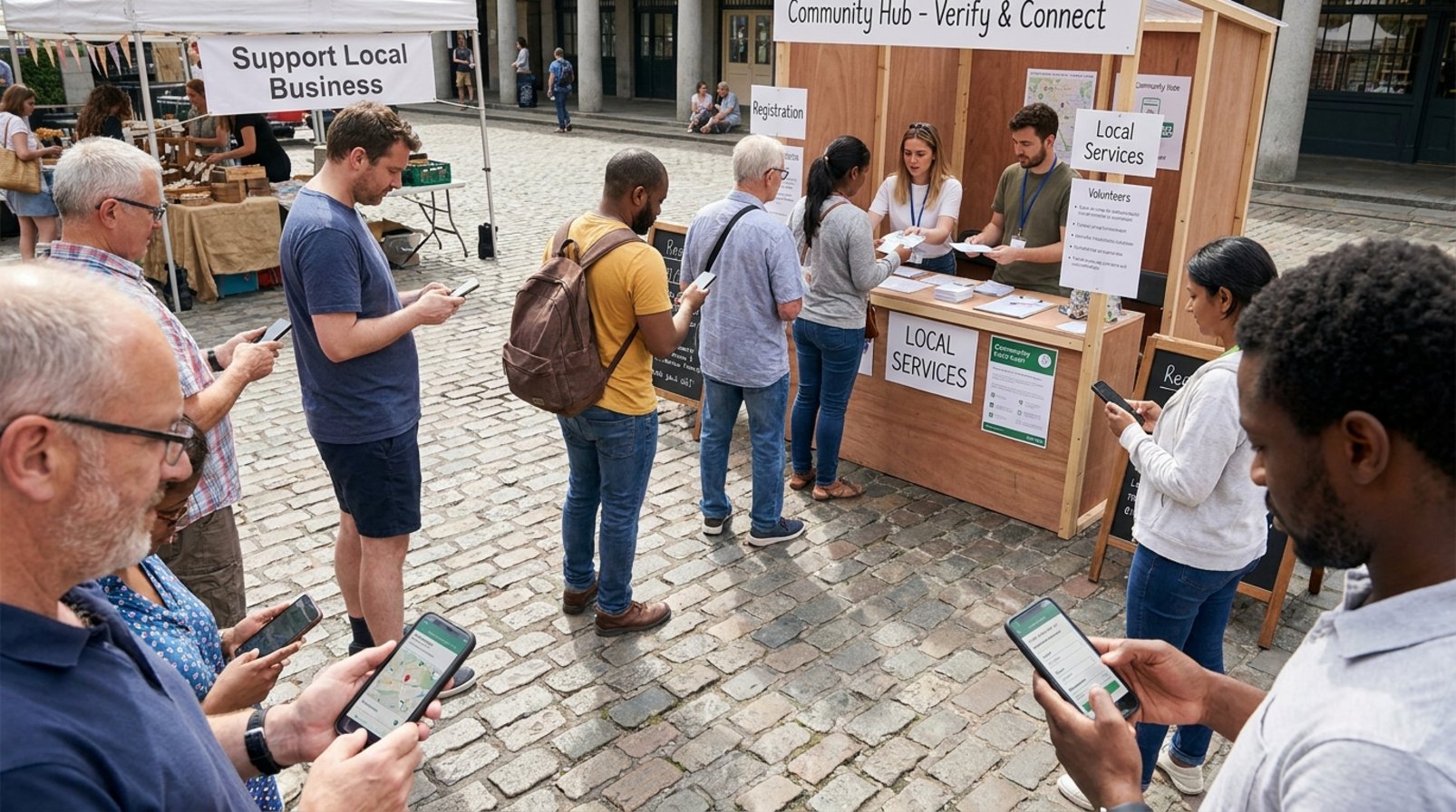
This message reflects a common challenge in AI mining or airdrop ecosystems: if fraud is not controlled, the entire incentive mechanism becomes distorted. For marketers, it is a clear example of how distribution design and abuse prevention matter just as much as the promotional message itself. Source: Orbition Network.
A three-way direction for AI in Vietnam
From the stories above, it is clear that AI is moving in three distinct directions: AI embedded deeply into real products such as self-driving cars, AI tied to national infrastructure such as chips and data centers, and AI paired with digital identity, blockchain, or community ecosystems. For Vietnamese businesses, the biggest lesson is not to treat AI as a short-term marketing slogan.
Instead, brands should focus on three things: first, choosing the right real customer problem; second, designing data, processes, and infrastructure well enough for AI to run reliably; and third, communicating transparently about the technology’s limits, especially when it involves automation, safety, and privacy. In an increasingly competitive environment, only AI that delivers clear value to users has a chance to go the distance.
Compiled sources: X (@elonmusk, @AIatMeta, @Tesla_AI, @aelluswamy, @PiCoreTeam), BBC News, BSCN, Polymarket, Orbition Network.
See more marketing news and guides at https://marketing365.vn.
Explore more marketing analysis & guides at Marketing365.
Read more articles in the same category AI Developments.
This article focuses on latest AI news with a perspective for the Vietnamese market.
References
- Elon Musk on X — post about flags and loyalty
- AI at Meta on X — Brain2Qwerty v2 update
- Elon Musk on X — post about government rules and housing
- Elon Musk on X — post about flying another country’s flag
- Elon Musk on X — Tesla AI3 memory bandwidth comment
- Elon Musk on X — Tesla FSD v14 Lite rolling out to AI3
- BBC News (World) on X — South Korea chip and AI investment plan
- BSCN on X — Pi Network Pi2Day upgrades
- Polymarket on X — South Korea mega-projects
- Pi Network on X — Pi2Day 2026 announcement
- Orbition Network on X — OBN supply and AI Mining update