

Nội dung
AI continues to show two very clear sides: on one hand, efforts to control risk and improve safety; on the other, increasingly sensitive applications in security, identity recognition, and even defense. For Vietnamese marketers, the three stories below are not just technology news, but signals of how digital trust, user data, and operating standards will be viewed more strictly in the near future.
Google DeepMind makes “AI control” a design priority
Google DeepMind said it has built an AI Control Roadmap — a framework for developing and managing advanced AI systems that Google deploys internally. What stands out in this message is that the approach no longer revolves only around the assumption that AI will always do what humans want, but instead asks the reverse question: if AI does not behave as intended, what mechanisms are needed to control it?

In practical terms, this signals that major AI research labs are moving from a “boost capability” mindset to “boost capability with control.” For businesses, this matters greatly because the deeper AI goes into operations, the greater the risks of output bias, unpredictable behavior, and lack of transparency. A strong control framework not only protects users but also helps brands avoid AI-driven crises.
Source: Google DeepMind on X, announcement of the AI Control Roadmap.
Controversy over AI’s role in defense and figures that cannot yet be widely verified
A social media post that went viral claimed that an AI system tied to data infrastructure in Memphis was used by the U.S. military in an operation in Iran, with very large figures cited for attack targets and data analysis speed. However, it should be emphasized that this is information shared via social media and the content is strongly declarative; there is currently not enough independent basis to verify it from reliable news sources in the available data.
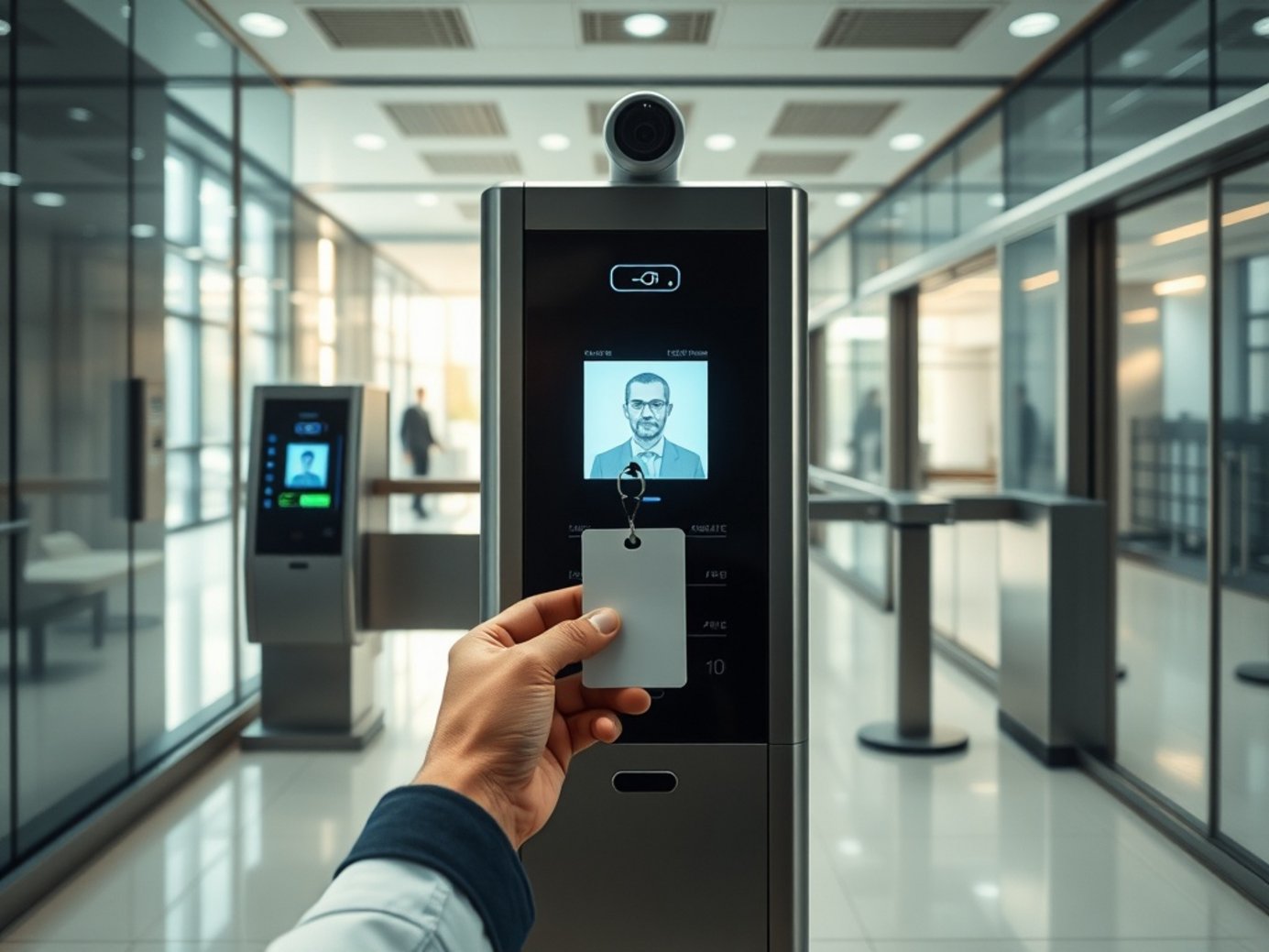
Even so, this story still reflects a broader trend: AI is being discussed more and more in security and defense contexts. This is an area where the tech industry, regulators, and the public will all demand a higher level of transparency, especially when AI is involved in decisions that directly affect people. For media and technology brands, it is a reminder that every claim about AI performance needs to be placed in a clear verification framework, avoiding the amplification of unverified information.
Editorial note: The source content in this section is a social media post, so readers should treat it as information that needs further verification, not as an independently confirmed conclusion.
Gujarat tests facial recognition to support fraud prevention and residency control
According to the posted source, police in Gujarat state (India) have introduced an AI-powered facial recognition system after a successful testing phase. The tool is said to be able to match uploaded photos against the Aadhaar database to help detect suspected illegal immigration and identity fraud.

What stands out is not the technology feature alone, but how AI is being deployed into large-scale identity verification processes. When AI is involved in recognizing people, the issue is not only speed or accuracy, but also privacy, the potential for errors, and the level of oversight by authorities. These are factors that any country or business applying AI to biometric recognition must consider carefully.
Source: Frontalforce on X, information about the Gujarat police facial recognition system.
A perspective for the Vietnamese market
The three stories above show AI moving in three parallel directions: model safety and control, public security applications, and debate over using AI in high-risk decisions. For Vietnamese businesses, the most important message is that AI should not be seen only as a productivity tool, but as infrastructure that affects customer trust.
In marketing, this is especially relevant to data collection, content personalization, customer recognition, and automated service. Businesses need clear review processes for AI-generated content, transparent disclosure when using AI in customer communication, and data safety standards from the outset. As AI becomes embedded in every touchpoint, the competitive advantage will belong to brands that are both fast and trustworthy.
In short: AI is no longer just about “what it can do,” but increasingly about “how far it is allowed to go” and “who is responsible if something goes wrong.” This is the context that marketers, managers, and technology teams in Vietnam need to follow closely.
See more marketing news and guides at https://marketing365.vn.
Follow more updates from Marketing365 to stay up to date with the latest marketing trends.
Read more articles in the same category Động thái AI.
This article focuses on tin AI mới with a perspective for the Vietnamese market.
References
- Google DeepMind on X: AI Control Roadmap
- Mr. Pool on X: statement about AI and Pentagon operations
- Frontalforce on X: Gujarat Police AI facial recognition system