

Contents
- Squidsoup and how AI/digital technology is turning art into a living experience
- Palantir and the bigger debate over AI, technological sovereignty, and infrastructure dependence
- RPSAI shows AI moving deeper into gaming and interactive entertainment
- AI is moving into culture, infrastructure and entertainment as a new experience layer
- References
Three new signals from international sources show that AI is no longer just a story about models or chatbots. It is moving into performance art, national-level technology strategy debates, and even the gaming and interactive entertainment market — areas Vietnamese marketers should watch to understand how AI is creating new experiences, brand value, and monetization models.
What stands out is that all three stories reflect a common trend: AI is increasingly being packaged into concrete experiences, rather than remaining an abstract technical capability. For businesses and marketers, this is the time to view AI as a tool for storytelling, product distribution, and redefining technology dependence.
Key points
- Squidsoup uses AI/digital technology to create immersive art experiences with sound, light, and space.
- Palantir has become the focus of debate over technological sovereignty and dependence on U.S. digital infrastructure.
- RPSAI shows that AI is being commercialized in interactive games, combining entertainment with rewards and community.
- Vietnamese marketers can draw lessons about experience, brand trust, and how AI creates new products across industries.
Squidsoup and how AI/digital technology is turning art into a living experience
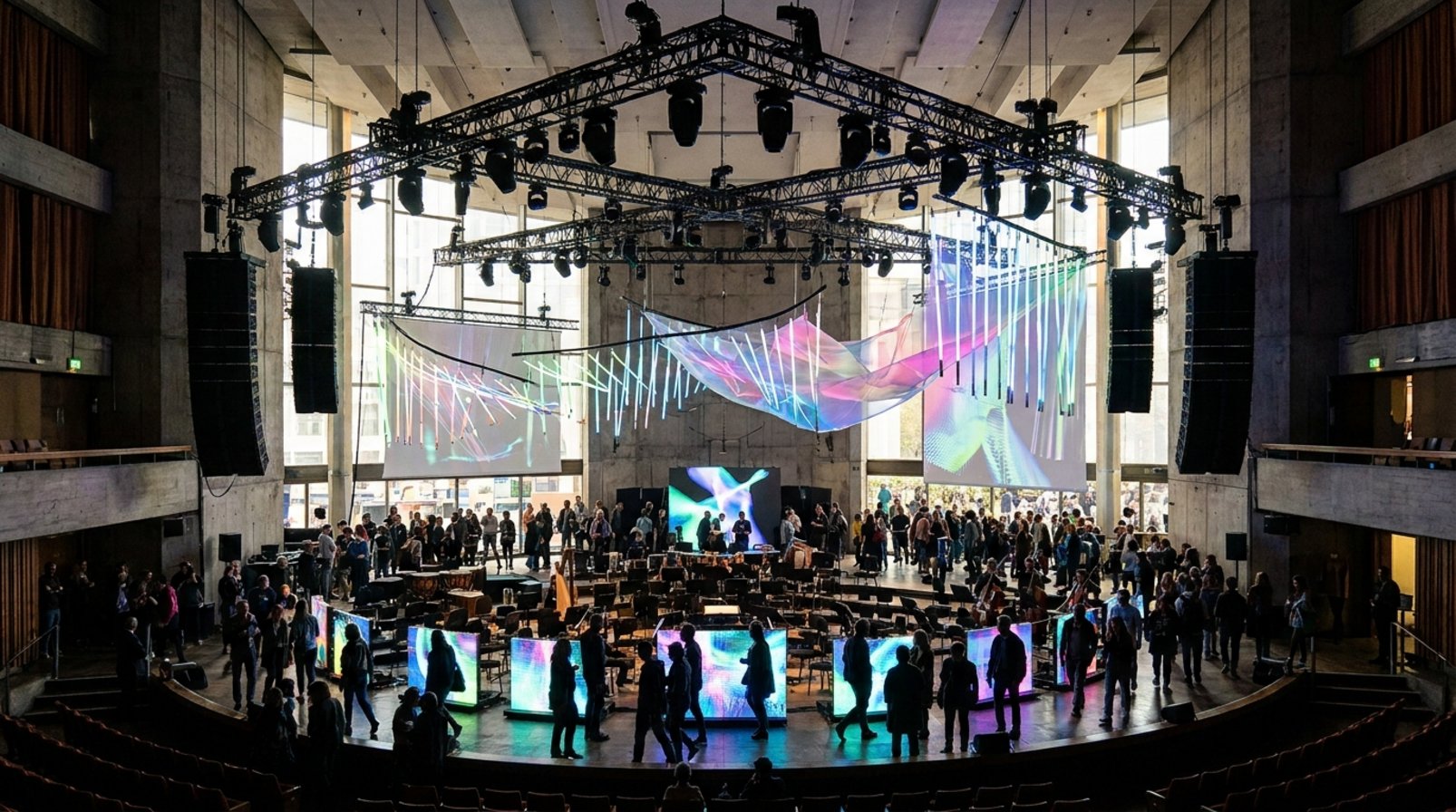
In a share from Claude, Squidsoup is introduced as a collective of artists and designers specializing in immersive experiences through sound, light, and space. They were recently mentioned ahead of a major project: a live performance with an orchestra at Southbank Centre in London.
The key point here is not just a large-scale art show, but how technology — including AI and digital creative tools — is helping art move beyond the traditional viewing frame. Audiences no longer simply “look at” the work; they step inside it, interacting with layers of sound, light, and context designed as an emotional journey.
For media and marketing, this story points to a very clear direction: turning content into an experience. When technology helps create immersion, brands can tell stories better, build stronger recall, and turn a cultural event into a media asset that spreads across multiple channels.
Source: Claude (@claudeai) on X: x.com/claudeai/status/2073028947478995406
Palantir and the bigger debate over AI, technological sovereignty, and infrastructure dependence
In the second story, Arnaud Bertrand argues that Palantir’s new narrative may be more important than many people think. From this perspective, Palantir reflects two major assumptions in today’s U.S. economy: whether AI labs can truly generate significant “economic rents,” and whether other countries will accept structural dependence on U.S. technology without reacting out of concern for digital sovereignty.
The content referenced shows a clear trend: many European countries are reducing their dependence on Palantir. France is said to be replacing Palantir with ChapsVision in a domestic intelligence agency; Germany has also chosen ChapsVision instead of Palantir in some security systems, while the German military is reportedly no longer using Palantir. More recently, Spain was also mentioned as having instructed state-owned strategic enterprises to avoid signing new contracts with Palantir.
This is a highly relevant signal for marketers and technology companies: in the AI era, the question is not only “is it powerful or not,” but also “who controls the data, infrastructure, and ability to switch.” Brand trust in high-tech therefore becomes closely tied to transparency, compliance, and how well a solution fits each market’s legal context.
Source: Arnaud Bertrand (@RnaudBertrand) on X: x.com/RnaudBertrand/status/2072964558302687569
RPSAI shows AI moving deeper into gaming and interactive entertainment
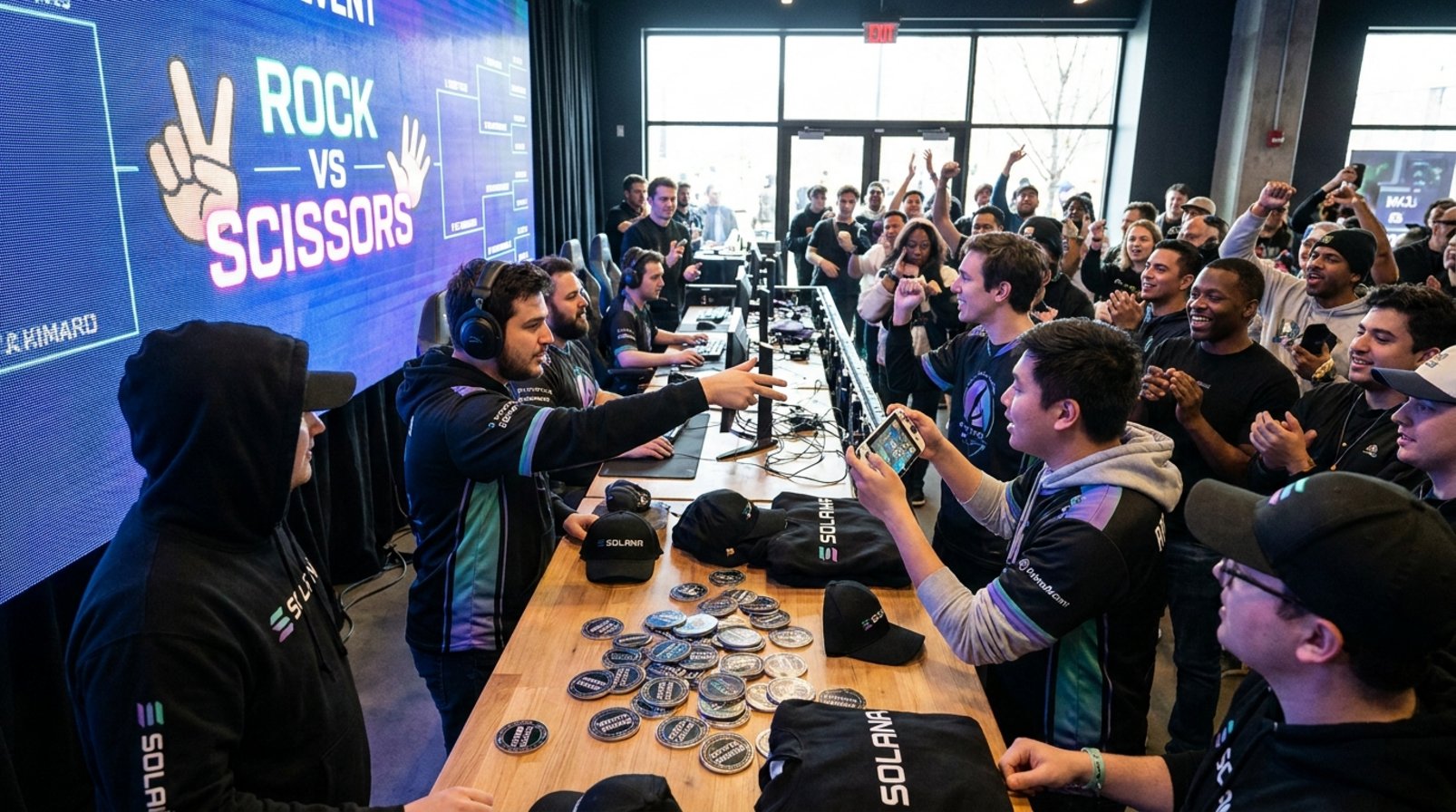
The third source comes from OpenName|RPSAI, with the announcement of a rock-paper-scissors-style game powered by AI technology. According to the description, players can battle AI-generated video opponents anywhere, anytime, while also engaging with mechanics tied to airdrops, freemint, and rewards related to a Solana meme coin.
Read more: Why AI is becoming an infrastructure cost, not just a tool, for marketing teams
Read more: AI Is Moving Into Everyday Marketing Workflows, Not Just Benchmarks

Although this is clearly a crypto-flavored product, the story still points to an important reality: AI is being packaged into simple, easy-to-understand, highly shareable entertainment experiences. Instead of asking users to learn a complex tool, the product takes a familiar route — a classic game — and upgrades it with AI opponents and community and reward elements.
For the marketing industry, this approach reflects an important product-led growth lesson: the easier it is to join, the easier it is to share. When AI helps create dynamic, personalized, or real-time competitive content, the experience becomes more compelling than purely message-driven promotion.
Source: OpenName|RPSAI (@openname_ai) on X: x.com/openname_ai/status/2072888035373629927
AI is moving into culture, infrastructure and entertainment as a new experience layer
These three stories show that AI is no longer being seen as a single trend, but is penetrating multiple layers of the market: culture, infrastructure, and entertainment. For Vietnamese businesses, the lesson is not just to “use AI,” but to use AI to create meaningful experiences while ensuring trust and relevance for users.
In brand communications, immersive models like Squidsoup suggest that combining technology and emotion can create very strong reach. In technology, the debate around Palantir reminds Vietnamese companies of the importance of data, compliance, and partner selection. And in entertainment, RPSAI shows that easy-to-play, easy-to-understand AI products can open up opportunities for rapid community growth if the interaction loop is designed well.
In short, Vietnamese marketers should see AI as an “experience layer,” not just an operational optimization tool. Those who can turn AI into something memorable, trustworthy, and shareable will have a clear advantage in the next phase.
Explore more marketing analysis & guides at Marketing365.
Follow Marketing365 for ongoing marketing analysis.
Read more articles in the same category AI developments.
This article focuses on new AI news with a perspective for the Vietnamese market.
References
- Squidsoup is a collective of artists and designers who make immersive experiences with sound, light and… — Claude (@claudeai)
- After reflection, this new narrative by Palantir is probably much more consequential than people may assume.… — Arnaud Bertrand (@RnaudBertrand)
- We’ve launched a classic game- #RPSAI Powered by #AI technology, it lets you battle against AI video… — OpenName|RPSAI (@openname_ai)