
Contents
- OpenAI says GPT-5.6 is a major step forward for AI in healthcare
- OpenAI had to adjust usage limit allocation after user feedback
- Grok 4.5 emerges as a cheaper orchestrator in agent workflows
- SpaceX continues turning Starship into a mainstream media story
- NVIDIA says AI factories could become part of the energy solution
- OpenAI Build Week kicks off, bringing the developer community in
- Meta removes an AI feature on Instagram after backlash
- GPT-5.6 continues to be highlighted by OpenAI for performance and cost
- Cursor introduces side chats to avoid breaking workflow
- Open-weight models are increasing their share of token usage
- GPT-5.6 Sol Ultra draws attention with a solution to a 50-year problem
- OpenAI continues to highlight Sol Ultra’s mathematical milestone
- Perplexity puts Grok 4.5 in the orchestrator role
- GPT-5.6 is being used to handle a coding task of nearly 1,000 lines
- Google AI Studio now supports direct GitHub repo import
- OpenAI is reportedly offering a $50,000 bounty for jailbreak research
- A Pentagon-released UFO video continues to spark debate
- OpenAI turns Bio Bug Bounty into a long-term private program
- OpenAI quickly fixes friction points in ChatGPT Work and Codex
- Meta launches Muse Spark 1.1 to compete on price
- OpenAI says AI is making knowledge work lighter
- OpenAI Build Week pulls builders worldwide into the race
- ChatGPT Work is positioned as consumer-scale AI agents
- The market’s big question: it needs a smart model router
- Google DeepMind continues pushing interpretability research
- Beep integrates Muse Spark for agentic trading
- Elon Musk says Grok is closing the loop on real-world use cases
- NVIDIA stresses that power is the real bottleneck of the AI era
- OpenAI opens an AMA on GPT-5.6, Codex, and computer use
- Google AI tests Project Genie based on Street View
- Perplexity adds a tool for tracking credit costs
- Google AI Studio now lets deployed apps have custom URLs
- ChatGPT Voice is seen as a major step toward a more natural interface
- Melius and the creative challenge in the AI era
- Fidji Simo steps down from a full-time role at OpenAI for health reasons
- TCS and the way AI is revaluing jobs
- Musk changes tone, praising Anthropic as the AI leader
- Meta announces a $13 billion AI data center in Alberta
- GPT-5.6 becomes the preferred model in Microsoft 365 Copilot
- AI is entering a phase of governance by model choice, cost and control
- References
As of July 2026, the wave of AI updates shows the race is no longer just about which model is smarter, but about three very practical dimensions: cost, operability and how deeply AI integrates into daily work. For Vietnamese marketers, this is an important signal because AI is moving from experimentation to work infrastructure, directly affecting content, automation, customer care and cost management.
Key points
- OpenAI is pushing GPT-5.6 with highlights in reasoning power, healthcare, coding, and lower costs in some configurations.
- Grok 4.5, Muse Spark 1.1, and moves from Perplexity, Meta, and Google show the market is entering a “many models, many choices” phase.
- User experience, usage limits, biosecurity, and model explainability are becoming the new competitive battlegrounds.
- For Vietnamese businesses, the advantage is not in chasing every model, but in choosing the right model, the right workflow, and the right business objective.
OpenAI says GPT-5.6 is a major step forward for AI in healthcare
OpenAI said GPT-5.6 is a significant step forward in “health intelligence,” while also emphasizing that the GPT-5.6 Luna line delivers higher performance than GPT-5.5 at the strongest reasoning level but at a much lower cost. The message here is not only about upgrading capability, but about expanding access to premium models for more user groups. For the market, this is a sign that AI is shifting from “expensive and rare” to “cheaper and more widely available” in advanced tasks. Source: OpenAI, Greg Brockman. See [8], [1]
OpenAI had to adjust usage limit allocation after user feedback
Right after the latest updates to ChatGPT Work and Codex, OpenAI acknowledged several implementation issues: users could easily choose the highest compute level without clearly seeing the impact on usage limits, the desktop interface had been rearranged so familiar items were harder to find, and some multi-agent workflows were affected. The company said it has reset usage limits and will continue adjusting defaults, the model picker, and plugin bugs. This is a classic example of the AI product challenge: the model may be extremely valuable, but if the experience is rough, users will react immediately. Source: Tibo / Greg Brockman. See [2], [19]
Grok 4.5 emerges as a cheaper orchestrator in agent workflows
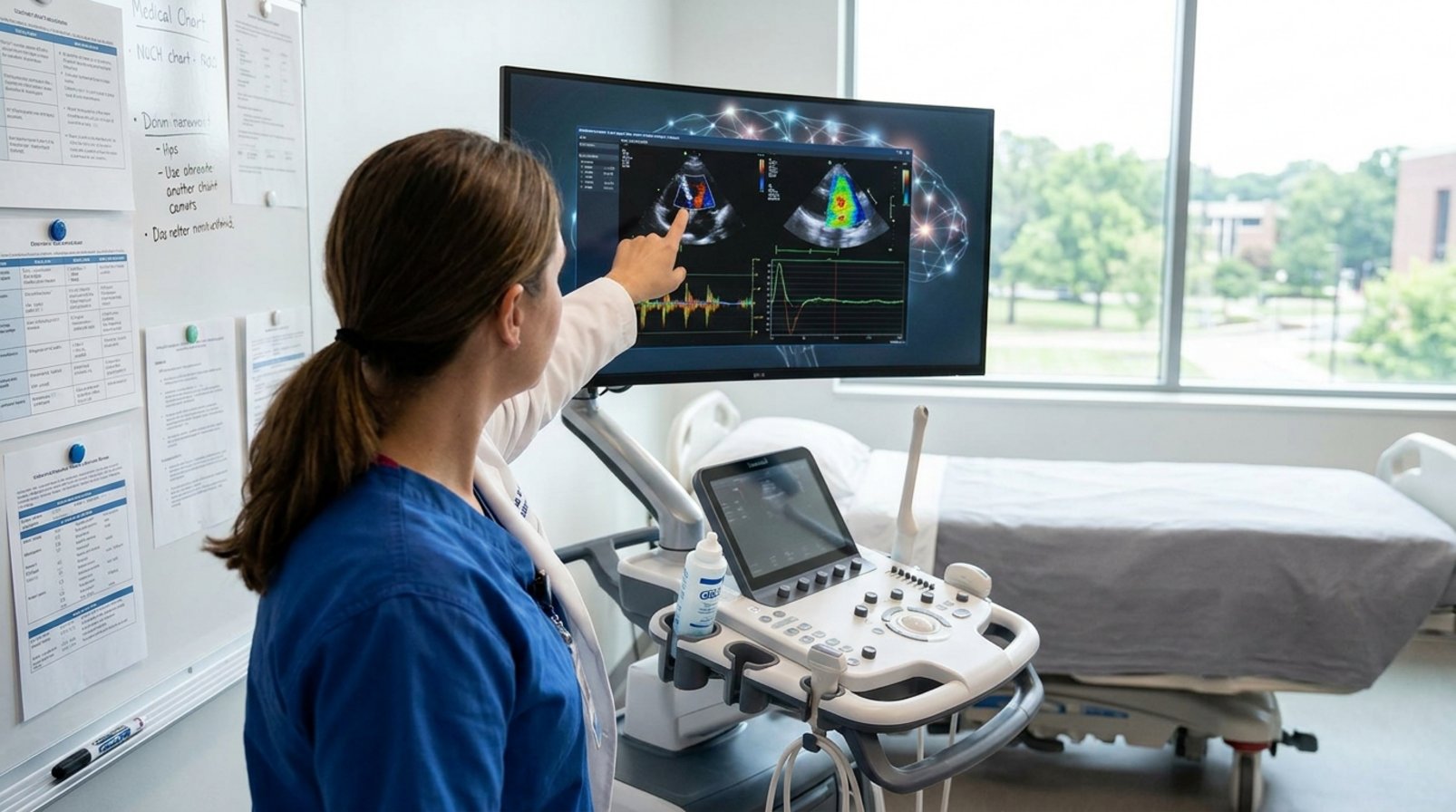
Elon Musk and Perplexity both emphasized that Grok 4.5 has just been used as an orchestrator model in Perplexity Computer, while also scoring higher than many other configurations in the WANDR evaluation at roughly half the cost of Opus 4.8. The notable point is that the game is no longer just about “better chat,” but about “better orchestration of the whole workflow” at a reasonable cost. This is a direction worth watching for businesses that want to automate complex task chains such as research, summarization, classification, or decision support. Source: Perplexity, Elon Musk. See [3], [13], [27]

SpaceX continues turning Starship into a mainstream media story
Elon Musk noted that anyone can visit the Starship factory and launch site in Texas because it sits right next to the public road, while also sharing that SpaceX has released the next episode of its Starship docuseries. Although this is not an AI update in the narrow sense, it shows an important trend: major tech companies are telling product stories in a “series” format to build community and public trust. For marketers, this is a lesson in how to turn complex technology into content that is watchable, emotional, and educational. Source: Elon Musk, Sawyer Merritt. See [4]
NVIDIA says AI factories could become part of the energy solution
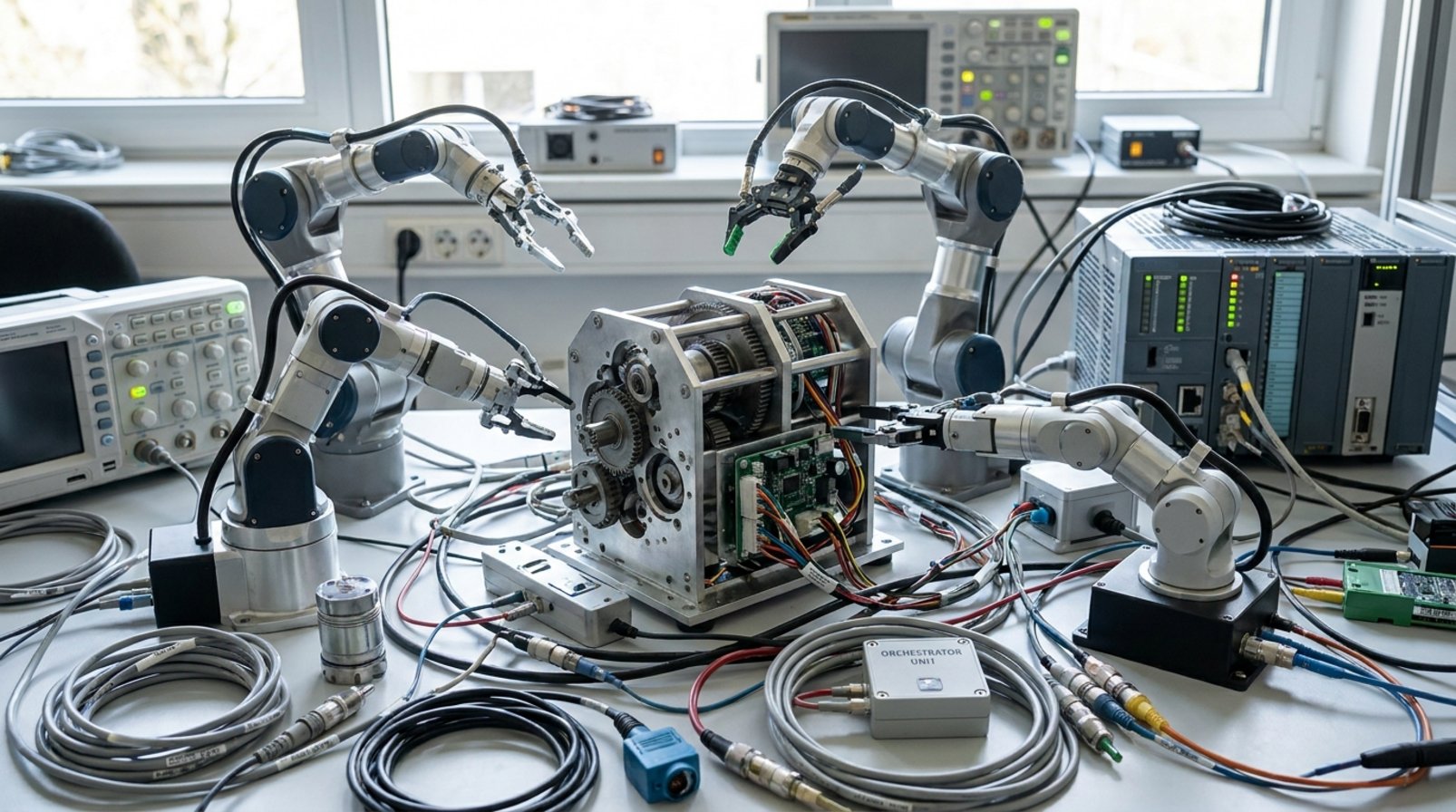
NVIDIA argues that AI factories do not necessarily have to be a burden on the power grid; with new designs such as Emerald AI’s Conductor platform, they can operate flexibly based on electricity demand and help speed deployment without disrupting existing needs. At the same time, NVIDIA continues to stress that AI infrastructure is a story of “power, chips, data centers, and models.” This is a clear reminder that AI growth now depends not only on software, but also on energy capacity and physical infrastructure. Source: NVIDIA. See [5], [28]
OpenAI Build Week kicks off, bringing the developer community in
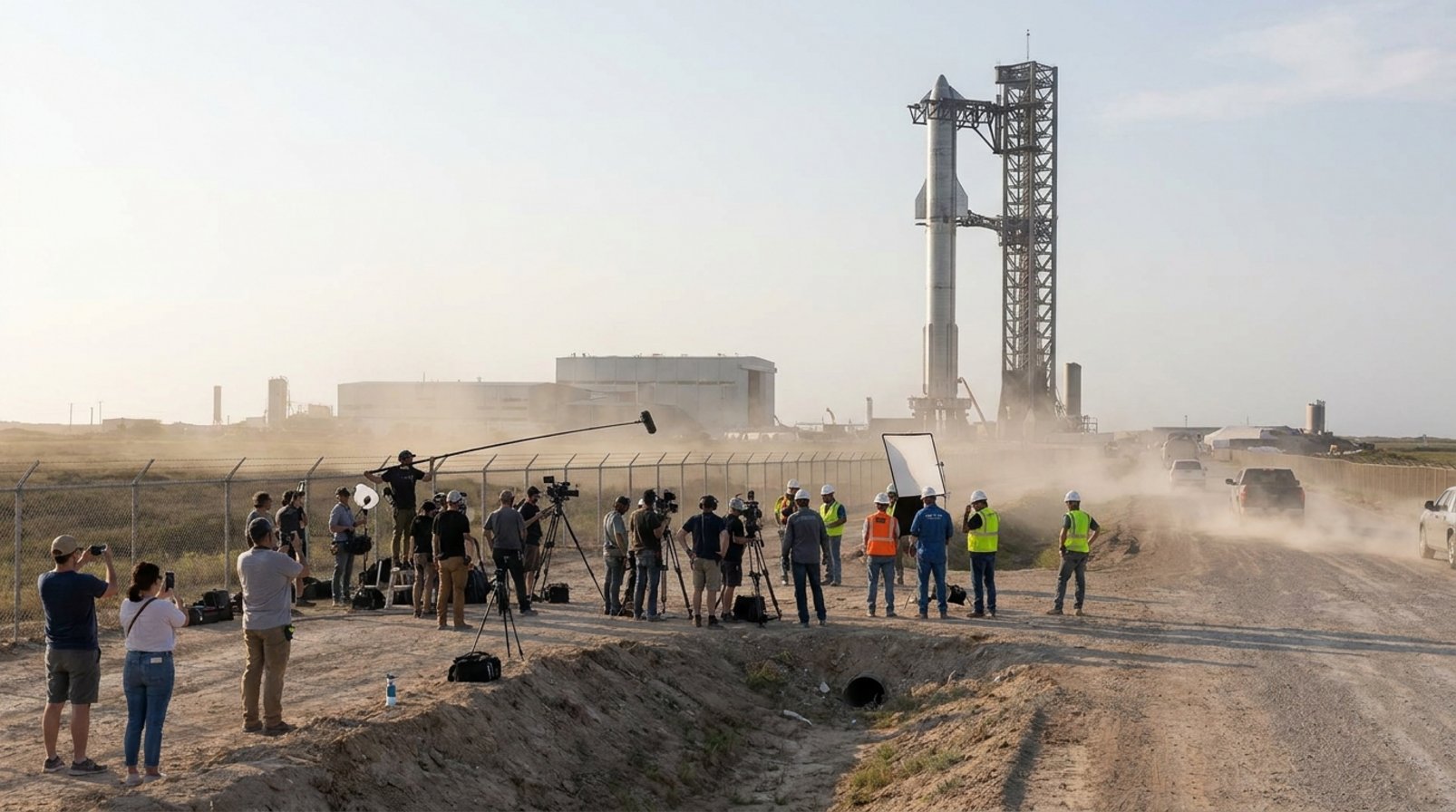
OpenAI announced that Build Week starts on Monday, along with two livestreams to guide users in building products, seeing Codex and GPT-5.6 in action, and choosing hackathon topics. This approach shows that AI platforms are competing not only on models, but also on learning ecosystems, communities, and deployment tools. For marketers and founders, this is a chance to observe the new use cases that will emerge from the builder community, especially in automation, agents, and content. Source: OpenAI Developers, Greg Brockman. See [6], [22], [29]

Meta removes an AI feature on Instagram after backlash
Meta said it has removed a new feature in Meta AI after users reacted strongly. The feature allowed image generation by @-mentioning public Instagram accounts to reference content, but the company admitted it “missed the mark” with users. The incident shows that in the AI era, privacy and contextual control have become highly sensitive boundaries. For brands, it is a reminder that any AI feature involving personal data or public content must be designed with extreme care. Source: Meta / Culture Crave. See [7]
GPT-5.6 continues to be highlighted by OpenAI for performance and cost
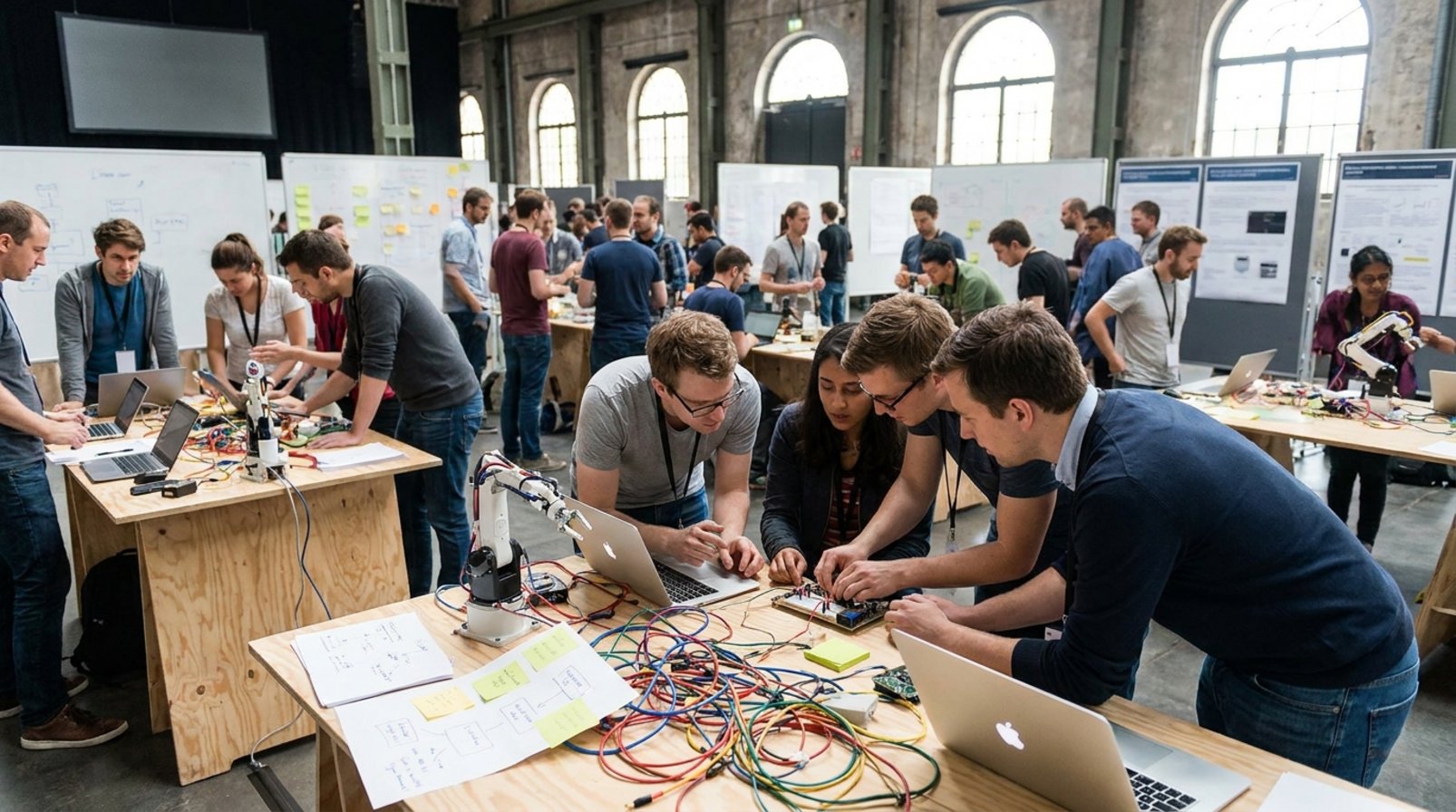
OpenAI repeated the message that GPT-5.6 is a major step forward for healthcare AI and that GPT-5.6 Luna outperforms GPT-5.5 at the highest reasoning level while costing many times less. When a company repeatedly emphasizes both quality and price, it usually signals that competitive pressure is intensifying on the value-for-money front. For businesses, this creates an opportunity to test use cases that were previously too expensive, from advisory support to deep document analysis. Source: OpenAI. See [8]
Cursor introduces side chats to avoid breaking workflow
Cursor has launched side chats, allowing users to ask questions or explore ideas without interrupting the main conversation. Each side chat is a persistent agentic thread that can be brought back into the main thread when needed. This is a very notable interface improvement because it addresses the “work context” problem in AI environments: users need to think, experiment, and keep the main thread intact at the same time. For marketing and content teams, this kind of design can make brainstorming and draft review much smoother. Source: Cursor. See [9]

Open-weight models are increasing their share of token usage
Ollama says token usage is gradually shifting toward open models, and Peter Fenton predicts that most tokens in the future will come from open models. The accompanying analysis makes an interesting point: large labs still have an advantage thanks to a bundled package of model, compute, reliability, and accessibility; but if compute supply becomes less scarce and tooling for open models gets easier, everyday tasks will move to cheaper and more open models. This is an important strategic signal for Vietnamese businesses building cost-efficient AI architectures. Source: Ollama, dee_bosa. See [10]

GPT-5.6 Sol Ultra draws attention with a solution to a 50-year problem
Several accounts in the AI community said GPT-5.6 Sol Ultra produced a proof for a mathematical conjecture that had remained unsolved for 50 years, using 64 subagents in about an hour. Although the solution still needs independent verification, what stands out is that the model has been made public and is far more accessible than previous systems. If confirmed, this would mark a milestone showing AI is moving from solving familiar problems to generating new knowledge. For the marketing industry, that underscores that AI is not just a writing tool but also a tool for research, analysis, and simulation. Source: Chubby, polynoamial. See [11]
OpenAI continues to highlight Sol Ultra’s mathematical milestone
Greg Brockman shared that the limits of what can be done with AI are increasingly dependent on human ambition and imagination. At the same time, OpenAI announced that GPT-5.6 Sol Ultra solved the 50-year-old Cycle Double Cover conjecture using 64 subagents in under an hour and shared the prompt and proof for the community to inspect. This communication style does more than showcase model capability; it invites the community to help verify it. That is a useful approach to learn from: if you want to build trust in AI, provide data, methods, and reproducibility. Source: Greg Brockman, OpenAI. See [12]
Perplexity puts Grok 4.5 in the orchestrator role
Perplexity confirmed that Grok 4.5 is now available as an orchestrator model for Consumer Pro and Max users, while also highlighting the WANDR evaluation result: higher than every other configuration at roughly half the cost of Opus 4.8. The fact that search and agent platforms are quickly integrating new models shows how fast AI commercialization is moving. Vietnamese businesses need to adopt a “plug-and-play” mindset for rapid testing, rather than waiting for a perfect solution before deploying. Source: Perplexity. See [13]
GPT-5.6 is being used to handle a coding task of nearly 1,000 lines
OpenAI Developers shared an example of GPT-5.6 handling a complex programming task of nearly 1,000 lines for Ankit Aich of SnorkelAI from start to finish without repeated prompting or constant supervision. This is fairly clear evidence of the trend from AI as “suggestion” to AI as “execution,” meaning the model does not just answer but completes a structured task end to end. For product teams and marketing automation teams, this opens the door to automating heavier technical tasks than before. Source: OpenAI Developers. See [14]

Google AI Studio now supports direct GitHub repo import
Google AI Developers said Google AI Studio now supports direct import of repositories from GitHub, allowing users to bring an entire codebase into the context window and start building faster. This is a very practical improvement because it cuts down preparation steps and reduces friction for developers testing AI on real projects. For businesses, the closer tools are to existing workflows, the more likely they are to be adopted. Source: Google AI Developers. See [15]
OpenAI is reportedly offering a $50,000 bounty for jailbreak research
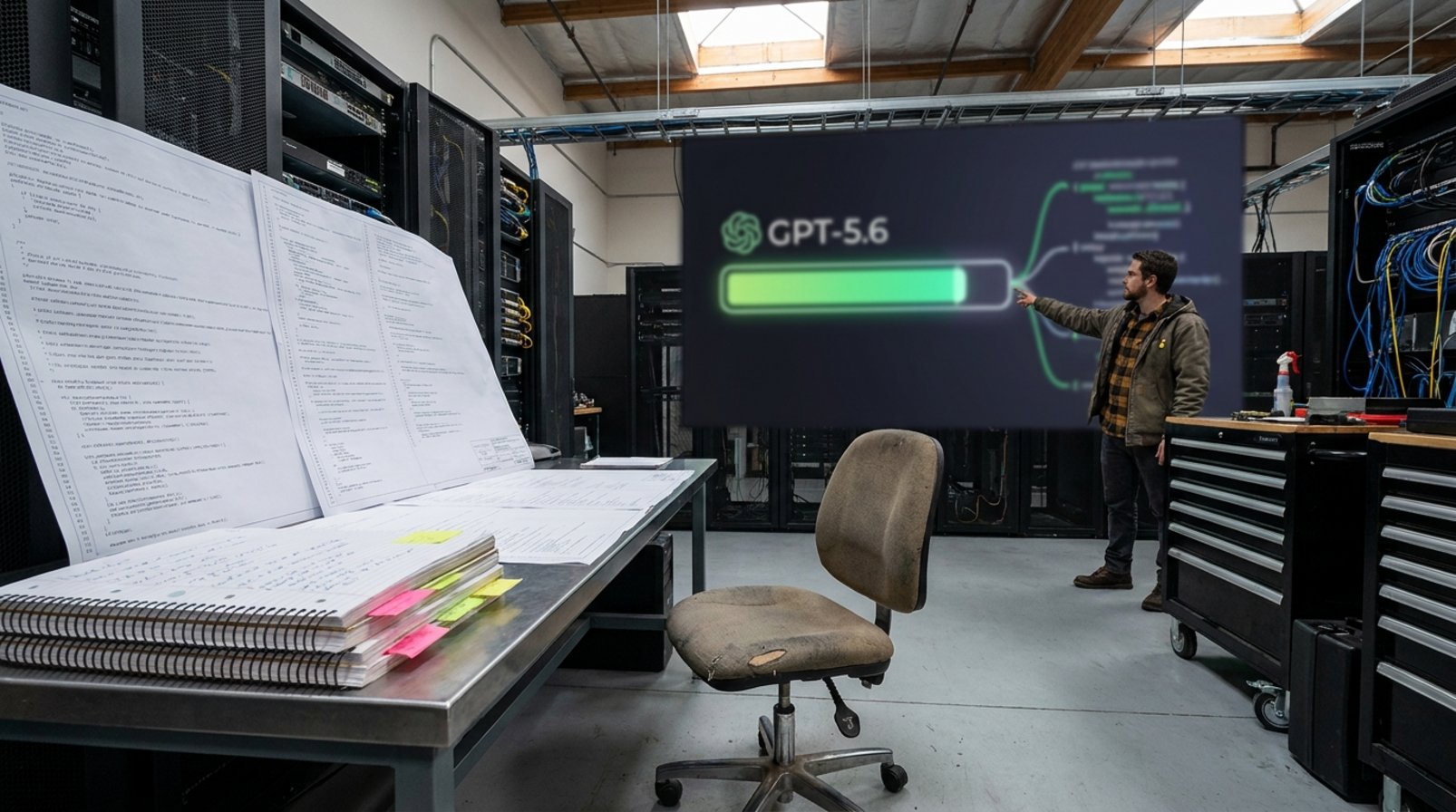
According to the cited source, OpenAI is offering a $50,000 reward to anyone who can “universally jailbreak” the biosafety protections of GPT-5.6. While this still needs to be tracked through an official announcement, the move reflects an important trend: AI safety is being organized as a collaborative effort with the security and red-team community, rather than relying only on internal testing. For technology marketers, this is a high-stakes topic because user trust is closely tied to how companies protect their models. Source: Polymarket, OpenAI. See [16], [18]
A Pentagon-released UFO video continues to spark debate
The viral content around an AI render and a UFO video released by the Pentagon shows that the public is still easily drawn in by high-tech visuals that lack verification context. Although this is not a pure AI product story, it reflects a very modern issue: AI makes visual content more convincing, so the need to verify sources becomes even more important. For marketers, this is a strong reminder of the responsibility involved in using generative imagery in communications. Source: Interstellar UAP. See [17]
OpenAI turns Bio Bug Bounty into a long-term private program
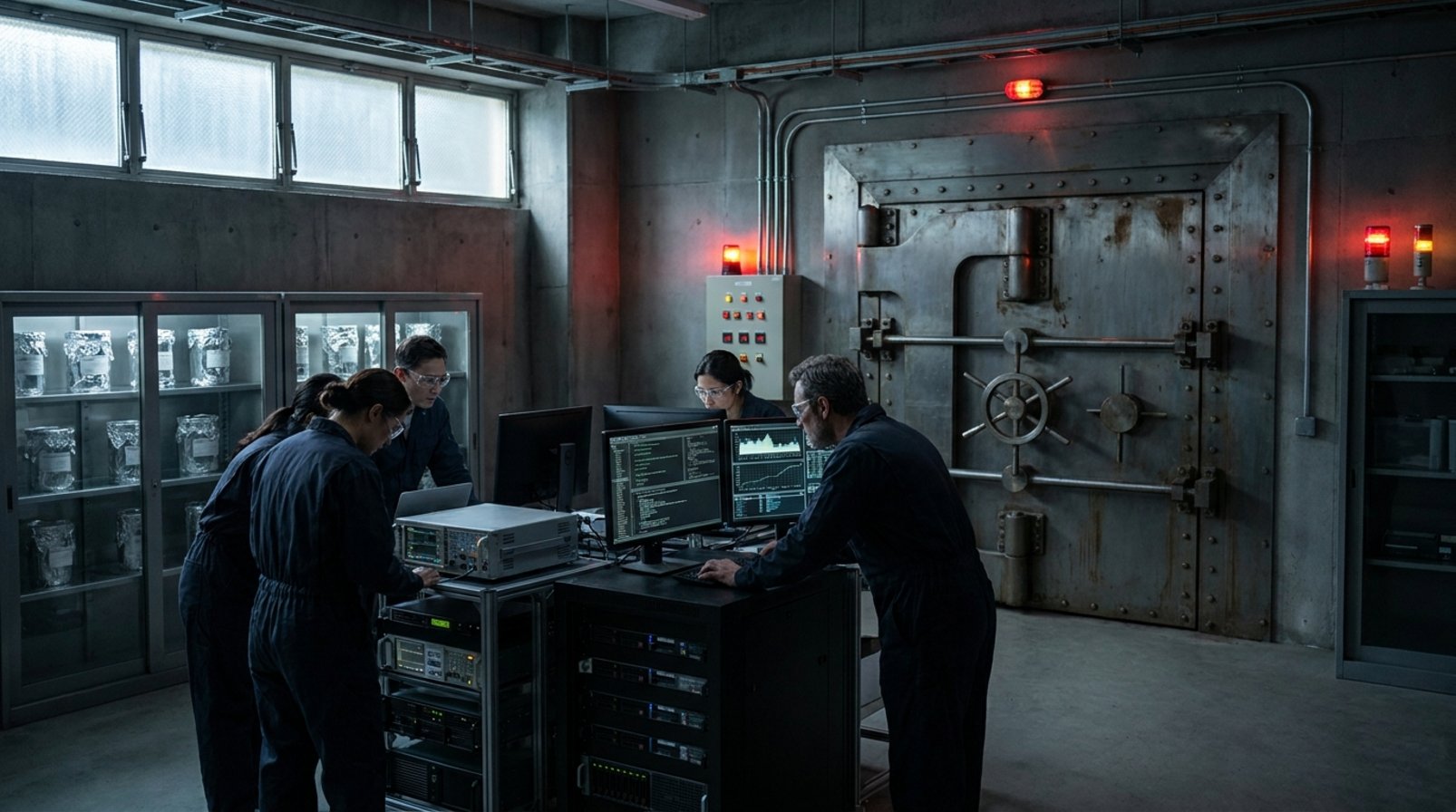
OpenAI said it will upgrade Bio Bug Bounty into a private program called OpenAI Bio Bug Bounty, while also increasing the reward to $50,000. The company is inviting researchers with experience in AI red teaming, security, or biosecurity to try to break the default safety test on frontier models. This shows that frontier models are bringing a higher level of risk management rigor, especially in sensitive fields like biology. For businesses, it is a sign that “safe AI” is becoming a competitive capability, not just a compliance requirement. Source: OpenAI. See [18]

OpenAI quickly fixes friction points in ChatGPT Work and Codex
OpenAI continued updating users that it had read feedback, reviewed usage patterns, and identified several issues: the high-compute option was not clear enough, the desktop layout made familiar features harder to find, and some multi-agent workflows had regressed. The company’s willingness to fix things the same day shows how sensitive the AI market has become to user experience. For Vietnamese businesses, the lesson is to design rollout plans with short feedback loops and avoid pushing new tools too quickly without guidance. Source: Tibo / OpenAI. See [19], [2]
Meta launches Muse Spark 1.1 to compete on price
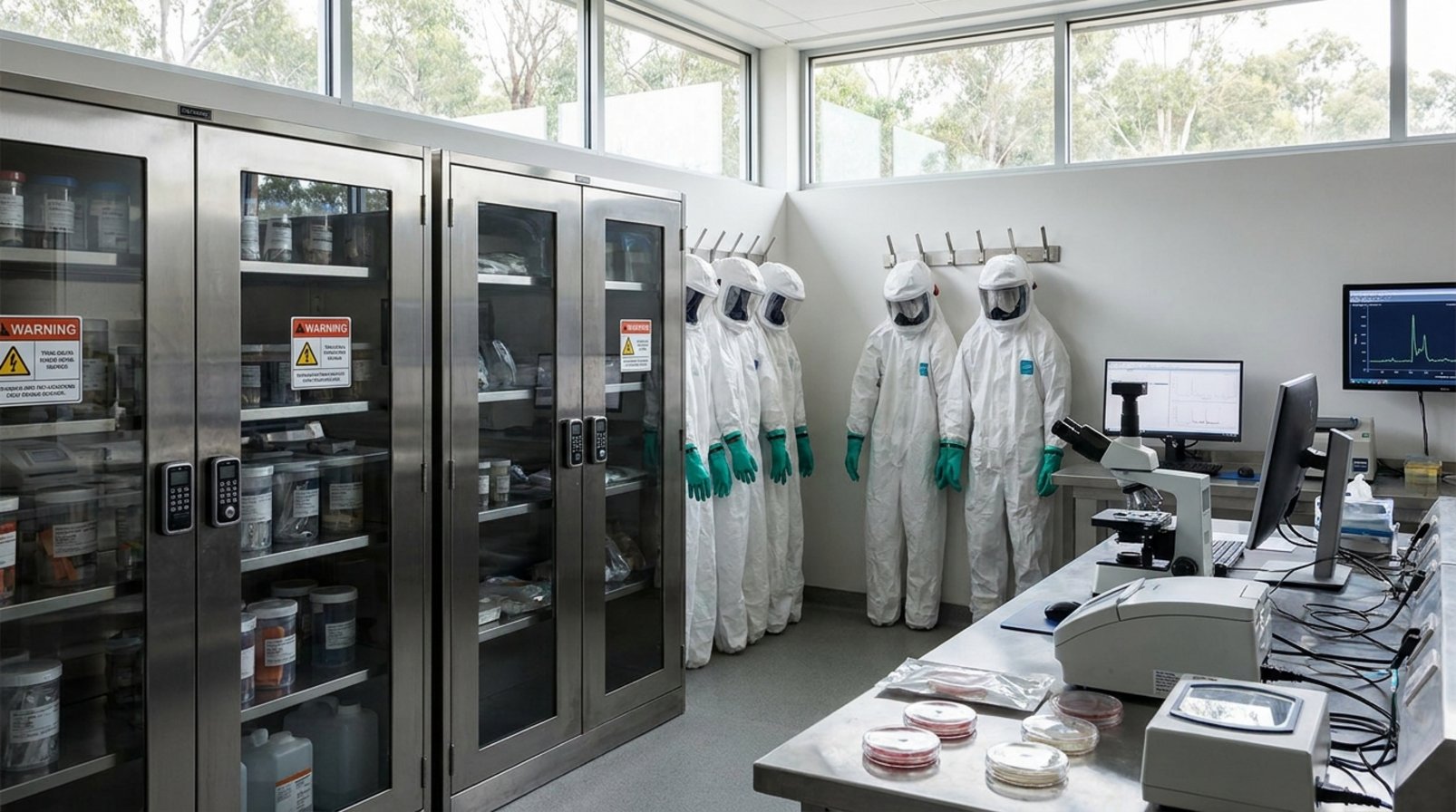
According to Meta’s own sharing, Muse Spark 1.1 is a strong agentic and coding model at a low price, available through Meta Model API and Meta AI. Some market commentary sees this as a sign that Meta is using its massive compute investment to drive prices down. While the exact assessment still depends on benchmarks and use cases, the move shows that AI competition is increasingly about who can deliver strong capability at a low enough price to scale usage. Source: Meta / Rowan Cheung. See [20], [26]
OpenAI says AI is making knowledge work lighter
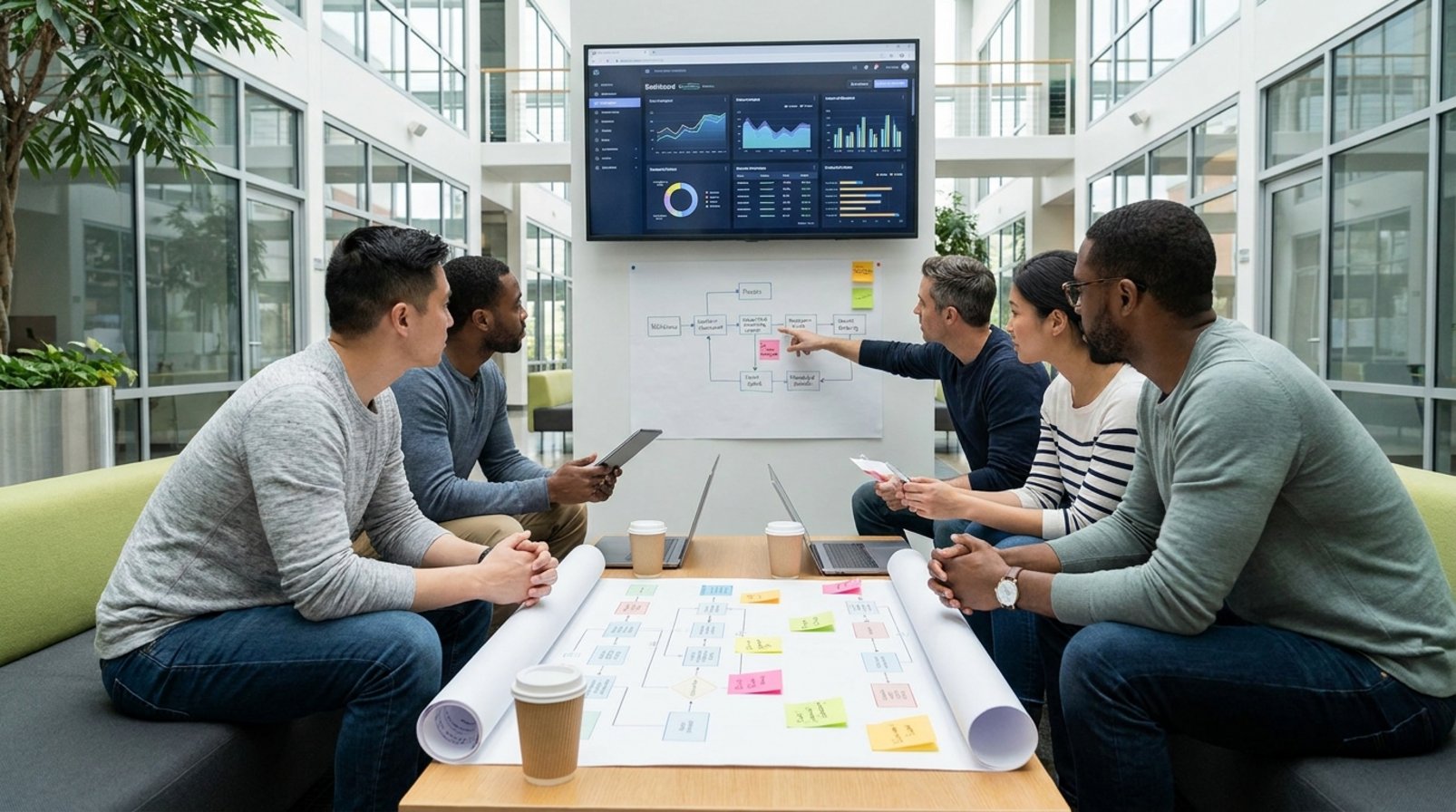
Greg Brockman said knowledge work is becoming more productive, higher leverage, and even “fun.” One accompanying example described how GPT-5.6 scans email, selects items that need attention, researches context, and suggests replies for humans to review. This is a fairly accurate picture of the future of many marketing teams: people will not handle isolated tasks one by one, but will “tend” an agent system that learns from their edits. Source: Greg Brockman, every. See [21]

OpenAI Build Week pulls builders worldwide into the race
OpenAI and Greg Brockman called on the community to join the Build Week Challenge with a series of live sessions and online events. This is a familiar but effective community strategy in digital products: use a hackathon to activate use cases, then turn the best prototypes into products. For marketers and growth teams, events like this are often where new user trends first appear before they become mainstream. Source: Greg Brockman, OpenAI Developers. See [22]

ChatGPT Work is positioned as consumer-scale AI agents
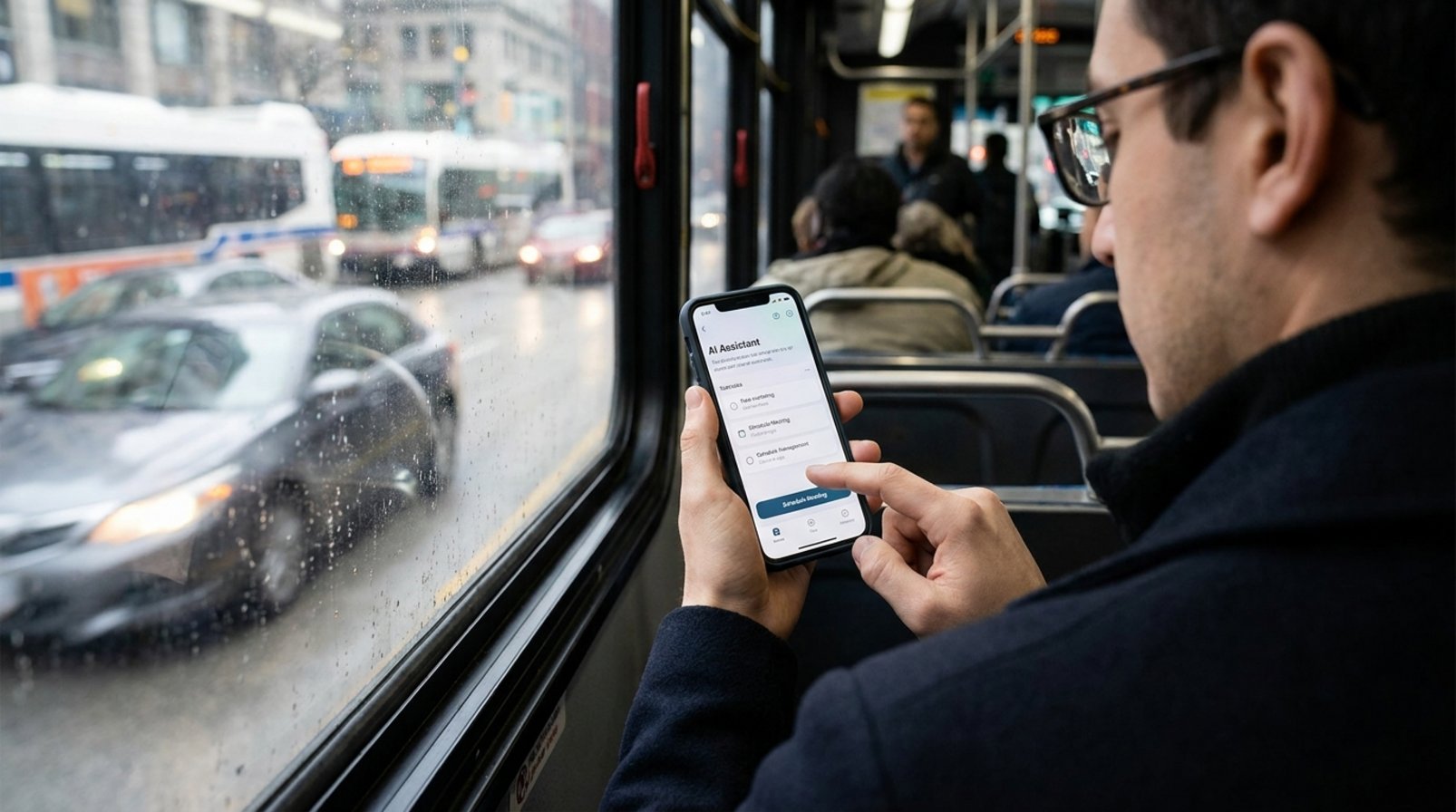
OpenAI emphasizes that ChatGPT Work brings agents to consumer scale, allowing users to work directly from their phones without needing a laptop. This is a notable shift because it pulls AI out of the “for technical people” environment and into everyday life. As AI becomes easier to use, businesses will need to rethink how work is divided between people, tools, and automation. Source: Greg Brockman. See [23]
The market’s big question: it needs a smart model router
Yuchen Jin argued that the market now has too many choices: GPT-5.6, Grok 4.5, Muse Spark 1.1, GLM-5.2, Fable 5, and even within the GPT-5.6 family there are multiple variants and reasoning levels. In his view, users should not have to choose manually so often; the system should route automatically based on task, latency, quality, and cost. This is a very practical point for Vietnamese businesses trying to scale AI: model management matters just as much as model selection. Source: Yuchen Jin. See [24]
Google DeepMind continues pushing interpretability research
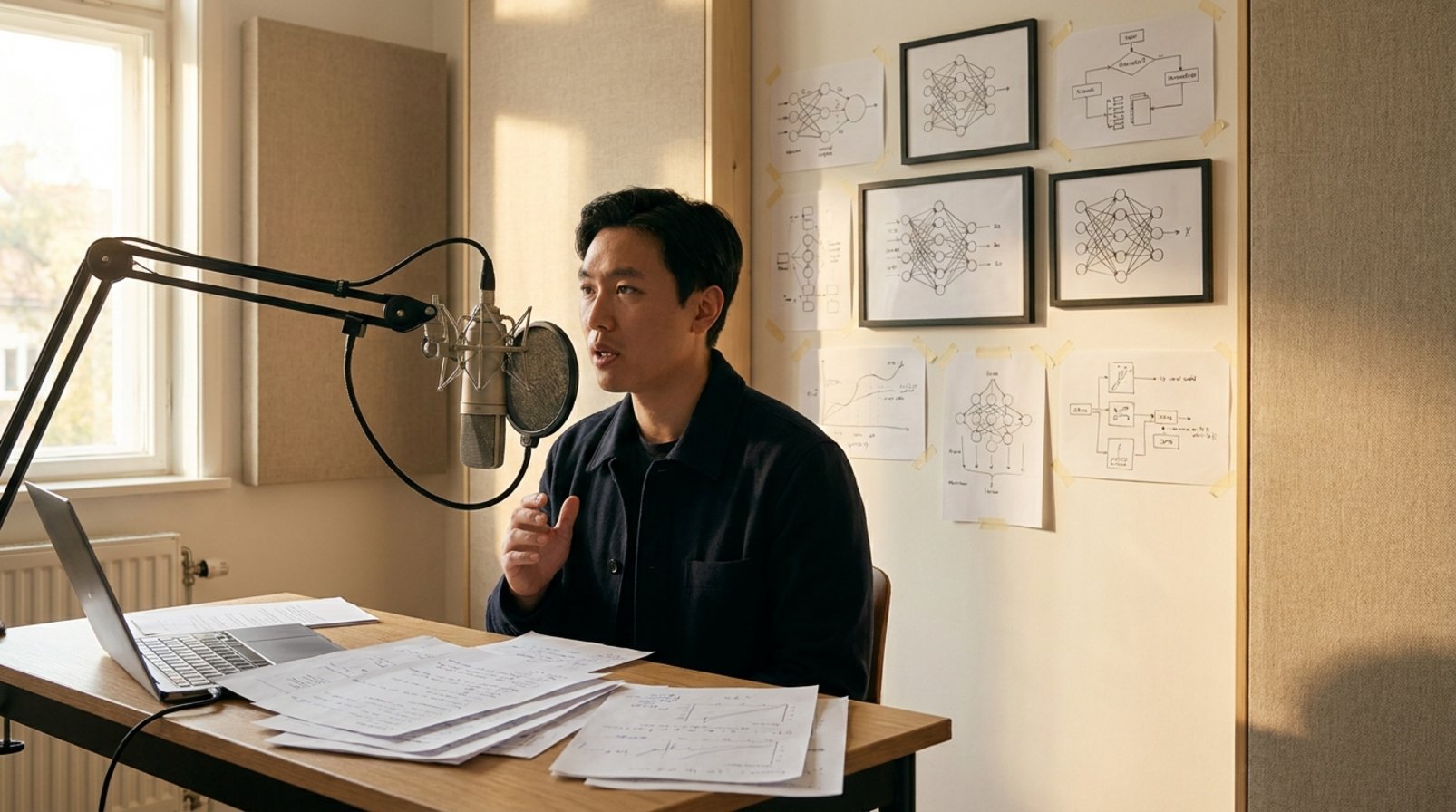
Google DeepMind says a model’s chain of thought acts like a “scratch pad” that helps observe the reasoning process, and it introduced a podcast episode on interpretability with researcher Neel Nanda. This topic is becoming increasingly important as models get stronger but harder to explain. For brands and businesses using AI at scale, understanding why a model produced a certain result will determine trust, safety, and auditability. Source: Google DeepMind. See [25]

Beep integrates Muse Spark for agentic trading
Beep announced that Muse Spark is now available for agentic trading, allowing users to trade with Spark AI Agent. Although this is a very specific niche, it shows how quickly AI models are being commercialized into finance, investing, and decision automation scenarios. For marketers, the lesson is that the stronger AI becomes, the more niche products have a chance to build one-touch experiences for advanced users. Source: Beep, Meta. See [26], [20]
Elon Musk says Grok is closing the loop on real-world use cases
Elon Musk again insisted that Grok is “closing the loop” on real-world use cases. The comment came alongside community benchmark comparisons, in which Grok-4.5 was described as outperforming gpt-5.5 in some internal tests. While benchmark debates always need context, the key point is that AI companies are trying to prove their models are not just strong on paper but useful in real workflows. Source: Elon Musk, Thibault Jaigu. See [27]

NVIDIA stresses that power is the real bottleneck of the AI era
NVIDIA argues that every AI response starts with an electron, and that AI infrastructure is a “five-layer cake” whose base is energy. The message is very clear: not just compute or software, but watts are the real limit of the artificial intelligence era. This matters greatly for businesses because it shows AI costs will increasingly be tied to physical infrastructure and stable power supply. Source: NVIDIA. See [28]
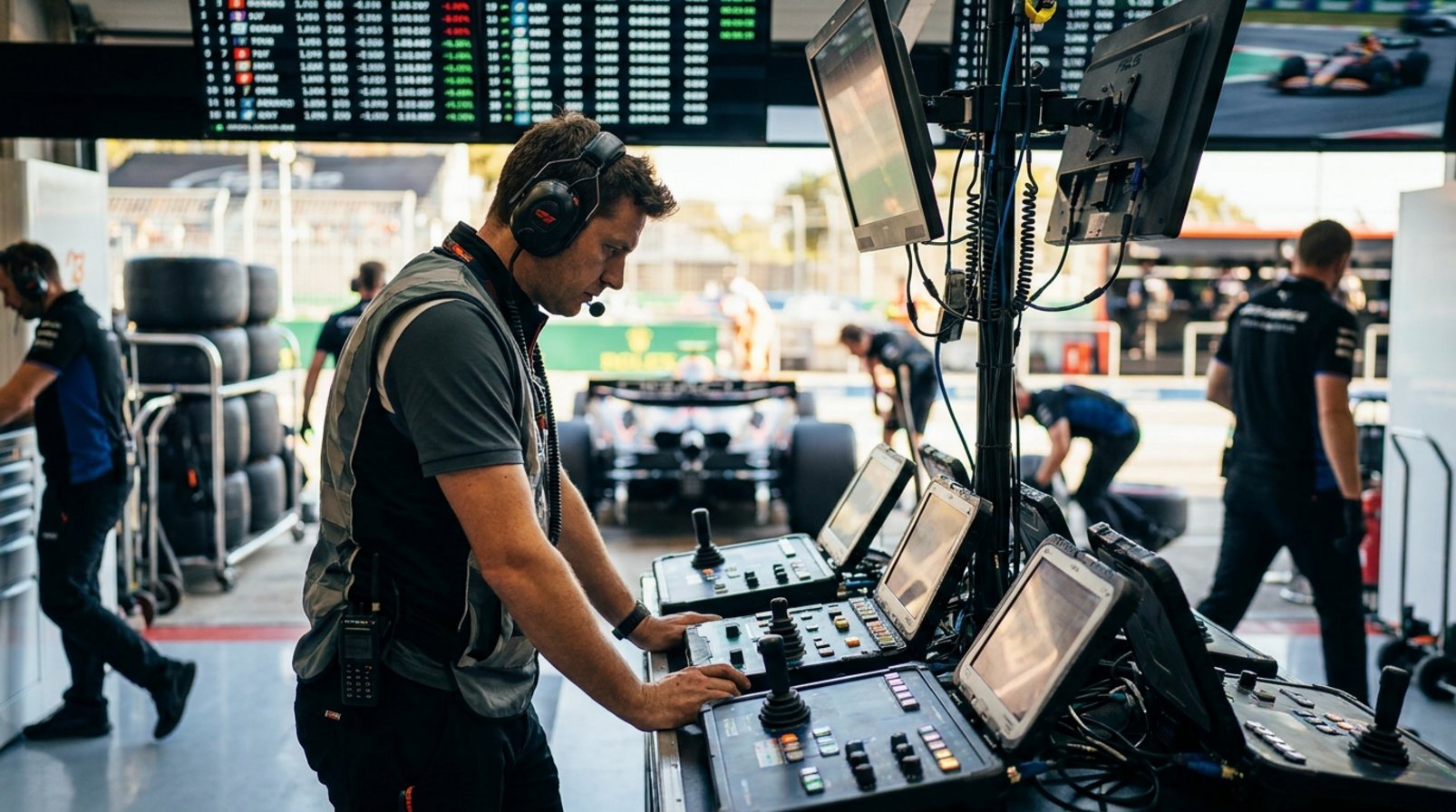
OpenAI opens an AMA on GPT-5.6, Codex, and computer use
OpenAI Developers announced they will host an AMA on r/Codex to answer questions about GPT-5.6, Codex in ChatGPT, Sites, computer use, and what comes next. This is a familiar but effective approach: use an AMA to narrow the distance with the community while turning a new product into an open conversation. For technology marketing teams, this is a good model for learning how to handle feedback quickly and transparently. Source: OpenAI Developers. See [29]
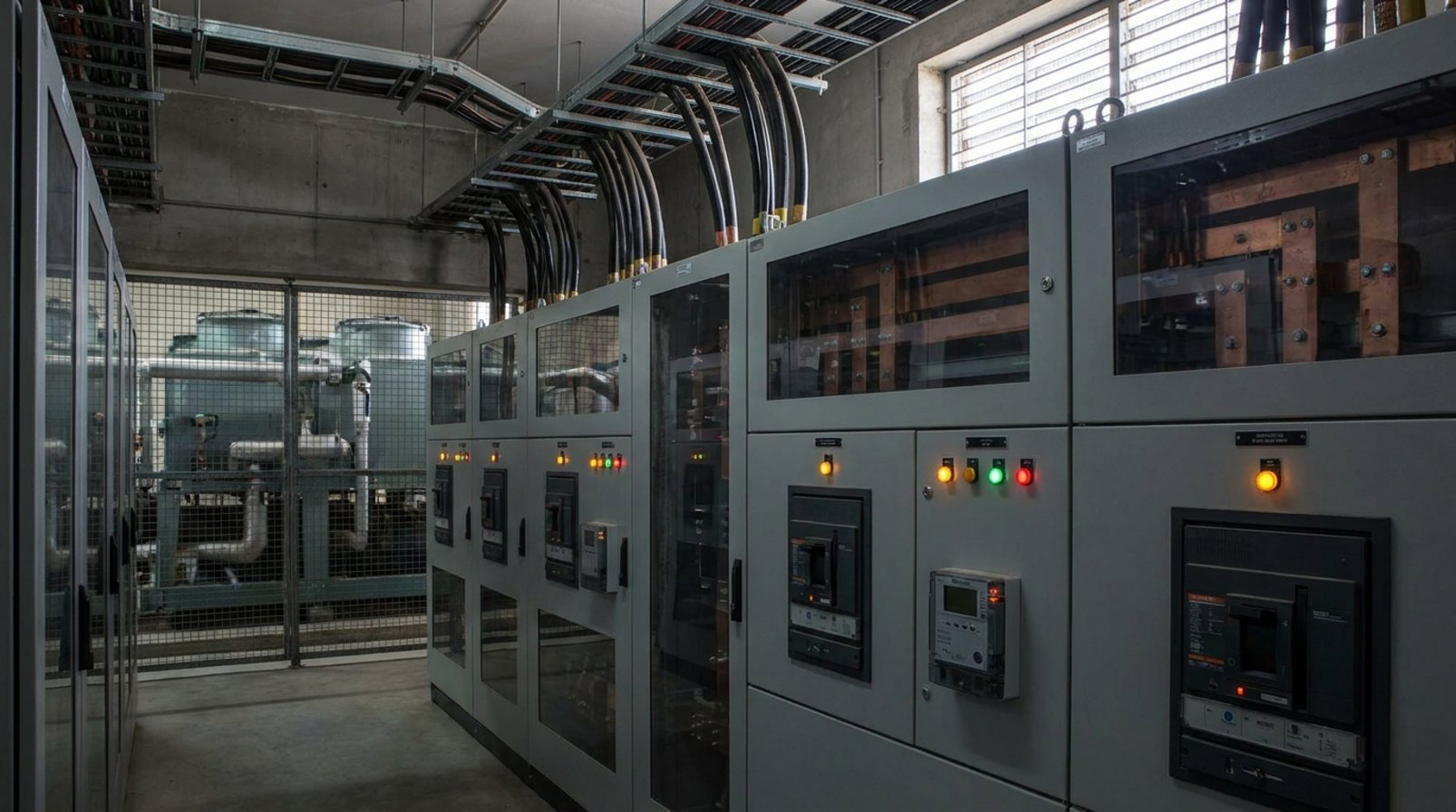
Google AI tests Project Genie based on Street View
Google AI introduced Project Genie, a prototype that lets users create and explore 360-degree virtual environments from a text prompt or a real location, using Street View data as the foundation. This is an exciting example of AI moving from generating static content to creating interactive worlds. Although still experimental, this direction could open up new experiences for education, location simulation, real estate, or digital tourism. Source: Google AI, Google DeepMind, Google Labs. See [30]

Perplexity adds a tool for tracking credit costs
Perplexity introduced Computer Analytics so users can track credit spend across models directly in the Analytics section of their account. This is a very “real-world” feature, but one that is extremely important because AI costs often rise quietly if they are not monitored closely. For businesses, the ability to observe costs by model is a prerequisite before scaling AI from pilot to production. Source: Perplexity. See [31]
Google AI Studio now lets deployed apps have custom URLs
Google AI Studio announced that deployed apps can now have custom URLs, giving products a fixed and easier-to-remember address. From a product marketing perspective, this is a small but valuable detail because it improves recognition, makes sharing easier, and creates the feeling that “this is a real product.” As AI apps multiply, clear packaging and naming will have a major impact on repeat usage. Source: Google AI Studio. See [32]

ChatGPT Voice is seen as a major step toward a more natural interface
Greg Brockman said ChatGPT Voice is a real advance because humans have always had to contort themselves to computers, and now we are moving toward a more natural interface. This view reflects a trend marketers should watch closely: as voice and conversation become the default interface, user behavior in search, discovery, and decision-making will change significantly. Source: Greg Brockman, emollick. See [33]
Melius and the creative challenge in the AI era
An introduction to Melius describes it as a “creative canvas for agents,” stressing that creatives who do not use AI will fall behind. Although the promotional language is strong, the core message is easy to see: creative tools are moving from traditional software to environments where AI directly participates in ideation, drafting, and task coordination. For content teams, this is a sign that creativity will increasingly be tied to workflows with AI assistants. Source: n0w00j. See [34]
Fidji Simo steps down from a full-time role at OpenAI for health reasons
Greg Brockman expressed gratitude to Fidji Simo after she announced she would step down from her full-time role at OpenAI and move into a part-time advisory role, as she needs to focus on her health after a serious illness. This is more of a human story than a technology story, but it is highly notable in the context of AI companies moving at full speed. For brand communications, the story is a reminder that behind AI breakthroughs are still people, health, and long-term resilience. Source: Greg Brockman, Fidji Simo. See [35]

TCS and the way AI is revaluing jobs
A viral post claimed that TCS just reported its strongest hiring quarter in four years, but that the jobs were mostly in India, while AI and cost differentials continue to revalue labor. Although this is the view of a third-party account and should be read cautiously, it reflects a major theme: AI is not only changing the number of jobs, but also the geography and pricing structure of work. For Vietnamese businesses, pressure on productivity and skills will become increasingly clear. Source: LayoffHedge. See [36]

Musk changes tone, praising Anthropic as the AI leader
According to a widely shared quote, Elon Musk said he had misjudged Anthropic and believes the company is now the leader in AI, especially with some models mentioned by the community. Although this is a controversial view and depends on secondary sources, it shows how quickly the positions of leading AI companies are shifting, to the point that statements can reverse very fast. For strategists, this is a reminder not to freeze the AI race into a fixed order. Source: Valuetainment. See [37]

Meta announces a $13 billion AI data center in Alberta
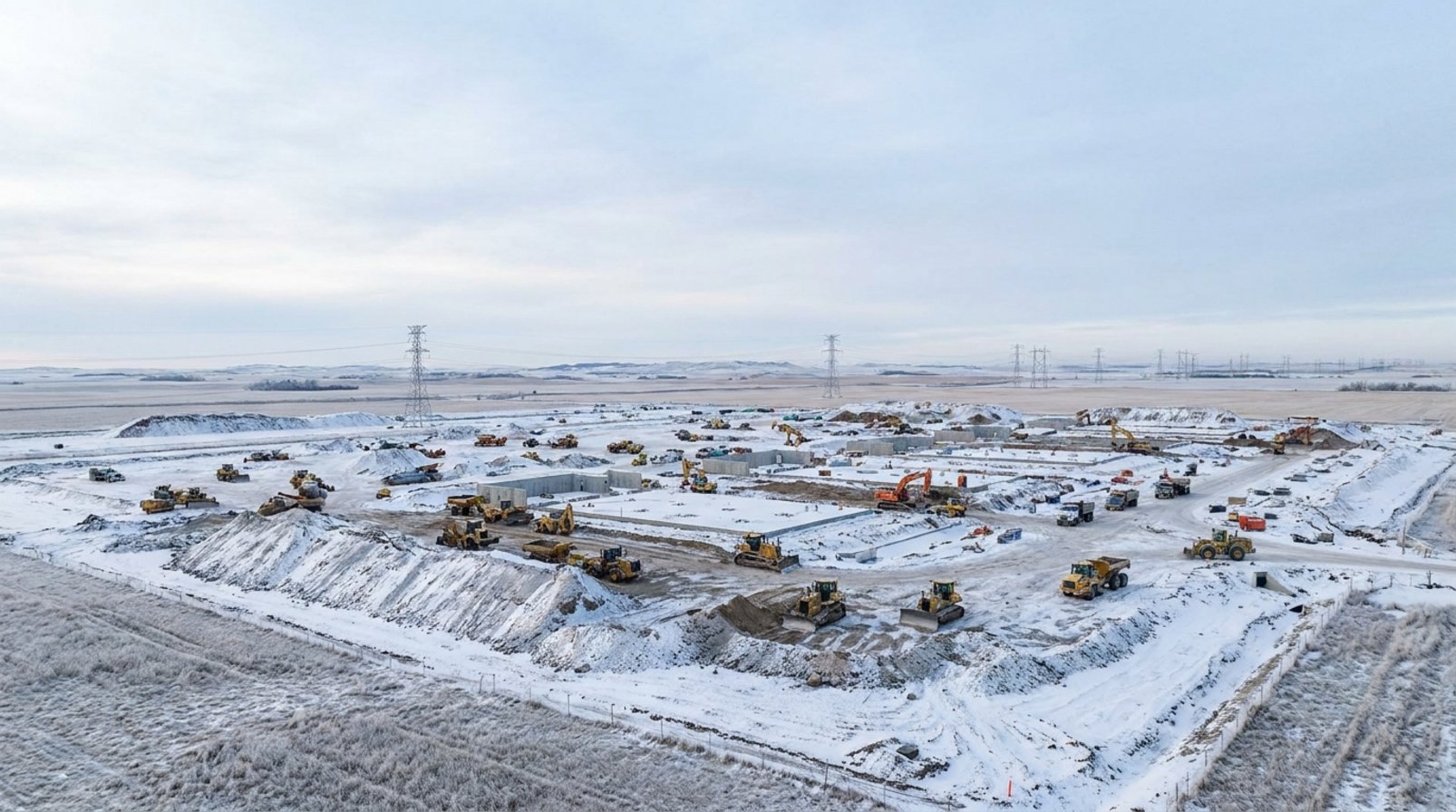
A comment online questioned why Canada’s AI minister had not spoken about Meta’s $13 billion data center investment in Alberta. Although this is more of a political current-affairs comment than a product announcement, it reflects the scale of today’s AI infrastructure investments: large enough to create local impact, attract public debate, and become part of national strategy. For businesses, this further reinforces the view that AI is a long-term infrastructure game. Source: Ezra Levant. See [38]
GPT-5.6 becomes the preferred model in Microsoft 365 Copilot
Sam Altman said GPT-5.6 is now the preferred model in Microsoft 365 Copilot. This is a very important commercial signal because it shows the new model is not only making headlines, but has also entered one of the world’s largest enterprise work suites. For marketers and operations teams in Vietnam, this means AI will increasingly appear directly in the office, where content, documents, email, and reports are decided. Source: Sam Altman. See [39]
AI is entering a phase of governance by model choice, cost and control
The most notable takeaway from this batch of news is that AI is entering a phase of “governance by choice,” meaning businesses are no longer asking whether to use AI, but which model to use, at what cost, for which workflow, and under what control mechanism. For Vietnamese businesses, the priorities should be: 1) identify 3–5 tasks that can be automated immediately; 2) track costs by model; 3) check data and privacy risks; 4) build a process with a final human reviewer. In addition, the rise of voice, agents, and multi-agent workflows shows marketing teams should prepare now for a work environment where content, research, and operations are continuously assisted by AI rather than handled manually one task at a time.

From a content strategy perspective, technology brands should keep a close eye on three trends: cheaper but stronger models; tools that help measure cost, routing, and model observability; and increasingly strict safety and verification standards. These are all factors that will directly affect how Vietnamese businesses deploy AI over the next 6–12 months. Reference sources compiled: OpenAI, NVIDIA, Google, Meta, Perplexity, Cursor, Ollama, and the cited X sources listed below.
Explore more marketing analysis & guides at https://marketing365.vn.
Follow more analysis & guides from Marketing365.
Read more articles in the same category AI Developments.
This article focuses on the latest AI news with a perspective for the Vietnamese market.
References
- GPT-5.6 for health intelligence, the team has been focusing hard on improvements here: — Greg Brockman (@gdb)
- keep the feedback coming, thank you to all of our users! — Greg Brockman (@gdb)
- The most important thing about Grok Build and the 4.5 release is that it is genuinely so useful for… — Elon Musk (@elonmusk)
- Anyone can visit the Starship factory and launch site in Texas, as it is right next to on the public highway.… — Elon Musk (@elonmusk)
- AI factories don’t have to be a strain on the grid. Instead, they can be an energy supplier⚡ Emerald AI’s… — NVIDIA (@nvidia)
- OpenAI Build Week starts Monday — and we’re hosting two livestreams to help you build. First up: Join us on… — OpenAI Developers (@OpenAIDevs)
- Meta is removing Instagram’s latest AI feature after backlash from users “Earlier this week, we announced… — Culture Crave 🍿 (@CultureCrave)
- GPT-5.6 is a major step forward for health intelligence. Across the lineup, we’re delivering stronger… — OpenAI (@OpenAI)
- Introducing side chats, a new way to ask questions and explore ideas without interrupting your main… — Cursor (@cursor_ai)
- Token usage beginning to tip towards open models. Ollama’s @jmorgan and Peter Fenton predict that a… — ollama (@ollama)
- GPT-5.6 Sol Ultra produced a proof of a mathematical conjecture that had remained unsolved for 50 years,… — Chubby♨️ (@kimmonismus)
- 50-year old math conjecture solved with Sol Ultra. Feels like the limit of what you can do is increasingly… — Greg Brockman (@gdb)
- Grok 4.5 is now available as an orchestrator model in Computer for Consumer Pro and Max subscribers. We… — Perplexity (@perplexity_ai)
- GPT‑5.6 took on a complex coding task spanning nearly 1,000 lines for Ankit Aich at @SnorkelAI, handling the… — OpenAI Developers (@OpenAIDevs)
- Bring your entire repo into the context window and start building. @GoogleAIStudio now supports direct GitHub… — Google AI Developers (@googleaidevs)
- BREAKING: OpenAI launches a $50,000 bounty for anyone who can universally jailbreak GPT-5.6’s biosafety… — Polymarket (@Polymarket)
- AI rendering of The UFO just released by The Pentagon 👽🛸🇺🇸 Would you consider this a threat or do they… — Interstellar (@InterstellarUAP)
- As part of our ongoing efforts to strengthen our safeguards for advanced AI capabilities in biology, we’re… — OpenAI (@OpenAI)
- Hello beautiful people! We have reset usage limits across Codex and ChatGPT Work. And another one will come… — Tibo (@thsottiaux)
- Many people were doubting Meta’s position in the AI race. Yesterday, they dropped Muse Spark 1.1, now one of… — Rowan Cheung (@rowancheung)
- Knowledge work different more — becoming more productive, high leverage, and IMO fun. — Greg Brockman (@gdb)
- Next week — join live sessions, take part in community events, and submit projects to the OpenAI Build Week… — Greg Brockman (@gdb)
- ChatGPT Work brings agents to consumer scale. It’s both a step up in usability (you can just do things from… — Greg Brockman (@gdb)
- We desperately need a smart model router. 1. We’re seeing a model explosion: GPT-5.6, Grok 4.5, Muse Spark… — Yuchen Jin (@Yuchenj_UW)
- A model’s chain of thought acts like a scratch pad, offering a window into its reasoning. 📝 On the latest… — Google DeepMind (@GoogleDeepMind)
- The model that is better than Opus. Muse Spark is now available for agentic trading on Beep. Be the first to… — Beep (@0xbeepit)
- Grok is closing the loop on real-world use cases — Elon Musk (@elonmusk)
- Every AI response you’ve ever gotten started with an electron. ⚡ In a recent interview with Sequoia Capital,… — NVIDIA (@nvidia)
- The AMA starts soon. Drop your questions about GPT‑5.6, Codex in ChatGPT, Sites, computer use, and what we… — OpenAI Developers (@OpenAIDevs)
- Step into the map with the Street View grounding feature in Project Genie from @GoogleDeepmind and… — Google AI (@GoogleAI)
- Introducing Computer Analytics: You can now track credit spend across models. Available now under Analytics… — Perplexity (@perplexity_ai)
- introducing custom URLs: give your deployed apps a permanent, personalized home with a clean, memorable ai… — Google AI Studio (@GoogleAIStudio)
- ChatGPT Voice is a real advance. We’ve always had to contort ourselves to our computers. Now feels like we’re… — Greg Brockman (@gdb)
- If you’re a creative not using AI you’re fcked. Introducing Melius: the world’s first creative canvas for… — joowon (@n0w00j)
- I am deeply grateful for all Fidji has done for OpenAI and to advance our mission, and for the opportunity to… — Greg Brockman (@gdb)
- TCS, ONE OF THE LARGEST H-1B VISA MILLS IN THE US, JUST REPORTED ITS STRONGEST HIRING QUARTER IN FOUR YEARS… — LayoffHedge (@LayoffAI)
- JUST IN: Elon Musk says that Anthropic is currently the leader in AI and that he was clearly wrong about… — Valuetainment (@valuetainment)
- Unless I missed it, AI minister @EvanLSolomon hasn’t said a word about the $13B data centre @Meta announced… — Ezra Levant 🍁🚛 (@ezralevant)
- GPT-5.6 is now the preferred model in Microsoft 365 Copilot — Sam Altman (@sama)