Contents
The trend of creating “character sheets” with AI is spreading rapidly across TikTok, Instagram, and Pinterest because it is both personalized and easy to share. For Vietnamese marketers, this is not just a form of entertainment content, but also a clear signal of user demand for illustrated visuals with a personal touch, while also raising questions about privacy and data safety when using AI tools.
Key points
- AI caricature character sheets are becoming viral content thanks to their high level of personalization and strong shareability.
- Users can create this type of image fairly quickly with ChatGPT, but the results often need refinement to look realistic and match the right “vibe.”
- Alongside the creative appeal, warnings about personal data show that users need to be cautious when uploading photos, entering information, or using AI platforms.
- For the Vietnamese market, this is an opportunity for UGC content, social campaigns, and personalized products, but it must come with clear security guidance.
The AI caricature character sheet trend: from fun images to a personal “map of personality”
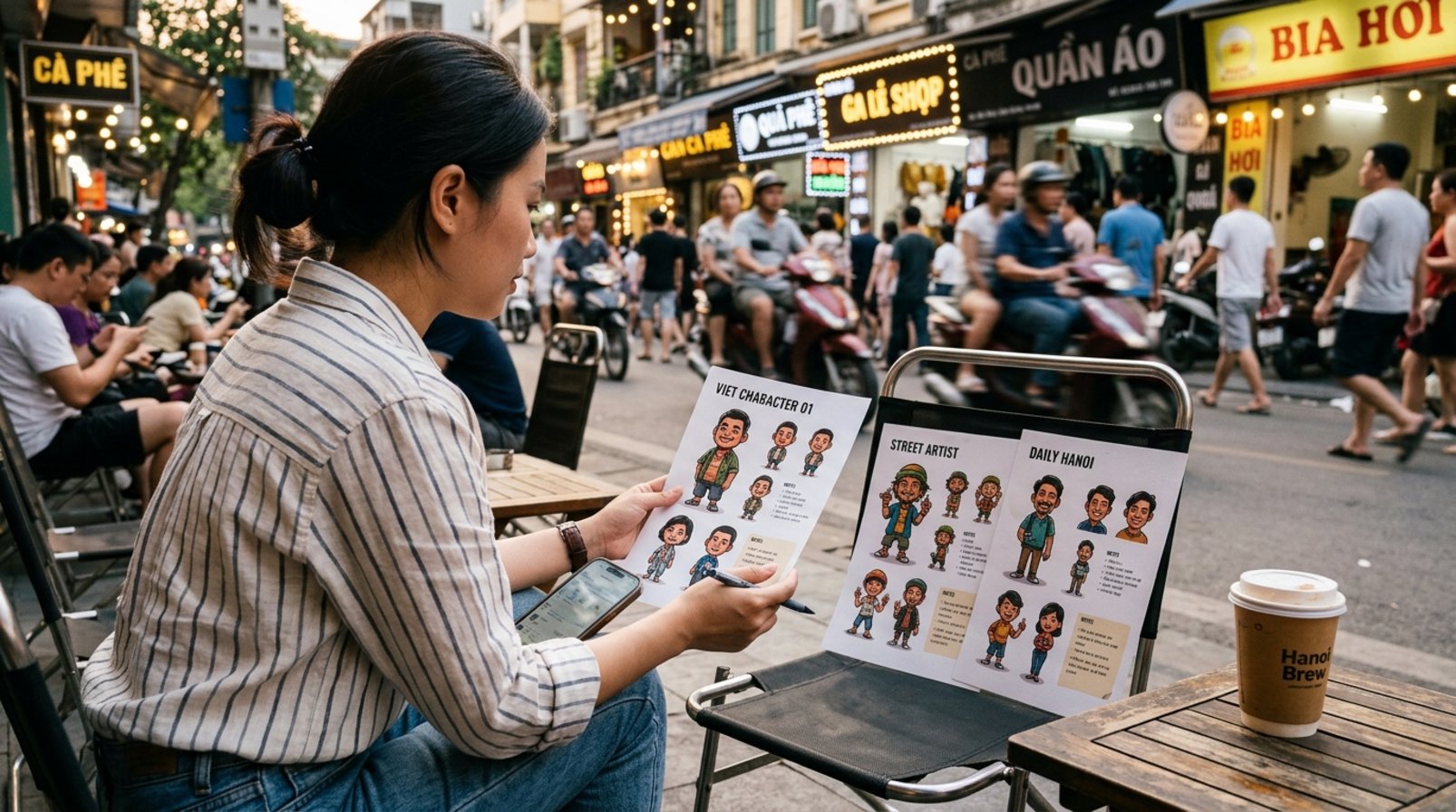
According to Totally The Bomb, the latest wave on social media revolves around AI-illustrated “character sheets” — a page that brings together multiple slices of a user’s personality, from the main face and chibi version to everyday scenes, along with a list of interests and a few quotes with a distinctive feel. The appeal of this format lies in the fact that it is not just a pretty image, but a visual profile that tells a story about the person.
The original article’s author said they tried creating one with ChatGPT and the first result did not really resemble the subject, even feeling somewhat “unfamiliar” in both facial features and demeanor. After adjusting the prompt, the second version felt much closer to the real person. This detail shows that the key point of the trend is not simply “click and get,” but the ability to fine-tune prompts so AI understands the appearance, style, and spirit the user wants to convey.
From a digital content perspective, this is a classic example of a format that is “beautiful, personal, and easy to show off.” It encourages users to share because it is highly recognizable, while also generating posts that can drive stronger engagement than a standard portrait. For brands, it is a signal that personalized visual storytelling formats still have plenty of room to explore.
A reminder from the viral story: viral does not mean safe
Read more: SEO in the AI Era: What Vietnamese Marketers Should Prepare For
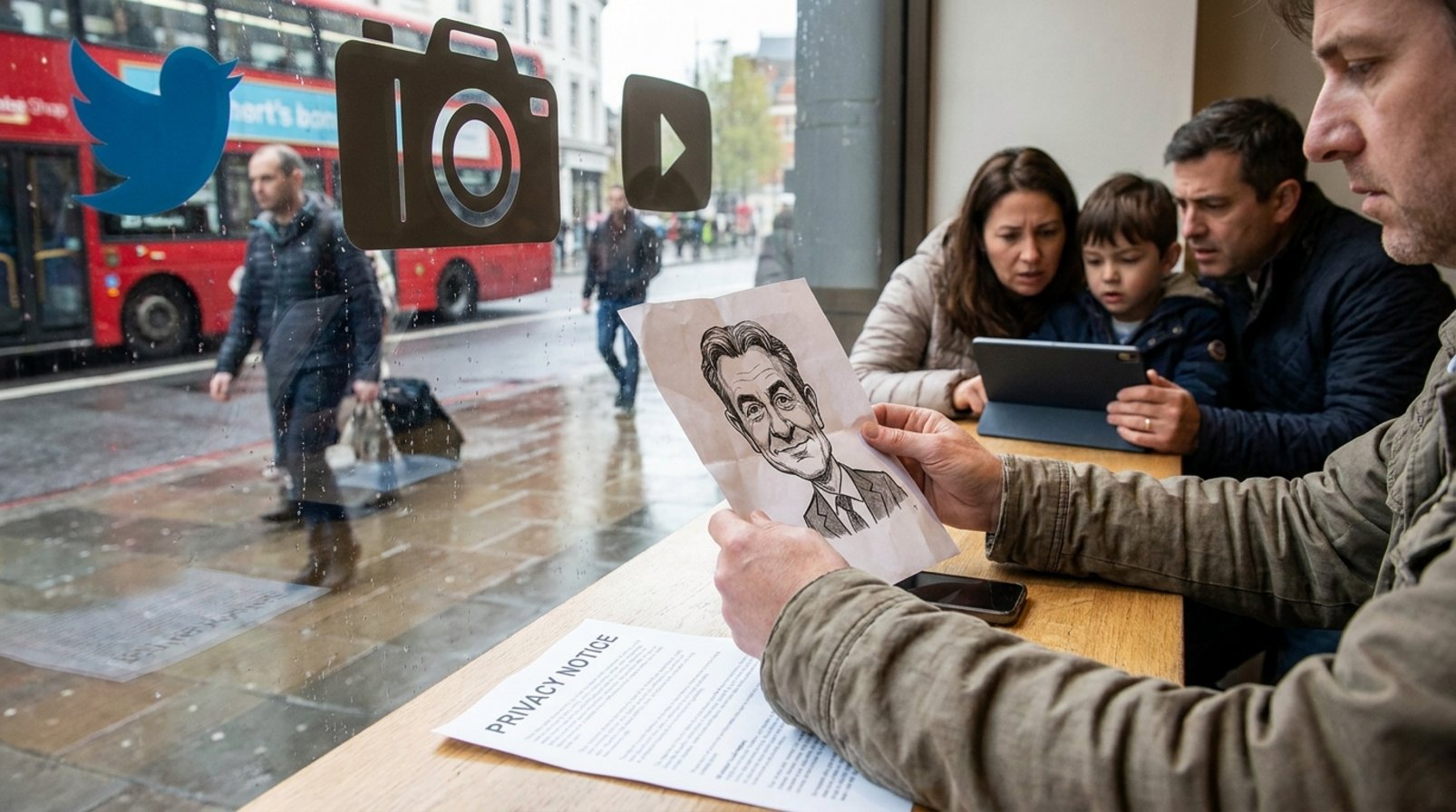
While one MSN story highlights the popularity of the caricature trend through ChatGPT, the accompanying content raises an important warning for households and users in the UK: when joining fast-spreading AI trends, they should consider the personal data and digital footprint they are sharing. Although the cited source page does not provide many technical details in the displayed section, the core message is very clear: viral content can be appealing, but users should not overlook privacy.

This is especially important for trends that require uploading portrait photos, entering personal descriptions, lifestyle habits, interests, names, or identifying characteristics. When users feed too much data into an AI tool or third-party platform, they may unintentionally create additional risks related to storage, reuse, or unwanted exposure of information. In today’s media environment, warnings like this often appear alongside booming trends to remind users to check security settings, terms of use, and data-sharing levels.
At the brand level, this is also a reminder that if a business wants to join an AI image-generation trend for its community, it needs to provide transparent data guidance: what users submit, what the system stores, whether the images can be used for other purposes, and whether there is a data-deletion mechanism. Trust is part of the creative experience, especially as AI becomes increasingly embedded in personalized content.
Read more: As Users Guard Their Inboxes with Email Aliases, What Should Marketers Do?
The AI caricature trend for marketing in Vietnam
For marketers in Vietnam, the AI caricature character sheet trend opens up at least three practical directions. First, it is strong material for UGC campaigns or personalized mini-games: users like seeing a “redrawn” version of themselves, so share rates are often higher than with static formats. Second, categories tied to lifestyle, beauty, fashion, education, or gifts can absolutely turn this trend into a brand experience, as long as it stays fun, light, and easy to join. Third, this is a good moment for brands to talk about AI in a more approachable way, rather than focusing only on technical features.
However, the bigger the opportunity, the higher the need for risk control. If a brand launches an image-generation tool or encourages users to submit personal photos, it should clearly disclose its data policy, avoid over-collecting information, and prioritize data minimization. In a context where Vietnamese users are becoming more sensitive to digital privacy, a successful AI campaign must not only look good and go viral, but also make participants feel secure.
Read more: When social media tightens and AI is abused, what should marketers do?
In other words, this trend shows AI moving from a behind-the-scenes technology to a mass-market experience, where entertainment value, personal identity, and data trust all need to be balanced. Whoever can create content, products, or campaigns that hit all three will have a clear advantage in the race for attention on social media.
References: Totally The Bomb; MSN.
Explore more marketing analysis & guides at Marketing365.
Read more articles in the Digital Trends category.
This article focuses on AI caricature trend with a perspective for the Vietnamese market.
References
- Totally The Bomb — How to make a viral AI caricature character sheet that actually looks like you
- MSN — Warning for all UK households who’ve taken part in ChatGPT caricature trend