
Contents
- Email aliases: a small but effective “shield” for your personal inbox
- Gmail aliases let users create disposable addresses without opening a new account
- Gmail is no longer the only option: users are starting to look for alternatives
- Temporary passwords and password managers are expanding their role in inbox protection
- Netflix requires separate email addresses for each profile: digital identity management is getting stricter
- Email marketing is a game of data transparency and real content value
- References
Email management is becoming an increasingly important part of content and growth strategy: from signing up for tools, receiving lead magnets, to nurturing customers through newsletters. A series of recent updates shows that both users and platforms are shifting toward tighter control of digital identity, forcing Vietnamese marketers to pay closer attention to how customer emails are collected, routed, and protected.
Email aliases: a small but effective “shield” for your personal inbox
An article on Android Authority shows that many people have stopped using their real email addresses when signing up for websites, instead switching to email alias to reduce spam and limit exposure of their primary address. This approach helps them separate email for each service, more easily trace the source of leaks, and proactively disable an alias when it gets spammed too heavily.
What matters for marketers is that the habit of using aliases reflects users’ growing caution. As customers become more careful about leaving their email addresses, signup forms need to be more transparent about the value they offer, sending frequency, and commitments not to share data.
Source: Android Authority.
Gmail aliases let users create disposable addresses without opening a new account
How-To Geek explains how to use aliases in Gmail to create nearly instant “temporary” email addresses. Instead of registering a new inbox for every purpose, users can add address variations to categorize signup sources, track which campaigns have emailed them, and reduce inbox clutter.

For marketers, this is a reminder that the signup journey should not rely entirely on a single email address. Businesses may want to consider systems for tagging, source tracking, and better lead classification automation, because users now have more ways to “work around” efforts to protect their primary inboxes.
Source: How-To Geek.
Gmail is no longer the only option: users are starting to look for alternatives
PCMag’s roundup of Gmail alternatives shows that the personal email market is becoming much more diverse. As demand grows for privacy, cleaner interfaces, and better mail management tools, users are willing to try other platforms instead of automatically choosing a familiar ecosystem.
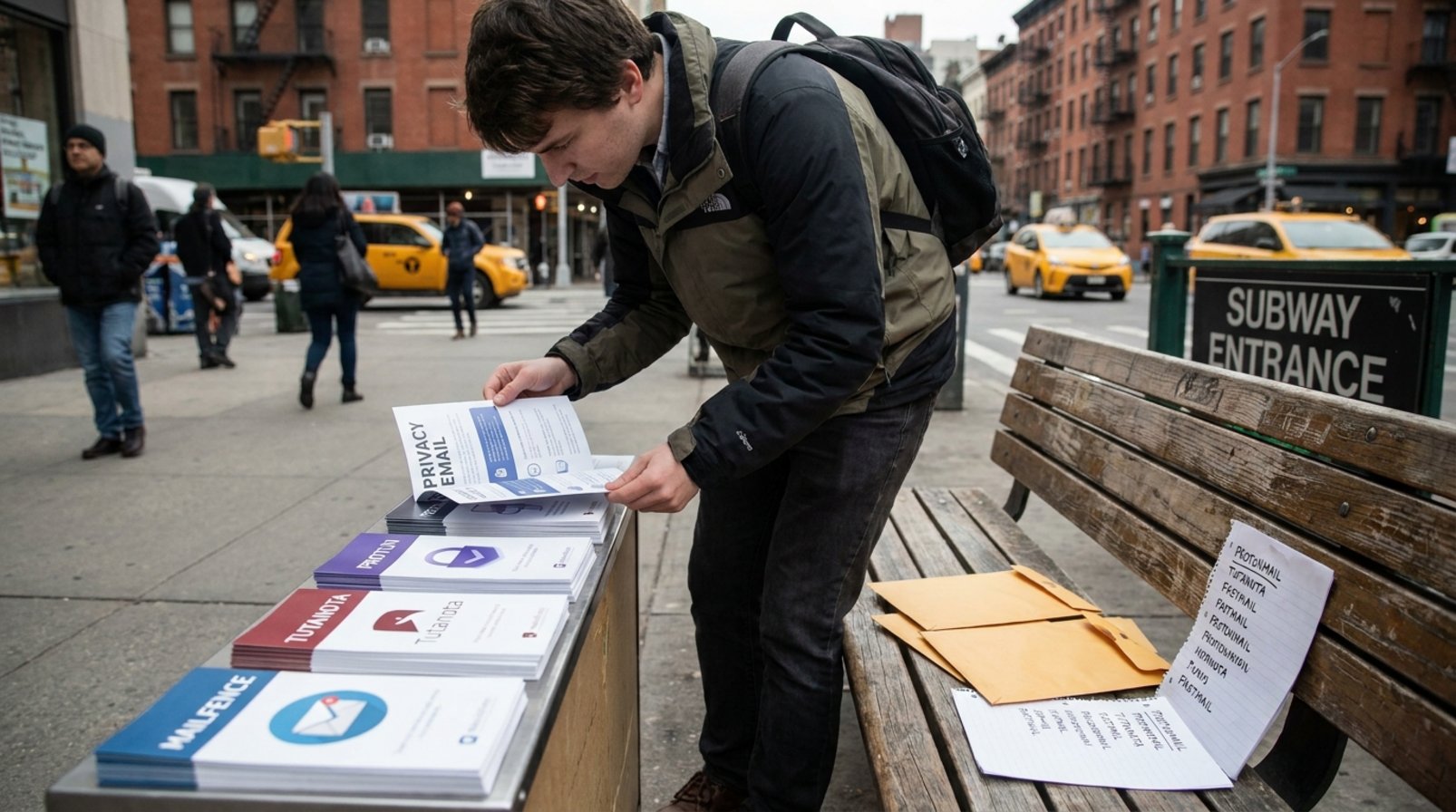
For content marketers, this has two implications. First, email should not be designed to work optimally on just one platform. Second, the email content experience needs to render well across multiple systems, from subject line display to layout and compatibility.
Source: PCMag.
Temporary passwords and password managers are expanding their role in inbox protection
According to the Odessa American, some password managers do more than store login details; they also support temporary passwords or additional layers of inbox protection. This story shows that email security is no longer just an IT issue; it has become a basic digital habit for everyday users.

Read more: AI caricature trend explodes: why users love it, marketers should care
From a communications perspective, this is a signal for marketers to pay more attention to data safety when building email flows. Encouraging users to use two-factor authentication, choose secure signup options, and understand how to protect their accounts will help build trust, especially for high-value lead generation campaigns.
Source: Odessa American.
Netflix requires separate email addresses for each profile: digital identity management is getting stricter
TechRadar reports that Netflix is now requiring a separate email address for each profile, citing the need to support separate logins and better account management. Although this is a change from an entertainment platform, it still reflects a broader trend: online services want to tighten user authentication and reduce the old habit of sharing information.

For marketers, the lesson here is that users are increasingly used to separating identities by context. That may reduce the effectiveness of less transparent email collection tactics, but it also creates opportunities for brands that know how to build trust through genuine content value.
Source: TechRadar.
Email marketing is a game of data transparency and real content value
For Vietnamese marketers, these five stories tell one common narrative: users are controlling their inboxes more tightly, while platforms are increasingly prioritizing authentication and identity separation. That means content marketing campaigns should not chase email volume alone, but instead focus on signup quality, a clear value proposition, and data transparency.

In practice, businesses should optimize three things: first, keep signup forms concise but clearly explain the benefits; second, make email content useful enough that recipients won’t want to use a throwaway alias; third, build trust through strong security processes, from double opt-in to options for managing email frequency. As users become more cautious, brands that respect their inboxes will have a stronger long-term advantage.
See more marketing analysis and guides at https://marketing365.vn.
Explore more marketing analysis & guides at Marketing365.
Read more articles in the same category at Digital Trends.
References
- Android Authority — Five reasons why I use an email alias, and you should too
- How-To Geek — How I use Gmail aliases to create disposable email addresses instantly
- PCMag — The Best Gmail Alternatives We’ve Tested for 2026
- Odessa American — IT’S GEEK TO ME: Password managers can also help defend your inbox
- TechRadar — ‘This is killing Netflix for me’: The service now demands separate email addresses for individual profiles, and users fear the password crackdown history could repeat itself