
Contents
AI is expected to help people work with less effort, but new data paints the opposite picture: many people are using AI to do more within the same amount of time. For Vietnamese marketers, this is not just about tools, but a signal of how productivity, work expectations, and mental resilience are changing in digital workplaces.
The biggest lesson from this trend is: the people who adapt best in the AI era are not necessarily the “smarter” ones, but those who know how to manage their relationship with mental effort. That is especially important in marketing, where workloads, response speed, and multitasking demands are already very high.
AI does not make work lighter; it can make it heavier
The Atlantic cites research from ActivTrak on more than 10,000 digital workers showing that when AI is adopted, their work pace does not slow down. Time spent on email, messaging, and chat apps more than doubled, while work software usage rose 94%.
The key point here is not that AI creates laziness, but that it expands the “productivity ceiling” people place on themselves. When a task becomes easier, workers do not necessarily do less; they often take on more work, try additional tasks, or expect themselves to accomplish more in a day.
AI users tend to take on more work instead of resting
According to The Atlantic, researchers at the Haas School of Business, University of California Berkeley, observed that workers use AI to do tasks they would previously have handed off to others. Tasks such as coding or technical work become “easier to get into,” prompting them to work in the evening, on weekends, or whenever they have free time with AI nearby.

The result is that work is no longer confined to office hours. Workers shift to doing work in short bursts throughout the day, while also monitoring multiple bots running in parallel. This is a characteristic form of acceleration in the AI age: saving time in one area but making up for it with more tasks elsewhere.
Read more: Advertising in the Google Zero Era: How Should Vietnamese Marketers Adapt?
A new kind of fatigue: distraction and “AI brain fry”
Data from ActivTrak also shows that time spent on focused, uninterrupted work fell by 9%. In other words, even if AI can help speed up tasks, the work environment becomes more fragmented because of notifications, chat, email, and multitasking.
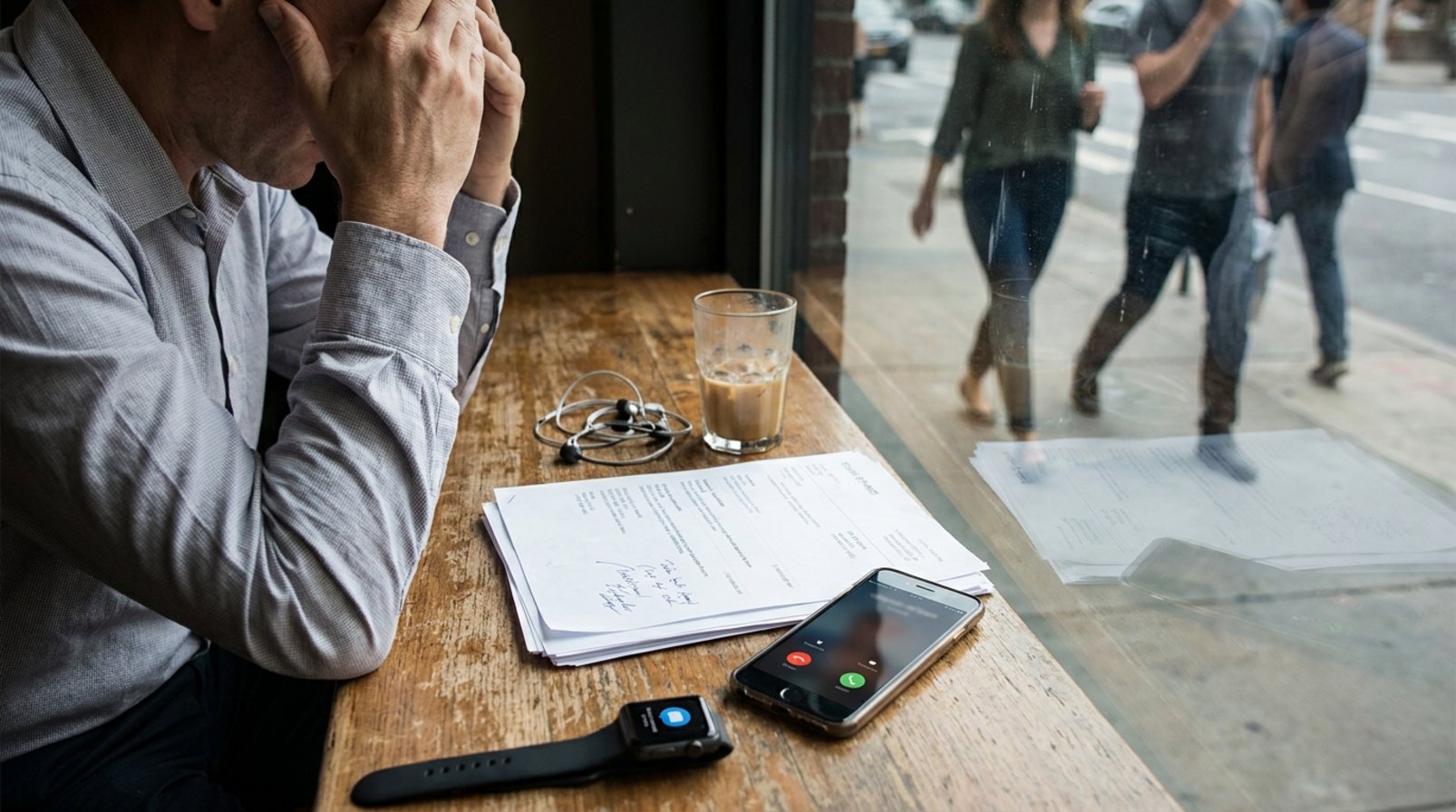
The Atlantic says a term has emerged for this state: “AI brain fry” — a kind of mental exhaustion caused by having to manage too many work streams at once. For marketers, this is a clear warning: high productivity does not necessarily mean high-quality thinking, especially when strategy, creativity, and analysis all require deep focus.
Read more: Content Marketing Trends 2026: 5 New Signals for Vietnamese Marketers
Don’t let AI add more tasks; keep your work rhythm and long-term thinking
For Vietnamese marketers, the important question is not only “whether to use AI,” but “what to use AI for and what kind of work rhythm to maintain.” If AI is used only to pile on more tasks, teams can easily fall into overload, reacting quickly but lacking depth.

Businesses should treat AI as a controlled productivity tool, not as a signal to endlessly raise KPIs. In Vietnam’s market, where many marketing teams are already used to intense campaign cycles, designing workflows with breaks, clear priorities, and limits on multitasking can be just as important as rolling out new tools.
Read more: How to Rank in AI Search Results: Lessons for Content Marketers
In other words, the advantage in the AI era may not lie in “working faster than everyone else,” but in knowing how to protect long-term thinking — the thing that determines the quality of brand, messaging, and marketing strategy.
Source: The Atlantic, “The People Who Will Thrive in the AI Age”, June 28, 2026.
See more marketing news and guides at https://marketing365.vn.
Follow more updates from Marketing365 to stay up to date with the latest marketing trends.
Read more articles in the same category Digital Trends.