
Contents
- AI is no longer judged only by “intelligence”
- When the technology gap narrows faster than expected
- Cybersecurity becomes a strategic front for AI
- What should businesses and marketers take from this shift?
- What should businesses and marketers understand from this change?
- Score AI vendors on data control, not only features
- References
As of July 2026, the global AI race is entering a new phase: it is no longer just about generating content or virtual assistants, but increasingly about security capabilities, risk control, and responding to cyberattacks. According to WSJ, some Chinese AI models have caught up with Anthropic in cybersecurity, changing how the tech world views the gap between major AI ecosystems and why model safety now belongs in every buying decision.
For Vietnamese marketers, this is not just a “technical” story. As AI moves deeper into customer data analysis, ad automation, content creation, and sales support, the cybersecurity capabilities of AI models themselves will directly affect trust, operations, and brand risk.
AI is no longer judged only by “intelligence”
For many years, when people talked about AI, they usually focused on speed, accuracy, or text generation capabilities. But WSJ’s report shows that another measure is becoming just as important: how well AI can support defense, identify, and respond to cyber threats.
This reflects a shift in how the market defines “strong AI.” A model may write better and respond faster, but if it is not safe enough against misuse and not trustworthy in an enterprise environment, its commercial value will be limited. For companies integrating AI into marketing workflows, safety is now part of the efficiency equation.
When the technology gap narrows faster than expected
WSJ emphasizes that Chinese AI models catching up with Anthropic in cybersecurity is a signal that the AI race is not linear. Technological advantages can shift quickly when teams optimize models, train on suitable data, and invest heavily in very specific capabilities.

The notable point here is that this “narrowing gap” does not necessarily happen evenly across every front. An ecosystem may not be the overall leader, but it can still rise quickly in narrow tasks such as threat analysis, vulnerability detection, or incident response support. This is why observers say today’s AI race is not only about model size, but also about specialization.
Cybersecurity becomes a strategic front for AI
As AI is used more widely in business, the attack surface expands as well. Risks such as data leaks, prompt injection, automation abuse, and fake content generation are being mentioned more and more often. That is why AI models’ ability to help protect systems from these threats has become a strategic advantage.

WSJ shows that cybersecurity is where AI is proving its real-world value very clearly: from detecting unusual behavior and classifying alerts to helping security teams respond to incidents faster. For businesses, this is the intersection of productivity and safety — two factors that were once often seen as conflicting but now must go hand in hand.
What should businesses and marketers take from this shift?
The biggest message from the WSJ story is not just that “Chinese AI is moving fast,” but that the market is entering a new standards phase. Users and businesses will increasingly ask not only “What can AI do?” but also “How safe is this AI?”, “Will my data be exposed?” and “If something goes wrong, who is responsible?”
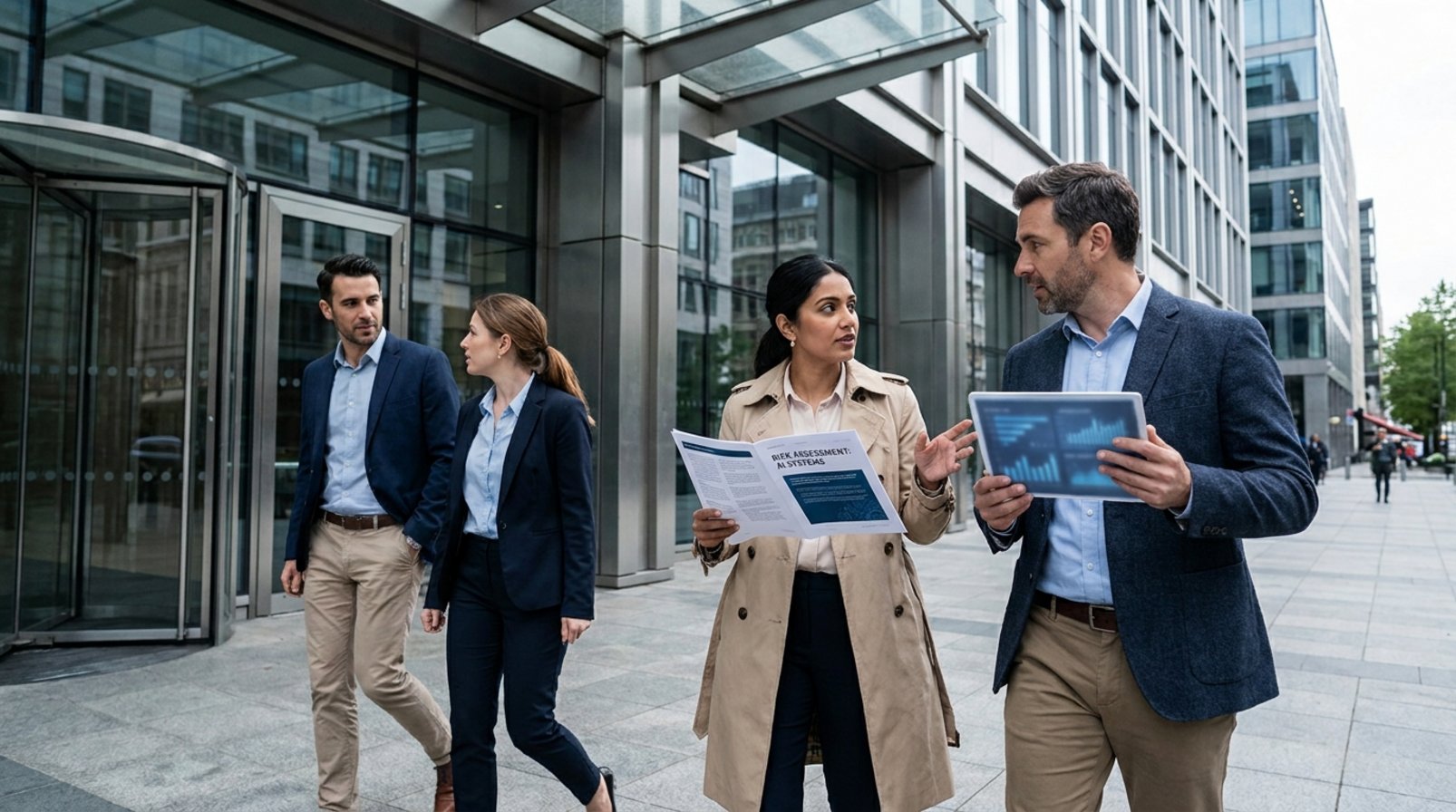
Read more: Anthropic restores Fable 5: the AI race enters a safety-governed phase
Read more: OpenAI’s rogue-AI test exposes the governance gap marketers must close
For marketing teams, this directly affects how AI tools are selected, how vendors are managed, and how products are communicated. An AI-powered campaign that lacks a security layer and lacks input/output control processes will increase brand, legal, and customer experience risks.
What should businesses and marketers understand from this change?
In Vietnam, AI is being applied more and more widely in customer service, content creation, recommendation personalization, and digital ad optimization. But at the same time, businesses also face data security and risk management challenges when using third-party AI tools.
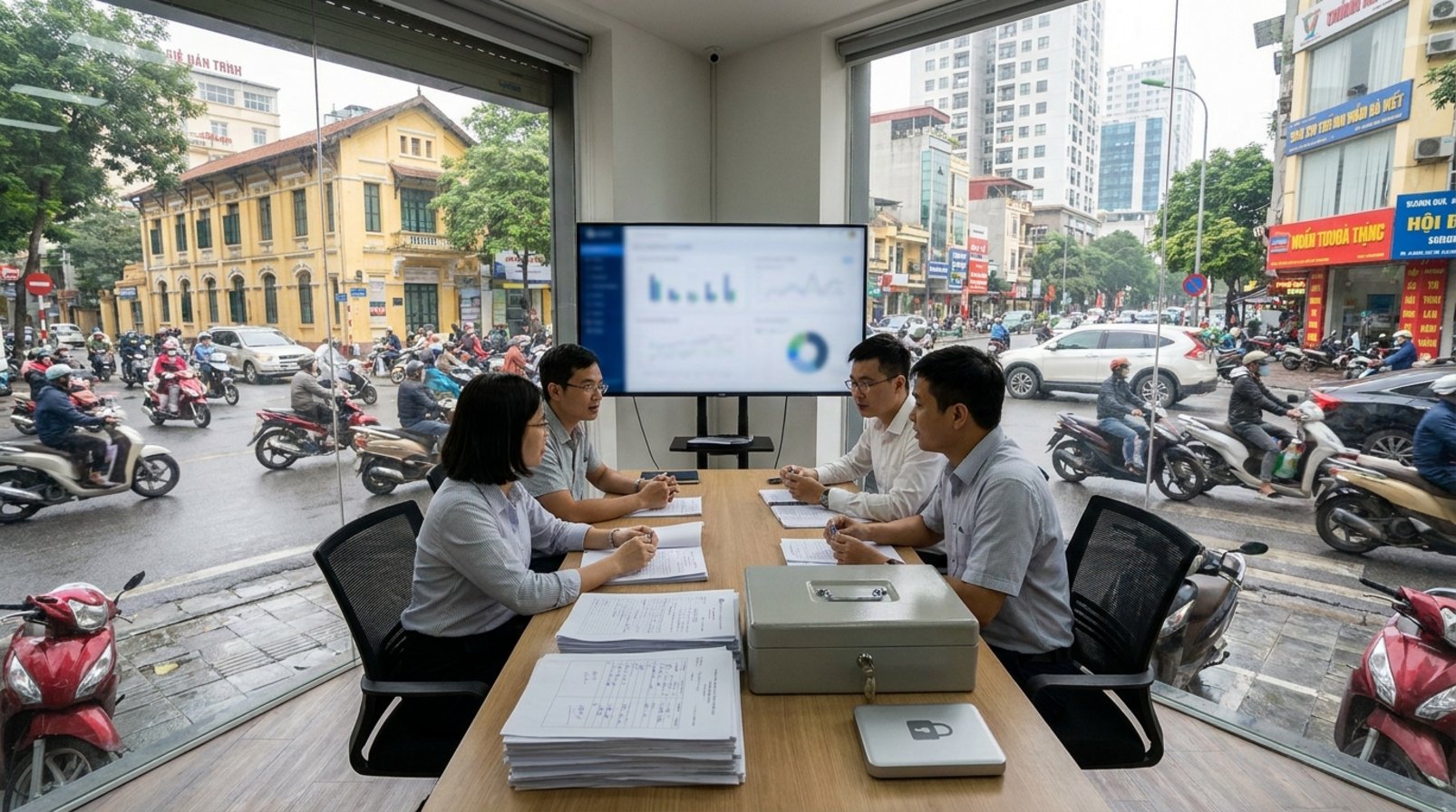
From the WSJ story, Vietnamese businesses should draw three lessons: first, do not choose AI only for standout features; second, evaluate vendors based on security and data control capabilities; third, see AI as part of the operating infrastructure, not just a “content creation tool.” For marketers, this is the time to combine creativity with disciplined risk management to use AI more sustainably.
In other words, the AI race is shifting from “who can do more” to “who can do more while staying safer.” And that is a metric worth watching for any brand building digital capabilities this year.
See more marketing news and guides at https://marketing365.vn.
Follow more updates from Marketing365 to stay up to date with the latest marketing trends.
Read more articles in the same category Digital Trends.
This article focuses on Chinese AI and cybersecurity with a perspective for the Vietnamese market.
Score AI vendors on data control, not only features
- Evaluate AI vendors on security and data-control capabilities, not only on standout features or benchmark scores.
- Add an explicit security layer and an input/output review process to any AI-powered campaign before scaling it.
- Treat AI as part of your operating infrastructure, with clear rules on who can access data and how it is stored.
- Ask the accountability question upfront: what happens to your data, and who is responsible if something goes wrong.
- Watch specialized capabilities such as threat detection and incident response, because leadership in narrow tasks can shift faster than overall model rankings.
Overall, for Vietnamese brands the practical lesson is to pick AI partners you can trust with data, wrap them in clear governance, and treat safety as part of performance rather than a trade-off against it.