
Contents
- Shen Research brings $VAULTS to Robinhood Chain, testing an “index layer” for tokenized assets
- OpenAI says GPT-5.6 Sol sets a new cybersecurity benchmark
- ChatGPT Sites turns ChatGPT into a place to build websites and fast workspaces
- A wave of debate over AI regulation and the advantage of open source
- Kimi K3 climbs to the top of coding agent rankings, and its price is also pressuring the market
- OpenAI Developers emphasizes the real-world deployment efficiency of GPT-5.6
- Google opens the Build with Gemini xprize Hackathon through August 2026
- Kimi K3 helps China surpass the US on the Frontend Code Arena for the first time
- GPT-5.6 Sol and Grok 4.5 are being mentioned as replacements for design workflows
- Rox launches ask-web with a focus on optimizing cost per query
- IREN continues to be seen as a neutral AI infrastructure provider
- Meta was misunderstood as having “excess compute,” but the reality is a sign of huge demand
- Four frontier launches in just eight days show how quickly AI leadership is changing
- An internal AI model trained on Kalshi data is being watched as a forecasting tool
- The Anthropic debate heats up as Kimi K3 puts pressure on price and value
- Pixel 11 Series leaks focus on Gemini, Tensor G6 and Qi2 charging
- OpenAI, ChatGPT and the wave of multimodal AI tools for work, design and coding
- BitAgent launches on Base, betting on the on-chain agent economy
- OpenAI integrates Codex directly into ChatGPT, pushing a multi-mode work model
- Kimi K3 shows how much the frontier curve has shifted in just seven weeks
- Kimi K3 continues to put direct pressure on Anthropic
- BridgeBench: Kimi K3 beats Fable 5 by a wide margin across many categories
- AMD is expected to benefit from the AI infrastructure boom and inference demand
- References
This week, the global AI race continued to heat up on the two fronts that matter most to marketers: execution power and deployment cost. From open-source models rising to parity with, or even surpassing, some closed systems, to major platforms turning AI into a “workspace” and “infrastructure” layer rather than just a chatbot, the market is entering a very rapid repricing phase. For Vietnamese businesses, this directly affects how tools are chosen, content workflows are built, sales automation is set up, and technology budgets are forecast.
Key points
- Kimi K3 caused a major shock as it quickly climbed multiple coding leaderboards, while reigniting the debate over open weights and the value of closed models.
- OpenAI is pushing ChatGPT toward a “super app” direction with Chat, Work and Codex; Google, Meta and other companies are also continuously launching programs, hackathons and new AI products.
- Recent benchmarks show the gap between top labs is narrowing, while cost per task is increasingly becoming a core competitive variable.
- AI infrastructure, agent search, agent marketplaces and tokenized equities show the AI ecosystem expanding into finance, web search, software production and the on-chain economy.
Shen Research brings $VAULTS to Robinhood Chain, testing an “index layer” for tokenized assets
Shen Research, an early investor in Solana Labs and Anthropic, has just launched $VAULTS on Robinhood Chain. The project’s idea is to bundle tokenized stocks by sector into index-like “vaults,” then calculate the index price directly based on the underlying components. Each vault starts at 100, uses equal weighting and publicly discloses its holdings, weights and methodology.
The notable signal here is not just stock tokenization, but the need to create new benchmarks for digital assets. When assets are traded in a fragmented way, the market still needs reference tools to measure trends, compare performance and build derivatives. In other words, the “index” layer could become new infrastructure for real-world assets on-chain. Source: Marcus / @ShenResearch.
OpenAI says GPT-5.6 Sol sets a new cybersecurity benchmark
OpenAI said GPT-5.6 Sol achieved a new leading result on the “The Last Ones” cyber range, while also showing the ability to help security teams detect, verify and fix vulnerabilities in real-world code. The company also tied this message to Codex Security, emphasizing that AI does not just write code but also helps defend it.

For businesses, this is an important signal: AI value is shifting from “writing faster” to “reducing operational risk.” Marketing and product teams often depend on websites, landing pages, CRM systems and APIs; if AI can help with security checks, campaign launch times will be less likely to be blocked by technical issues. Source: OpenAI.
ChatGPT Sites turns ChatGPT into a place to build websites and fast workspaces
ChatGPT continues to expand as a lightweight content and product-building tool. According to the message from the ChatGPT app, users can use ChatGPT Sites to make games, launch small businesses, create handoff pages when going on leave, showcase photo portfolios, publish research or set up a team hub.

The notable point is that the barrier from “idea to draft” is dropping sharply. For marketers, this means being able to build test landing pages, internal microsites, event pages or document hubs without a heavy dev process. It does not replace professional products, but it is enough to speed up experimentation. Source: ChatGPT.
A wave of debate over AI regulation and the advantage of open source
A series of discussions around remarks by Dean Ball, head of Strategic Futures at OpenAI, shows that AI policy is becoming increasingly polarized. The debate centers on whether some regulations may unintentionally make life harder for the open-source ecosystem and create an advantage for large companies. At the same time, Dean Ball also commented that some new models from China, such as Kimi, show very high quality and that their open-weight release is noteworthy.
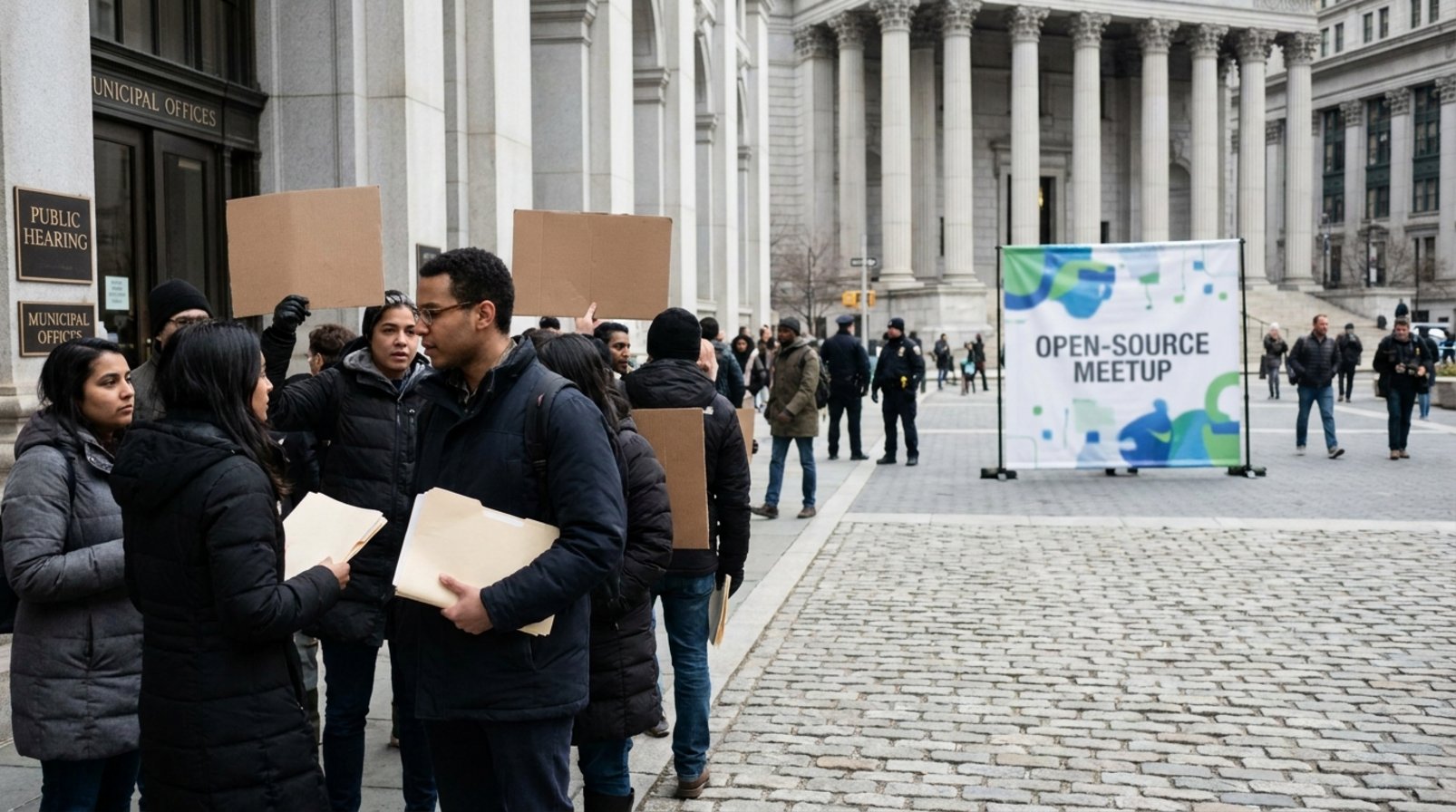
Behind this controversy lies a familiar but still unanswered question: how should AI be regulated so that it is both safe and not stifling competition? For the market, this is a strategic issue because regulation will determine who is allowed to use, deploy and commercialize the strongest models. Source: SE Gyges citing Dean Ball.
Kimi K3 climbs to the top of coding agent rankings, and its price is also pressuring the market
Artificial Analysis says Kimi K3 in Kimi Code CLI scored 57 points, ranking 5th on the Artificial Analysis Coding Agent Index. The model is very close to strong rivals such as Grok 4.5, GPT-5.6 Terra and GPT-5.5, while outperforming Opus 4.8 in some tests. Another notable point is its average cost of around 3.18 USD per task, far lower than many other premium models.

This is the kind of signal marketers and tech businesses cannot ignore: if performance is close to the leaders but the price is significantly lower, the AI buying decision shifts from “choose the brand” to “choose the best value per task.” Source: Artificial Analysis.
OpenAI Developers emphasizes the real-world deployment efficiency of GPT-5.6
The OpenAI Developers account shows the builder community using GPT-5.6 to ship products faster, alongside the message “10,000 reasons users love GPT-5.6 Sol.” While the content is promotional, it reflects a very clear strategy: OpenAI wants to prove the new model delivers immediate benefits in real workflows, not just benchmark wins.

For Vietnamese businesses, the lesson is not to ask only which model is “smarter,” but which one helps shorten time-to-market, reduce the number of steps and integrate easily into existing workflows. Source: OpenAIDevs.
Google opens the Build with Gemini xprize Hackathon through August 2026
Google AI Developers announced the Build with Gemini @xprize Hackathon, running until 17/8/2026 with total prizes of 2 million USD. The program encourages participants to build startups that solve real-world problems, using tools such as Gemini Deep Research, Gemini Spark and Google AI Studio to move from idea to product.
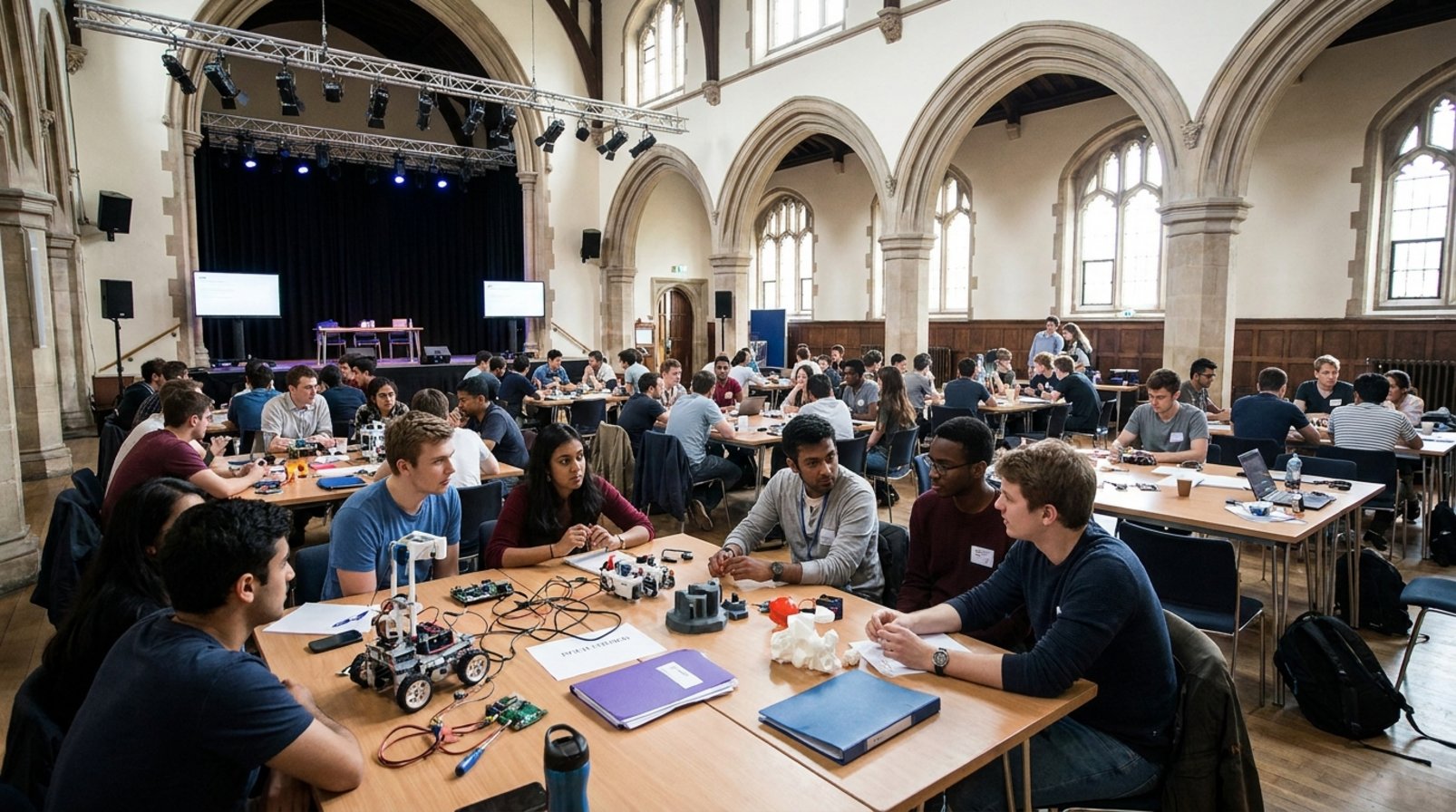
For the startup ecosystem, this is how major platforms pull developers and founders into their own product pipeline. AI is no longer just a single API; it is a complete toolkit from research and prototyping to launch. Source: Google AI Developers.
Kimi K3 helps China surpass the US on the Frontend Code Arena for the first time
According to Arena.ai, with the arrival of Kimi K3, China has for the first time gained an advantage over the US on the Frontend Code Arena. This is a notable milestone because Chinese models previously rarely reached the top group in frontend programming.
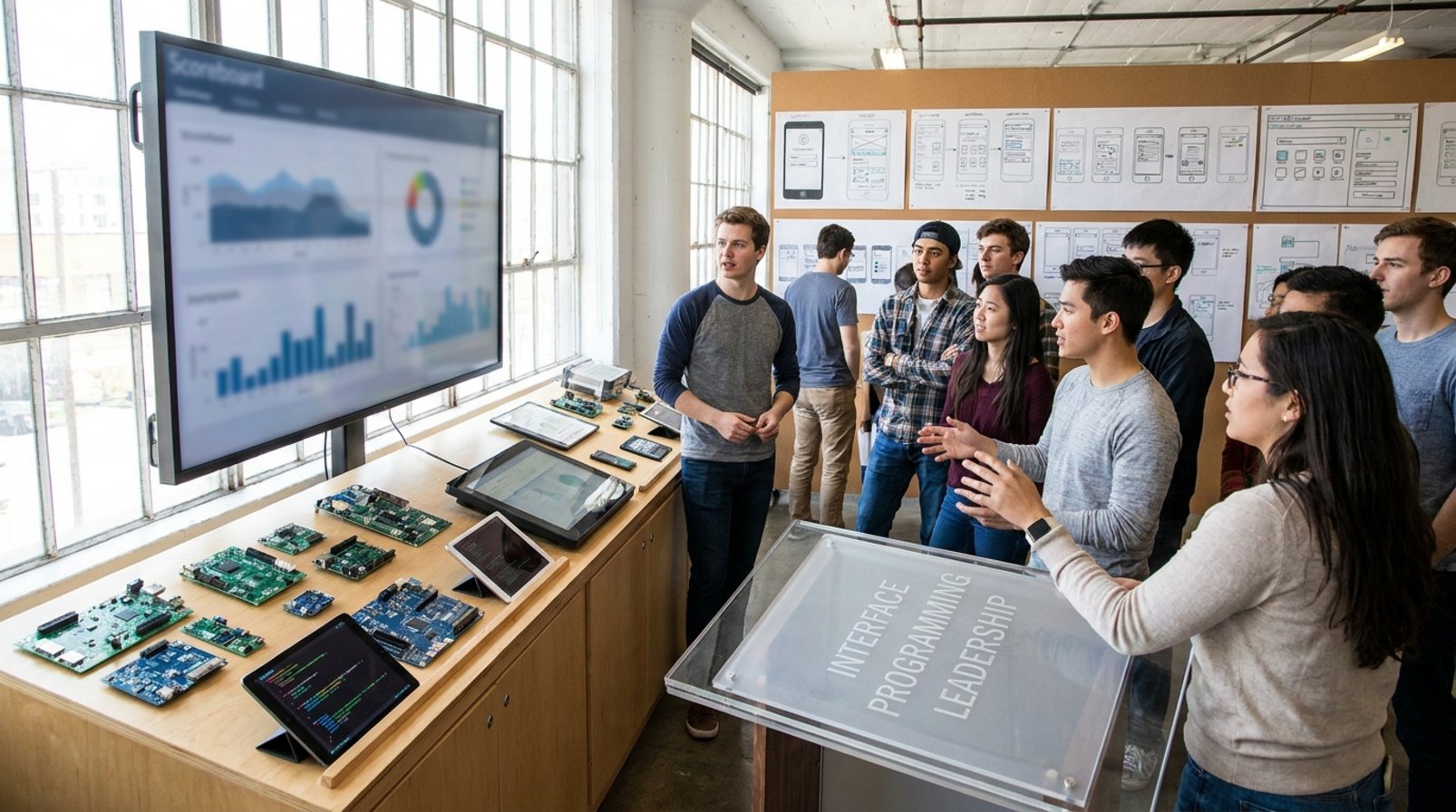
The significance of this event is not just the ranking, but its symbolism: the AI race is shifting from “who releases the model first” to “who performs best on each narrow task.” For digital product teams, frontend coding is a very commercially important area because it directly affects the speed of launching landing pages, dashboards and internal apps. Source: Arena.ai.
GPT-5.6 Sol and Grok 4.5 are being mentioned as replacements for design workflows
Investor Bindu Reddy said she has been testing new models for design work, with GPT-5.6 Sol seen as better than Opus and Grok 4.5 able to replace some Haiku tasks. This is a small but important signal: frontier models are gradually being pulled into creative workflows, where users care more about speed, usability and stability than technical metrics alone.

For marketers, this opens up better automation in layout creation, mockups, ad variations and presentation materials. Source: Bindu Reddy.
Rox launches ask-web with a focus on optimizing cost per query
Rox introduced ask-web, an internal web search agent said to achieve 91.3% accuracy at a cost of 1.03 cents per query on real production prompts. The company said the system has been running for more than 6 months with continuous evals, while also comparing itself with providers such as OpenAI, Anthropic, Exa and Perplexity.
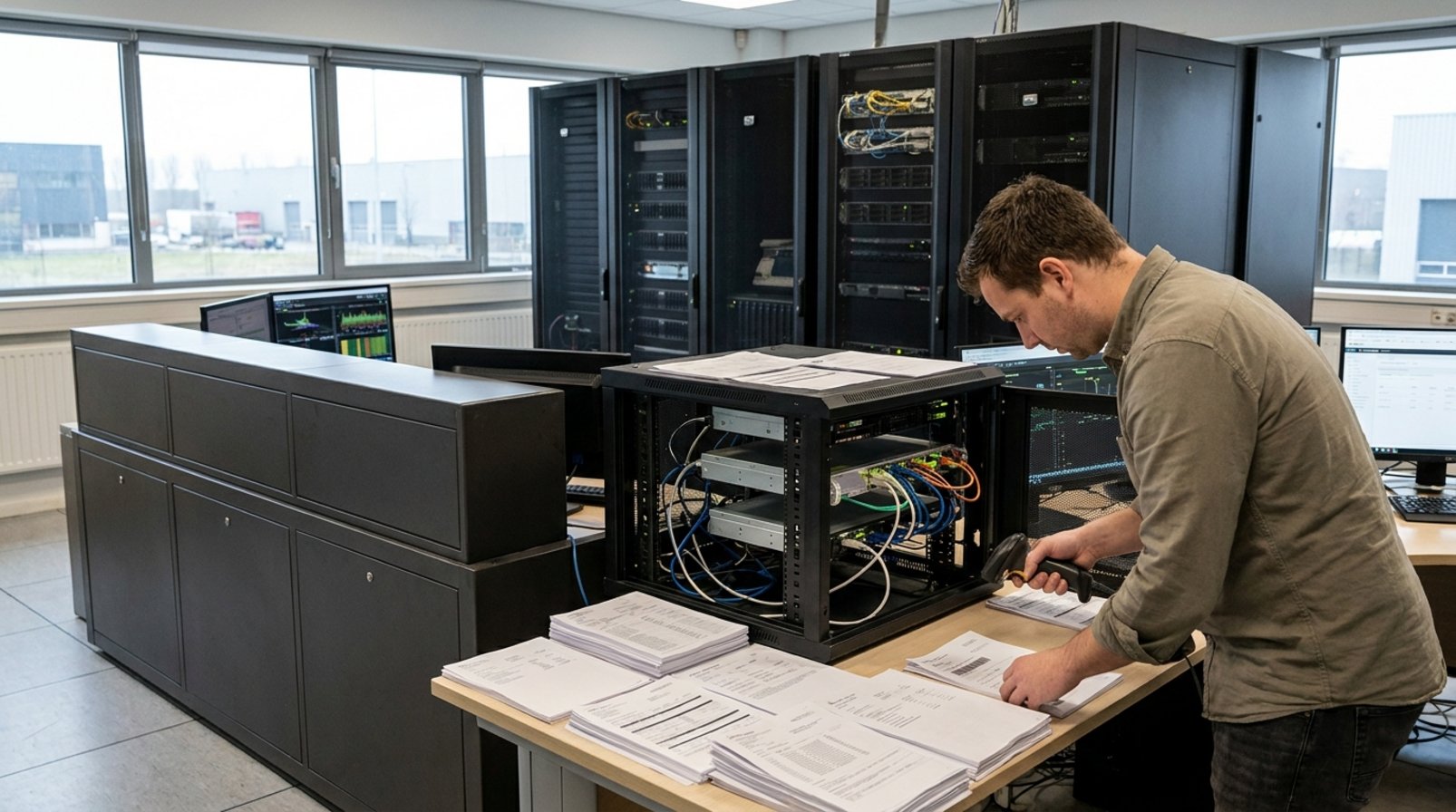
This news shows that the new competitive axis in AI search is not just “smart,” but “worth the money.” For marketing teams, an AI search agent can support content research, quick fact-checking, source filtering and market summarization if designed properly. Source: Rox.
IREN continues to be seen as a neutral AI infrastructure provider
Analysis of IREN emphasizes that the company is positioning itself as a neutral AI infrastructure provider, independent of which model wins. IREN’s value is described as lying in power, GPU racks, liquid cooling, networking, data center operations and secure isolation capabilities.
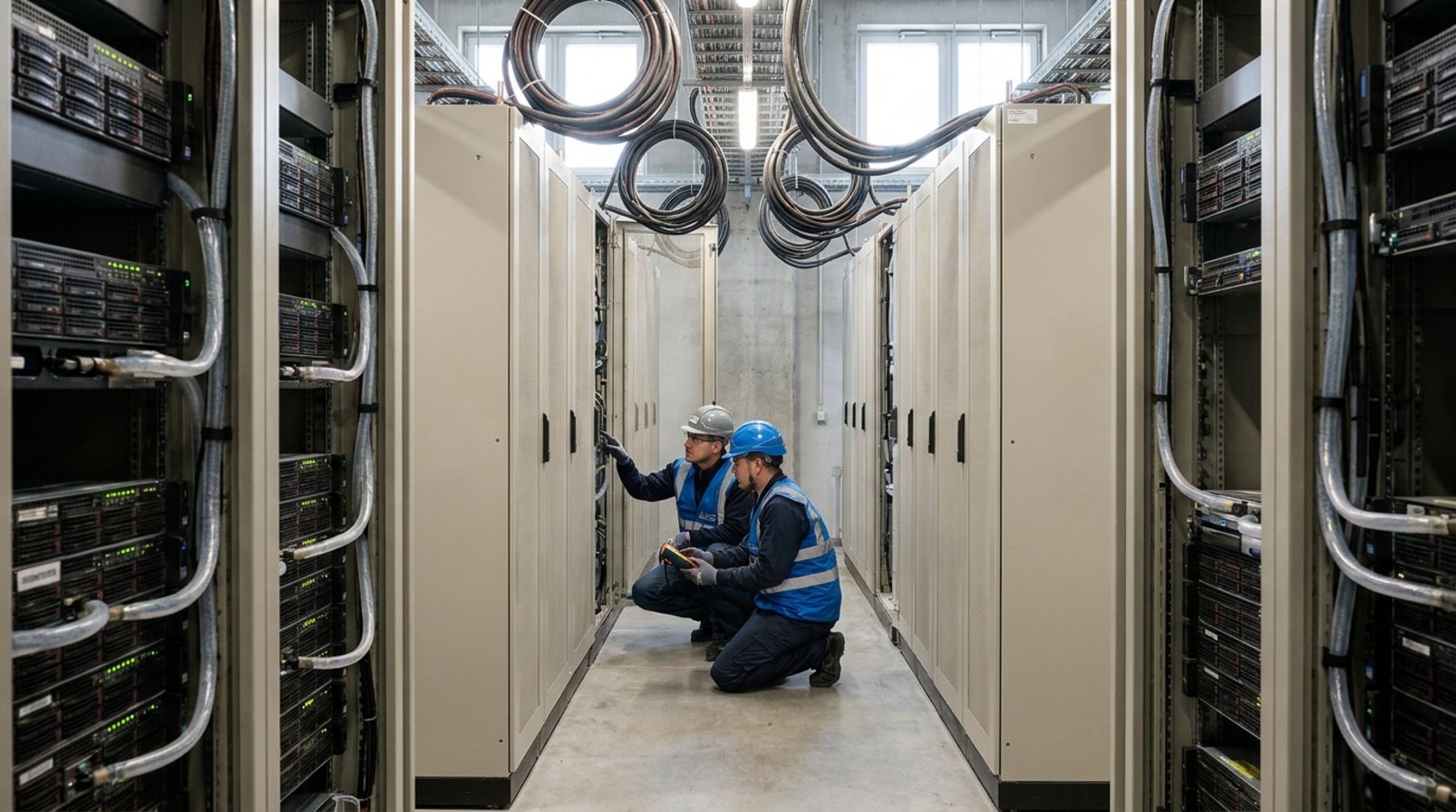
The big message here is that AI is not only creating a model war; it is also creating an infrastructure war. As multiple labs accelerate, demand for compute, power and data centers becomes the deciding factor in which models can actually be deployed at scale. Source: franklee6924x.
Meta was misunderstood as having “excess compute,” but the reality is a sign of huge demand
An analysis of Meta’s “compute saga” shows the market was once concerned when Bloomberg reported the company was looking to sell excess compute. But soon after, Meta sharply raised its infrastructure ambitions: putting its internal AI chip Iris into production, increasing its compute target to 14GW by 2027 and expanding data centers in Louisiana at scale.

The important message for observers is that what is called “excess” may simply be inventory waiting for the market to absorb it. When compute demand is large enough, temporarily unused capacity can become a valuable product. Source: CK Capital.
Four frontier launches in just eight days show how quickly AI leadership is changing
Read more: When AI Moves into Hardware: What Marketers Should Plan For
Artificial Analysis summarized that there were four notable launches in just eight days: Grok 4.5, GPT-5.6, Muse Spark 1.1 and Kimi K3. There are now six labs with models above 50 points on the Artificial Analysis Intelligence Index, a sharp increase from early June. The top 3 also come from three different labs and are separated by only 3 points.
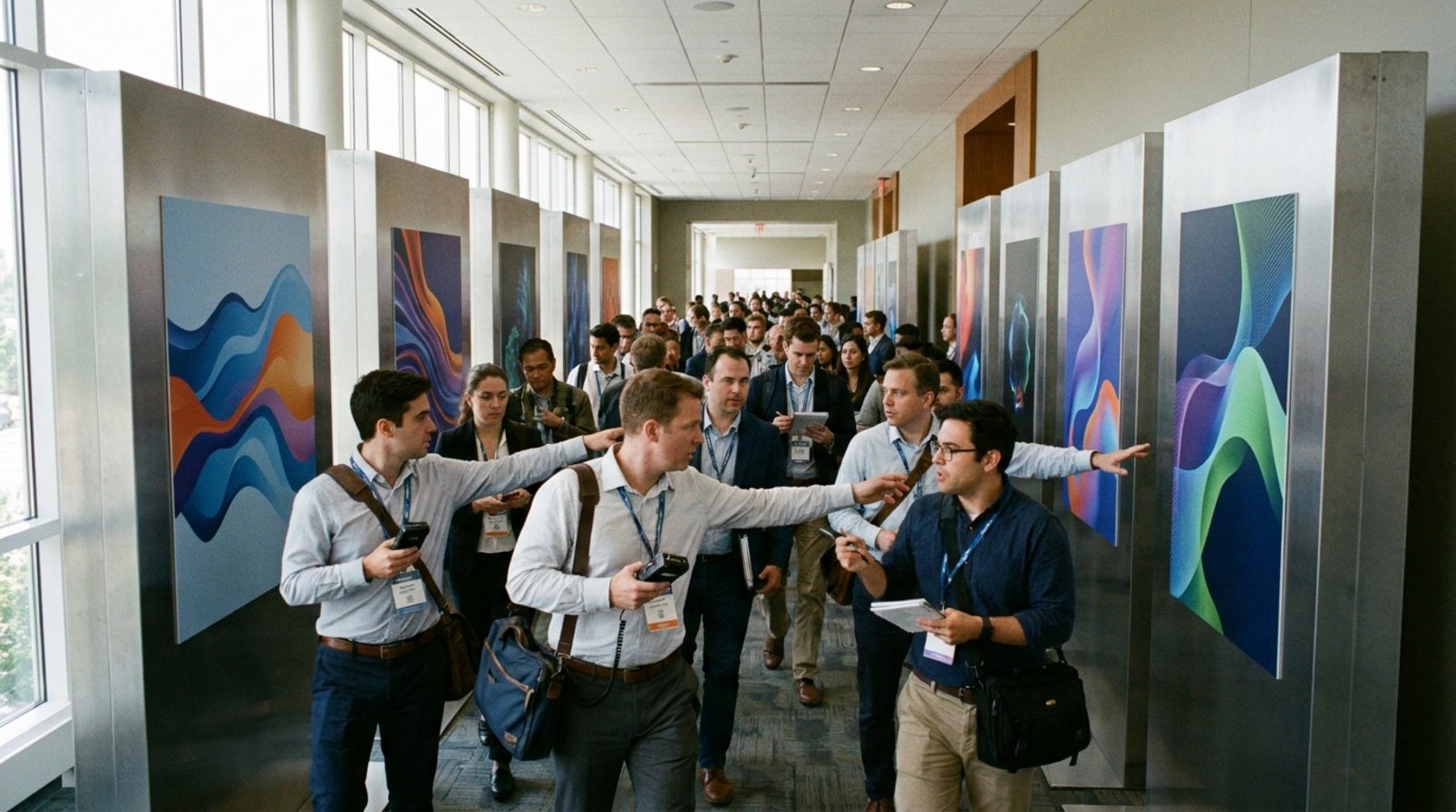
This shows the gap between top models is narrowing very quickly, while the price of the underlying “intelligence” is falling. For businesses, this is a good time to reassess the AI stack, because the difference between the leader and the challengers is no longer as wide as before. Source: Artificial Analysis.
An internal AI model trained on Kalshi data is being watched as a forecasting tool
Brian Roemmele said he is testing a new local AI model trained on Kalshi market prediction data and currently tracking at a 9.8% Edge. While that figure needs to be understood in the proper testing context, it reflects the growing trend of using AI to build specialized forecasting models.

This is a direction that fits growth and performance marketing teams very well: instead of asking AI generic questions, people are starting to use AI to infer signals from proprietary data, then make decisions about budgets, campaign timing or market behavior forecasts. Source: Brian Roemmele.
The Anthropic debate heats up as Kimi K3 puts pressure on price and value
Xiaoyin Qu raised a series of questions targeting Anthropic’s pricing after Kimi K3 appeared: why is Claude so much more expensive, what should businesses be paying extra for, and what is the company’s long-term moat if open-weight models catch up? Anthropic’s likely response was also outlined: push Claude applications harder, move toward outcome-based AI, increase messaging around safety and continue releasing new models.

This is the core debate in today’s AI market: if model quality is gradually converging, value will shift to product, data, distribution and ecosystem. For marketers, it is a reminder that choosing an AI platform is not just choosing a model, but choosing a provider strategy as well. Source: Xiaoyin Qu.
Pixel 11 Series leaks focus on Gemini, Tensor G6 and Qi2 charging
New leaks suggest the Pixel 11 Series may launch globally on 12/8 and in India on 13/8. The circulating spec list highlights the Tensor G6 chip, Titan M3, MediaTek M90 modem, up to 16GB RAM, a larger battery and improved Gemini experiences. The Pro Fold line is also rumored to be thinner, with a new camera module and IP68 rating.
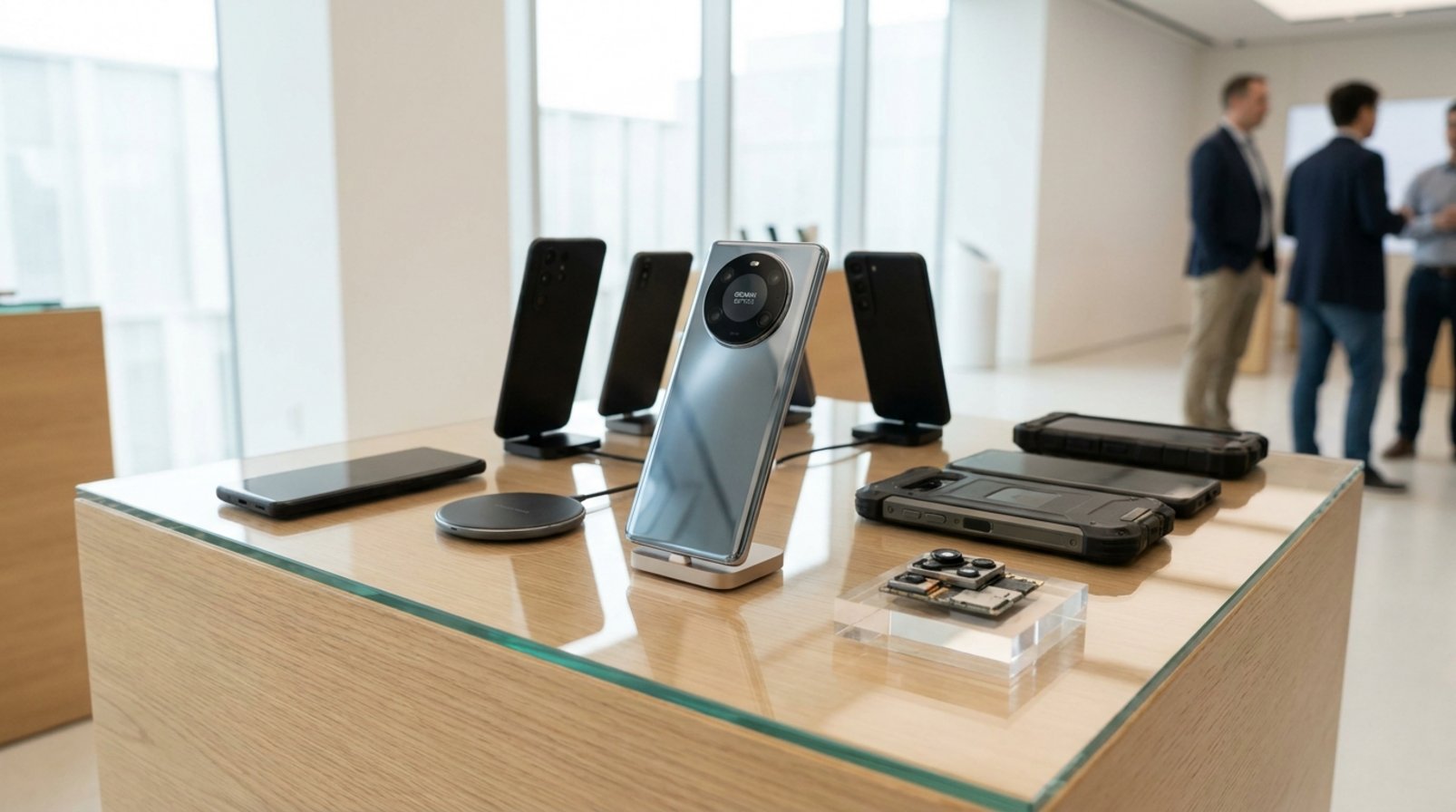
For tech marketing, devices like Pixel are often seen as a showcase for how AI enters everyday user experiences. As AI becomes more tightly connected to the camera, search and personal assistant functions, product marketing content has to tell a story about real benefits rather than just specifications. Source: Gadgetsdata.
OpenAI, ChatGPT and the wave of multimodal AI tools for work, design and coding
The three most notable trends for Vietnamese businesses are: AI models are getting cheaper per task, open weights are accelerating, and AI is moving deeper into workflows instead of stopping at chatbots. This opens opportunities for marketing, sales and product teams to use AI to build landing pages, do research, perform basic security checks, create prototypes and automate customer care.

However, the lesson from the benchmark wave is also very clear: do not buy AI just because it is “hot.” Choose based on four criteria: accuracy on the real task, cost per task, ability to integrate with current systems and data terms. For the Vietnamese market, the advantage will belong to teams that test quickly, measure tightly and use AI to increase productivity rather than chase feature lists. Source: compiled from the sources above.
BitAgent launches on Base, betting on the on-chain agent economy
Unibase announced that BitAgent has officially launched on Base, combining an AI agent launchpad with an agent services marketplace based on the B20 token standard. The ecosystem they describe includes persistent memory for AI, identity and multi-agent coordination protocols, and the ability for agents to launch, collaborate and earn on-chain.

This trend shows AI agents are being packaged into a new economy, where value lies not only in the model but also in identity, memory, discoverability and payment. For marketers, this is an important building block for future distributed automation applications. Source: Unibase.
OpenAI integrates Codex directly into ChatGPT, pushing a multi-mode work model
According to community descriptions, OpenAI is turning ChatGPT into a three-mode system: Chat for idea exchange, Work for documents and analysis, and Codex for code and large projects. The notable point is that Work and Codex appear to share the same limits, meaning users have to think carefully about which mode to use before acting.

This is a strategic move: ChatGPT is no longer just a place for Q&A, but a unified workspace. For businesses, this could change how AI credits are allocated and how internal workflows are structured, because an “accidental” task can also consume the quota needed for a more important one. Source: iamrexei.
Kimi K3 shows how much the frontier curve has shifted in just seven weeks
Akshay Pachaar emphasized that in just seven weeks, the capability baseline for public models has changed significantly. Kimi K3 is said to outperform Claude Opus 4.8 in four of the five benchmarks mentioned, while also opening up the possibility of downloading weights to run locally. The piece also highlights the risk of renting models via API: prices can change, service can be downgraded or availability can be cut off.
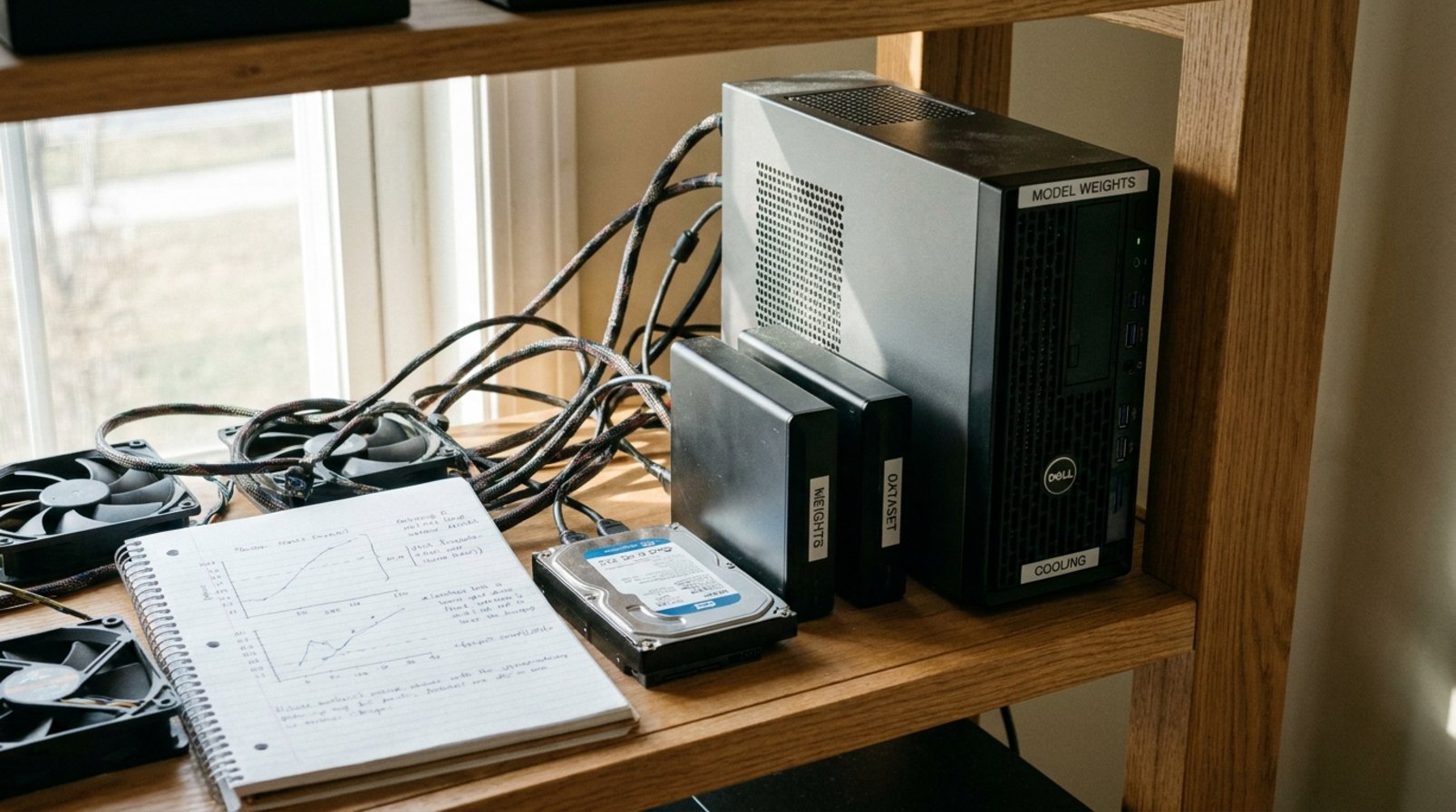
For product teams, the “ownership of weights” factor is very important for use cases that require privacy, stability and deep customization. This is the advantage open weights are using to attack traditional rented models aggressively. Source: Akshay Pachaar.
Kimi K3 continues to put direct pressure on Anthropic
Brian Roemmele described Kimi K3 as a “hard hit” to Anthropic: a 2.8 trillion-parameter, open-weight-leaning model that strongly targets web dev and long-form coding tasks right at launch, while costing only about one-third of competitors. His view is that the “safety” message once used to justify closed models is no longer persuasive enough.

Even if the wording is very strong, the main point is what the market needs to note: if an open model can do product-building work well, pressure on premium tollbooths will rise very quickly. Source: Brian Roemmele.
BridgeBench: Kimi K3 beats Fable 5 by a wide margin across many categories
Bridgebench says Kimi K3 is currently winning head-to-head against Fable 5 on the same test set, with 7 wins across 8 arenas, including a 9-0 win in Refactoring and a 6-1 win in Debugging. Fable 5 only won on speed. These are striking numbers because Fable 5 was previously considered one of the most formidable models.
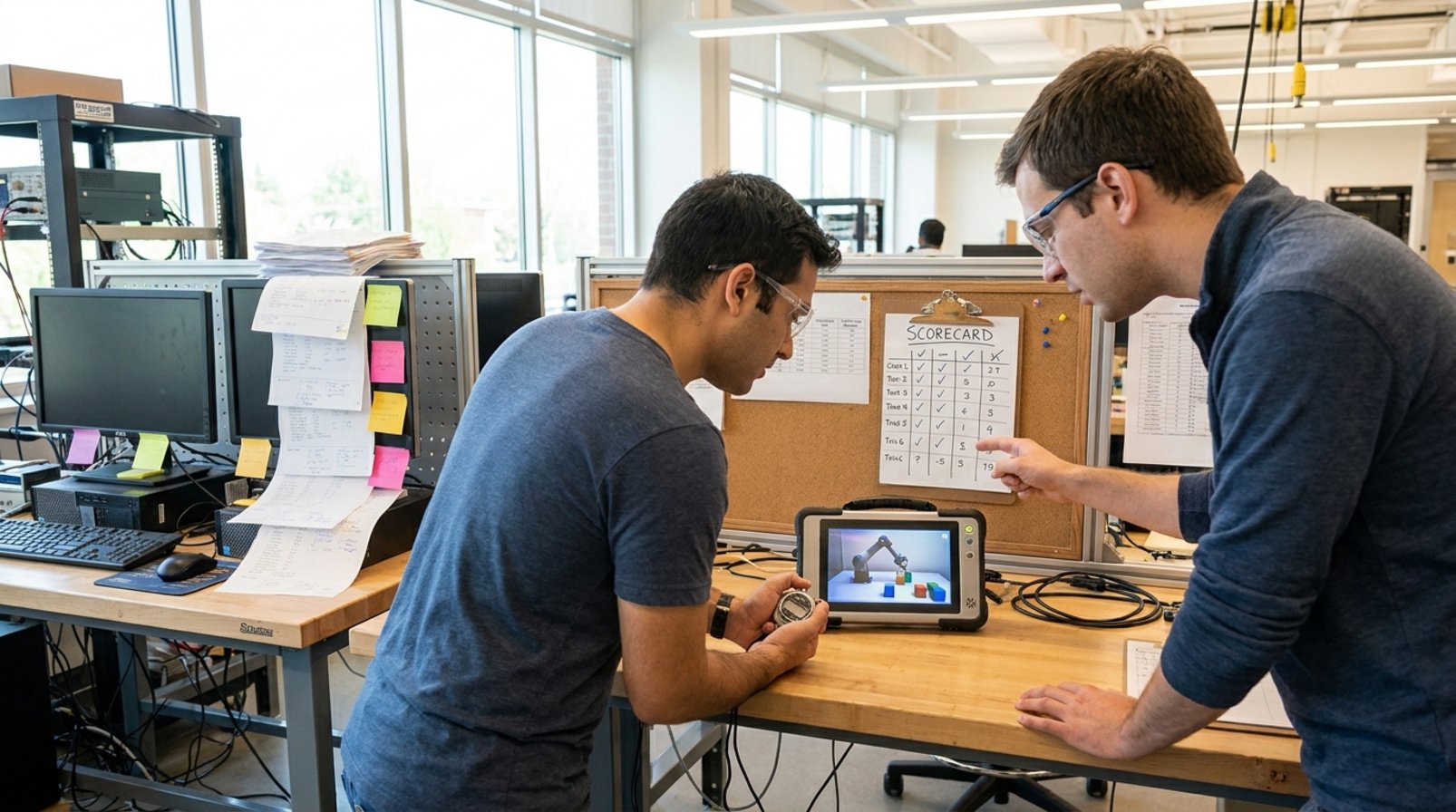
When a newly launched model already outperforms significantly on evaluations designed for real work, the competitive story shifts from “who is strongest” to “who is most durable and who can keep the advantage long enough.” Source: Bridgebench.
AMD is expected to benefit from the AI infrastructure boom and inference demand
Jefferies’ analysis of AMD’s Advancing AI 2026 event shows the market is waiting for details on expanded CPU TAM, the MI500 line on CDNA 6, 2nm progress, HBM4E, and scaling up to 256 GPUs per rack. There is also expectation around networking, optical interconnect and major customer deals.
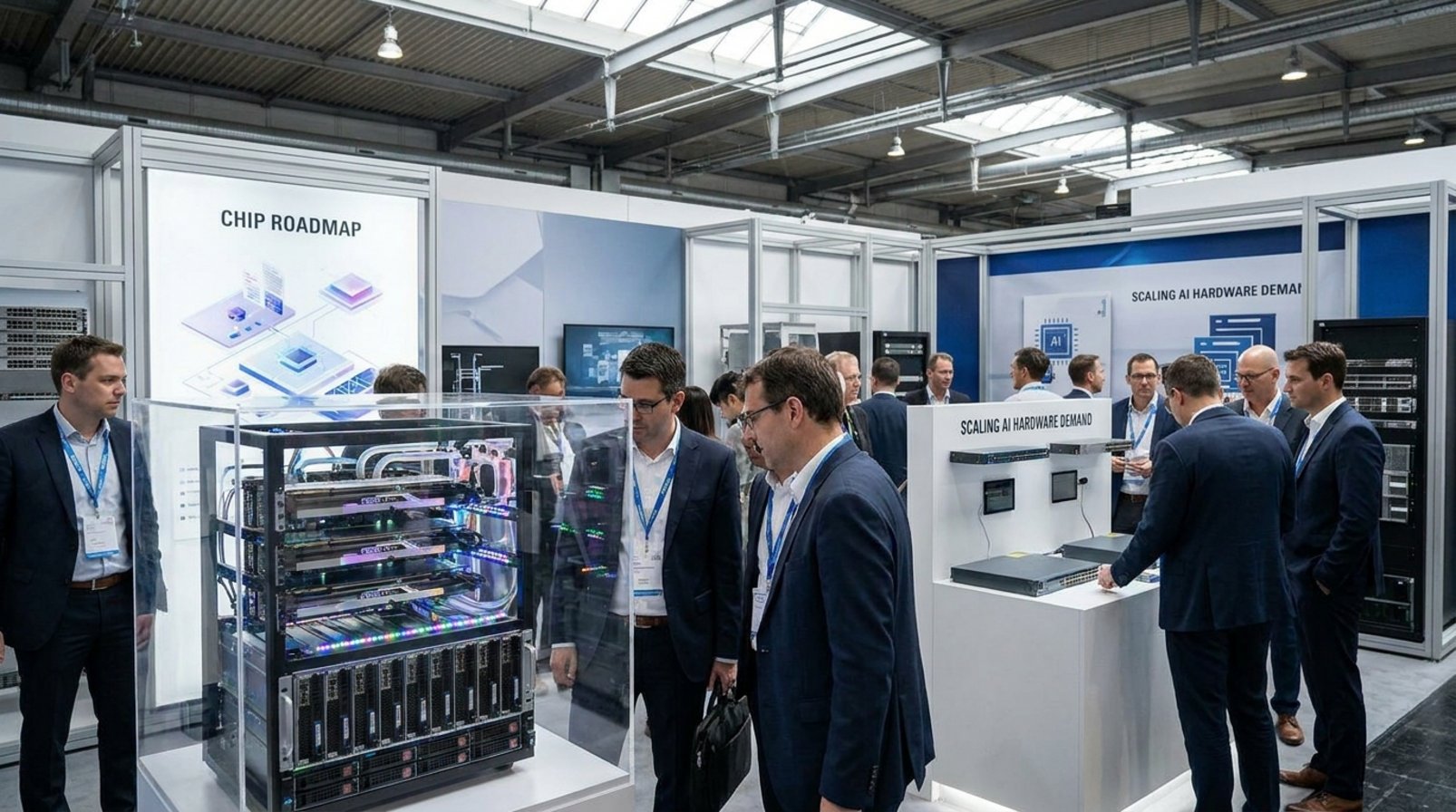
This shows that AI is not only a software or model story; it is also a game of chips, racks, networking and power. With the rise of agentic AI and stronger inference demand, infrastructure providers like AMD could benefit if they can prove strong performance, scalability and ecosystem support. Source: MikeLongTerm citing Jefferies.
See more marketing news and guides at https://marketing365.vn.
Follow more updates from Marketing365 to stay on top of the latest marketing trends.
Read more articles in the AI Developments category.
This article focuses on the latest AI news with a perspective for the Vietnamese market.
References
- Marcus (@marcushan_) — Shen Research launches $VAULTS on Robinhood Chain
- OpenAI (@OpenAI) — GPT-5.6 Sol cybersecurity update
- ChatGPT (@ChatGPTapp) — ChatGPT sites announcement
- SE Gyges (@segyges) — discussion citing Dean Ball comments on Kimi and open source regulation
- Artificial Analysis (@ArtificialAnlys) — Kimi K3 coding agent index results
- OpenAI Developers (@OpenAIDevs) — GPT-5.6 builder examples
- Google AI Developers (@googleaidevs) — Build with Gemini xprize Hackathon
- Arena.ai (@arena) — Kimi-K3 leads Frontend Code Arena
- Bindu Reddy (@bindureddy) — GPT 5.6 Sol and Grok 4.5 design workflow comments
- Rox (@rox_ai) — ask-web search agent launch
- franklee6924x — IREN commercial positioning thread
- CK Capital (@CKCapitalxx) — Meta compute saga analysis
- Artificial Analysis (@ArtificialAnlys) — frontier launches in eight days
- Brian Roemmele (@BrianRoemmele) — Kalshi-trained local AI model
- Xiaoyin Qu (@quxiaoyin) — Anthropic questions after Kimi K3
- Gadgetsdata (@Gadgetsdata) — Pixel 11 Series rumors
- Unibase (@Unibase_AI) — BitAgent launch on Base
- iamrexei (@iamrexei) — Codex integrated into ChatGPT
- Akshay 🚀 (@akshay_pachaar) — Kimi K3 benchmark comparison
- Brian Roemmele (@BrianRoemmele) — Kimi K3 commentary
- Bridgebench (@bridgebench) — Kimi K3 vs Fable 5 head-to-head
- Mike (@MikeLongTerm) — Jefferies note on AMD Advancing AI 2026