
Contents
- Bing Webmaster Tools may soon expand country-level reporting
- Google recommends adding all domain variants when moving a website
- Google Business Profiles adds an Activities button in the dashboard
- Google tests 3D models with source attribution in product results
- Google Discover is showing more content from News Showcase
- AI Search may be making “self-praise” backfire
- A new AI Search approach is exposing the weakness of biased content
- When traffic drops but leads improve: B2B marketing is changing the rules
- SEO is shifting to a race for data, trust and business impact
- References
As of mid-2026, a wave of SEO and search changes across Google and Bing — from data reporting and business-profile management to product visibility and how AI Search selects sources — is reshaping the landscape faster than usual. For Vietnamese marketers, these are direct signals for content optimization, performance measurement, and budget allocation, not just tech headlines.
Bing Webmaster Tools may soon expand country-level reporting
According to Search Engine Roundtable, Bing is considering expanding country reporting capabilities in Bing Webmaster Tools. If this feature is rolled out, website administrators will gain a more detailed view of search performance by market.

This is a noteworthy signal for multi-market brands. From an SEO perspective, country-level reporting helps teams more easily spot differences in search demand, rankings, or traffic behavior across regions. For export businesses, SaaS companies, or brands with international customers, this data can support decisions around language, content, and website structure.
Source: Search Engine Roundtable.
Google recommends adding all domain variants when moving a website
Google continues to emphasize an important point in the site migration process: if a website has multiple domain variants, all of them should be included in the Change of Address tool. The message is intended to reduce the risk of Google misunderstanding the scope of the move and disrupting the transfer of signals between site versions.

This is a technical detail, but it has a direct SEO impact when changing domains, moving to HTTPS, consolidating www/non-www versions, or migrating systems. For Vietnamese businesses that often operate multiple URL variants within the same project, checking every variant thoroughly before a site move is a step that should not be skipped.
Source: Search Engine Roundtable.
Google Business Profiles adds an Activities button in the dashboard
Google has added an Activities button to the Google Business Profiles dashboard. While this is not a major algorithmic “explosion,” it shows that Google continues to expand management touchpoints for local businesses.

For local SEO, any improvement in the dashboard can help businesses better track what is happening on their business profile: activity, engagement, and how users respond. This is especially useful for stores, retail chains, restaurants, clinics, or local service providers that rely heavily on near me searches and Google Maps.
Source: Search Engine Roundtable.
Google tests 3D models with source attribution in product results
According to observations from Search Engine Roundtable, Google is testing how to display attribution for 3D models in product results. This is a sign that the shopping experience on the SERP continues to become more visual, moving beyond static images or text descriptions.

For ecommerce, this change opens up another layer of competition: products that present better, have richer data, and use more visual content may gain an advantage in the decision-making journey. It also reminds retail brands to invest more in product data, imagery, and creative assets rather than optimizing description tags alone.
Source: Search Engine Roundtable.
Google Discover is showing more content from News Showcase
Google Discover appears to be showing more results from sites in Google News Showcase. If this trend continues, the distribution of news and timely content on Discover may increasingly tilt toward sources favored within Google’s news ecosystem.

This has major implications for newsrooms, publishers, and brands investing in news-driven content marketing. To have a chance of appearing on Discover, content must not only be on-topic but also highly trustworthy, frequently updated, and well suited to mobile reading behavior.
Source: Search Engine Roundtable.
Read more: Search Is Getting Layered, and Postponed Standardization Compounds
AI Search may be making “self-praise” backfire
Search Engine Journal argues that the tactic of writing “best” listicles to place your own brand at the top may be becoming less effective in AI Search. The author’s data suggests Google is changing how it handles self-promotional articles in AI Overviews.

This is an important warning for content SEO professionals. When AI Search prioritizes authority signals, user experience, and objectivity, overly biased articles may no longer be a shortcut to “gaming” results. On the contrary, they may reduce brand trust if users find the content too obvious.
Source: Search Engine Journal.
A new AI Search approach is exposing the weakness of biased content
The notable point in Search Engine Journal’s analysis is not only that self-promotional “best of” articles are becoming less useful, but also that AI Search tends to select reference sources very strictly. In other words, when a system answers a question by synthesizing multiple sources, unbalanced content may be ranked behind more trustworthy sources.

This is pushing a shift in SEO strategy: instead of simply trying to win placement in a listicle, brands should invest in evidence, expertise, case studies, real-world data, and genuinely useful content. In an AI-generated answers environment, being cited may matter more than self-labeling as “number one.”
Source: Search Engine Journal.
When traffic drops but leads improve: B2B marketing is changing the rules
Search Engine Journal also highlighted a topic of interest to many B2B businesses: traffic may decline, but lead quality and order value may increase. The reason is that AI tools are keeping the early research stage of the customer journey on the search results page instead of sending the entire process to the website.
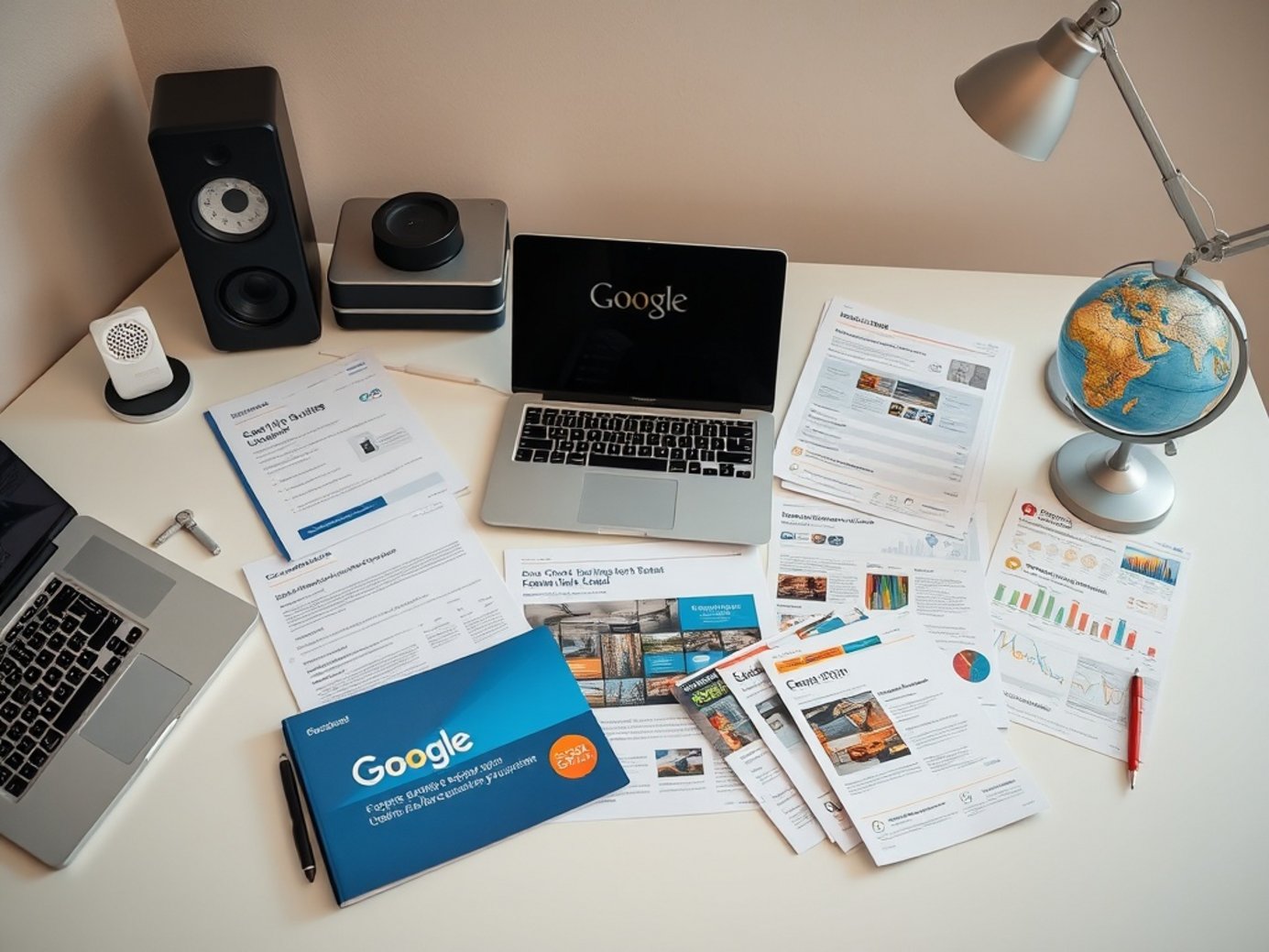
This is a major mindset shift for B2B SEO. In the past, marketing teams often measured success by traffic. But in the context of AI Overviews and automated answer tools, the more important metrics may be lead qualification, sales conversation quality, and the ability to shorten the deal-closing cycle.
Source: Search Engine Journal.
SEO is shifting to a race for data, trust and business impact
For Vietnamese marketers, these signals show that SEO is shifting from a race for rankings to a race for data, trust, and business impact. Businesses with multi-version websites need to carefully review their domain migration process; local teams should pay attention to changes in Google Business Profiles; and content brands need to be more cautious with overly promotional articles, especially as AI Search increasingly favors objective sources.
In B2B and ecommerce, the equation is changing too: more traffic is not necessarily better, but whether that traffic generates leads, revenue, and trust. So instead of optimizing only for clicks, SEO teams should work more closely with content, product, sales, and analytics to measure real impact across the full funnel.
In short, SEO in 2026 is no longer about optimizing a single page for a single keyword. It is about optimizing the entire content ecosystem and brand signals to match how Google, Bing, and AI Search read, understand, and choose sources.
Explore more marketing analysis & guides at Marketing365.
Read more articles in the Digital Trends category.
This article focuses on the latest SEO news with insights for the Vietnamese market.
References
- Daily Search Forum Recap: June 18, 2026
- Why Calling Yourself The Best Could Be Helping Your Competitors Win In AI Search
- Bing Webmaster Tools May Support More Country Reporting
- Google Business Profiles Dashboard Activities Button
- Google Tests 3D Model From Attribution In Product Results
- Google Discover Feed With More Google News Showcase Results
- Google: For Site Moves, Add All Domain Variants To Change Of Address Tool
- Less Traffic, Better Leads: Is Google Fixing B2B Marketing?