
Contents
AI is moving out of the role of a content-generation tool or a standalone chatbot and into the problem of real operations. When a standard like Model Hardware Standard appears at the same time as disputes over the right to use Claude in the public sector and new enterprise integrations, marketers can no longer look at AI as just software to buy quickly. The question changes to: which parts of an organization will AI make cheaper, and which parts will it make more expensive because they need tighter control?
Key points
- Model Hardware Standard shows that AI agent is about to work with physical devices, not just data and text.
- Anthropic, Salesforce, and disputes with the U.S. government all pull AI back to the same issue: who is allowed to let machines do what, and how far.
- The real cost of AI is gradually shifting from model purchase fees to integration, control, governance, and process training.
- In Vietnam, businesses will be forced to see AI as part of operations, not just a productivity tool.
AI is entering the stage where it must operate as part of the system
Two main sources make this very clear. Anthropic introduced Model Hardware Standard as a common specification for AI agent to safely control physical devices, from microscopes and liquid handlers to robotic arms, and even run multiple devices in parallel in lab or factory environments (Anthropic). On the other side, Salesforce announced Claudeforce to bring Claude into the data, workflow, business logic, and governance of the Salesforce platform, meaning AI no longer stands outside the process but goes straight into the place where work has to get done (Salesforce).
At the same time, the legal story around Anthropic also shows that the AI market is being tested at the level of organizational power. CBS News and TechCrunch both reported a federal court ruling blocking the Trump administration from labeling and punishing Anthropic over the company’s safety stance on Claude (CBS News; TechCrunch). That is not just a story about one AI company. It says that when AI touches government agencies, defense, or enterprise infrastructure, the question “how good is this model” is no longer enough. The real question is “what is it allowed to do, under what controls, and who is responsible if it goes wrong.”
What is changing in AI agent and governance — and how marketing teams must rethink budgets
This section looks directly at the cost mechanism. AI agent is no longer software that runs one query and returns a result. According to Anthropic, MHS is designed so an agent can control multiple devices at once in labs and factories; according to Salesforce, Claude is connected to governed data and workflows to generate controlled actions; and the dispute with the U.S. government shows that limits on AI use can become a legal and policy issue, not just a technical choice (Anthropic; Salesforce; CBS News).
Integration costs are rising: do not treat AI like a license fee
When AI starts touching workflows, internal data, and even physical devices, the biggest expense is no longer the model purchase fee. The larger cost is system integration, rule writing, access control, logging every action, and testing whether the agent actually does the right thing. Salesforce calls this an enterprise harness and governance layer; Anthropic, meanwhile, needs a dedicated standard just to let AI agent communicate with hardware. Together, these sources point to one thing: the cost of making AI “truly usable” usually lies in connecting it to the organization, not in the initial demo.
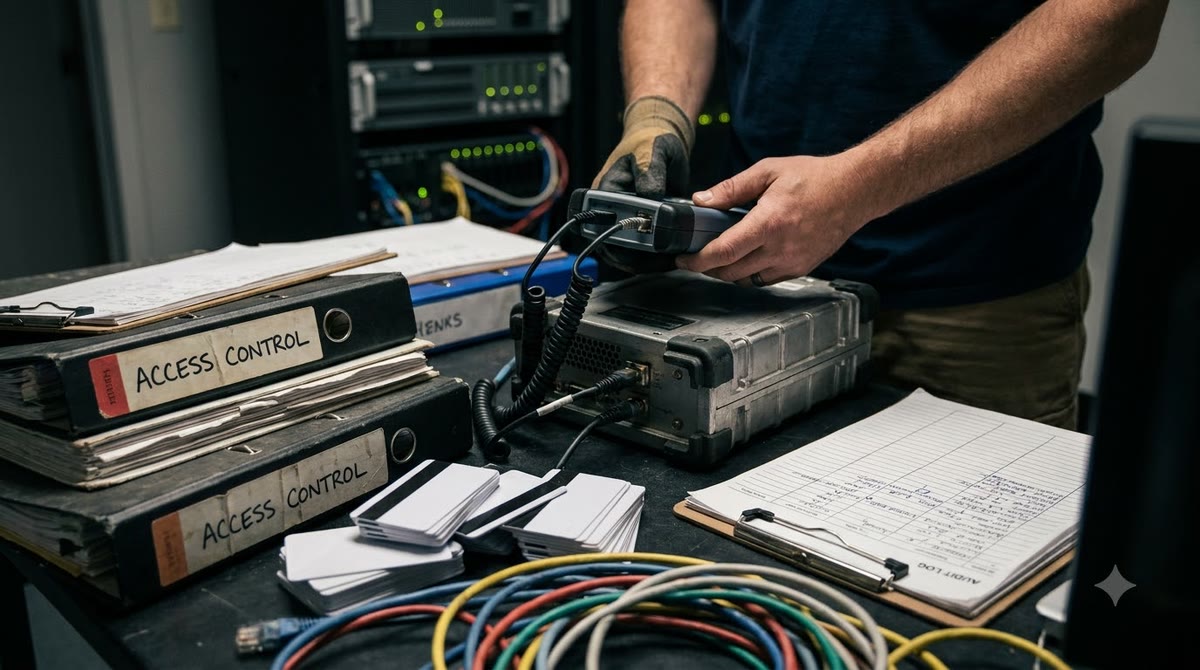
For marketers, that changes how ROI is calculated. An AI tool that only creates content faster is not necessarily cheap if the team still has to manually review it, fix workflows, and handle brand risk every time the model gets something wrong. Budgets should therefore shift from “buy more tools” to “buy control capability.”
How far can machines go: budgets must pay for control, not just speed
The ruling involving Anthropic shows that allowing AI into sensitive environments can be examined through the lens of free speech, due process, and the legality of administrative decisions. From a business perspective, it is a reminder that every agent system needs clear boundaries: what it can see, what it can edit, which steps it can run on its own, and when a human must approve (TechCrunch; CBS News).

This is the point many Vietnamese marketing teams overlook. They often pour budget into content creation, ads, or chat automation, but do not set aside money for approvals, prompt control, permissions, and audit trails. When AI moves from “suggesting” to “acting,” the most expensive layer is the one that blocks mistakes. If you want to use AI long term, the budget must make room for governance just as it makes room for media buying.
Enterprise trust is becoming the metric for buying AI
Salesforce does not sell Claudeforce as a standalone feature, but places it inside the logic of “trusted enterprise action.” In other words, trust is no longer a brand slogan; it is the condition for AI to expand into the enterprise. Anthropic is pushing the same message through MHS: if AI agent touches real devices, safety standards and coordination capabilities are mandatory, not optional extras (Salesforce; Anthropic).

For marketers, this is especially important in B2B, SaaS, fintech, healthtech, and products with sensitive data. Buyers are no longer only asking “can the AI do it” but “is the AI safe, can it be explained, and can it fit into the existing control process.” The criteria for choosing tools are therefore shifting from speed to reliability.
Vietnam will buy AI as part of operations, not as a gadget to try out
In Vietnam, the most visible impact will be that the way businesses evaluate AI will change faster than they can write policy. Many marketing teams still buy AI in a feature-by-feature trial mode: writing articles, generating images, supporting sales, internal chat. But when the global market has already moved into standards like MHS, enterprise integrations like Claudeforce, and legal disputes over the right to use AI inside large organizations, Vietnam will also be pulled in the same direction: questions about process, control, and accountability.
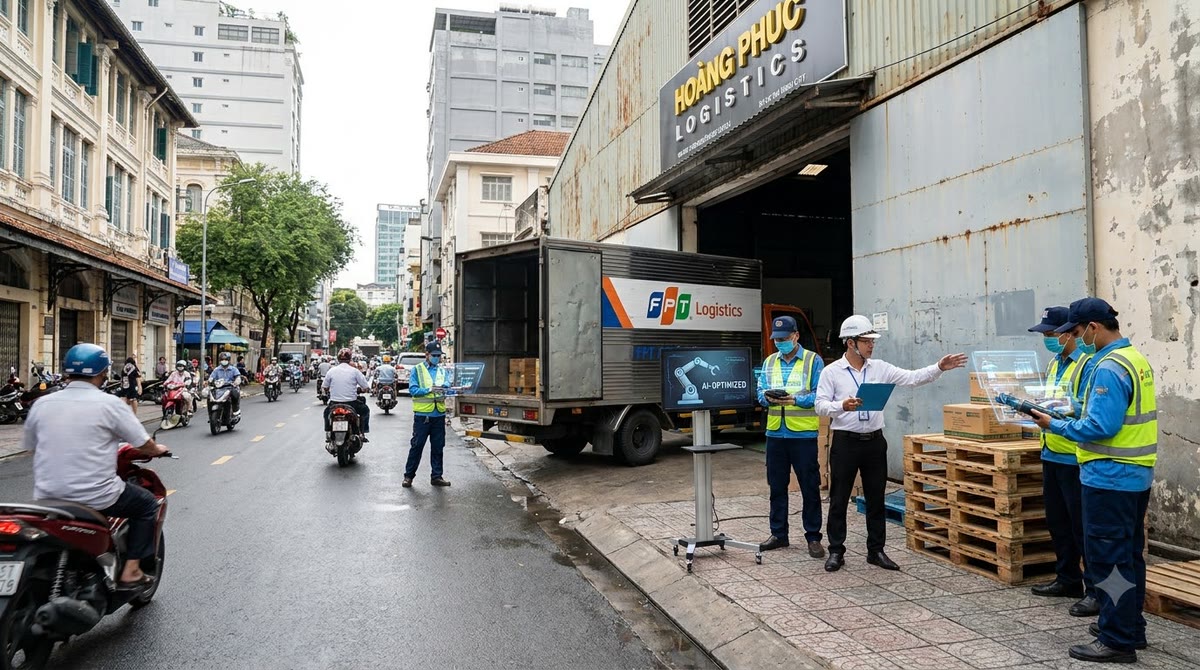
This is especially true for Vietnamese businesses running multichannel marketing. If AI only sits at the “produce faster” layer, it can be treated as an optional expense. But when AI starts touching CRM, tickets, knowledge bases, reports, or content approval workflows, it becomes part of the operating system. At that point, the buying question is no longer “is this tool good” but “does this tool really lighten the team’s load, or does it create another layer of work.”
From a budget perspective, Vietnamese marketers should prepare for three costs: integration with existing systems, output quality control, and internal user training. Without these three, AI can easily become a beautiful demo tool that is actually more work to use every day.
What to do next with AI agent, MHS, and governance
- Reassess every AI project based on total real cost, not just the license fee.
- Prioritize use cases with clear workflows, human approval, and auditable logs.
- Add budget for governance: permissions, testing, audit trails, and error-handling processes.
- For the Vietnamese market, expand AI only after proving that it reduces real work instead of creating more administrative work.
See more marketing analysis and how-to content at https://marketing365.vn.
Follow more analysis from Marketing365 to stay updated on the latest marketing trends.
Read more articles in the Digital Trends category.
References
- Anthropic — Previewing the Model Hardware Standard
- Salesforce — Salesforce and Anthropic Announce Claudeforce: The #1 AI Meets the #1 AI CRM
- CBS News — Judge rules Trump administration illegally punished AI firm Anthropic
- TechCrunch — Anthropic gets its first court win over the Pentagon’s supply-chain risk label
- WIRED — This Is How Anthropic Thinks AI Agents Should Navigate the Physical World