Contents
As of July 2026, the movements around OpenAI and fresh AI warnings from U.S. regulators point to one reality: social media and digital marketing are now shaped as much by AI infrastructure and regulation as by creativity. For Vietnamese marketers, this is not a distant technology story — it directly affects how content is created, how performance is measured, and how communications risk is managed.
Key points
- MIT Technology Review’s The Download newsletter today mentions two notable topics: “your stake in OpenAI” and the U.S. Treasury’s AI warning.
- The source news shows that the AI landscape is being closely watched from both an economic and risk-management perspective.
- For marketers, the important thing is to understand that AI is not only a content production tool, but also a factor that can affect trust, legal compliance, and social media strategy.
- The Vietnamese market needs to prepare early for the trend toward more responsible, more transparent AI use in communications and operations.
OpenAI remains at the center of the AI wave
MIT Technology Review’s The Download newsletter today mentions the topic “your stake in OpenAI,” showing that OpenAI remains one of the most closely watched names when discussing the future of AI. Although the shortened source content does not go into detail, the fact that OpenAI is placed at the start of the newsletter reflects the company’s level of influence on the technology, media, and content creation ecosystem.
For marketers, the notable signal is this: any movement around major AI platforms can lead to changes in how content teams create, automate workflows, and leverage user data on social media. When an AI tool becomes common infrastructure, marketers not only need to know how to use it, but also how to assess the risks of depending on that platform.
Source: MIT Technology Review, The Download.
The U.S. Treasury’s AI warning shows rising regulatory pressure
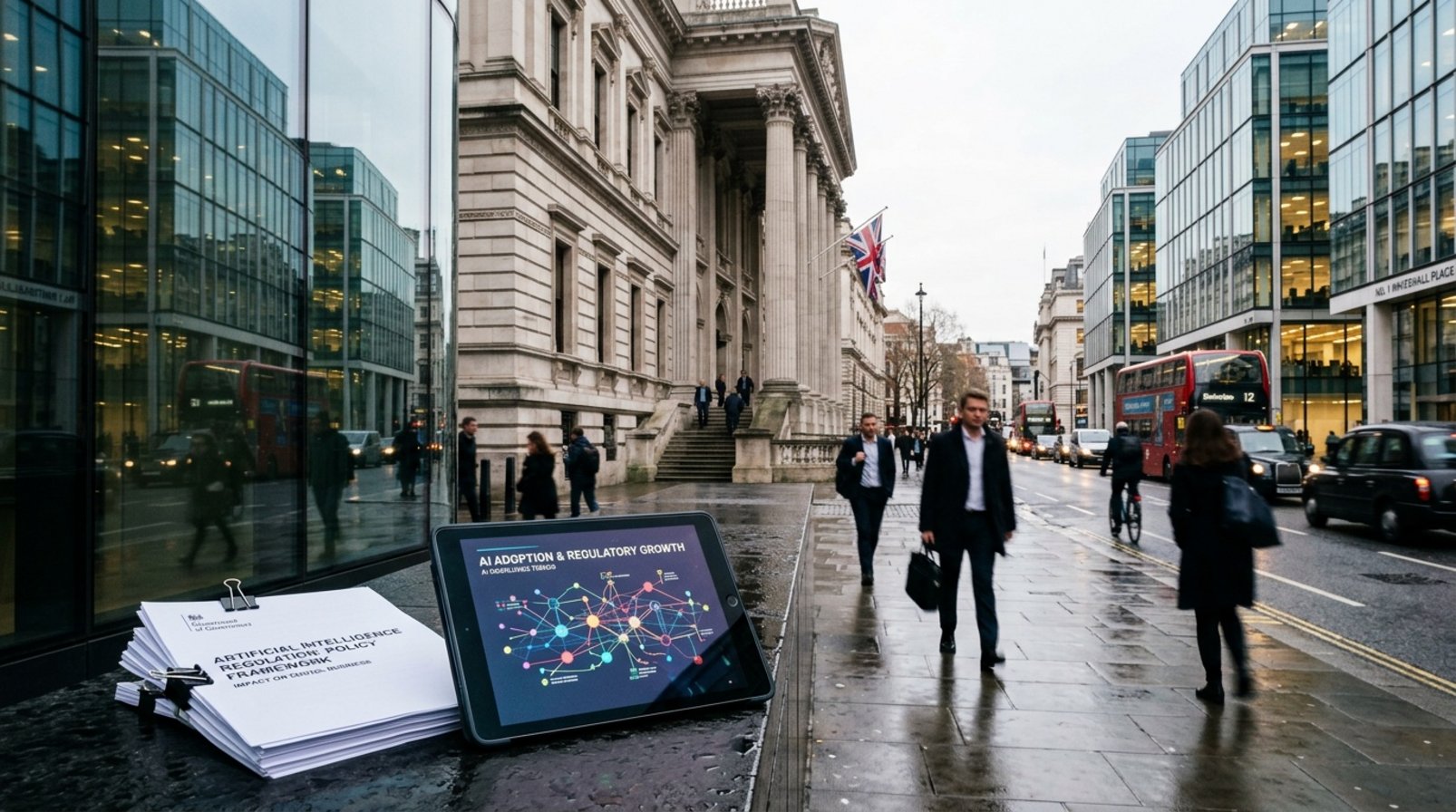
The second topic highlighted by the newsletter is “the Treasury’s AI warning” – the U.S. Treasury’s AI warning. This shows that regulators are paying increasing attention to AI’s impact on the economy, security, and business operations. When a major financial agency issues a warning, the message is not only for the tech industry but also affects the broader digital business landscape.

For social media marketing, the key point is that AI is being used more and more in advertising, audience targeting, customer service, and trend analysis. If regulators tighten oversight further, businesses will need to be more transparent about how they use data, how they generate automated content, and how they control distortions created by AI models.
In other words, AI is no longer just a story about “speeding up creativity.” It is moving into the intersection of technology, compliance, and brand reputation.
Source: MIT Technology Review, The Download.
What marketers should take away from this context
From these two signals, Vietnamese marketers should view AI through a long-term strategic lens rather than as a short-term support tool. As OpenAI and similar models continue to expand their influence, social media will see many changes in content production speed, personalization levels, and how engagement is measured.

However, opportunity always comes with risk. AI-generated content can help marketing teams work faster, but it can also easily lead to factual errors, inconsistent messaging, or overreliance on a platform. In the social media environment, where user feedback happens very quickly, even a small mistake made by AI can spread widely.
Read more: AI in the Military: Why Human Rights Watch’s Warning Matters
Therefore, businesses should build clear content review processes, define transparent human-machine roles, and put content quality standards ahead of speed. That is how to take advantage of AI without sacrificing brand trust.
Using AI in social media must be transparent and human-reviewed
In Vietnam, AI is being applied more and more strongly in marketing, from writing captions and developing video ideas to supporting chatbots and analyzing user behavior. But signals from the international market show that this game will soon enter a stricter phase, where transparency and responsibility in using AI become a competitive advantage.
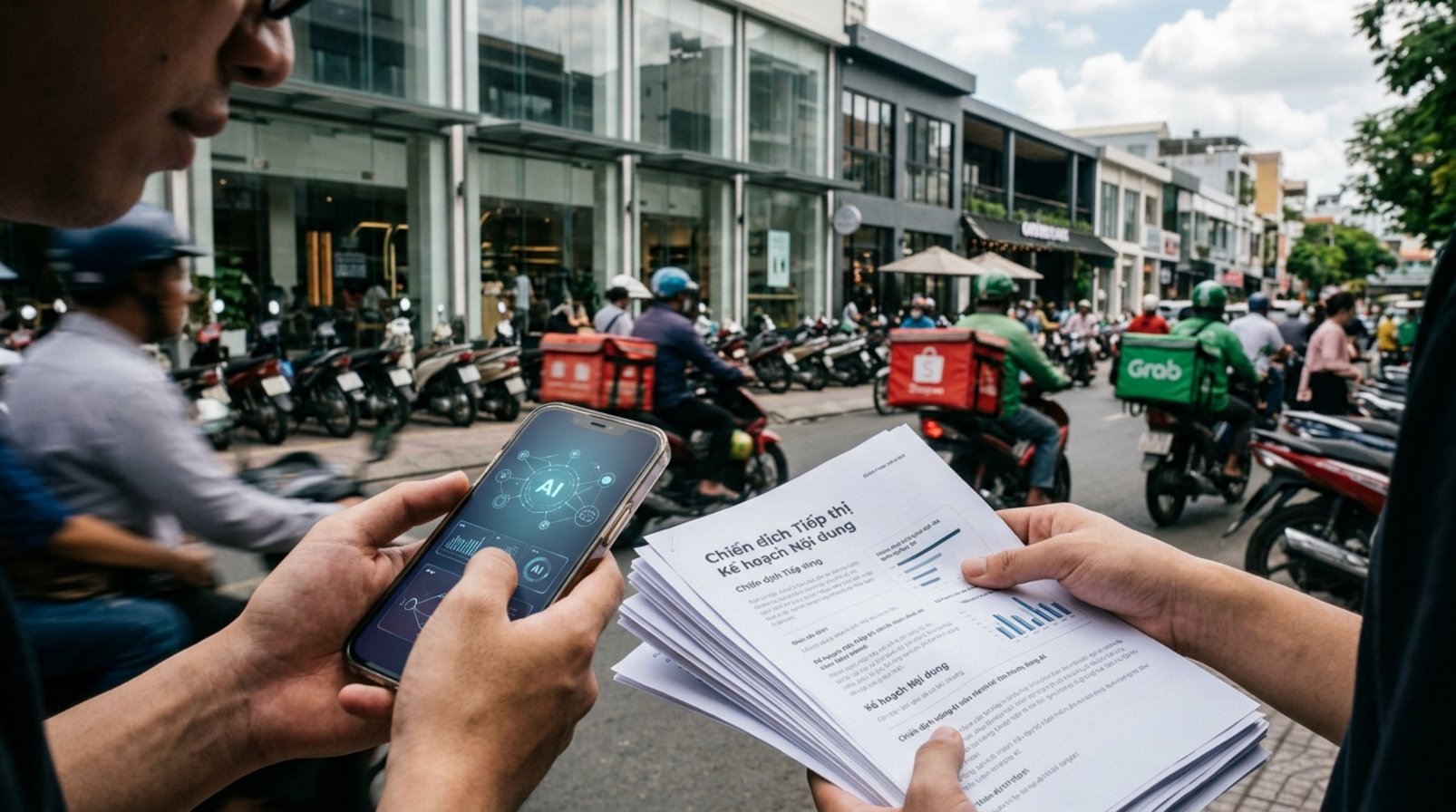
For Vietnamese brands, this is the right time to review their AI use processes in social media: which content can be automated, which content must be reviewed by humans, which data is allowed to be entered into the system, and who is ultimately responsible if something goes wrong. Businesses that establish standards early will be better positioned when the market demands greater reliability.
More importantly, Vietnamese marketers should not simply chase AI trends as a “productivity hack.” The bigger lesson is to build sustainable operating capabilities: understand the technology, understand the risks, and understand how to maintain public trust in an increasingly automated media environment.
Put a named human sign-off before publishing
- Build a clear content review process where a human signs off on AI-generated posts before publishing.
- Define transparent human–machine roles so accountability is clear when AI makes a mistake.
- Audit which data can safely be fed into AI tools and document how it is used.
- Avoid over-reliance on a single AI platform; keep a fallback for business-critical workflows.
- Put content quality and factual accuracy ahead of raw production speed.
In short, for Vietnamese marketers the real advantage is not adopting AI fastest, but using it responsibly — turning transparency and quality control into a lasting brand asset.
See more marketing news and guides at https://marketing365.vn.
Follow more updates from Marketing365 to stay up to date with the latest marketing trends.
Read more articles in the same category Digital Trends.
This article focuses on OpenAI and AI warnings with a perspective for the Vietnamese market.