

Contents
- Google Image Search changes its interface, prioritizing a more visual browsing experience
- Google AI Overviews now lets you create images within the search experience
- Visual semantics: the “missing piece” of topical authority
- Travel SEO: generic formulas are no longer enough
- Google Ads requires a reason when requesting access removal
- OpenAI crawler may update its user-agent string
- Google Merchant Center tests AI Performance reporting for AI Mode and AI Overviews
- OpenAI is said to be struggling to reach its $100 billion ad revenue target
- SEO needs coordination across content, technical and media to measure AI search and regular search
- References
The latest SEO news shows that the search game is shifting very quickly: Google continues to bring AI into more display surfaces, while measurement data and content optimization methods are changing along with it. For Vietnamese marketers, this is not just a matter of “tracking algorithms,” but also a challenge of protecting traffic, adjusting content, and preparing measurement systems for the era of conversational search.
Key points
- Google is expanding AI into Image Search, AI Overviews, and Merchant Center, changing how users access search results.
- Visual semantics and page structure are becoming increasingly important, not just written content but also how information is presented and segmented.
- Some sectors, such as travel, may not suit “generic SEO tips,” forcing businesses to build their own strategies based on search behavior.
- OpenAI, Google Ads, and AI crawlers continue to generate new signals around access control, measurement, and traffic distribution.
Google Image Search changes its interface, prioritizing a more visual browsing experience
Search Engine Land says Google Image Search has dropped its familiar “clean” search box and added an image gallery directly within the interface. The change may sound small, but in essence it reflects Google’s push to strengthen image-based content discovery rather than simply display a static list of results.
For SEO, this is a notable signal for websites that depend on image traffic, especially in fashion, travel, interior design, food, and e-commerce. If users are guided more by visual experiences, images, metadata, and the context around images will become elements that deserve more serious investment.
Source: Search Engine Land
Google AI Overviews now lets you create images within the search experience
For Vietnamese marketers, the key takeaway is not to chase every new AI feature, but to prepare content and measurement systems that are flexible enough to adapt. Changes in Image Search, AI Overviews, and performance reporting show that Google is moving from “blue links” to a more multimodal search experience. That requires Vietnamese businesses to invest more in images, page structure, product data, and content aligned with real search intent.

According to Search Engine Land, Google AI Overviews now allows users to create images directly within the AI experience flow. This is a step forward that shows Google does not just want to summarize information in text, but also integrate visual content creation right at the search layer.
This creates two opposing effects for marketers. On one hand, users gain more ways to explore and visualize their needs directly in Google. On the other hand, when AI can generate images instantly, the competitive pressure on original content and a brand’s visual assets will increase. Businesses need to see images not just as decorative elements, but as part of their search visibility strategy.
Source: Search Engine Land
Visual semantics: the “missing piece” of topical authority
In a deep-dive analysis, Search Engine Land emphasizes that SEO is no longer just about “what a page says,” but also “how the page is presented.” The concept of visual semantics is placed at the center, showing that Google is increasingly understanding the layout, segmentation, function, and role of each element on a page.

The core point here is that Google tends to value pages that clearly demonstrate human effort, originality, and useful structure. In other words, an article with a good layout, clear headings, logically organized content blocks, images, and sensible navigation elements can help it be understood correctly in terms of topical expertise. This is especially important for websites producing in-depth content, where UX and page structure cannot be separated from SEO.
Source: Search Engine Land
Travel SEO: generic formulas are no longer enough
Search Engine Land argues that standard SEO advice may not work if applied mechanically to travel websites. The reason is that search behavior in this industry is far more complex: users are not just looking for a keyword, they are looking for inspiration, comparisons, timing, destinations, budgets, and experiences.

The lesson here is that every industry has its own “search ecosystem.” For travel, content needs to be tied to the decision-making journey, from trip ideas to booking services. Travel businesses should therefore prioritize content clusters based on real search intent, leveraging destination data, seasonality, and local context rather than optimizing isolated keywords.
Source: Search Engine Land
Google Ads requires a reason when requesting access removal
Search Engine Roundtable reports that Google Ads is now asking users to state a reason when requesting access removal. Although this is more of an account management change than pure SEO, it is still noteworthy for marketers because it directly affects control over advertising assets and internal operations.

The added justification step shows that Google continues to increase transparency in access management. For agencies and in-house teams, this requires tighter permission workflows, especially when multiple brands are running ads, SEO, and measurement within the same Google account ecosystem.
Read more: Google folds AI visibility into Search Console: what it signals for SEO
Read more: SEO in the Age of AI Search: Measurement, Distribution, Signals
Source: Search Engine Roundtable
OpenAI crawler may update its user-agent string
Search Engine Roundtable says OpenAI crawlers may update their user-agent string. This is a technical detail, but one with major implications for SEO teams, web administrators, and groups responsible for controlling bot traffic.

As AI bots and crawlers become more common, accurately identifying traffic sources becomes important for managing server logs, protecting data, and tracking how content is collected. For large websites, this is the time to review robots, log analysis, and access policies for AI bots to avoid confusing search traffic with language model data collection traffic.
Source: Search Engine Roundtable
Google Merchant Center tests AI Performance reporting for AI Mode and AI Overviews
Search Engine Roundtable says Google Merchant Center is rolling out a test of AI Performance reporting, helping advertisers and sellers understand how their products perform in AI Mode and AI Overviews. This is an important step because it suggests Google is beginning to provide another layer of measurement for AI display surfaces that were previously quite “opaque.”
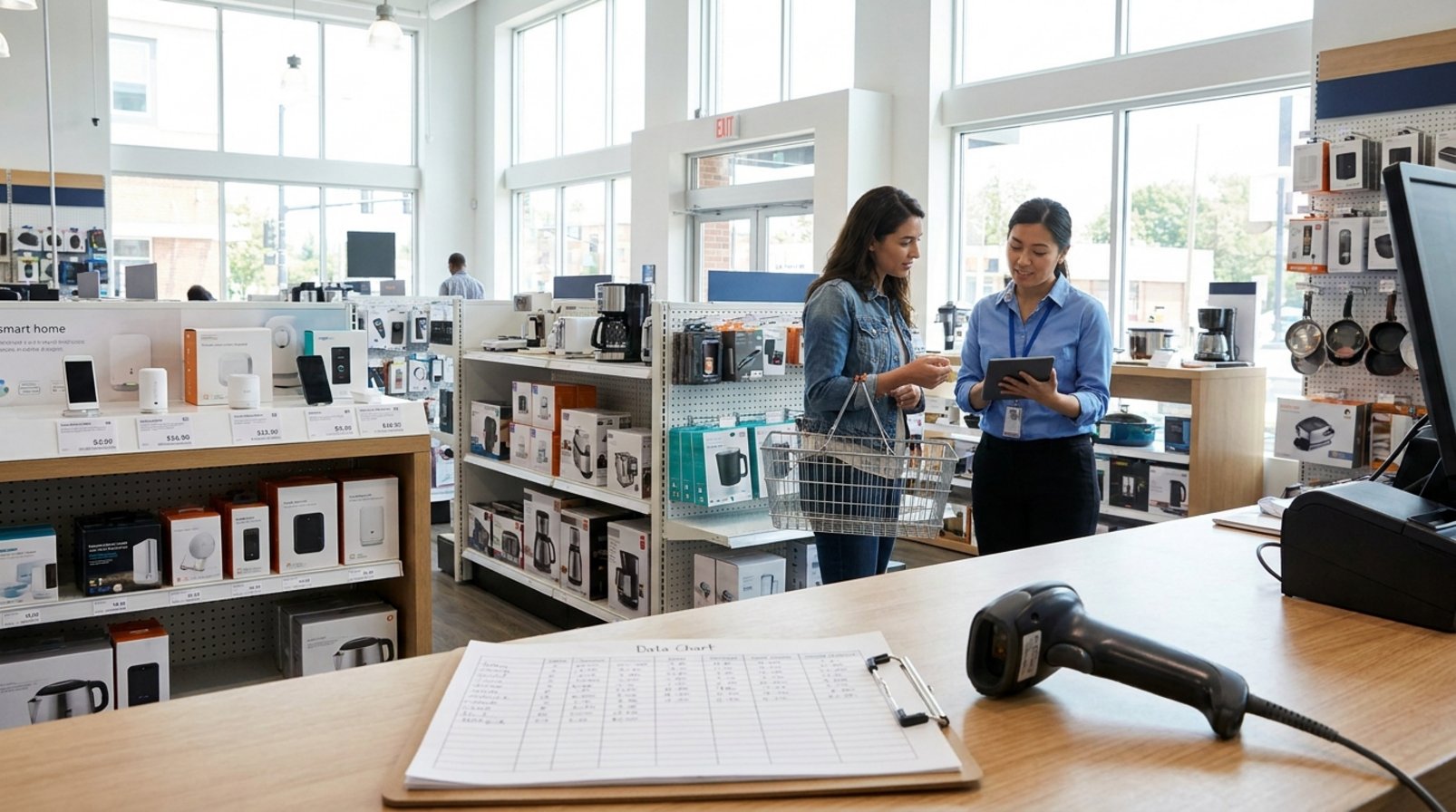
For e-commerce businesses, this report could become a tool for evaluating brand visibility in the new search experience. If expanded, it will help marketers compare performance in traditional results with performance in AI environments, and then adjust how they optimize feeds, product descriptions, and brand assets.
Source: Search Engine Roundtable
OpenAI is said to be struggling to reach its $100 billion ad revenue target
Search Engine Land cites a report suggesting that ChatGPT’s advertising business may not reach the expected $100 billion revenue target. Although this is not an official figure confirmed by OpenAI, the news still reflects the huge expectations the market is placing on advertising in conversational AI platforms.

For SEO and digital marketing professionals, the important point is not the absolute number but the trend: AI is being seen as a new commercial distribution channel that could compete with or complement the traditional search ecosystem. Businesses should closely monitor how AI platforms monetize, because that will directly affect organic visibility, advertising, and user behavior in the coming years.
Source: Search Engine Land
SEO needs coordination across content, technical and media to measure AI search and regular search
At the operational level, SEO teams should work more closely with content, technical, and media teams to check visibility in both traditional search and AI environments. Those who adapt early will gain a major advantage as user search behavior continues to change rapidly in the period ahead.

See more marketing analysis and guides at https://marketing365.vn.
Explore more marketing analysis & guides at Marketing365.
Read more articles in the same category Digital Trends.
References
- OpenAI’s ChatGPT ads could miss $100 billion revenue target: Report
- Google Image Search drops clean search box and adds gallery of images
- Google AI Overviews now lets you create image
- Visual semantics: The missing piece of topical authority
- Why standard SEO advice fails for travel websites
- Google Ads Asks For Justification When Requesting Removal Of Access
- OpenAI Crawlers Can Update Its User Agent String
- Google Merchant Center AI Performance Insights For AI Mode & AI Overviews



