Contents
- Vietnam's e-commerce moves from hot growth to selective growth
- Why trust is becoming the new measure of effectiveness
- AI and automation are pulling social media toward business performance
- In Vietnam, the edge belongs to whoever connects social to sales best
- Organize social content by purchase journey, not posting calendar
- References
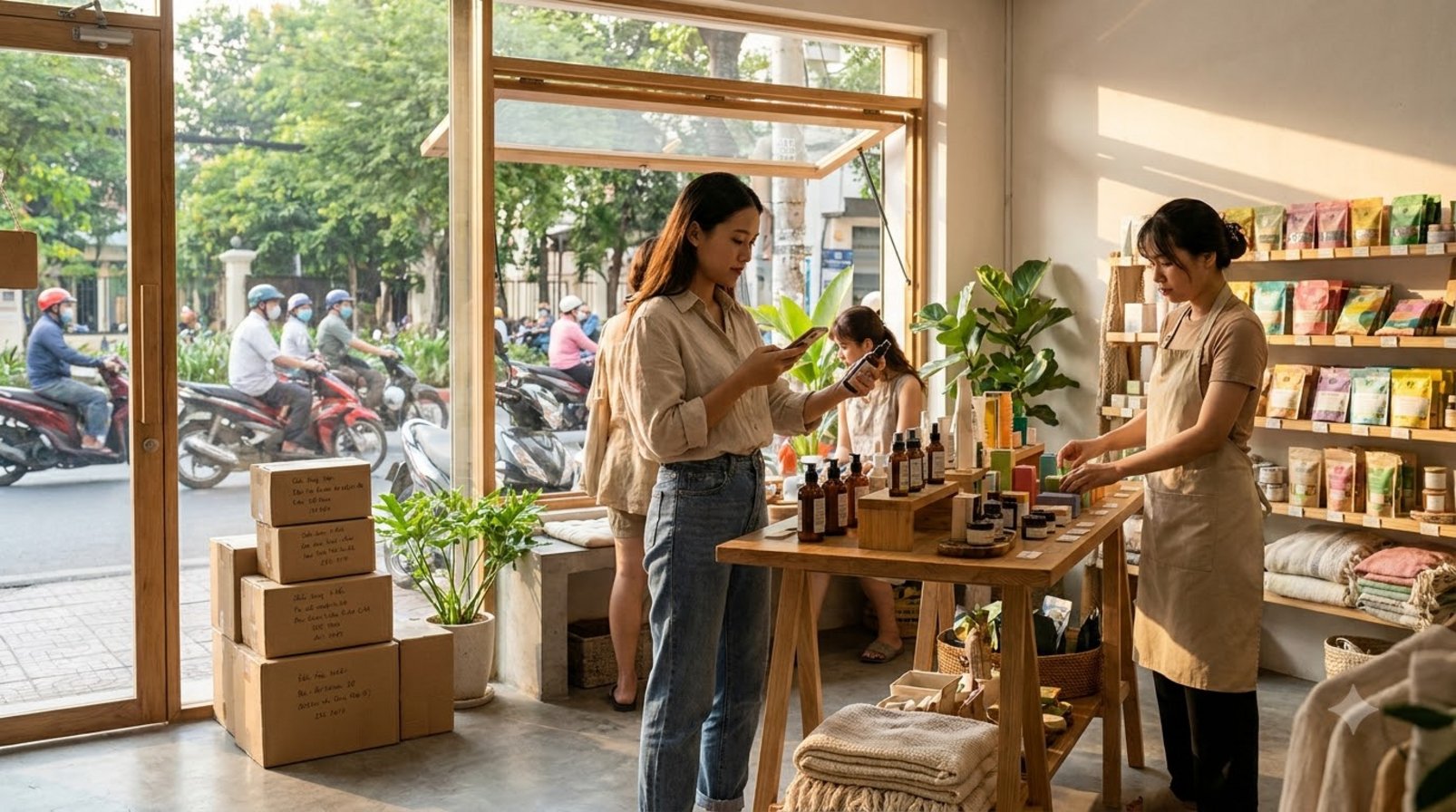
Social media is no longer just a channel for awareness; it is becoming the touchpoint where need, trust, and purchase decisions converge. For Vietnamese marketers, that matters because as e-commerce enters a phase of competition driven by experience and operational efficiency, social media is where brands must prove they are trustworthy, memorable, and worth buying from.
Key points
- Digital commerce in Vietnam is growing more slowly in pace but stronger in maturity, making “selling cheap” no longer a long-term advantage.
- AI and automation are being pushed into ecommerce to optimize conversion, showing that social media must also be measured by business performance, not just engagement.
- Consumers increasingly expect brands to be capable, well-run, and trustworthy, especially across touchpoints from social to purchase.
- Vietnamese marketers need to move from managing disconnected content to building social commerce around the customer journey, data, and trust.
Vietnam's e-commerce moves from hot growth to selective growth
The broader picture emerging from the sources is that the market is shifting from hot growth to selective growth. Vietnam Briefing notes that Vietnam’s e-commerce market in 2025 reached about 38.5 billion USD, up 21% year on year, but that is also the slowest growth rate in a decade; at the same time, the market’s total size is now 10 times larger than in 2015. That suggests the game is no longer about “who grows faster,” but who operates better and keeps buyers longer.
At the same time, Storyboard18 shows businesses continuing to invest in AI-led ecommerce solutions, reflecting a very clear shift: conversion efficiency is being prioritized over creative instinct. As e-commerce enters a mature phase, technology layers such as AI, personalization, and purchase-journey optimization are no longer just technical advantages, but competitive foundations.
Read together with Exchange4Media’s view that skincare brands are moving from “star power” to “science” in marketing, these two signals point to a broader trend: trust is shifting from glamour to proof. On social media, that often means users are no longer persuaded by a famous face or eye-catching content alone; they need a practical reason to believe the brand understands their problem and can solve it.
Why trust is becoming the new measure of effectiveness
In a market where growth is no longer easy, social media cannot just be a “traffic pump.” Vietnam Briefing emphasizes that businesses must compete through operations, trustworthy branding, and customer experience rather than price alone. This directly affects social content: content that grabs attention is not enough; it must also build trust to support conversion.

From an industry perspective, Exchange4Media shows that beauty marketing is shifting from relying on celebrities to emphasizing scientific backing. Although the source data does not speak specifically about social media, the implication for social is clear: influencers, KOLs, or creators are only truly effective when they increase the credibility of the message, not just its reach. Users increasingly want proof, real experience, and a story that explains “why this product is right for me.”
When these two signals meet, social media becomes the place where brands must prove authenticity. Educational, explanatory, comparative, experience-based review formats, or user-generated content will be more valuable than overly polished but empty messaging. In other words, social is no longer the stage for promises; it is where promises must be backed by evidence.
AI and automation are pulling social media toward business performance
Storyboard18 reflects WPP Media’s partnership with Kily to strengthen AI-driven ecommerce solutions in India. While this is a move in another market, it points to a familiar trend across many digital economies: businesses are using AI to optimize distribution, personalization, and closing power. That changes expectations for social media.

As AI moves deeper into e-commerce, social media cannot stand outside the optimization equation. Content needs to be more tightly linked to behavioral data: who views, who saves, who messages, who clicks through to products, who repurchases. These metrics matter far more than isolated likes, because they show whether social content is actually affecting revenue.
Read more: Turning Martech Complexity Into a Competitive Edge
Read more: SEO Is Going Multi-Surface: What Search, Social, AI, and Commerce Mean for Marketers
This also creates a shift in how marketing is run. Instead of planning social around a pure posting calendar, brands need to design content sequences based on the funnel: awareness, consideration, conversion, and retention. AI can help identify behavior patterns and optimize distribution, but strategy still has to be decided by marketers. Without that, social media will be pushed into a state of “lots of activity, little result.”
In Vietnam, the edge belongs to whoever connects social to sales best
Vietnam has an advantage that many other markets are still chasing: digital users are very used to discovering products on social media before moving to marketplaces or websites to buy. With e-commerce already reaching 38.5 billion USD and continuing to expand, social media in Vietnam is not just a top-of-funnel communications channel; it is increasingly close to the point of sale.
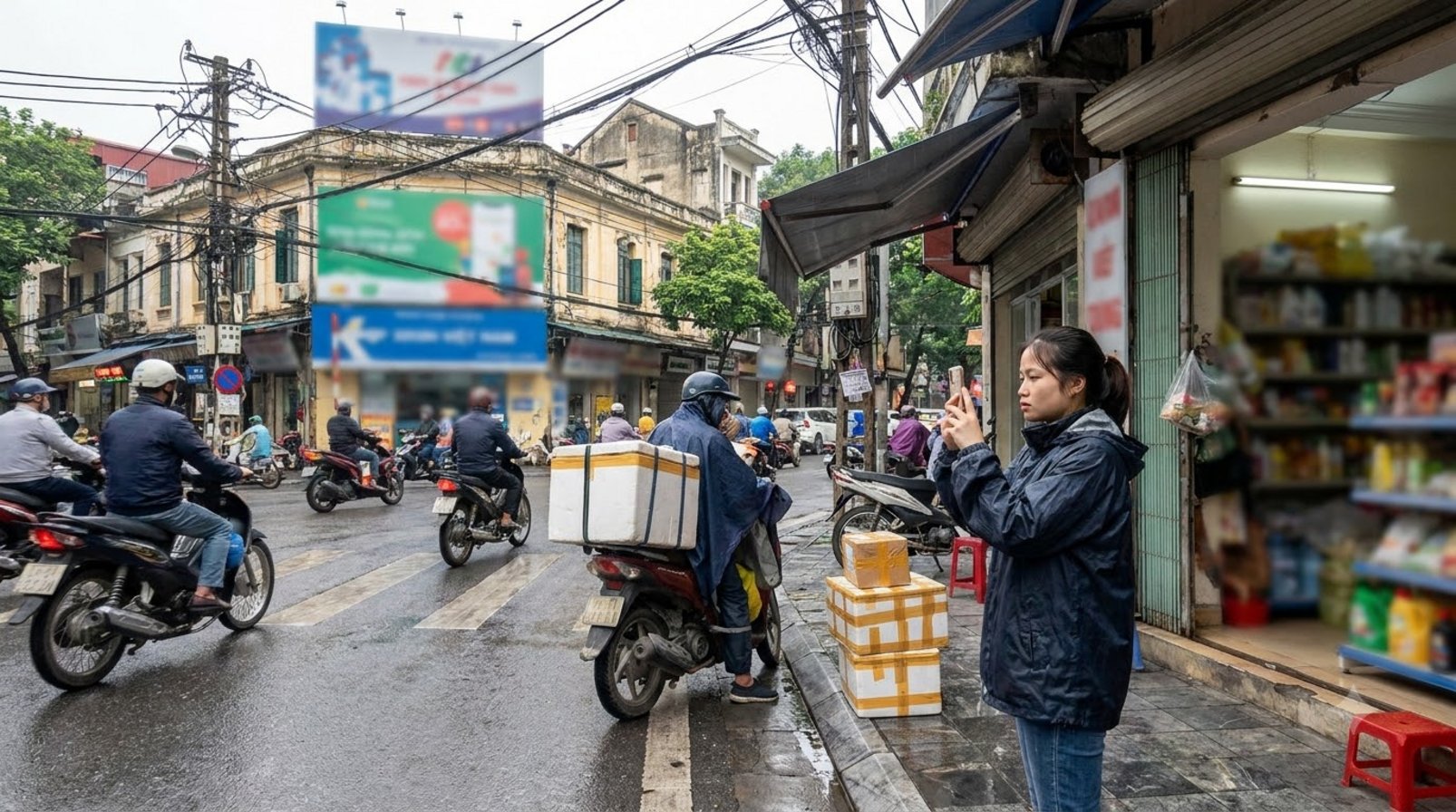
But precisely because the market is more mature, Vietnamese marketers need to avoid the mindset that “posting more wins.” From Vietnam Briefing we see competition shifting toward experience quality; from Storyboard18 we see technology being used to improve efficiency; from Exchange4Media we see trust and science replacing showmanship. For Vietnam, the logical conclusion is that social media must be designed as part of a commerce system, not as a content display page.
This is especially true for categories that require a lot of consultation, such as beauty, mother and baby, nutrition, home appliances, or technology products. In these categories, social media can be the place to explain differences, address psychological barriers, and create social proof. Those who do this well will not only increase engagement, but also reduce the cost of persuasion at the closing stage.
Organize social content by purchase journey, not posting calendar
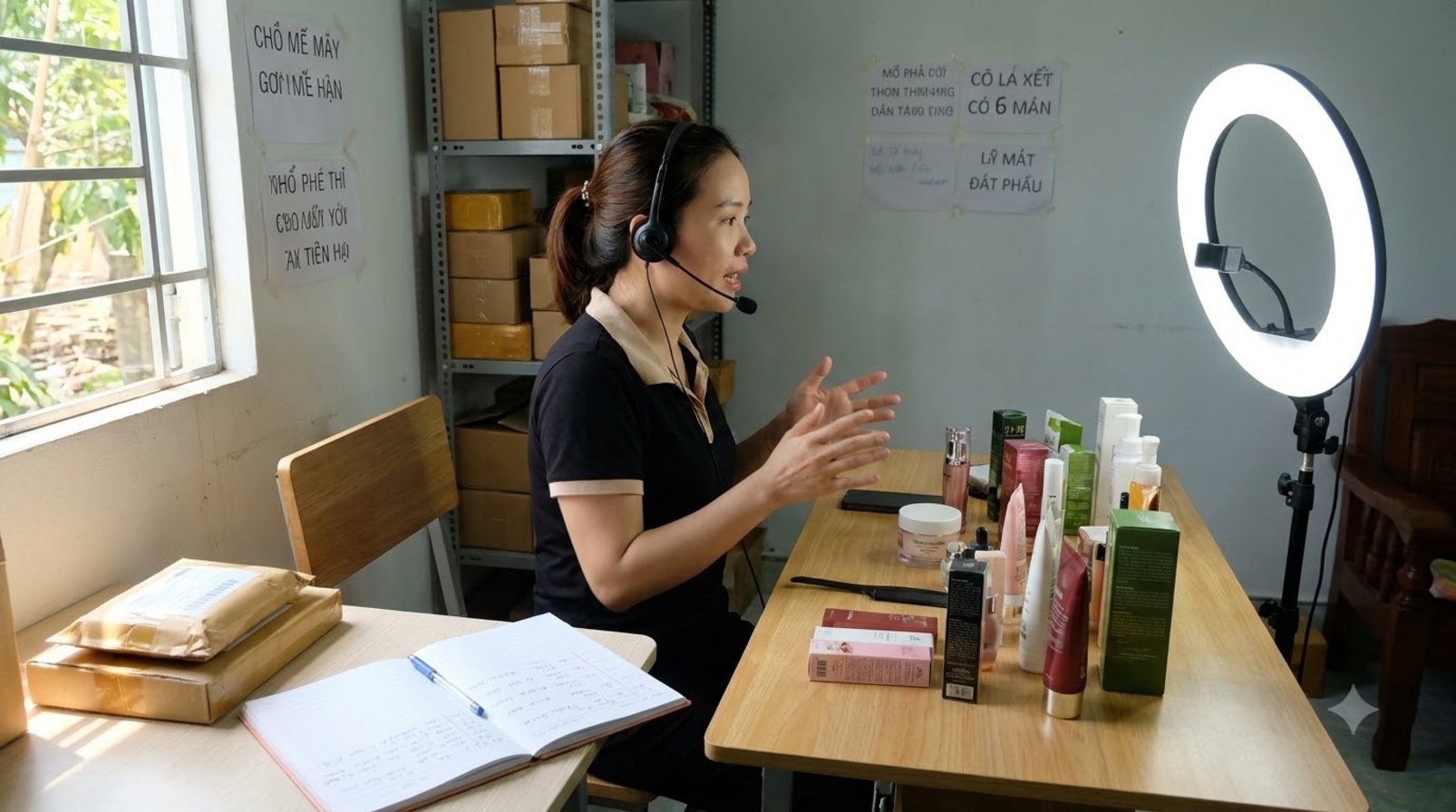
- Build social content around the purchase journey, not the posting calendar: each content group should serve a specific goal such as building trust, explaining, encouraging trial, and supporting repeat purchase.
- Prioritize evidence-based content: real demos, before-and-after, verified reviews, UGC, and expert content will be more valuable than overly polished messaging.
- Measure social with business metrics closer to conversion, such as click-to-product, add-to-cart, message-to-sale, repeat purchase, instead of looking only at reach and likes.
- Test AI at points that create real impact: content recommendations, audience segmentation, distribution optimization, and message personalization by customer group.
In short, social media is entering a phase where its greatest value is not in creating buzz, but in building trust and driving business performance. For Vietnamese marketers, this is the time to move from “doing content just to be present” to “doing social to sell better.”
See more marketing analysis and guides at https://marketing365.vn.
Follow more analysis articles from Marketing365 to stay updated on the latest marketing trends.
Read more articles in the same category Digital Trends.
References
- Vietnam Briefing — Vietnam E-Commerce Sector Outlook: Key Growth Trends
- Storyboard18 — WPP Media partners Kily to strengthen AI-led ecommerce solutions in India
- Exchange4Media — Science over stardom? Skincare brands are changing the face of beauty marketing