
Contents
- Marketing expert witness puts social media into an evidence framework, not a feelings-based one
- What a marketing expert witness examines: from consumer perception to brand valuation
- Vietnam’s market: social media will be taken more seriously when there is data to account for it
- What to do with social media to turn evidence into an advantage
- References
In social media, the issue is no longer just what to post or which ads to run. When content, influencers, performance measurement and brand claims enter a dispute, businesses need someone who can connect marketing with evidence rather than simply retell the sales story.
That is why the role of marketing expert witness is becoming increasingly relevant for Vietnamese marketers. It shows that the value of social media is shifting from reach to accountability: who saw what, understood what, believed what, and how that behavior affected revenue or damages.
- Key point:
- Marketing expert witness helps courts, lawyers and businesses understand how consumers interpret advertising, branding and social media.
- Marketing disputes often revolve around misleading claims, customer perception, brand value and damages, so both quantitative and qualitative evidence matter.
- People working in marketing, digital marketing and market research have an advantage because they understand both buyer behavior and how campaigns operate.
- For the Vietnamese market, the big lesson is to preserve campaign evidence and design measurement from the start, not wait until a dispute arises to look for data.
Marketing expert witness puts social media into an evidence framework, not a feelings-based one
Content from futuristsspeakers.com shows that a marketing expert witness is not just someone who “knows marketing,” but someone who can bring concepts such as consumer behavior, advertising, branding, market research, digital marketing and analytics into a structured testimony. This is especially important when social media becomes a place where brands build awareness, sell products and also trigger disputes over claims and real-world impact.
What stands out is that the source website emphasizes the role of experts in litigation, arbitration, investigations and business disputes. In other words, marketing is no longer outside the legal arena. When an influencer campaign, an ad alleged to be misleading, or a change in brand positioning is disputed, the question is not only “was the content good or not” but “what impact did it have, and where is the evidence?”
For marketers, this is a shift in operating mindset. Social media cannot be treated only as a content-creation channel. It is a set of decisions that can be examined through consumer interpretation, industry standards and measurable harm. A campaign with no record trail, weak measurement logic, or unclear objectives will be very difficult to defend when accountability is required.
What a marketing expert witness examines: from consumer perception to brand valuation
According to the source, a marketing expert witness often analyzes questions such as how consumers understand advertising, whether an ad is misleading, whether a campaign affects purchasing, how a brand is valued and whether damages are real. This framework is very close to how social media creates impact in practice.
Consumer perception: social media does more than create reach, it creates interpretation
The consumer behavior and consumer perception sections in the source emphasize that purchasing decisions are influenced by brand reputation, advertising messages, product positioning and customer experience. On social media, the same post can be read in multiple ways by different communities. So if a business does not have survey data, interviews or focus groups, it will be very hard to prove that users understood the message as intended.

That is also why methods such as surveys and market research studies appear in the expert witness role. They do not replace creativity, but they give marketers a layer of verification: how is the message being read, and how far is that from the original objective?
False advertising: social media claims need evidence before they need polished wording
The group of disputes involving misleading advertising, product claims, comparative advertising and promotional statements shows that social media is a high-risk environment for claims. Short-form content compresses ideas quickly, making it easy for a brand to overstate or leave out context. In that case, a marketing expert witness will assess claim meaning, consumer interpretation, market impact and materiality.

For marketing teams, the lesson is not to write more defensively, but to have evidence from the start. Every claim on social media should be tied to data sources, usage conditions and clear interpretation. Otherwise, the cost of fixing mistakes later is usually far higher than the benefit of a slightly sharper post.
Brand valuation: social media only has real value when it can be tied to brand equity
The source also makes clear that marketing experts can assess brand equity, brand awareness, customer loyalty, reputation value and market recognition. This is where social media is often oversimplified. Views may rise quickly, but brand value only increases when content builds durable awareness, trust and recall that are useful for business.
This explains why, in disputes, experts are needed to connect communications activity with business value. For marketers, it is a reminder that social media should be designed as a chain of assets: messaging, audience segments, conversion evidence and traces of impact.
Vietnam’s market: social media will be taken more seriously when there is data to account for it
In Vietnam, many marketing teams still look at social media through surface-level metrics such as reach, engagement or video views. But as disputes over influencers, claims and campaign effectiveness become more common, buyers of these services will ask deeper questions: where is the evidence, how was it measured, what was the real impact, and who is responsible if there is risk?
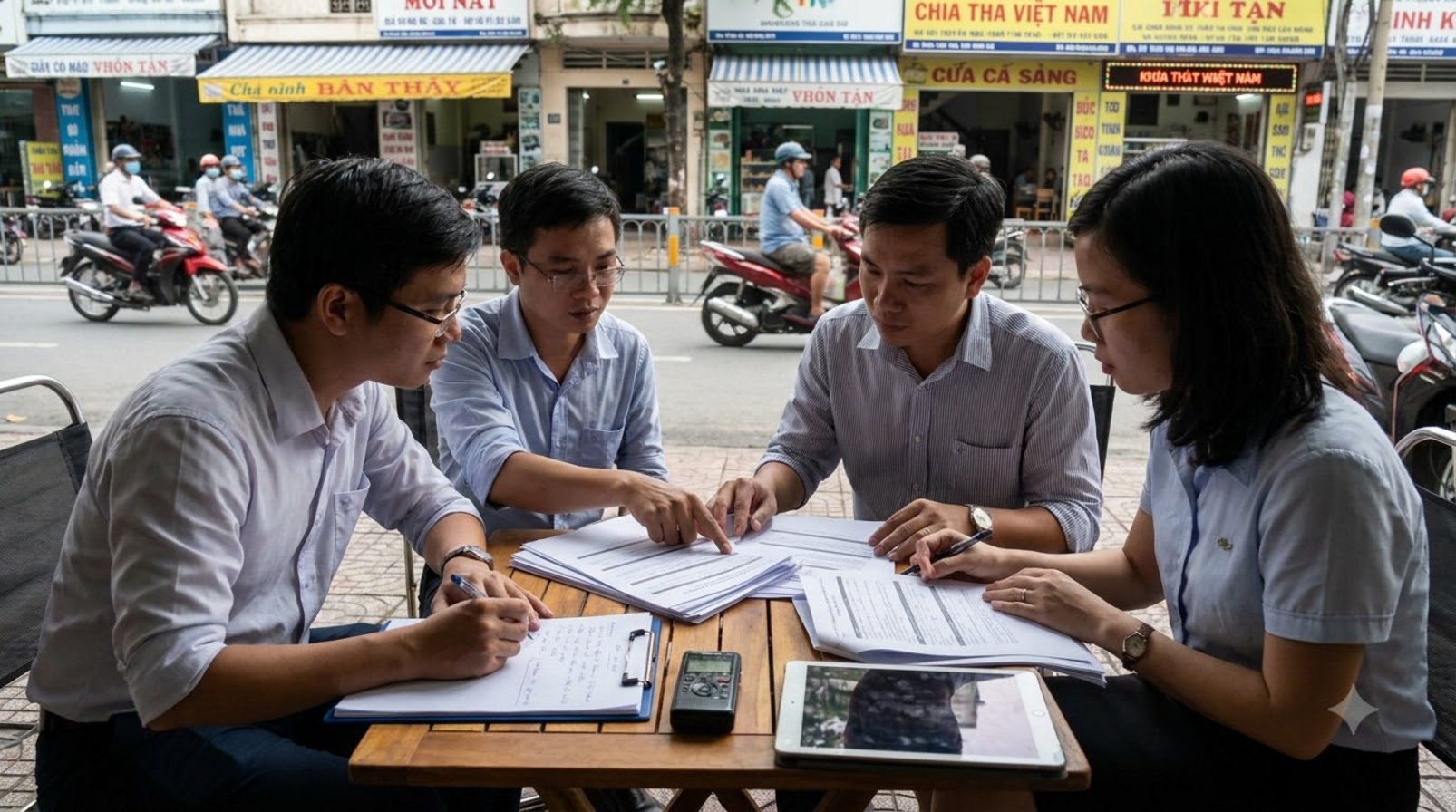
So the need for a marketing expert witness-style mindset may not appear under that exact name, but the principle does. Vietnamese businesses need to document campaign briefs, target audiences, positioning logic, survey data, performance reports and even approved content versions. These things not only help teams work better with agencies, but also help protect the business when a campaign is misunderstood or attacked on social media.
As social commerce and influencer marketing continue to grow, those who can prove real impact will have an advantage over those who only tell a compelling story. That is a very clear shift: from “making content look good” to “making content able to stand up to hard questions.”
What to do with social media to turn evidence into an advantage
- Keep all briefs, claims, assets, approved versions and post-campaign reports so there is a traceable record if a dispute arises.
- Design measurement from the start using metrics tied to real behavior, not just vanity metrics.
- When using influencers or comparative claims, require data sources and clear interpretive context before publishing.
- Treat social media as an asset that can be examined from legal and business angles, so marketing, legal and analytics should work together earlier.
See more marketing analysis and guides at https://marketing365.vn.
Follow more analysis from Marketing365 to stay updated on the latest marketing trends.
Read more articles in the same category at Digital Trends.