Contents
- A beauty influencer campaign and the challenge of building trust before selling
- Turning curiosity into a funnel: teaser, puzzle, and reveal
- How experts, creators, and founders are dividing the persuasion work
- What a beauty influencer campaign in Vietnam will face from trust and proof
- What Vietnamese marketers should do before a new beauty launch
- References
In beauty and skincare, buyers are rarely persuaded by pretty photos or polished demo videos alone. They need a reason to believe the product fits a real problem, a real routine, and the real story of the person introducing it. The Reale Actives case in Influencer Marketing Hub shows how an influencer campaign can go beyond short-term sales if it turns trust into the structure of the entire launch.
What stands out for Vietnamese marketers is not the noise of a launch day, but the way the brand combined founder story, experts, creator seeding, and layered teasers into one persuasive journey. Done well, a campaign does not just create attention; it creates purchase intent, waitlists, and conversation that lasts beyond opening day.
Key takeaways
- Beauty campaigns work best when they connect to a real personal experience, not just product promotion.
- Curiosity can be designed as a funnel, from teaser to reveal to purchase.
- Experts and creators do not replace each other; they complement each other in trust, knowledge, and reach.
- For the Vietnamese market, the big lesson is to sell the reason to believe before selling the benefit.
A beauty influencer campaign and the challenge of building trust before selling
The Reale Actives case shows that a beauty influencer campaign is no longer just about borrowing influence to move product. Its core is building a context that already feels credible before the audience even sees the product. Alix Earle had publicly shared her story of cystic acne, sensitive skin, and prescription treatments, so when she began dropping hints about a new skincare brand, the audience already had a framework for interpreting it.
That “fit the reason” layer is what changes how marketers should think about influencers. Creators are not just distribution channels. They are where brands borrow the continuity between personal life and product recommendation. When that connection feels real enough, the viewer’s question is no longer “is this an ad?” but “what problem does this product solve?” That is the shift from attention to purchase intent.
Turning curiosity into a funnel: teaser, puzzle, and reveal
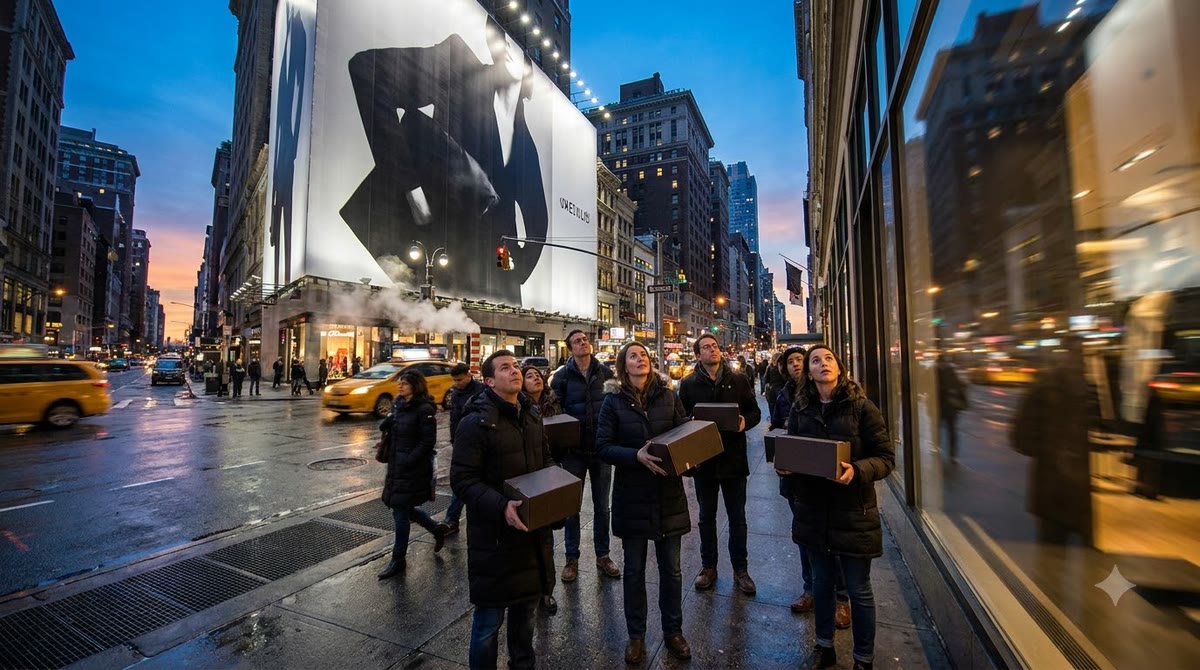
Reale Actives did not launch with a short press release and hope for the best. The brand turned curiosity into a sequence of behaviors it could guide. The mysterious @wtfisalixdoing account, unlabeled product clues, puzzle pieces sent to selected influencers, and billboards in New York created a collective decoding game. Each layer gave followers one more reason to come back instead of scrolling past.
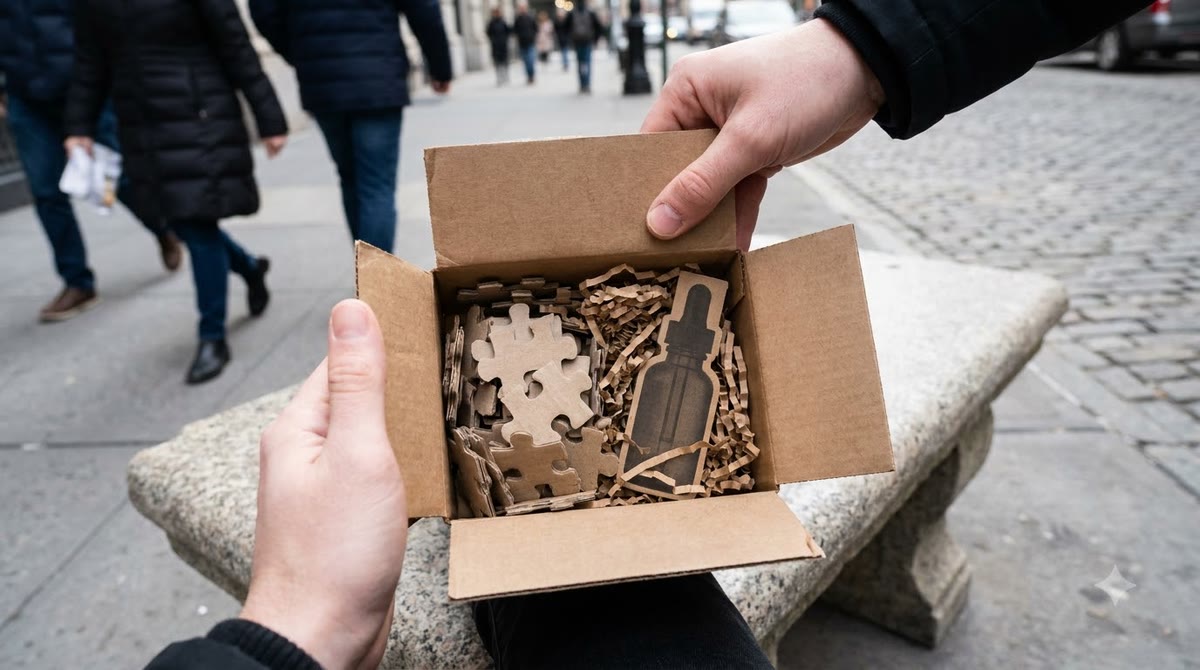
From a marketing perspective, this is a way to extend engagement time before launch. Viewers do not receive the message just once. They follow each clue, discuss it, guess the product, and wait for the reveal date. For a beauty brand, this kind of design is especially useful because it creates the feeling that “this launch has a story to tell,” rather than just another product on the shelf.
The commercial effect was equally clear: according to the source cited in the article, Reale Actives reached $1 million in sales in under five minutes, passed $5 million by the end of the afternoon, and sold out all four launch products in about 10 hours. The brand then had 57,000 people on the waitlist. These numbers do not only reflect the pull of a famous face. They show that a well-designed teaser can push demand up before the product officially goes live.
How experts, creators, and founders are dividing the persuasion work
One lesson from this case is that the brand did not place the entire burden of trust on one person. Earle led the story through her personal experience. CEO Andrea Blieden showed that the brand had been tracking reactions during the teaser phase and was prepared to answer questions about Earle’s past use of prescription acne medication. Dr. Kiran Mian added content about ingredients and formulation. These three layers served three different market needs: empathy, explanation, and professional validation.
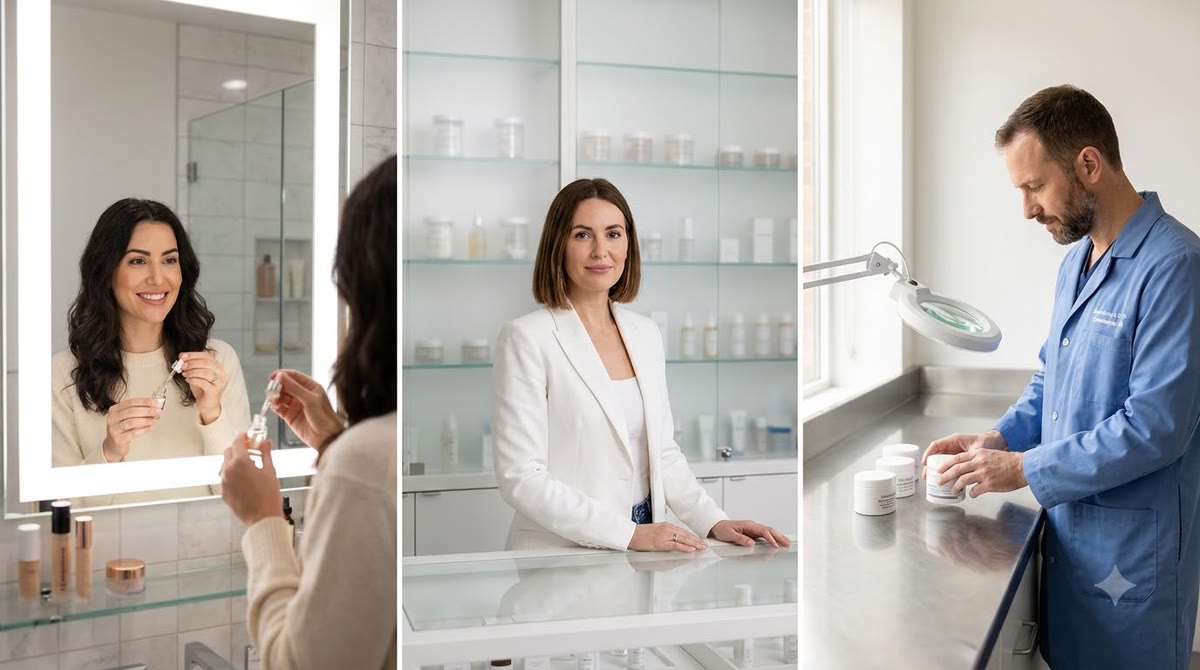
This is a structure many beauty brands in Vietnam can learn from. If you only use KOLs to increase reach, the campaign can stop at how polished the content looks. If you only use experts, the content may be accurate but dry. If you rely only on the founder, the brand may be strong on story but weak on product credibility. When all three roles are clearly assigned, the campaign is more likely to keep a balance between emotion and logic.
More broadly, this case also reminds marketers that “transparency” is not an extra. It is part of campaign design. Reale Actives prepared responses to concerns in advance, and that is why the conversation did not break into a crisis from the teaser stage. In social media environments, where audiences are both curious and skeptical, the ability to handle questions before they grow often determines whether a campaign keeps its momentum.
What a beauty influencer campaign in Vietnam will face from trust and proof
For the Vietnamese market, the most important lesson is that a beauty influencer campaign is being asked for more proof and more narrative logic. Local beauty buyers are already used to a flood of review content, so the novelty of a famous face no longer lasts long enough to hold attention. What makes the difference is whether viewers believe the creator is speaking from real experience, and whether the brand can answer questions about benefits, ingredients, and target users.
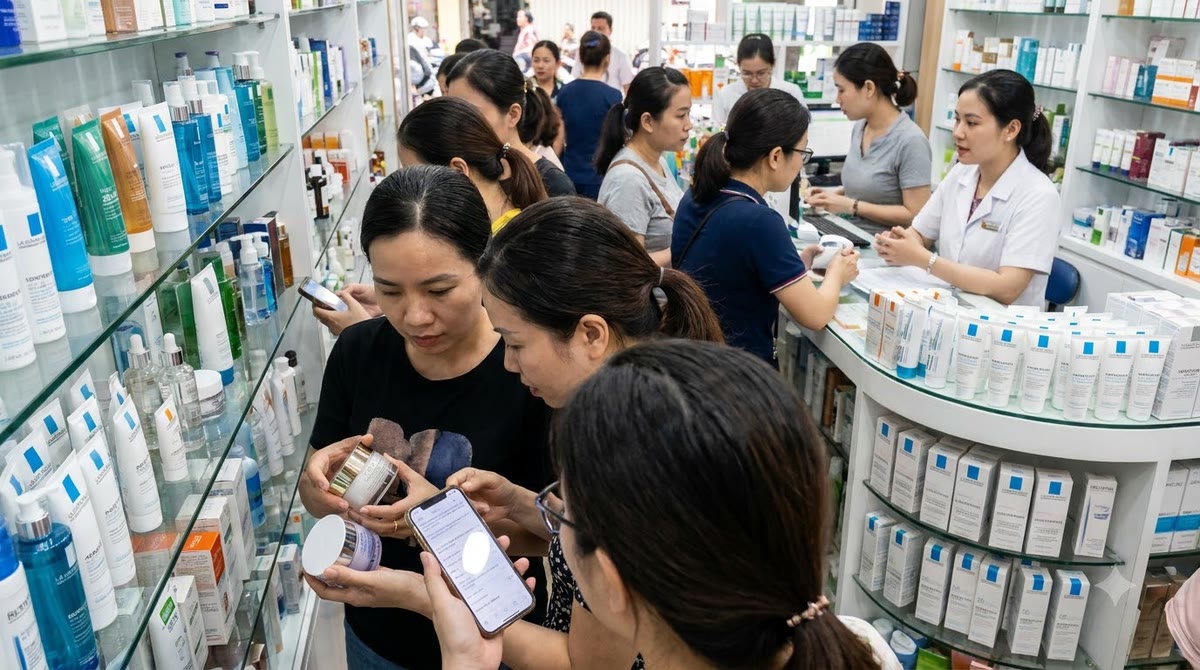
This forces Vietnamese marketers to choose more carefully between three kinds of resources: creators to create reach, founders to create story, and experts to create credibility. For skincare products, especially those related to acne, sensitive skin, or long-term routines, attractive content alone is not enough. You need a persuasive structure that can survive tough questions from the community, especially on TikTok, Instagram Reels, and beauty groups where users scrutinize everything closely.
From a budget perspective, the lesson is not to spend more at any cost. The lesson is to spend in the places that build trust. A smaller launch campaign with a strong teaser design, the right creator, clear expert content, and a tight response process can outperform a broader campaign that lacks a trust backbone. That is the tradeoff Vietnamese marketers need to reconsider.
What Vietnamese marketers should do before a new beauty launch

- Anchor the campaign in a real skin problem or routine, then write the message around that experience instead of around the product name alone.
- If you use creators, give them a clear role: telling a personal story, explaining how to use the product, or creating a challenge for the community.
- Prepare a layer of explanation about ingredients, formulation, usage, and product limits before the teaser starts spreading.
- Do not treat launch day as the only goal; design follow-up content to keep the conversation going after the product goes on sale.
The main reference for this analysis is the Influencer Marketing Hub case study on beauty and skincare influencer marketing campaigns, with Reale Actives as the clearest example of how trust can be turned into sales.
See more marketing analysis and how-to content at https://marketing365.vn.
Follow more analysis from Marketing365 to stay updated on the latest marketing trends.
Read more articles in the Digital Trends category.