
Contents
As of 2026, AI is reshaping social media marketing along two parallel lines: driving compute costs down, and forcing organizations to manage its impact on jobs and skills. For Vietnamese marketers, the signals from MIT’s more efficient agent workflows and California’s job-tracking tool are a reminder that adopting AI means measuring both real performance and operating cost, while planning for how teams, roles, and accountability will change.
MIT and Microsoft are working to make AI agents faster and less resource-intensive
According to MIT News, researchers from MIT and Microsoft have developed a new system designed to streamline the process of designing and deploying agentic workflows — AI workflows that combine multiple models and external tools to handle complex tasks. The notable point is that users only need to describe the goal in natural language, instead of having to specify in detail how the system should operate from the outset.
This system automatically selects the model, tools, hardware configuration, and resource allocation when running on cloud infrastructure. More importantly, it can adjust based on user priorities, such as reducing costs or increasing processing speed. MIT says that in tests across multiple agentic tasks, the new solution significantly reduced the number of computations required, thereby cutting energy waste and operating costs. Source: MIT News.
For marketers, the message here is very practical: when AI is used for campaign data analysis, content creation, ad optimization, or customer support on social media, efficiency is not only about whether the output is good, but also about the behind-the-scenes computing cost. A well-designed AI system can help businesses scale content faster without inflating technology budgets.
California launches a tool to track AI’s impact on jobs
In another development, California’s government announced the first state-level online tool to track job displacement trends linked to AI. According to information from the state portal, this is an “early warning system” designed to monitor, detect, and forecast employment shifts created by AI. The tool was developed together with the University of California and the California Policy Lab, as part of Governor Gavin Newsom’s new executive order on AI and the workforce.
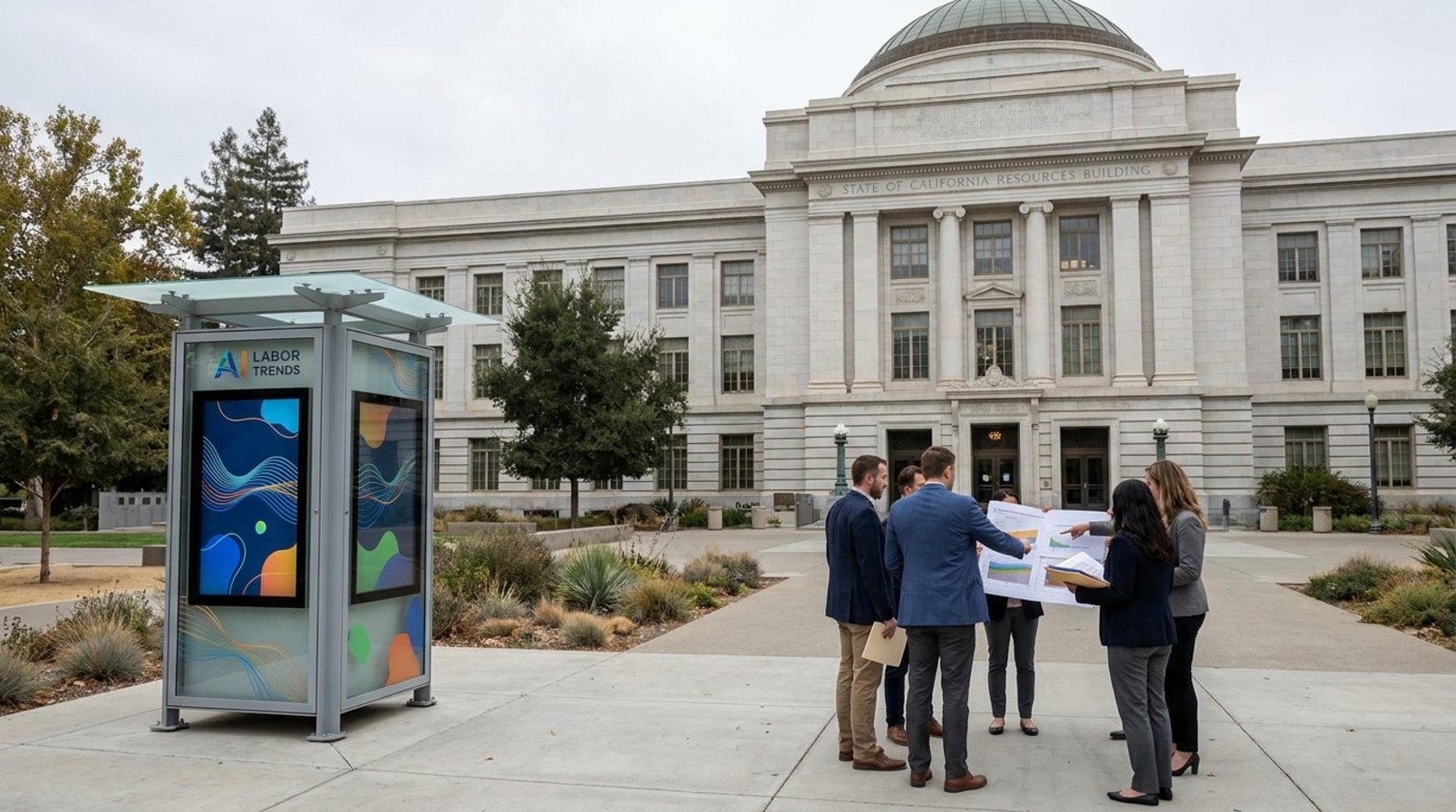
California’s message is clear: AI is not only a productivity story, but also a public policy issue. When the labor market changes quickly, having an early monitoring mechanism will help the state better prepare workers, small businesses, and communities for employment shocks. Source: California State Portal.
For marketing teams, especially those applying AI to content production, media buying, or data analysis, this story reflects a broader trend: technology can restructure job roles rather than merely support existing work. Therefore, businesses need to invest in upskilling staff, quality control processes, and human-AI collaboration models at the same time.
AI must cut costs and be monitored for labor impact
Read more: How AI, Policy, and User Control Are Reshaping Social Media for Marketers
These two stories together show that AI is moving in two parallel directions: on one hand, it needs to be optimized to reduce costs and increase speed; on the other, there must be mechanisms to monitor its impact on labor and organizations. For the Vietnamese market, this is especially important in areas that use AI heavily, such as social media marketing, e-commerce, customer service, and digital content production.
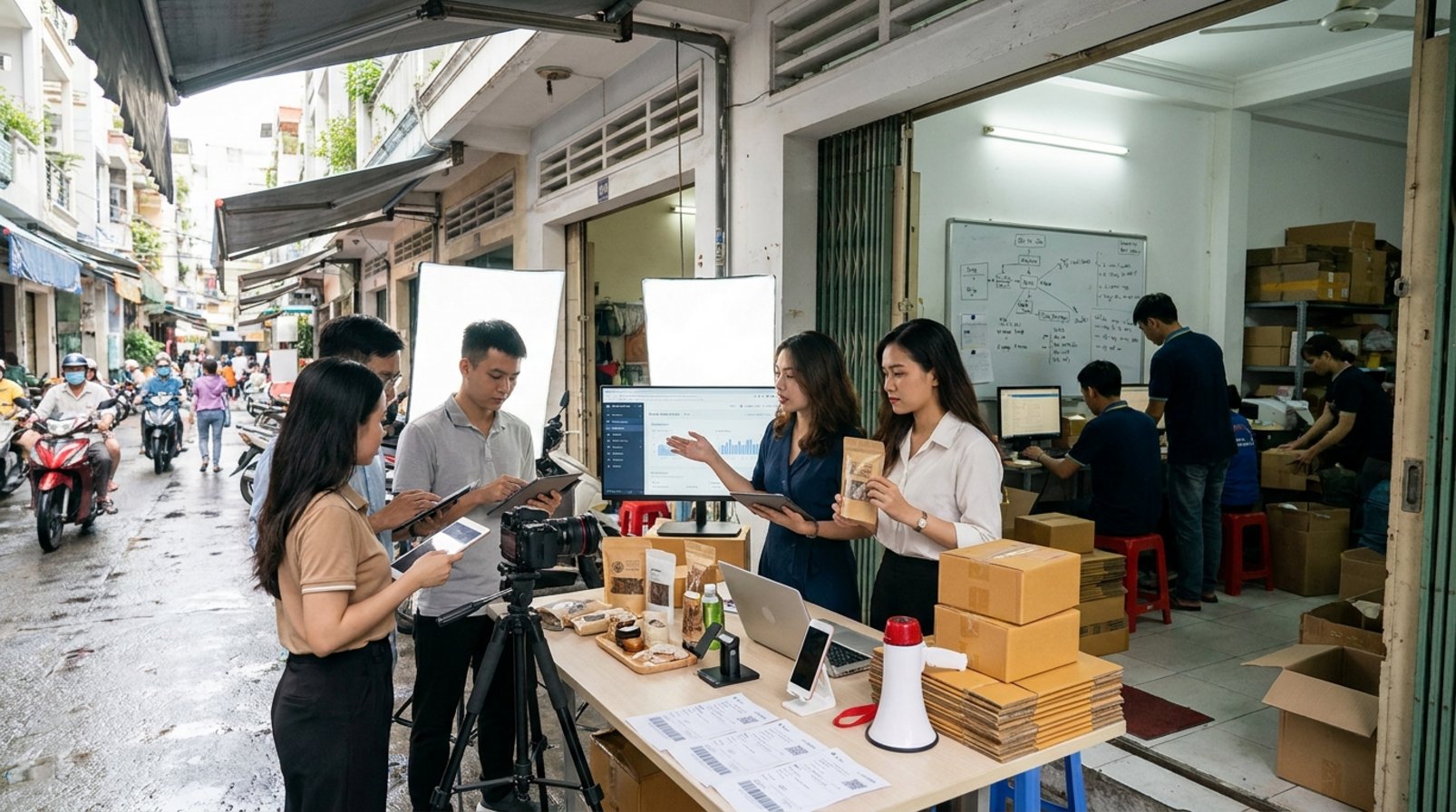
Vietnamese businesses should note three points. First, when deploying AI for social media, measure both performance and operating costs to avoid chasing automation while incurring hidden expenses. Second, clearly define which tasks AI does well and which still require humans to ensure creativity, moderation, and crisis handling. Third, prepare a reskilling plan, because AI can change how content, ads, and analytics teams are organized much faster than expected.
In other words, Vietnamese marketers should not only ask, “What can AI do for social media?” but also, “How is AI changing our team structure, costs, and competitive capability?” That is the more sustainable approach as AI moves deeper into marketing operations.
See more marketing news and guides at https://marketing365.vn.
See more marketing analysis & guides at Marketing365.
Read more articles in the same category at Digital Trends.
This article focuses on AI and social media with a perspective for the Vietnamese market.
References
- Improving the speed and energy-efficiency of AI agents
- California becomes the first state to launch a tool to monitor and track artificial intelligence’s impacts on the workforce