Contents
- Measuring social media is no longer just “for fun”
- The 2026 World Cup reminds marketers: don’t just sponsor, tell a story
- A decade of social media marketing has changed how brands operate
- Gen Z remains the “hot spot” of every social strategy
- Social media is no longer a side channel but a communications infrastructure to measure
- References
Social media continues to change faster than many marketers can update their strategies. The four sources below paint a notable picture: from measuring content performance and learning lessons from major sporting events, to looking back on a decade of social media marketing, and new statistics on Gen Z — the audience group shaping how brands must communicate.
Key points
- Businesses do not just need to “do social”; they need to track the right metrics to connect social media with hiring, sales, and brand building.
- High-culture, high-attention events like the World Cup show that emotional, community-driven, participatory content matters more than one-way advertising.
- The 2016–2026 decade is seen as the period when social media marketing shifted from “content distribution” to “building creative and community ecosystems.”
- Gen Z is an extremely important user and workforce group; their content consumption, search, and shopping habits are very different from previous generations.
Measuring social media is no longer just “for fun”
According to an article from South Carolina State Government on World Social Media Day, social media has directly affected how businesses recruit, how workers find jobs, and how individuals or organizations promote their skills and services. What is notable is that this influence has become a real demand in the job market: many roles now require the ability to use social media as a professional skill.
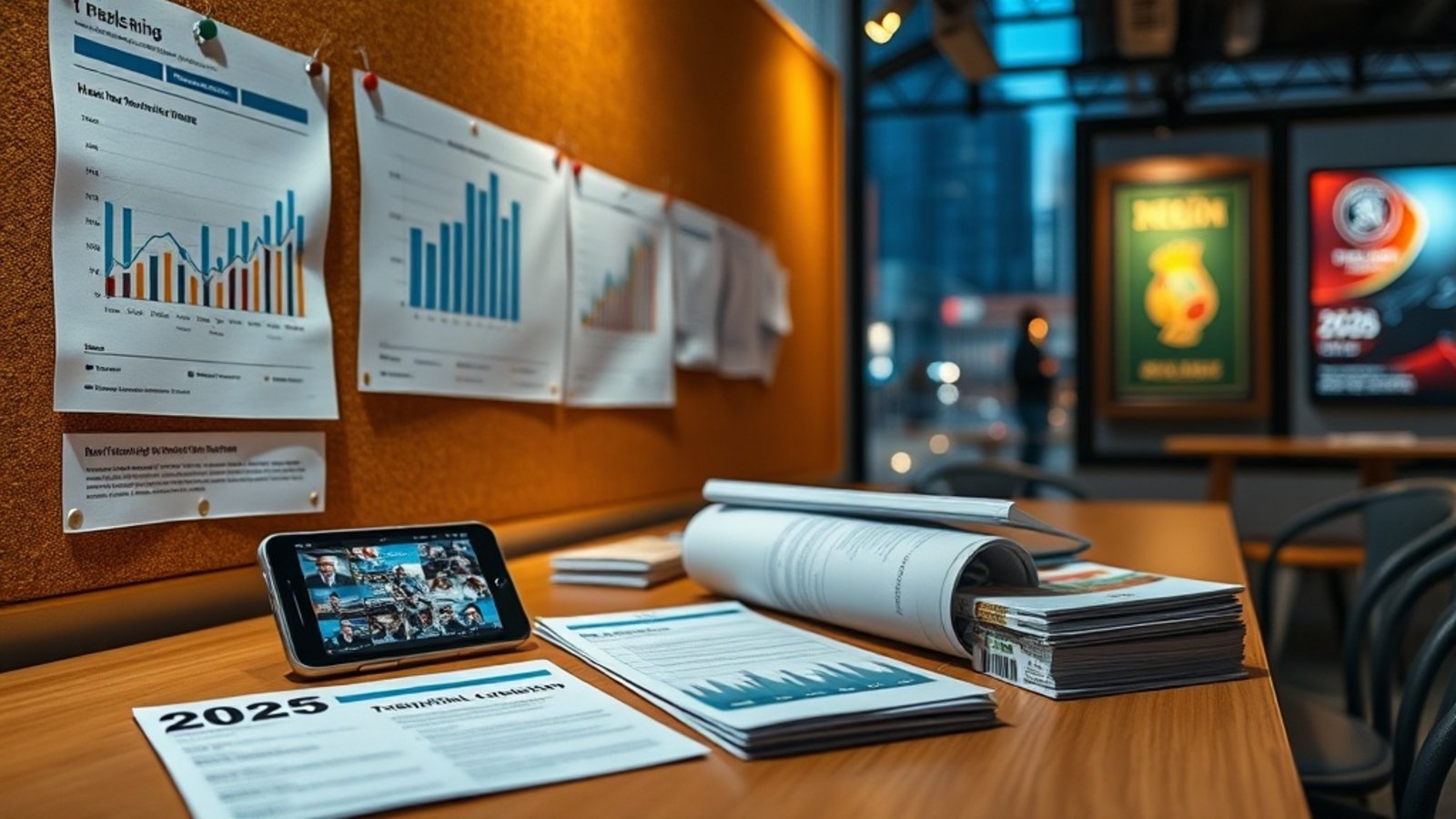
The core message of this source is not the celebration of World Social Media Day, but the fact that social media metrics need to be read as part of business performance. For marketers, that means not stopping at likes or followers. They need to observe what social media is supporting: brand awareness, lead generation, recruitment, or professional credibility.
In other words, social media metrics only matter when tied to specific goals. A campaign may not go viral, yet still succeed if it helps a brand attract the right candidates, expand its pool of potential customers, or increase its presence in the industry.
The 2026 World Cup reminds marketers: don’t just sponsor, tell a story
An analysis on Inc.com draws four marketing lessons from the 2026 World Cup, with the key point being the power of global, community-driven experiences. For events like the World Cup, brands cannot simply show up with a logo or sponsorship; they need to find ways to become part of the cultural conversation around the tournament.
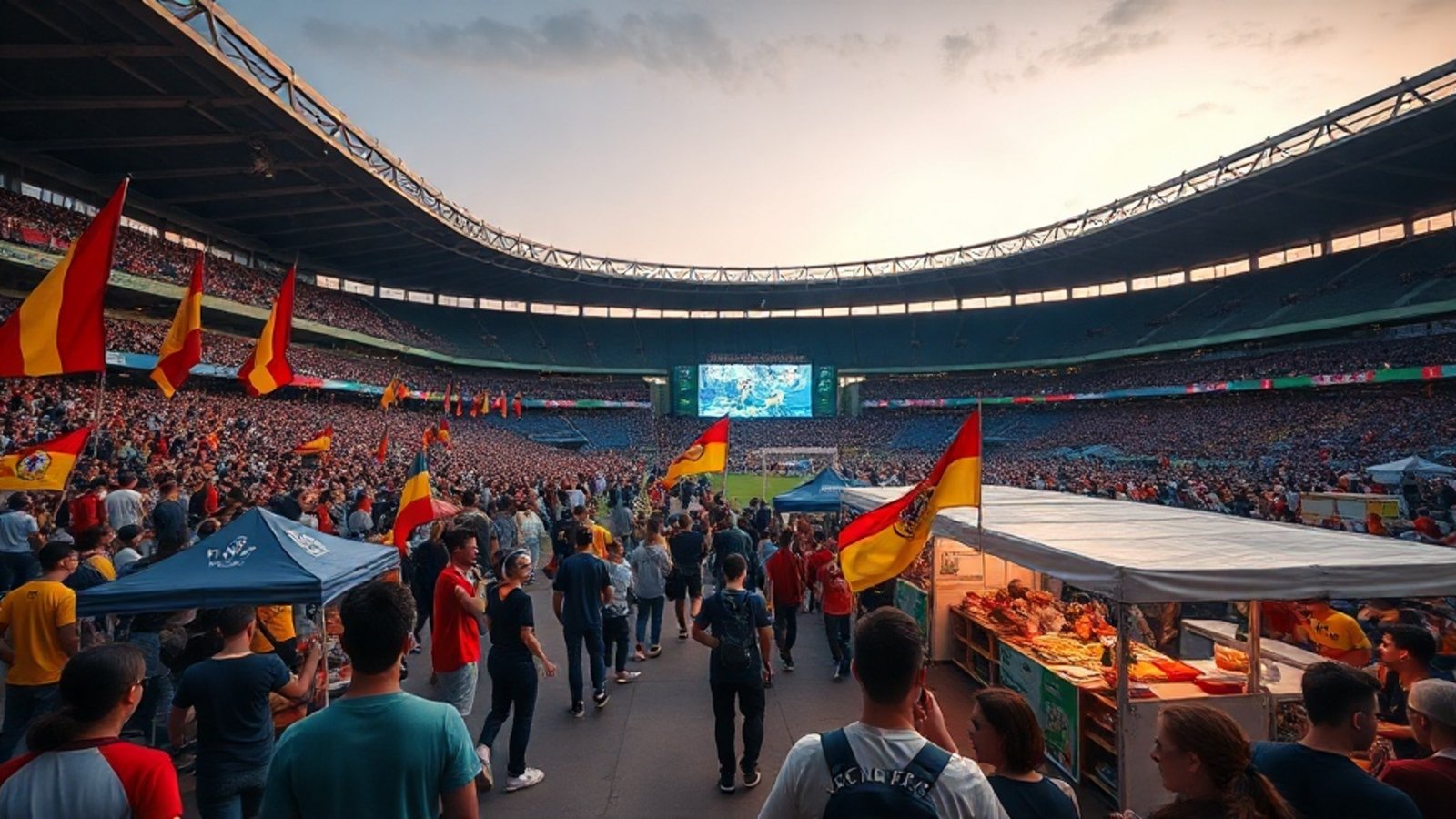
This is especially important for social media. When a major sporting event takes place, users are not only watching the match; they are also commenting, sharing, debating, and creating memes in real time. Brands that respond quickly, use the right language, and understand the community’s “rhythm” have a much better chance of earning organic attention than with traditional advertising.
For Vietnamese marketers, the lesson here is to prepare a flexible content framework: one that can join trends without losing the brand’s identity. Agility must go hand in hand with brand discipline, or it is easy to end up chasing trends without creating value.
A decade of social media marketing has changed how brands operate
An article on Social Samosa looks at 2016 to 2026 as a decade that rewrote social media marketing. Although the source focuses on the advertising and creative industry context, the broader message is that social media has moved far beyond being a simple posting channel. It has become a place where brands build stories, engage communities, and create cultural impact.
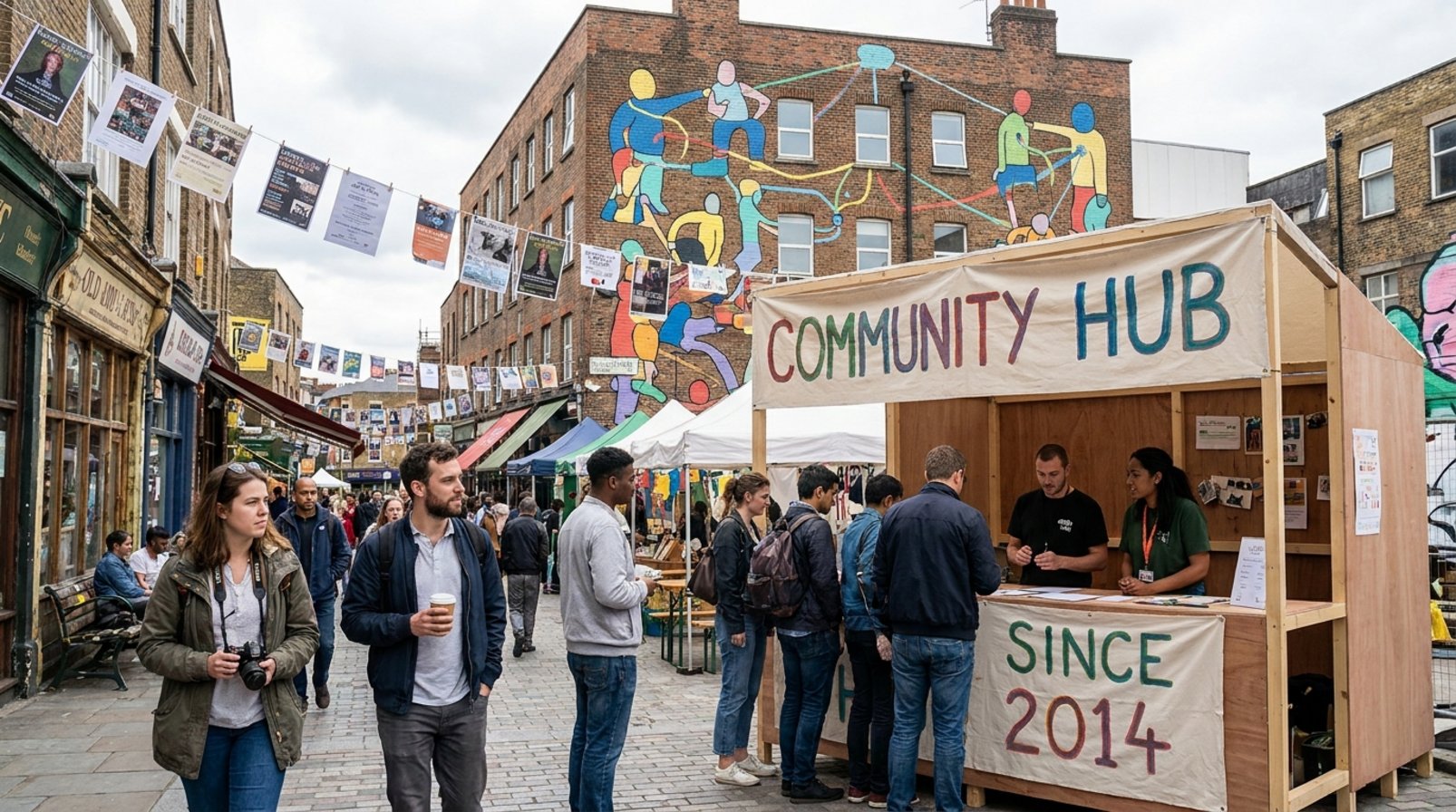
This also explains why social platforms are no longer judged by reach alone. Marketers need to look at the quality of engagement, contextual relevance, and the ability to create long-term value. The most effective campaigns are often not the loudest ones, but the ones that understand the platform, the audience, and the purpose.
In that context, social media marketing over the past 10 years can be summed up in one shift: from mass content distribution to designing experiences, from talking about the brand to creating reasons for the community to take part in the brand’s story.
Gen Z remains the “hot spot” of every social strategy
Read more: Trust and Measurement Are the Real Social Media Metrics
Read more: How AI, Transparency and Visible Metrics Are Reshaping Social Media for Marketers
Hootsuite’s new set of Gen Z statistics shows that this is still a user group marketers cannot ignore. The source highlights three major traits: Gen Z is a generation born into a digital environment, is large in size and growing up quickly, and has a significant level of connection with creators. According to Hootsuite, half of Gen Z feel a personal connection to creators more than to TV personalities.
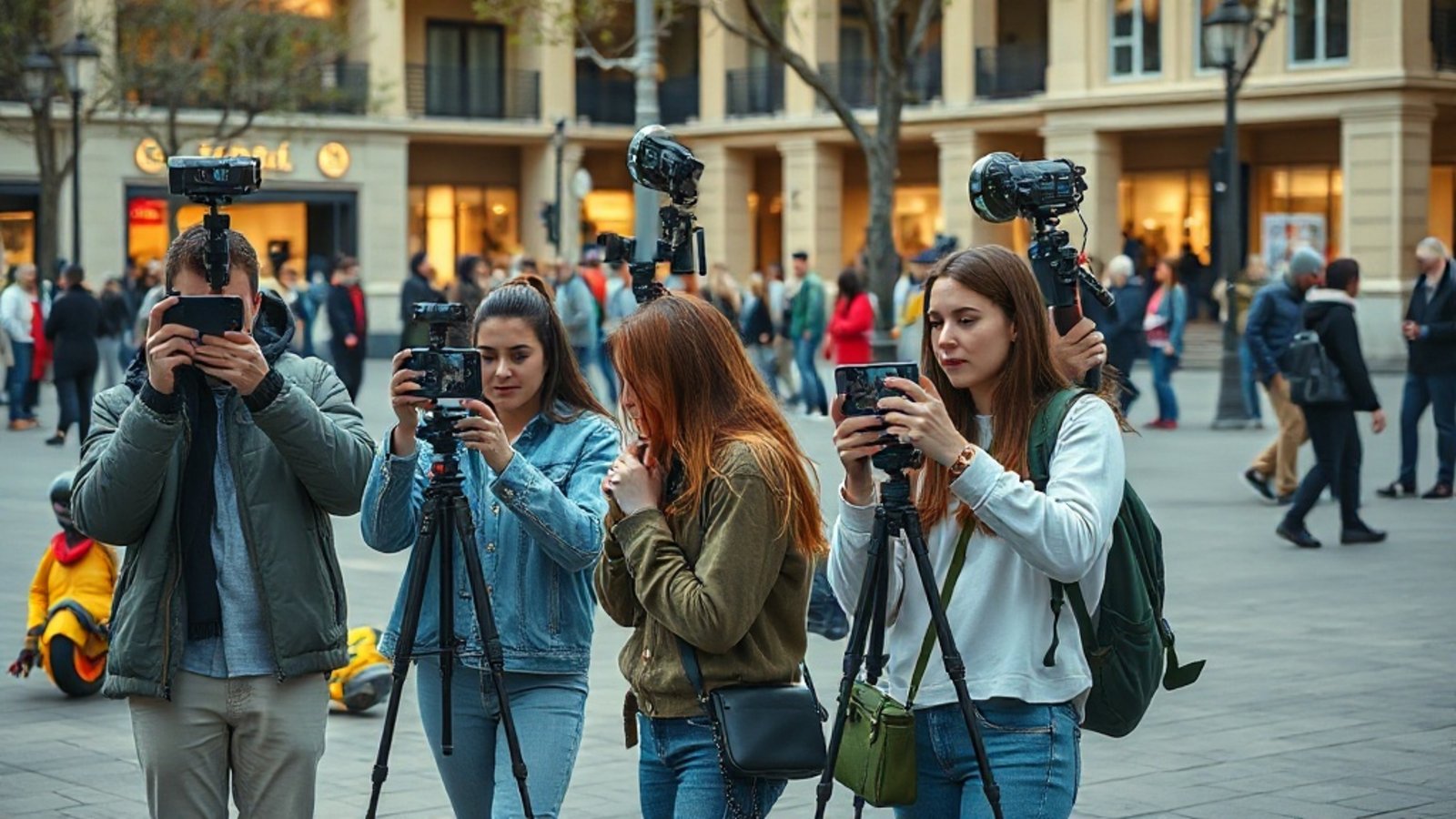
This has direct implications for social media strategy. If a brand wants to speak to Gen Z, the approach needs to be authentic, fast, natural, and highly personalized. They can easily spot “polished” messaging and often respond more positively to content that feels original, with real people sharing real experiences.
In practice, Gen Z is not only an audience that consumes content, but also one that searches for information, evaluates brands, shops, and influences online communities. Therefore, marketers need to optimize social content around this group’s discovery behavior: concise, visual, useful, and trustworthy enough to make them stop scrolling.
Social media is no longer a side channel but a communications infrastructure to measure
For Vietnamese businesses, the four sources above point to a fairly clear conclusion: social media is no longer a “secondary channel” in marketing, but a communications infrastructure that must be measured, invested in, and managed strategically. As Vietnamese users shift strongly toward short-form video, creator content, and shopping through social media, understanding the right metrics and the right audience groups will determine performance.
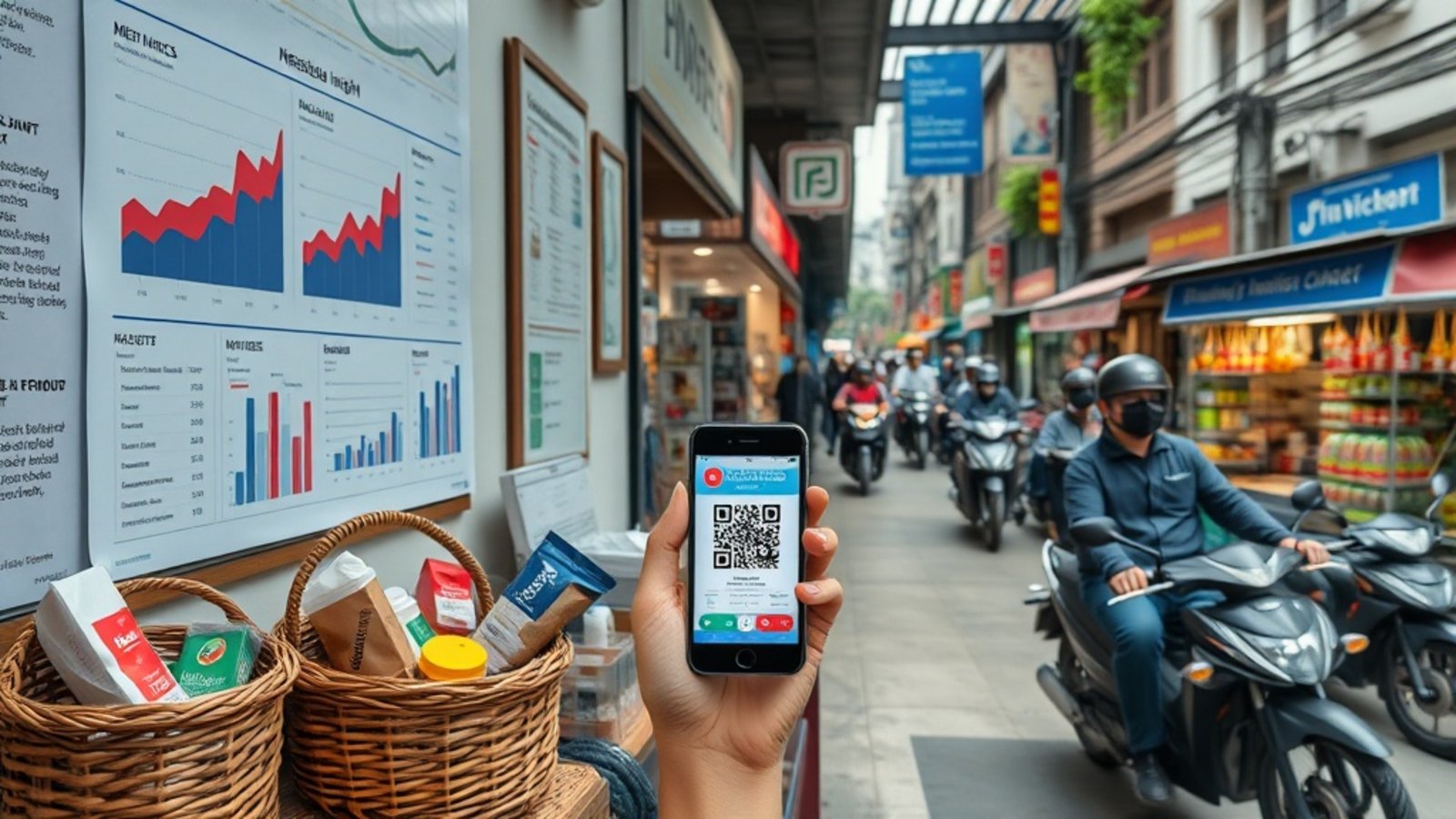
Three priorities are worth considering: first, establish a set of metrics tied to business goals rather than just surface-level engagement; second, build controlled trend-jumping capabilities so the brand can join cultural conversations while still preserving its identity; third, study Gen Z and younger user groups in depth to shape language, visuals, and content cadence that better fit digital behavior in Vietnam.
In short, social media in 2026 is not just a place to post. It is where brands are seen, evaluated, and chosen.
References: South Carolina State Government, Inc.com, Social Samosa, Hootsuite.
Explore more marketing analysis and guides at https://marketing365.vn.
Explore more in-depth marketing analysis and guides from Marketing365.
Read more articles in the same category Digital Trends.
References
- South Carolina State Government (.gov) — Tracking Social Media Metrics for World Social Media Day
- Inc.com — 4 Marketing Lessons Every Business Can Learn From the 2026 FIFA World Cup
- Social Samosa — 2016 to 2026: The decade that rewrote social media marketing
- Hootsuite Blog — 26 Gen Z statistics that matter to marketers in 2026