Contents
- Viral lessons from “Baklava Guy”: When pain can become a communications strategy
- From tourist to influencer: Brand partnership opportunities emerge in the content flow
- Audiences are fragmenting: Social media cannot replace understanding each customer group
- B2B on social media in 2026: No longer just a brand-awareness game
- The giveaway and blind-box effect: Why “unboxing” content still draws crowds
- Social media rewards real context, fast response and personalization
- References
As of mid-2026, a run of viral local brands and unplanned creator partnerships makes one pattern hard to ignore: on social media, authenticity, timing, and community now decide outcomes more than budget does. This analysis works through what recent cases reveal and what they mean for Vietnamese marketers rethinking short-form content, KOL/KOC collaborations, and campaigns that need to break out of the paid-media bubble.
Viral lessons from “Baklava Guy”: When pain can become a communications strategy
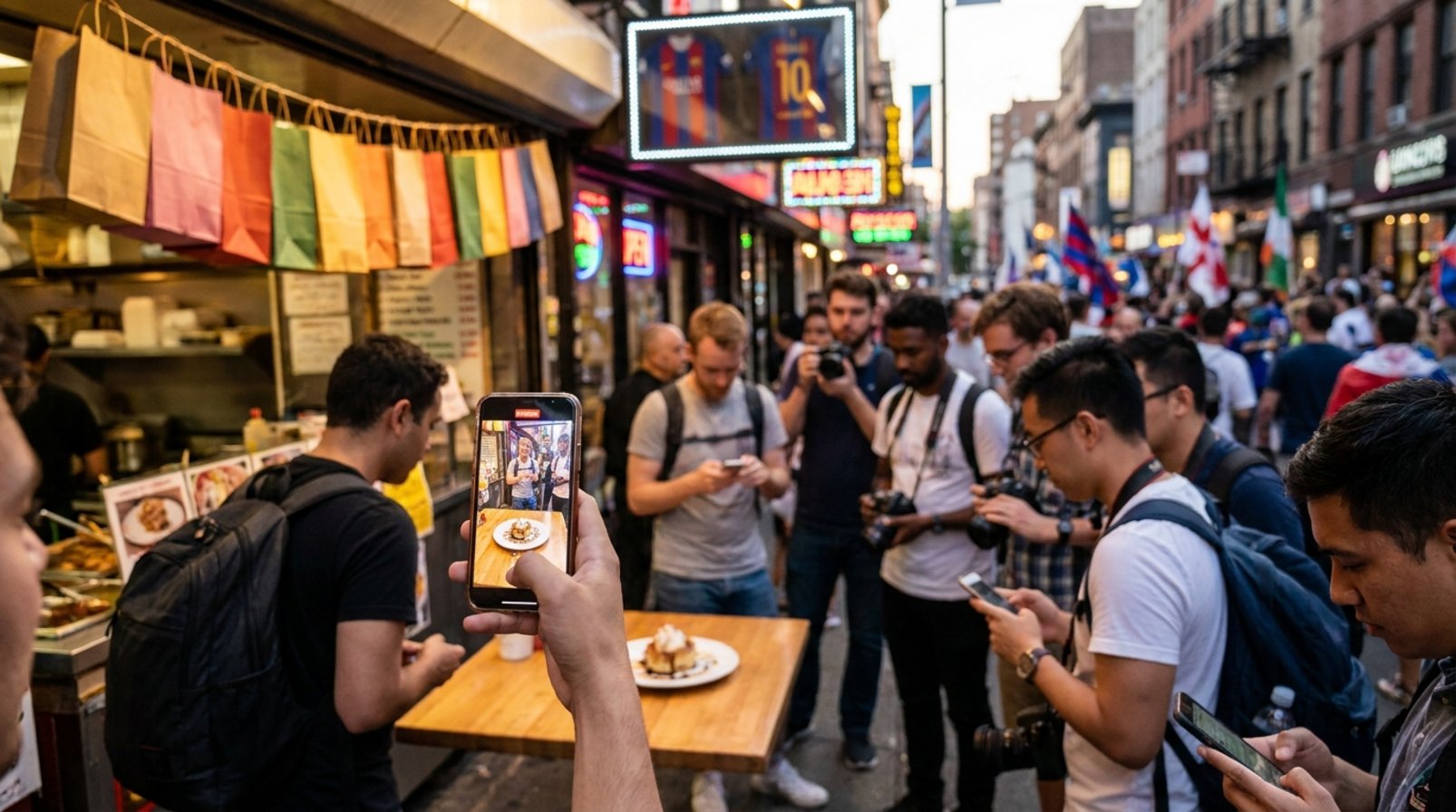
Inc.com tells the story of a baklava seller in New York, affectionately known by the community as “Baklava Guy,” who used the attention around basketball season to make his brand explode on social media. What stands out is not just the food or the event backdrop, but the way he chose a highly attention-grabbing tactic, even described as “painful” in the experience, to make viewers stop, share, and talk.
From a marketing perspective, this story shows that viral content often does not come from a perfect message, but from an unexpected angle distinctive enough that users want to retell it to others. For small brands, it is a reminder that budget is not the biggest barrier; the deciding factor is the ability to create a memorable moment at the exact time the community is paying attention.
Source: Inc.com.
From tourist to influencer: Brand partnership opportunities emerge in the content flow
Modern Retail highlights the case of Shaun Alexander, a travel and food content creator who unexpectedly became a partner for Sonic after his videos of American food experiences grew strongly during the World Cup. What is interesting is that this collaboration was not a pre-packaged plan from the start, but emerged when his organic content itself created momentum across multiple platforms.
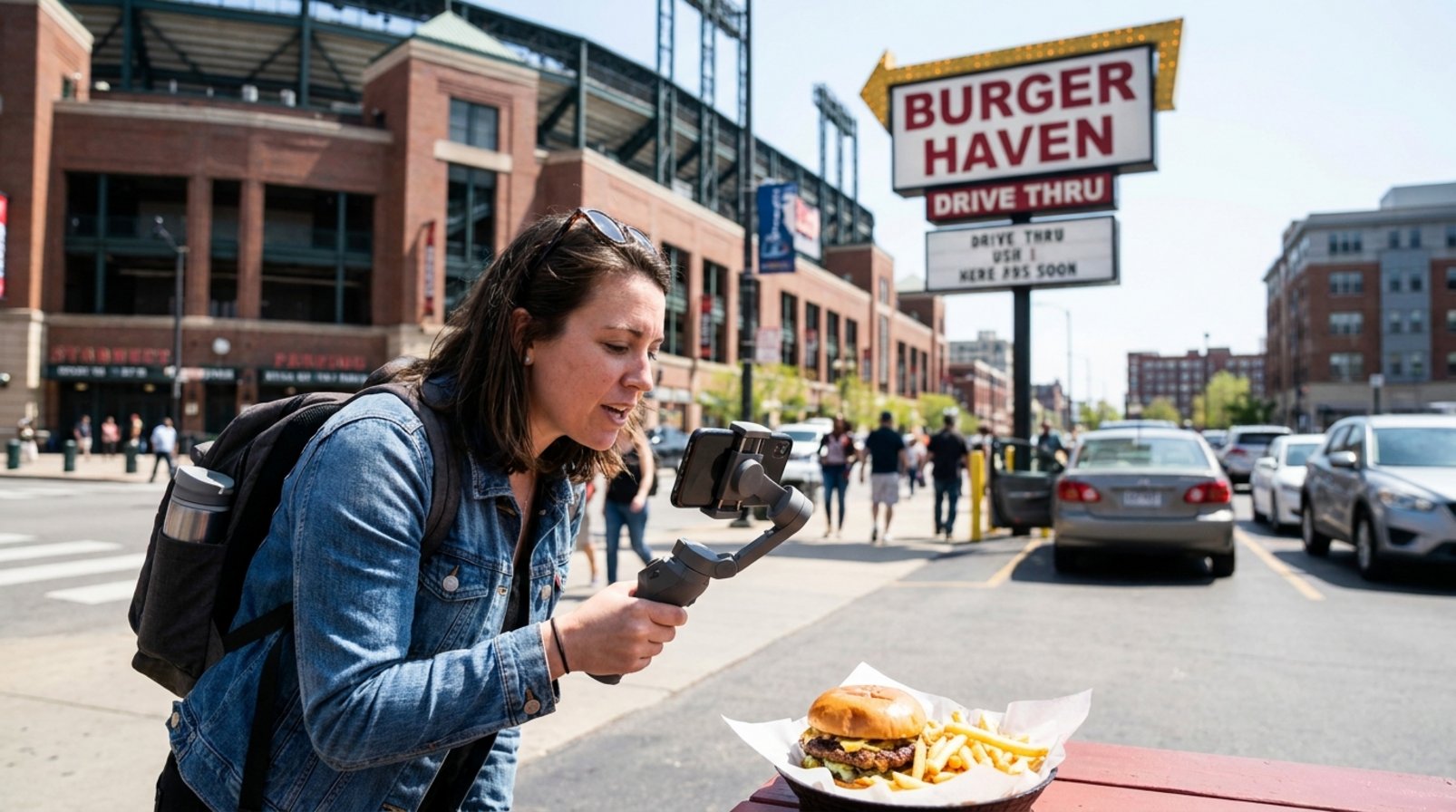
This is the kind of opportunity many brands are looking for: not just hiring KOLs to broadcast a message, but tracking real growth signals in audience behavior. On social media today, content creators can become a bridge between travel, food, and local consumption in just a few short posts. From a brand perspective, reacting quickly to an emerging trend can sometimes be more valuable than a months-long influencer plan.
Source: Modern Retail.
Audiences are fragmenting: Social media cannot replace understanding each customer group
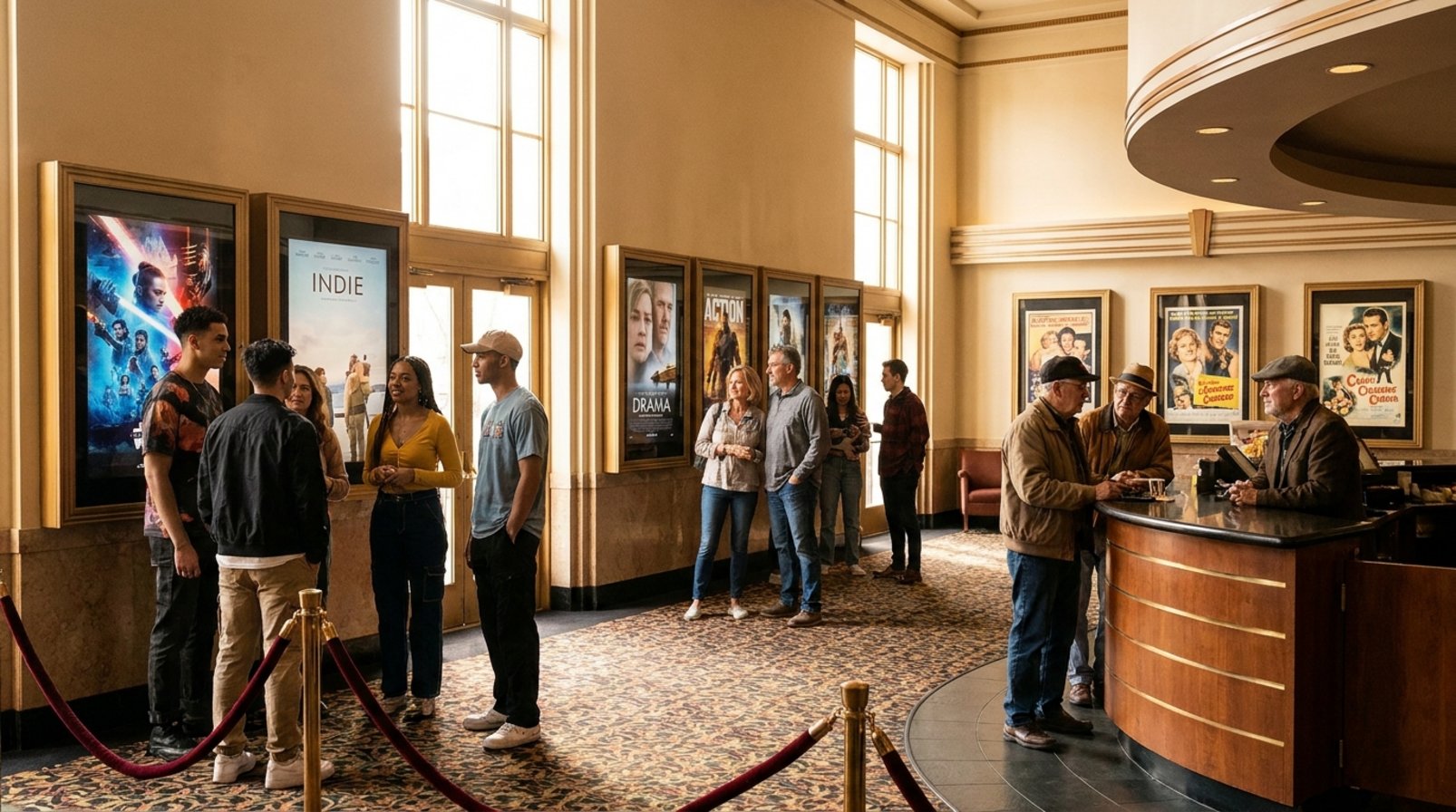
TheFutureParty points to a notable reality at the box office: for the same blockbuster film, reception differs clearly across generations. The article suggests that audience tastes are fragmenting faster, and this is not just a film industry issue but a broader signal for the entire digital content industry.
Read more: On Social Media, Trust and Storytelling Now Beat Advertising Spend
For marketers, the message here is clear: a social media campaign should not assume that every age group will respond the same way to the same content, the same creator, or the same format. Generational fragmentation is forcing brands to refine storytelling, distribution channels, and calls to action. Content that works on TikTok may not have the same impact on Instagram, and a viral campaign with Gen Z may not convince older customer groups.
Source: TheFutureParty.
B2B on social media in 2026: No longer just a brand-awareness game
MSN cites an article on B2B marketing strategy in 2026, emphasizing that reaching business customers is shifting strongly toward digital channels, with social media playing a more important role than before. Although the B2B context is very different from consumer marketing, the common point is that purchasing decisions are increasingly influenced by content seen on digital platforms before the formal conversation even begins.
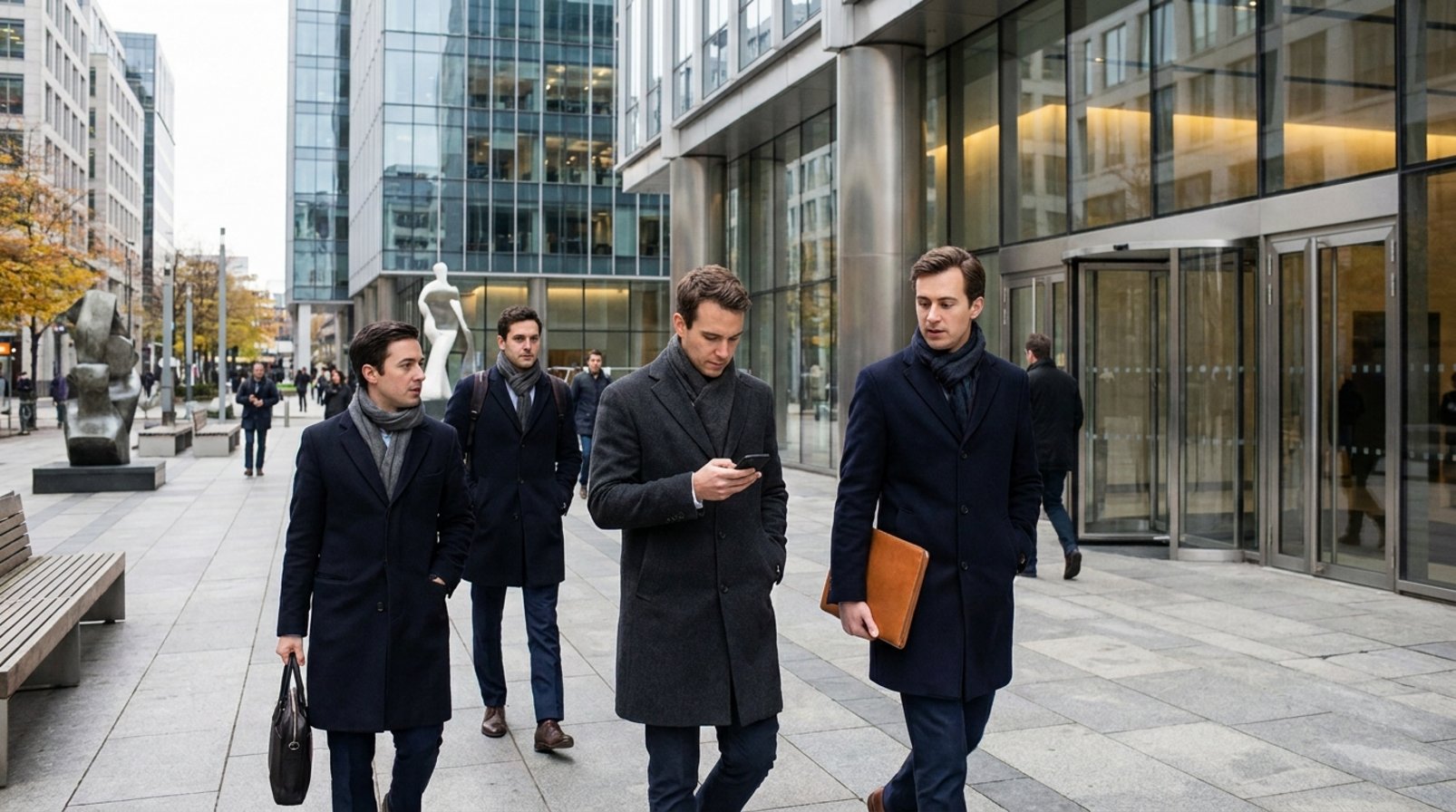
This creates new demands for marketing teams: B2B content can no longer stop at online brochures or product-introduction posts, but must build a chain of touchpoints from awareness to consideration, combining short-form video, expert content, social proof, and clear conversion points. Social media in B2B is therefore no longer a “supporting channel,” but a place that shapes credibility and creates momentum for sales.
Source: MSN.
The giveaway and blind-box effect: Why “unboxing” content still draws crowds
A source from Mshale mentions the buzz around giveaway activities and blind-box-style content, showing that the appeal of surprise remains very strong on social media. Although the specific context of the original story is not entirely clear due to limited access to the page, the topic still recalls a familiar formula: users are held by the suspense of not knowing what they will get.
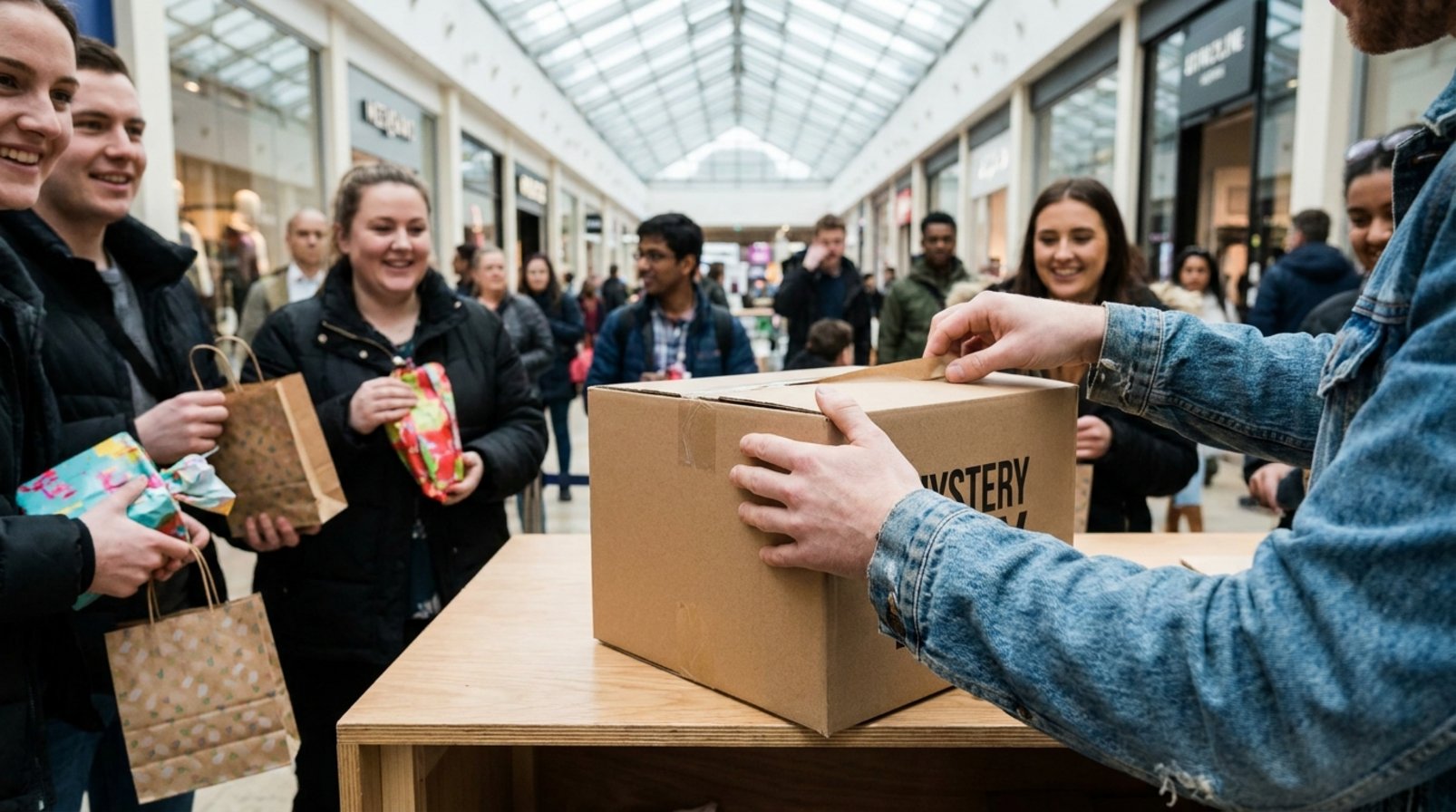
For marketers, this is a reminder that “unboxing,” raffle, random-gift, or layered-discovery mechanics still have room to work if they are designed transparently and tied to real value. However, the success of this type of content depends heavily on fairness, the attractiveness of the prize, and the ability to turn it into natural conversation rather than just a short-lived effect.
Source: Mshale.
Read more: AI in Gaming: Why Authenticity and Craft Still Beat Automated Shortcuts in 2026
Social media rewards real context, fast response and personalization
From Vietnam’s perspective, these five stories show that social media is operating on a very clear logic: success belongs to brands and creators who know how to tap into real context, respond quickly to community signals, and personalize messaging for each audience segment. From F&B and retail to B2B, the opportunity is not just in “posting regularly,” but in creating content that gives people a reason to share it.
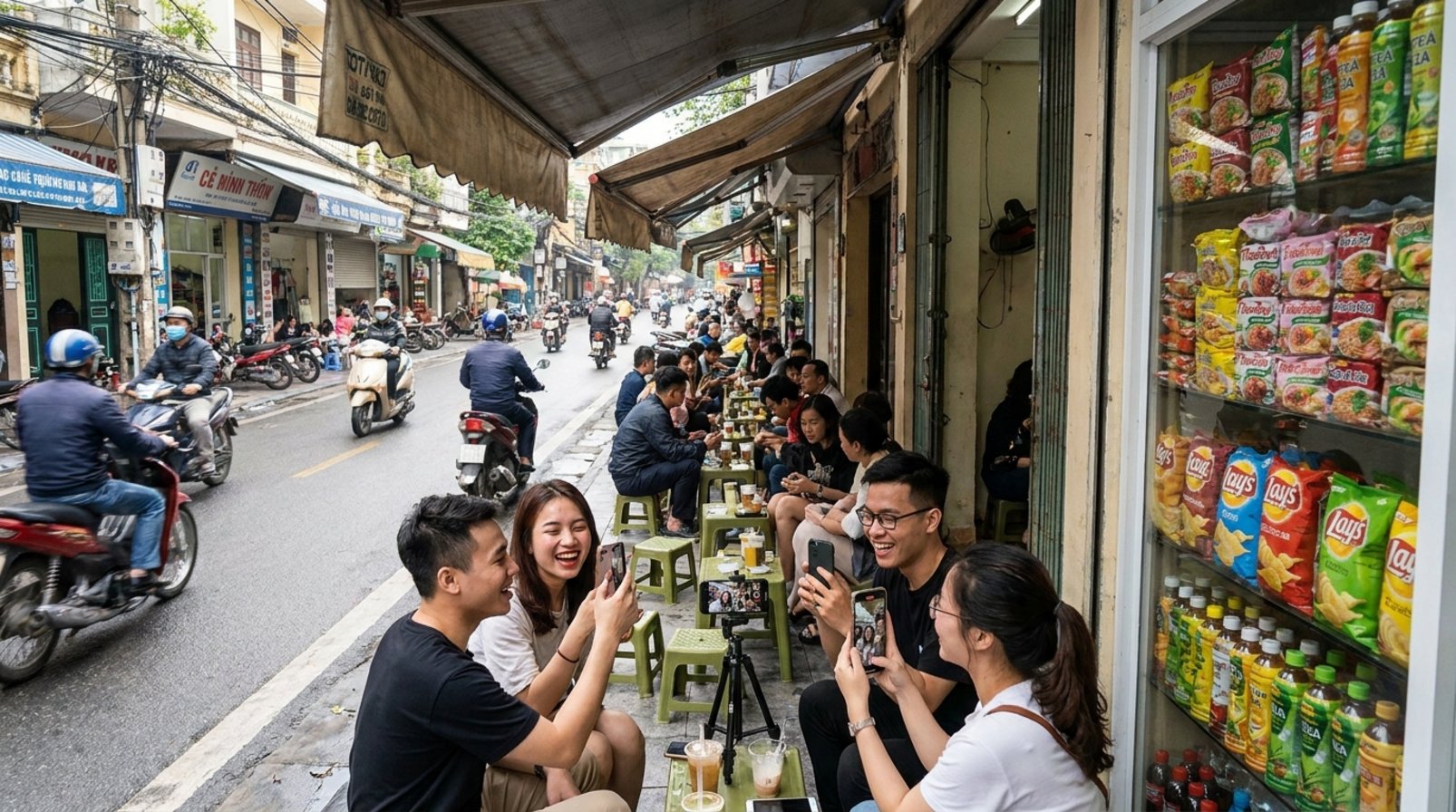
Vietnamese businesses should note three things. First, design content that can live in the fast, crowded, highly competitive environment of social media. Second, do not treat KOLs/KOCs as mere outsourced channels; they are early indicators of community behavior and language. Third, for giveaway or engagement-activation campaigns, prioritize real experiences and transparency to avoid eroding trust.
In other words, social media in 2026 does not just reward creativity, but also cultural sharpness, execution speed, and the ability to turn a small moment into a big story.
Explore more marketing analysis & guides at Marketing365.
Get more marketing analysis and guides from Marketing365.
Read more articles in the same category Digital Trends.
This article focuses on social media trends with a perspective for the Vietnamese market.
References
- How NYC’s ‘Baklava Guy’ Used a ‘Painful’ Marketing Strategy to Make His Business Go Viral During the Knicks Championship
- World Cup tourists go viral for first visits to Buc-ee’s and Walmart. Could brand deals follow?
- A Generational Divide At The Box Office
- B2B marketing strategies: How to reach and convert business customers in 2026
- Aldi Blind Box Chaos: Epic Giveaway Frenzy Unleashed | Hot News Rap 2024 🔥 Athletics Vs Orioles (lJ0HAADiAx)