Contents
- LinkedIn allows users to set core brand rules
- Snapchat brings the “House of the Dragon” AR campaign to New York
- YouTube changes mobile interface and channel membership pricing
- Snapchat launches AI-powered ad creation tools
- Google adds AI bot to Ad Manager
- Social media updates push brands into the AI and automation race
- References
As of mid-2026, platform updates from LinkedIn, Snapchat, YouTube and Google point in two consistent directions that matter for marketers: tighter brand governance and deeper AI support for advertisers. For Vietnamese businesses, the strategic question is not which platform launched what, but how these shifts change budget allocation, creative preparation, and readiness for new ad formats.
LinkedIn allows users to set core brand rules
LinkedIn is testing an expanded level of control for users and businesses by allowing them to set core brand rules directly on the platform. In essence, this is a step toward helping organizations maintain consistency when appearing in digital environments, especially for content serving recruitment, B2B, and the building of both personal and corporate brand credibility.
The notable point is that the platform is increasingly becoming not just a place to post or run ads, but also a layer of brand governance. For marketers, this opens up better control over identity elements, tone of voice, and consistent messaging. Source: Social Media Today.
Snapchat brings the “House of the Dragon” AR campaign to New York
Snapchat continues to push augmented reality advertising with a campaign tied to the entertainment brand “House of the Dragon” in New York City. This is a clear example of how the platform turns advertising into an experience, rather than stopping at static content delivery.
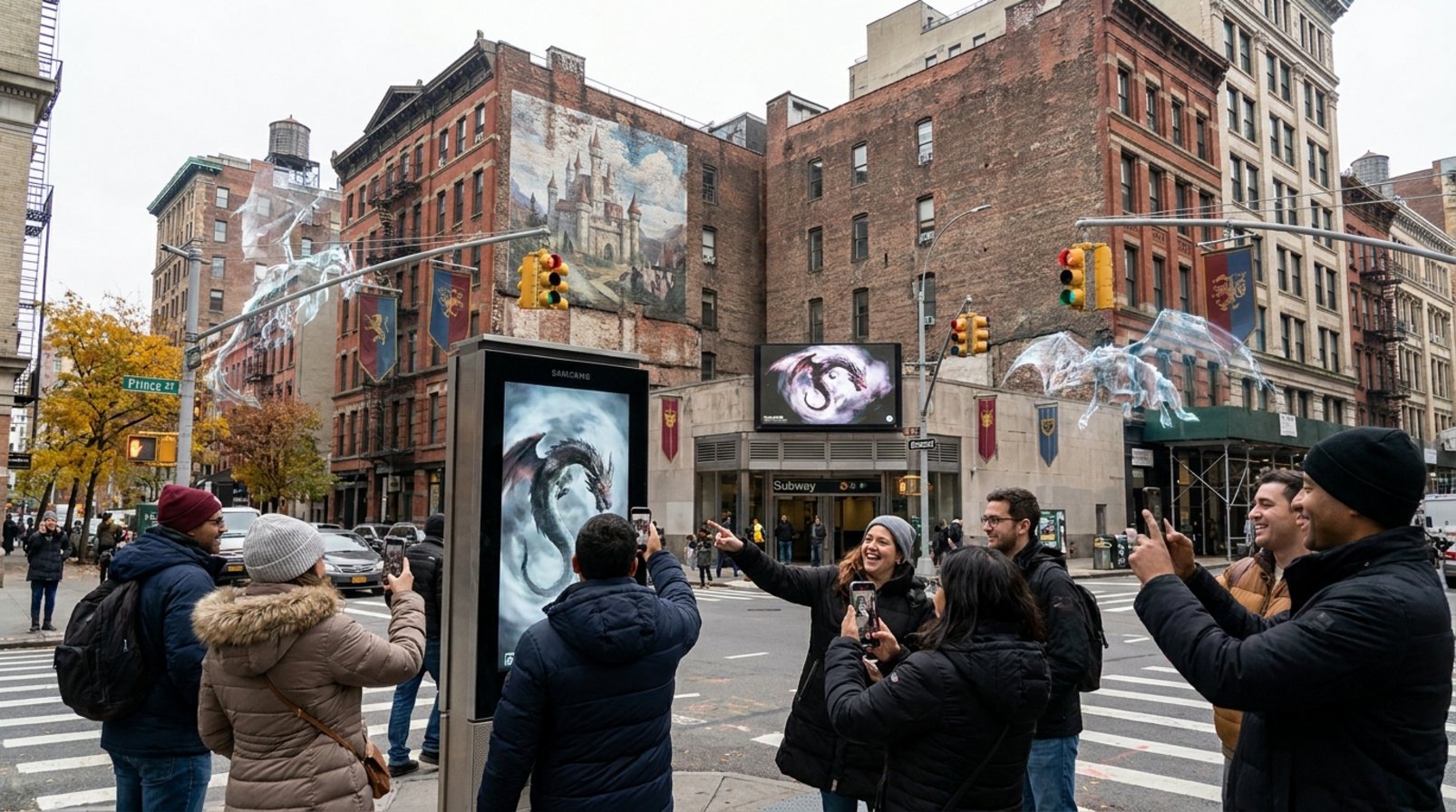
AR ads often generate stronger attention thanks to interactivity and high entertainment value, especially as users increasingly skip traditional ads. For consumer brands, film, gaming, or retail, this model shows the opportunity to combine OOH, mobile, and social into a unified communications idea. Source: Social Media Today.
YouTube changes mobile interface and channel membership pricing
YouTube continues to adjust the mobile experience while also updating how channel memberships are priced. These two changes reflect the platform’s long-term strategy: optimizing the viewing journey on mobile and increasing revenue across the creator ecosystem.

For marketers and content creators, the new mobile interface could change how users discover videos, tap into content, and join membership plans. Meanwhile, updated membership pricing will affect how creators position the value of paid communities, especially in highly competitive markets. Source: Social Media Today.
Snapchat launches AI-powered ad creation tools
Alongside AR campaigns, Snapchat is also pushing forward with AI-powered ad creation. This move shows that the platform wants to shorten creative production time, help advertisers generate variants faster, and reduce technical barriers when launching campaigns.

For businesses, this is an important signal because the speed of creative testing is increasingly becoming a competitive advantage. Brands with medium and smaller budgets can also benefit if AI tools help them produce more ad variations and test more angles within the same campaign. Source: Social Media Today.
Read more: AI Spam, Penalty Signals and Sticky Ads: What Shifting SEO Rules Mean for Marketers
Read more: How Social Media Is Evolving in 2026: AI, Real-Time Interaction, and Branded Entertainment
Google adds AI bot to Ad Manager
Google is adding an AI bot to Ad Manager, showing that the trend toward automation in ad operations is moving deeper into infrastructure platforms. If AI previously appeared mainly in bidding optimization or strategic recommendations, it is now taking another step into operational management and execution support.
For media teams, this could help reduce repetitive tasks, speed up processing, and support data-driven decision-making. However, businesses still need clear control mechanisms to avoid overreliance on automation, especially when ad budgets are large and transparency requirements are high. Source: Social Media Today.
Social media updates push brands into the AI and automation race
Overall, these 5 updates all revolve around three main axes: better brand control, richer interactive user experiences, and deeper AI application in advertising. This is a trend well suited to the Vietnamese market, where businesses increasingly need fast execution while still maintaining brand consistency.

For Vietnamese marketers, there are three priorities to focus on right away:
- Review brand guidelines across social platforms, especially for teams with multiple people managing accounts.
- Prepare more flexible creative assets to be ready to test AR formats, short-form video, and AI-assisted ad variations.
- Closely monitor interface and delivery changes from YouTube, Snapchat, LinkedIn, and major ad platforms to adjust strategy early.
As social media becomes increasingly tied to AI and automation, the advantage no longer lies only in which platform a brand is present on, but in how quickly and how strategically it can take advantage of that platform’s changes.
Explore more marketing analysis & guides at Marketing365.
Read more articles in the same category Digital Trends.
This article focuses on social media news with a perspective for the Vietnamese market.
References
- LinkedIn lets users set core brand rules
- Snapchat launches ‘House of the Dragon’ AR ad in New York City
- YouTube updates mobile UI and channel membership pricing
- Snapchat launches AI-powered ad creation tools
- Google adds AI bot to Ad Manager