Contents
For marketers, social media remains both the richest opportunity and the most volatile ground in the mix, and two recent signals from abroad frame that tension well. One is a reminder that effective communication still rests on human connection rather than tooling; the other is a warning about how much a brand can lose when a platform is restricted or changes policy. Read together, as of mid-2026 they make the case for treating social media as a strategic asset to be governed, not merely a channel to post on.
PR Daily’s awards ceremony: technology is changing, but the core remains human
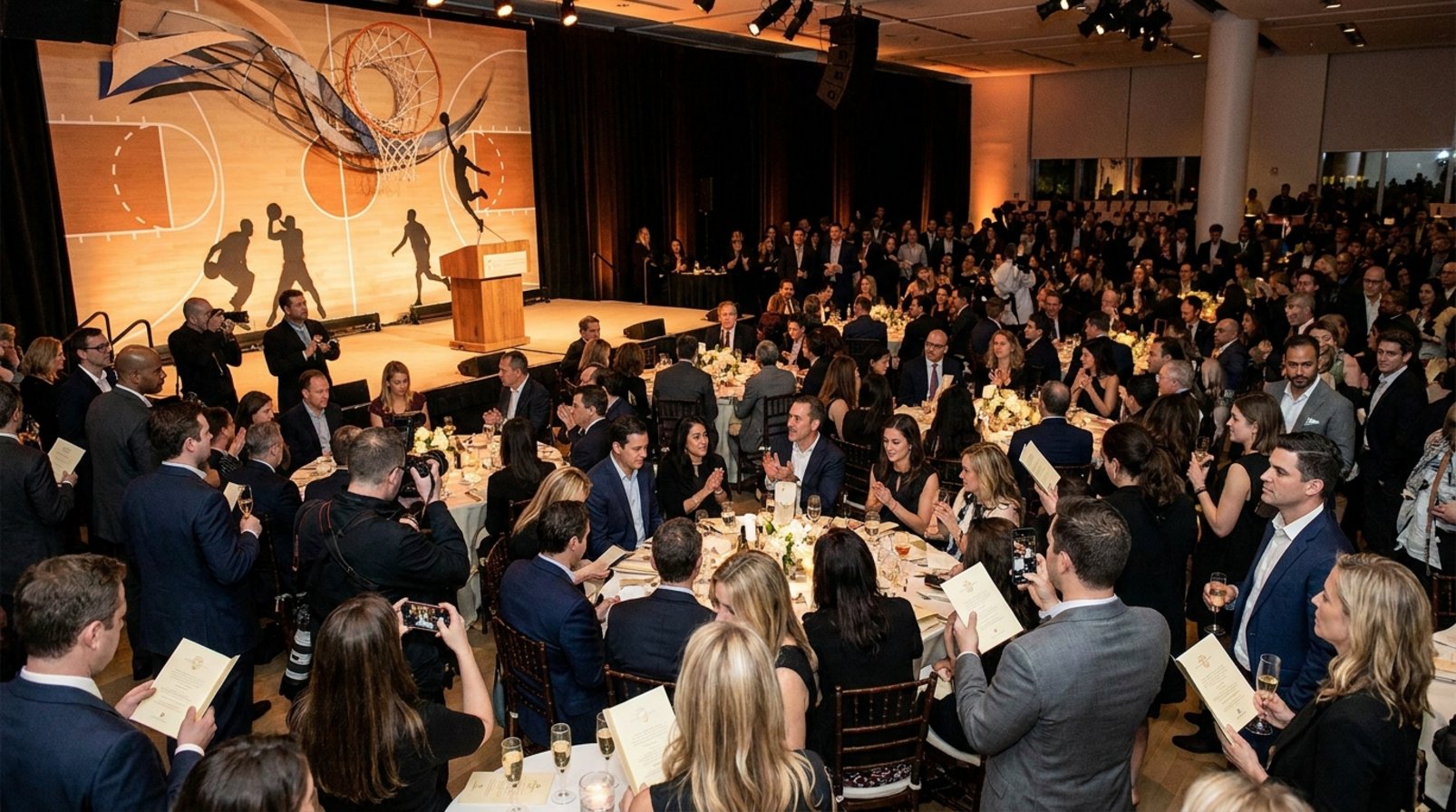
At a recent PR Daily event organized by Ragan Communications at City Winery, the marketing and social media atmosphere took on a very “current affairs” tone as the story of the New York Knicks’ victory unexpectedly became a metaphor for team spirit, discipline, and resilience. The message repeated from the stage was that no matter how quickly tools change, effective communications still rest on a very basic foundation: people talking to people.
That is a notable point for social media teams today. In a context where AI, automation, and new content formats keep emerging, campaigns can easily get caught up in a technical race and forget the importance of tone of voice, empathy, and brand consistency. From the remarks at the ceremony, it was clear that the campaigns recognized were not only creative, but also able to connect emotionally, build community, and coordinate well across members of the organization.
Source: Ragan Communications, article “Highlights from PR Daily’s Marketing, Content Marketing & Social Media awards luncheon” (18/06/2026).
BoF warns marketers: when a platform is banned, social strategy must be ready in advance
On the other side, The Business of Fashion’s analysis raises a more practical question: what happens to marketers when a social network is banned or tightened in a market? In BoF’s view, the issue is not just losing a posting channel, but also the disruption of reach, user data, content distribution cadence, and even the relationship with the community built on that platform.
Read more: Why Social Media Is Becoming Business Infrastructure, Not Just a Channel

The key point of this perspective is that marketers should not view social media as a fully outsourced “rented location” beyond their control. As policy risks rise, brands need a plan to reallocate budgets, prepare content assets for multi-platform use, and strengthen ownership of channels they can control more effectively, such as websites, email, CRM, or private communities. In other words, the greater the dependence on a single platform, the more severe the shock when that platform is restricted.
Source: The Business of Fashion, article “Explainer: What Social Media Bans Mean for Marketers” (16/06/2026).
Social media must withstand algorithm and policy changes
For Vietnamese marketers, these two stories send a fairly clear message: social media needs not only good content, but also a sustainable strategy. A strong campaign must balance creativity, response speed, and the ability to adapt to platform changes.
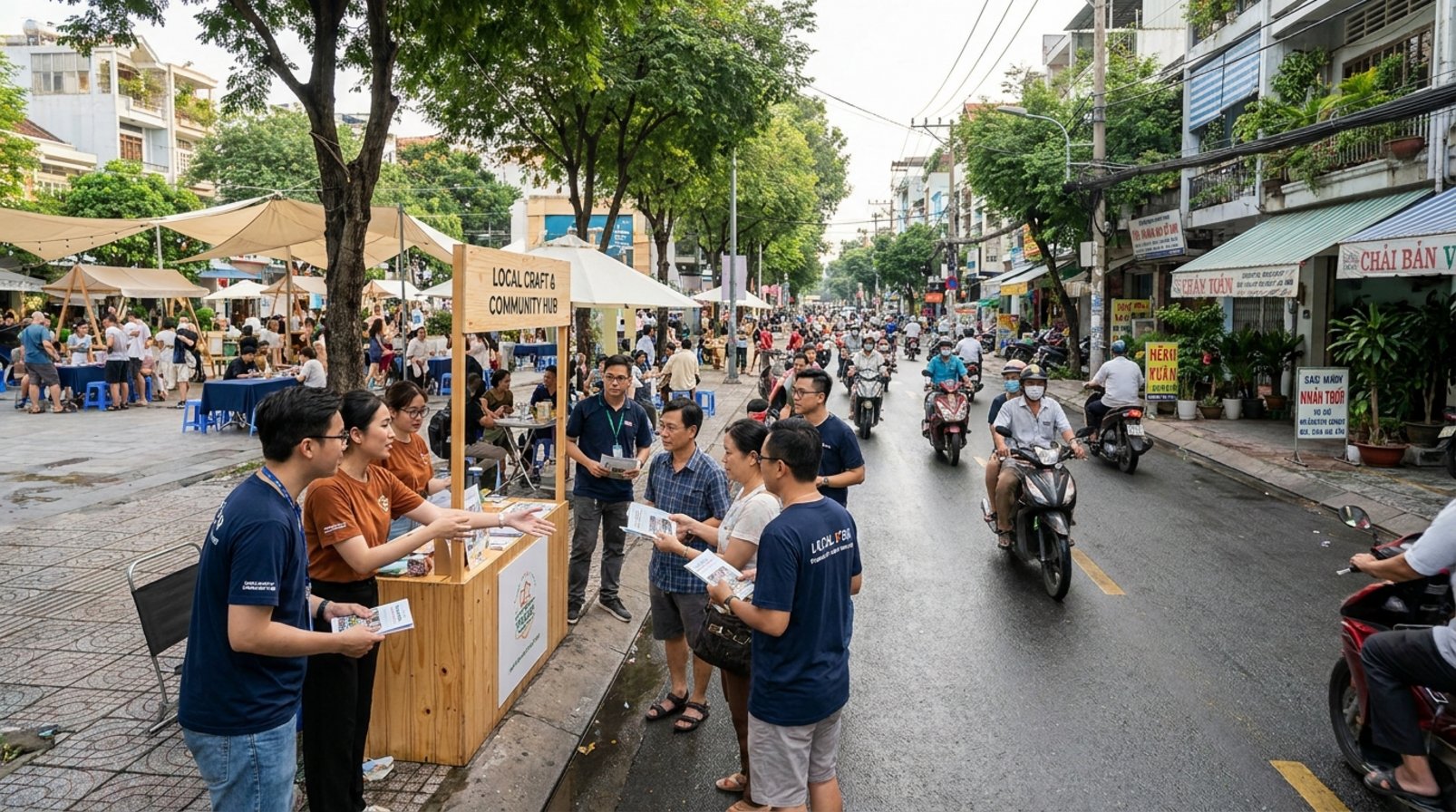
In a context where many brands in Vietnam still rely heavily on a few popular platforms to drive traffic and conversions, the practical lesson is to diversify channels, invest in owned assets, and build teams that understand brand communication principles. When a platform changes its algorithm, updates its policy, or faces a crisis, a well-prepared brand will be far less reactive.
Read more: LinkedIn and Meta Are Optimizing for Action, Not Just Distribution
At the operational level, social teams should regularly review: which content truly creates connection, which channels are delivering long-term value, and where the riskiest dependencies lie in the company’s digital ecosystem. That is how social media can not only “work today” but remain sustainable through many more cycles of change.
Explore more marketing analysis & guides at Marketing365.
Follow more updates from Marketing365 to stay on top of the latest marketing trends.
Read more articles in the Digital Trends category.
References
- Highlights from PR Daily’s Marketing, Content Marketing & Social Media awards luncheon – Ragan Communications
- Explainer: What Social Media Bans Mean for Marketers