
Contents
- Tesla Home shows AI is moving deeper into home energy management
- OpenAI brings GPT-Realtime-2.1-mini to the API, emphasizing reasoning and tool use
- Claude Code tells the story of how an AI coding tool matured
- OpenAI explores expanding AI’s role into biological research
- Google AI emphasizes platform design so models can perform at their best
- NVIDIA calls for building AI for the common good, from infrastructure to digital trust
- Anthropic publishes research on the “global workspace” in language models
- OpenAI opens applications for DevDay 2026 in San Francisco
- NVIDIA shows the role of open models in modern AI research
- DeepMind and Apptronik bring real-world data into humanoid robot training
- The Microsoft and digital surveillance controversy reveals the dark side of AI infrastructure
- Apple and Broadcom extend partnership to 2031, hinting at AI server chip ambitions
- The race for original content on X is pushing creators to learn AI video faster
- Microsoft cuts 4,800 jobs, reflecting restructuring pressure under the AI wave
- AI release cadence is shifting to a “rolling release” model
- AI is turning personal knowledge into digital products that can sell while you sleep
- AI is becoming an operating capability for Vietnamese businesses
- References
By mid-2026, the AI market keeps accelerating across infrastructure, models, products and real-world applications. For Vietnamese marketers, this is less a technology headline than a “map” for how to build content, automate workflows and design digital products as AI moves from testing into real operations.
Key points
- Tesla, OpenAI, Anthropic, Google, NVIDIA and Microsoft all made new moves, showing that the AI race is spreading from software to hardware and infrastructure.
- Many signals focus on practical applications: home energy optimization, real-time assistants, scientific research, robots, and creative tools.
- The standout trend is “always-on” AI with a faster release cadence, rather than isolated launch milestones as before.
- For Vietnamese businesses, the opportunity lies in turning internal knowledge into digital products, optimizing costs, and improving content performance with AI.
Tesla Home shows AI is moving deeper into home energy management
Tesla has just introduced Tesla Home, a home energy management system powered by Opticaster — the company’s AI optimization software. According to the source description, the system predicts household electricity demand, automatically coordinates usage across electrical devices, and helps reduce power bills.
The notable point is that Opticaster does not just “control” but also learns from electricity usage data, weather forecasts, local electricity prices, solar output, and battery storage levels. Tesla says the system will continuously improve its forecasting ability through over-the-air updates. For marketers, this is a textbook example of how AI is packaged into very concrete value: saving costs, creating a sense of control, and turning complex technology into an easy-to-understand benefit. Source: Sawyer Merritt on X.
OpenAI brings GPT-Realtime-2.1-mini to the API, emphasizing reasoning and tool use
OpenAI Developers announced that GPT-Realtime-2.1-mini is now available in the API, adding reasoning and tool use capabilities to the Realtime mini line at the same price as GPT-Realtime-mini. This is an important signal for voice applications, real-time assistants, and products that need fast responses but still must be able to call external tools when needed.

For product and marketing teams, this change opens up many new scenarios: voice-based sales assistants, context-aware customer support, or internal support systems that can retrieve data and take automated actions. In other words, AI is not only getting better at talking — it is increasingly able to do the work. Source: OpenAI Developers on X.
Claude Code tells the story of how an AI coding tool matured
Anthropic shared a “short history” of how Claude Code came to be, told from the perspective of the product team and early users. Although the original content does not go deep into numbers, the main message is that Claude Code did not appear as a random product, but matured through real-world testing and community feedback.

This reflects a clear trend in AI tools: the closer a product is to the user’s real workflow, the easier it is to build an advantage. For Vietnamese businesses, the lesson is not whether they “have AI” or not, but whether AI is truly embedded in the work process or only remains at the demo layer. Source: Claude on X.
OpenAI explores expanding AI’s role into biological research
In the Builders Unscripted program, OpenAI Developers introduced a conversation with Derya and Romain Huet about building tools for biology with Codex, while also discussing a future in which AI helps scientists simulate experiments. The content milestones mentioned include cell analysis, immune cell simulation, and the outlook for AI-assisted science.
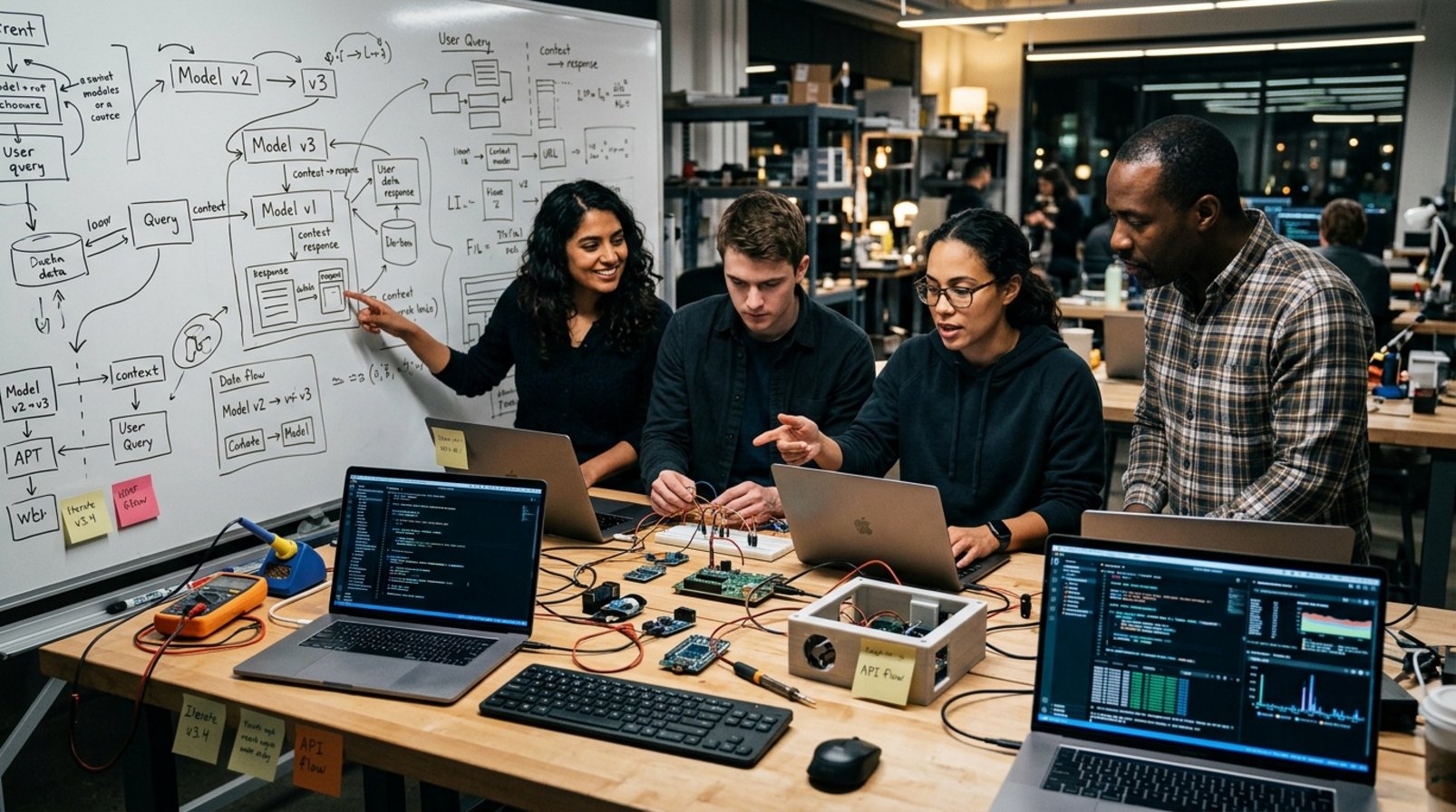
This is an important snapshot: AI is no longer serving only marketing, content creation, or programming, but is moving into highly complex research fields. For marketers, this is a signal that AI stories should be communicated as “capability enhancement,” not just “automation.” Source: OpenAI Developers on X.
Google AI emphasizes platform design so models can perform at their best
Google AI Developers said that as the pace of AI progress accelerates, platform design must also change so models can work most effectively. This signal reflects a problem many businesses are facing: a stronger model does not automatically create value; it also depends on how infrastructure, tools, and the work experience are organized.
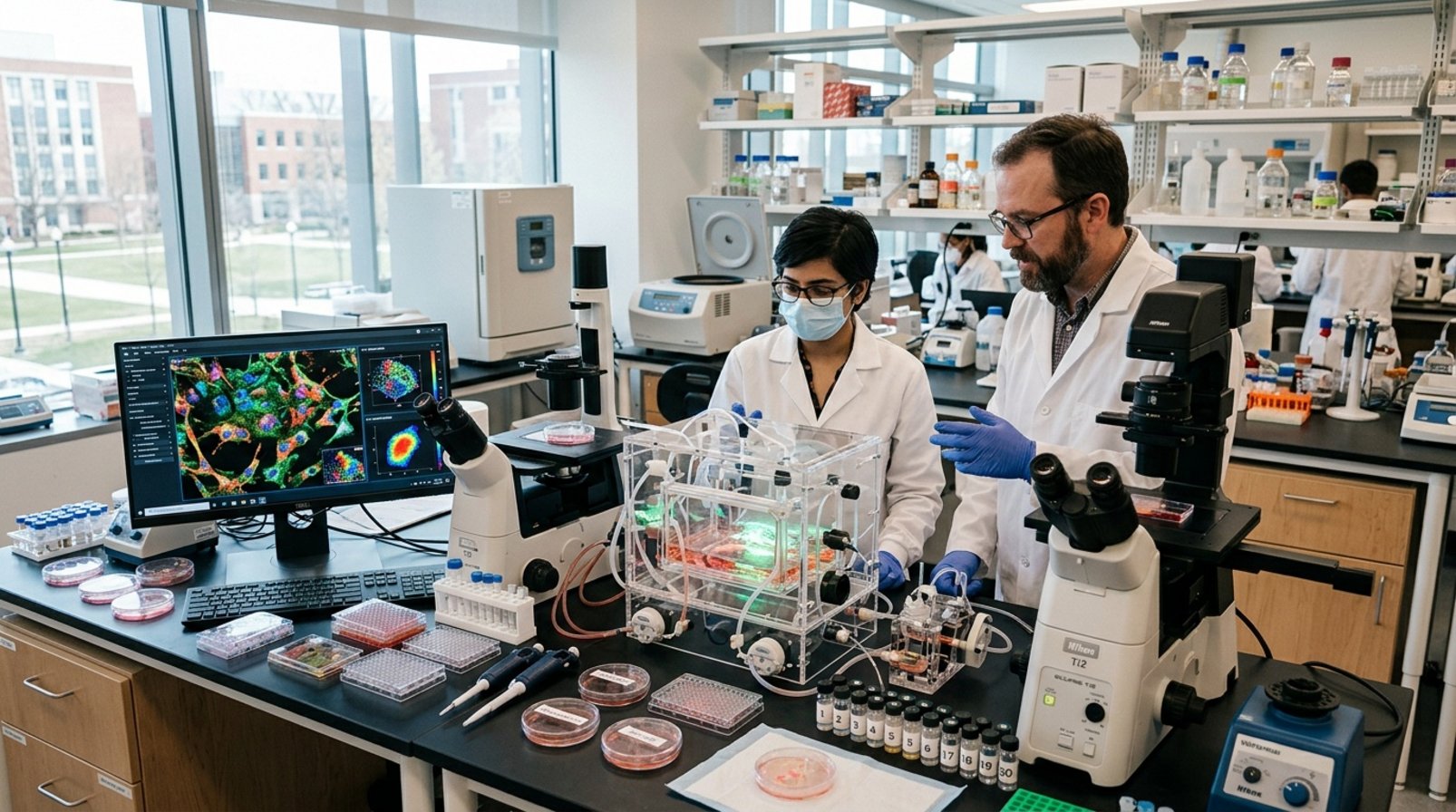
For digital product teams, this is a reminder that platform design is no longer a supporting task. To make AI run smoothly, systems need to fit the way models “think,” call tools, and interact with data. Source: Google AI Developers on X.
NVIDIA calls for building AI for the common good, from infrastructure to digital trust
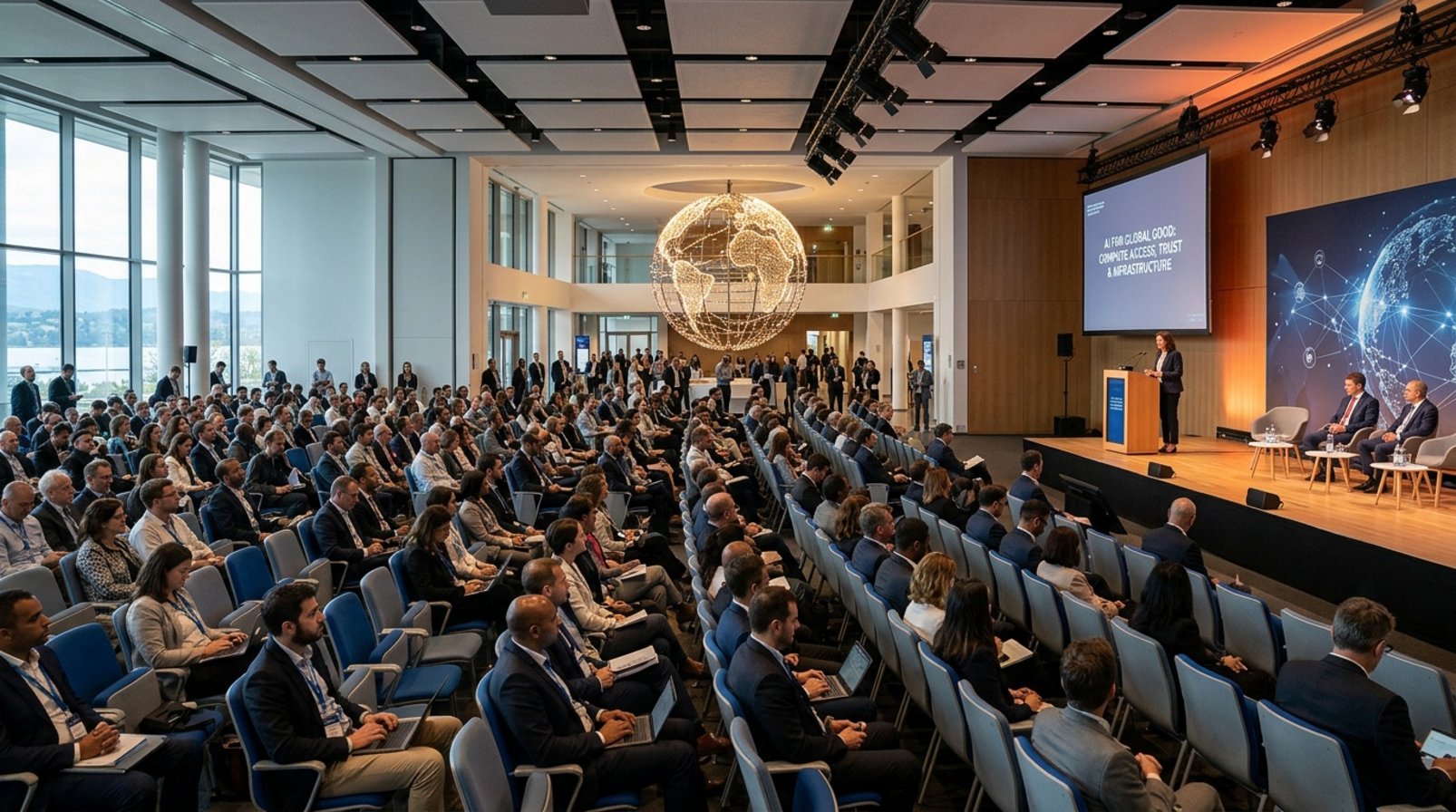
At the AI for Good Summit in Geneva, NVIDIA spoke about the challenge of building AI with global impact: narrowing the infrastructure gap, expanding access to compute, and promoting digital trust in the age of autonomous systems. The company also highlighted discussions around an AI ecosystem that integrates data, governance, and collaboration to replace fragmented approaches.

This is an important message at a time when many organizations focus only on model capability and forget the “trust layer” — data, governance, content provenance, and control mechanisms. For brand communications, trust is becoming a competitive criterion no less important than speed or accuracy. Source: NVIDIA on X.
Anthropic publishes research on the “global workspace” in language models
Anthropic introduced new research on the “global workspace” in language models, comparing it to how the brain allows only a very small portion of information into the conscious area. The research team says they found a similar kind of separation inside Claude.
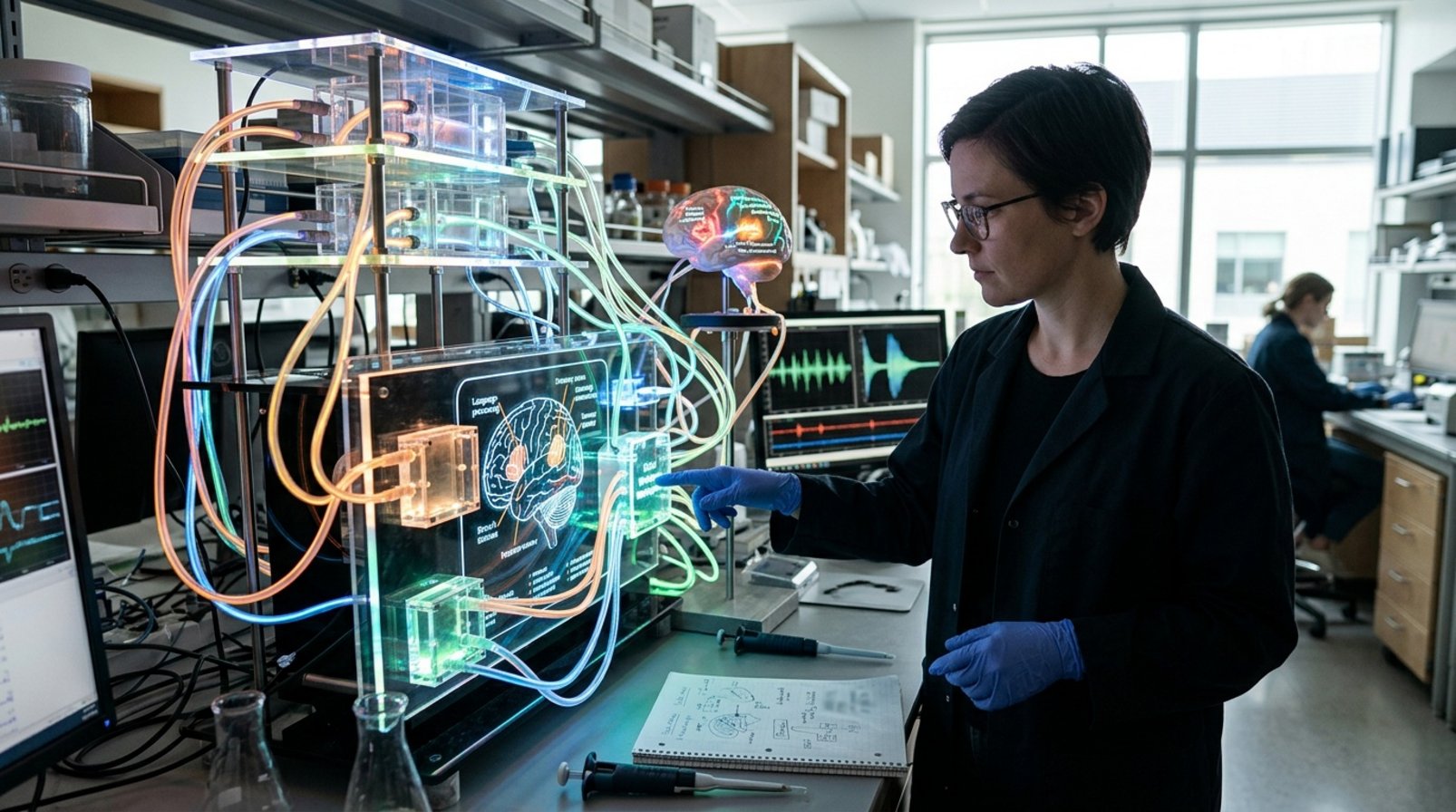
From a science communication perspective, this research is especially notable because it helps everyday users understand that an AI model is not a single, uniform block of thought. For tech marketers, it is useful material for explaining why AI can answer quickly but still sometimes miss context or need better reasoning mechanisms. Source: Anthropic on X.
OpenAI opens applications for DevDay 2026 in San Francisco
OpenAI announced that applications for DevDay 2026 are now open, with a submission deadline of 10/7. The event is expected to take place in San Francisco on 29/9, focusing on new updates, product-building experience sharing, in-depth technical discussions, and direct questions to the OpenAI team.
For the startup and digital product ecosystem, events like this are often where strategic priorities for the next year are reshaped: which tools will be integrated, which communication standards will rise, and which models are best suited for each product layer. Source: OpenAI Developers on X.
NVIDIA shows the role of open models in modern AI research
NVIDIA said open models are becoming the foundation of modern AI research. According to the company, at ICML 2026, 145 accepted papers cited NVIDIA Nemotron models and datasets, 74 NVIDIA-authored papers were accepted, and around 2,000 papers cited NVIDIA GPUs.
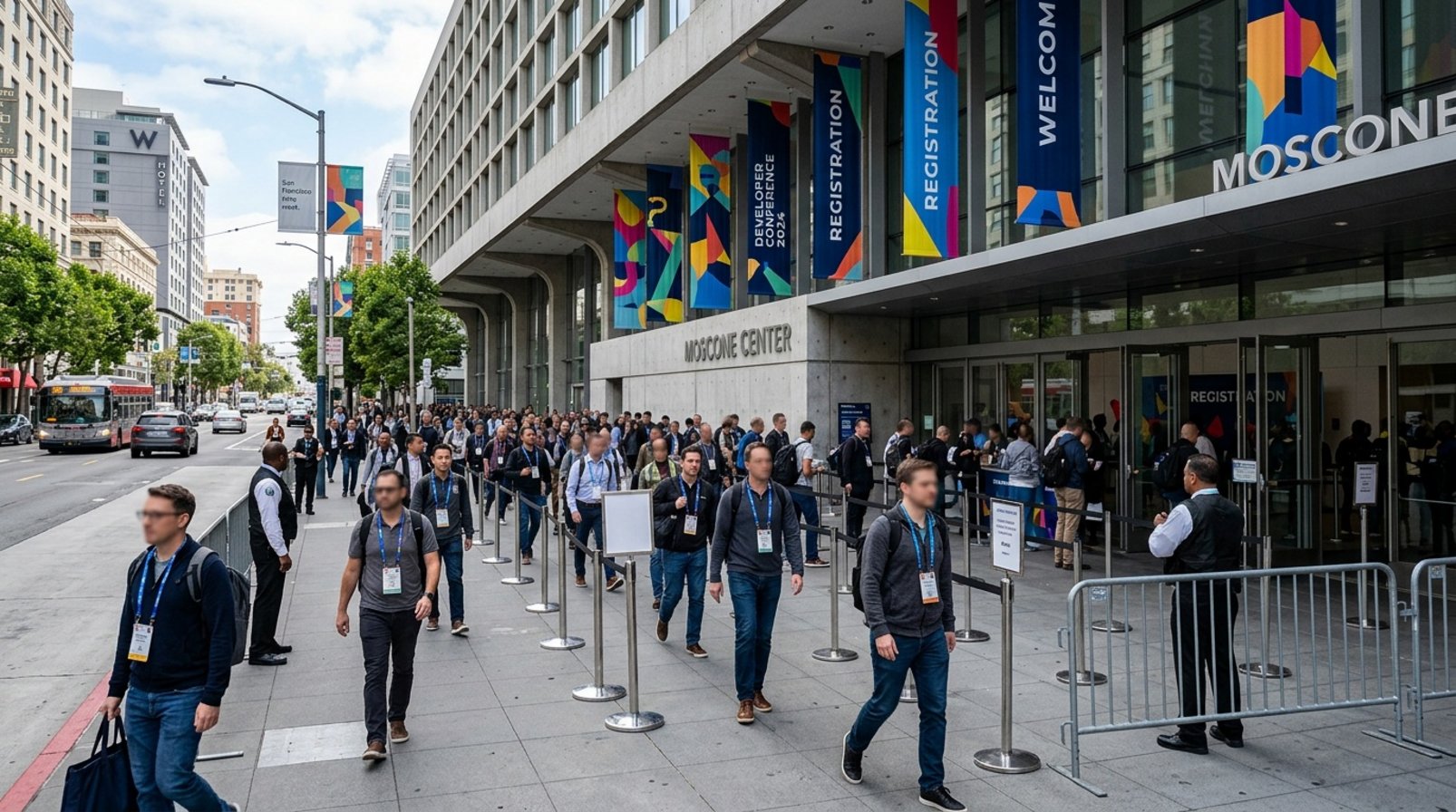
The message here is not only the influence of an infrastructure provider, but also that the research ecosystem is increasingly built on shared platforms. For Vietnamese businesses, this underscores the advantage of choosing tools and platforms with large communities, strong documentation, and room to scale later. Source: NVIDIA on X.
DeepMind and Apptronik bring real-world data into humanoid robot training
Google DeepMind said that as Apptronik expands its Robot Park facility, real-world data collected from the latest Apollo 2 humanoid platform will help train and develop Gemini Robotics. This is a notable step in the humanoid robot race: not just simulating in the lab, but learning from real-world data.
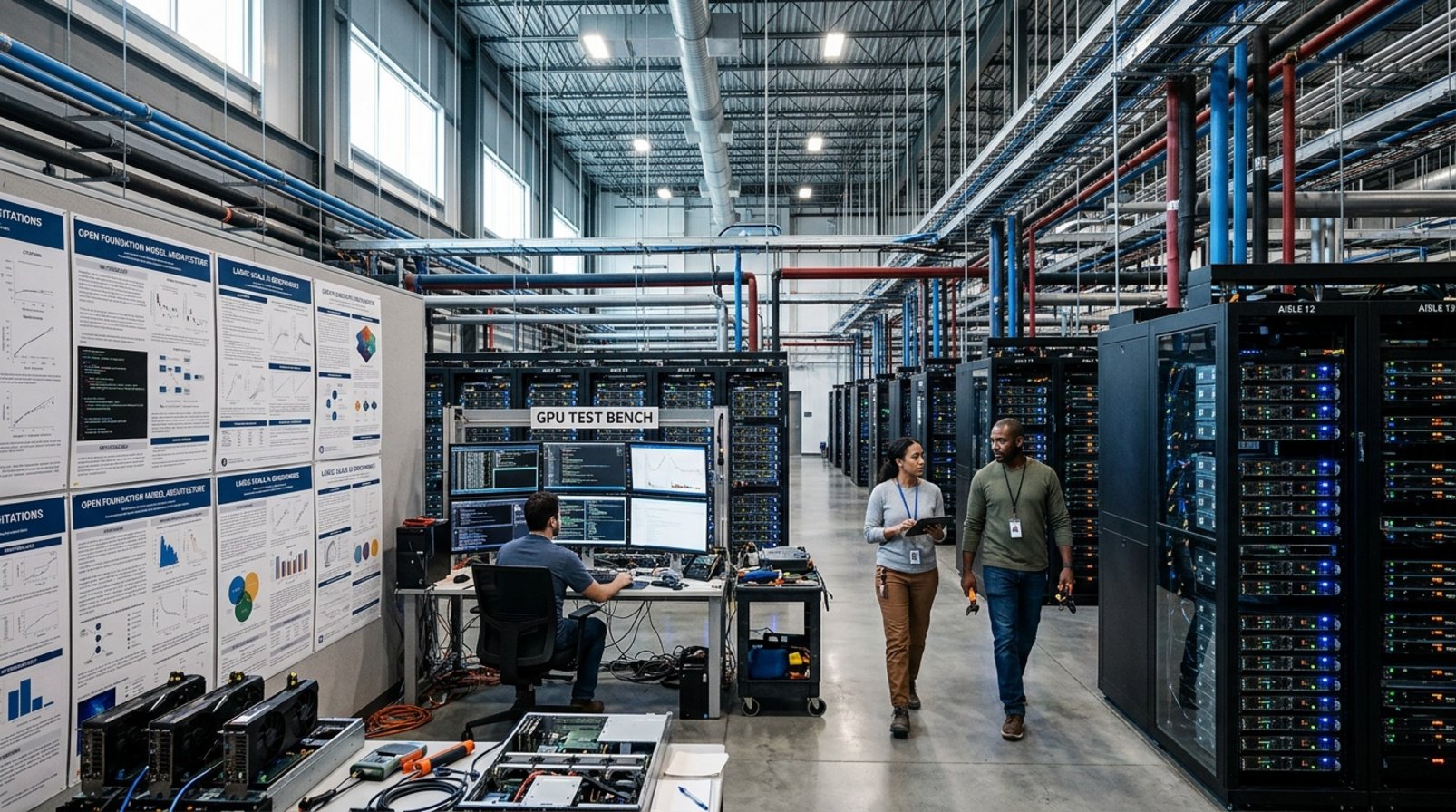
For the broader AI market, robotics is one of the key frontiers for the next phase, as AI moves from understanding and generating content to affecting the physical world. This opens up new brand stories across manufacturing, logistics, and services. Source: Google DeepMind on X.
The Microsoft and digital surveillance controversy reveals the dark side of AI infrastructure
A new study published by the 7amleh Arab Center, cited by The Cradle, accuses Microsoft of enabling a surveillance system targeting Palestinians through voice data storage and analysis infrastructure. According to the source description, intercepted data is fed into AI algorithms to create voice biometric identifiers for real-time recognition.
This is a sensitive topic, but worth following because it reminds us that AI is not only a performance issue. Infrastructure, data storage, and deployment ethics can become major reputational risks if transparency and control are lacking. For marketers, every AI message needs to balance benefits and responsibility. Source: The Cradle citing the 7amleh study.
Apple and Broadcom extend partnership to 2031, hinting at AI server chip ambitions
Mark Gurman said Apple and Broadcom have extended their partnership through 2031, and there are many signs this is related to the first chips Apple is developing specifically for AI servers. If true, this would be a major move in Apple’s infrastructure strategy.

From a market perspective, this reinforces the trend that major tech companies are not only buying AI capability from outside but also designing their own foundational hardware layer. For Vietnamese businesses, it is a reminder that long-term advantage often lies in the ability to control core infrastructure. Source: Mark Gurman on X.
The race for original content on X is pushing creators to learn AI video faster
A user on X shared that after the platform shifted strongly toward prioritizing original content, they were forced to leave the “aggregator life” and learn AI video development to build new skills. Although this is a personal perspective, it reflects a notable shift in the digital creative environment: platforms increasingly reward original work rather than simply repackaging other people’s content.
For Vietnamese marketers and creators, this is a clear signal that AI video, fast production workflows, and visual storytelling skills will become foundational. It is not just about doing more, but about doing something more distinctive. Source: Sovey on X.
Microsoft cuts 4,800 jobs, reflecting restructuring pressure under the AI wave
A roundup post on X said Microsoft has officially cut 4,800 jobs, equivalent to 2.1% of its workforce, with Xbox hit the hardest. The post also described a series of earlier changes in other areas such as LinkedIn, sales, and consulting.

Although the source is a commentary account and should be read carefully, the development still points to the broader picture: tech companies are restructuring aggressively to prioritize AI infrastructure investment. For marketers, the key takeaway is that productivity pressure will keep rising and the ability to work with AI will gradually become a default requirement. Source: LayoffAI on X.
AI release cadence is shifting to a “rolling release” model
An analysis on X argued that leading labs have moved to a continuous launch model instead of waiting for large, separate milestones like in 2023–2024. From 2025 onward, release speed is described as denser, with more model variants and shorter improvement cycles.

This is a very important change for anyone building products or marketing for AI: shorter update cycles mean content plans, positioning, and roadmaps must also become more flexible. Instead of writing only about “big launches,” communications need to follow evolution week by week and month by month. Source: Chubby on X.
AI is turning personal knowledge into digital products that can sell while you sleep
Another post said a $29 PDF could bring in $6,300 in a month because it was written in advance and kept selling without a launch or direct consulting. The story highlights AI’s role in turning notes, experience, and personal processes into better-structured, easier-to-sell digital products.
For Vietnamese marketers, this is a very practical example of “AI + knowledge product”: turning expertise into an asset that can be packaged, distributed, and generate recurring revenue. The important part is not that AI writes everything for you, but that it helps standardize, present, and speed up value packaging. Source: Rich on X.
AI is becoming an operating capability for Vietnamese businesses
The common thread across these 16 signals is that AI is moving through three very clear layers: infrastructure, models, and practical applications. This opens major opportunities for Vietnamese businesses in both B2B and B2C: automating customer service, creating content faster, digitizing internal knowledge, and building products that can run continuously instead of relying too heavily on manual labor.

For marketers, the most important lesson is to see AI as an operational capability, not just a tool for writing articles or making images. Those who know how to integrate AI into processes, data, and products earlier will gain a significant advantage in speed, cost, and experimentation. At the same time, stories like data surveillance or workforce restructuring remind us that AI deployment must go hand in hand with risk management, transparency, and brand responsibility.
Explore more marketing analysis & guides at Marketing365.
Read more articles in the same category AI developments.
This article focuses on the latest AI news with a perspective for the Vietnamese market.
References
- Tesla Home launch via Sawyer Merritt
- GPT-Realtime-2.1-mini available in API via OpenAI Developers
- Claude Code history via Claude
- Builders Unscripted: tools for biology with Codex via OpenAI Developers
- Google AI Developers on Antigravity platform design
- NVIDIA at AI for Good Summit
- Anthropic research on global workspace in language models
- OpenAI DevDay 2026 applications via OpenAI Developers
- NVIDIA on open models and ICML 2026
- Google DeepMind and Apptronik on Gemini Robotics
- The Cradle report on Microsoft and surveillance
- Mark Gurman on Apple and Broadcom partnership
- Sovey on original content and AI video development
- LayoffAI roundup on Microsoft layoffs
- Chubby analysis on frontier labs rolling-release mode
- Rich on AI turning expertise into digital products