
Contents
- Anthropic restores access to Claude Mythos 5 for some critical U.S. infrastructure organizations
- Hermes Agent turns Mixture of Agents 2.0 into a “virtual model”
- OpenAI updates the 5.5 Instant model used in ChatGPT
- Google AI Studio adds a “Design Variations” button for quickly generating multiple UI layouts
- OpenAI introduces GPT-5.6 with Sol, Terra and Luna, but only opens a limited preview
- A24 speaks out in defense of its AI research collaboration with Google
- One personal review says GPT-5.6 Sol makes a clear difference
- The GPT-5.6 Sol story sparks debate over frontier model releases
- An Agentic Engineering event shows how working with AI is becoming more “mature”
- OpenAI changes its process: trusted partners first, then broader expansion
- Many see GPT-5.6 Sol as a major step forward in price and performance
- OpenAI emphasizes GPT-5.6 Sol as its strongest model for cybersecurity
- GPT-5.6 limited preview is said to outperform Claude Mythos
- GPT-5.6: Sol, Terra and Luna form a multi-tier product lineup
- OpenAI confirms the limited preview for GPT-5.6
- SpaceX and xAI are mentioned in an idea for AI running from space
- Emergent and Raj Shamani push an “AI-native” movement for small businesses
- Anthropic digs deeper into Claude’s economic impact
- Pi Network promotes Pi2Day 2026 with AI and Web3 tools
- Reports emerge that the Pentagon used Grok AI in a military campaign
- AI-related stocks continue to be closely watched by investors
- Cognee v1.0 bets on long-term memory for agents
- AI is shifting from chasing new models to choosing the right tools, workflows and infrastructure
- References
As of mid-2026, the AI market keeps moving at breakneck speed across frontier models, developer tools, cyber, and infrastructure, but the more important shift for marketers is the move from raw capability toward orchestration, risk-tiered access, and agent infrastructure. For Vietnamese businesses, that reframes AI as a question of cost, content-production capacity, workflow automation, and safer deployment rather than simply which model is newest.
Anthropic restores access to Claude Mythos 5 for some critical U.S. infrastructure organizations
Anthropic said it has been working with the U.S. government since 12/6 to restore access to Claude Mythos 5 and Fable 5. According to the latest update, Mythos 5 — the company’s strongest cyber model — has been approved for redeployment to a group of U.S. organizations operating and protecting critical infrastructure; further expansion is still under discussion, while Fable 5 has not yet returned for general users.
The notable point is that advanced AI is increasingly being distributed by risk tier rather than rolled out broadly all at once. For businesses, this signals an AI era competing not only on quality but also on access controls, oversight, and compliance mechanisms.
Source: Anthropic on X.
Hermes Agent turns Mixture of Agents 2.0 into a “virtual model”
Teknium introduced Mixture of Agents 2.0 in Hermes Agent, allowing models from multiple providers to be combined into a custom configuration. Users can save presets like a normal model inside Hermes instead of manually stitching each step together.

The message here is that the orchestration layer is becoming just as important as the model itself. As top-tier models become more restricted in access, the ability to coordinate multiple models could become an advantage for product teams, especially in long-running tasks or when comparing outputs.
Source: Teknium / NousResearch on X.
OpenAI updates the 5.5 Instant model used in ChatGPT
Sam Altman said OpenAI updated the 5.5 Instant model used in ChatGPT this week. Although the announcement was very brief, this kind of move often points to quiet upgrades in conversational feel, stability, or the model’s “vibes” when interacting with users.
This is the kind of improvement marketers can feel immediately: better response quality can increase trust when using AI to write, research, or sketch creative ideas.
Source: Sam Altman on X.
Google AI Studio adds a “Design Variations” button for quickly generating multiple UI layouts
Google AI Studio launched Design Variations, allowing users to create, explore, and apply better-looking UI layouts with a single click. The feature addresses a very practical problem: describing aesthetics in a prompt is often harder than describing functionality.

This is a positive signal for design, product, and marketing teams that want to test more interface options faster. As AI becomes deeply embedded in design tools, the loop from idea to prototype will shorten significantly.
Source: Google AI Studio on X.
OpenAI introduces GPT-5.6 with Sol, Terra and Luna, but only opens a limited preview
OpenAI announced GPT-5.6 with three variants: Sol, Terra and Luna. Sol is the strongest model, Terra balances performance and cost, while Luna is aimed at high volume at a lower price. However, the first release is only a limited preview rather than the broad rollout originally expected, due to coordination with the U.S. government.

This is an important snapshot of frontier AI today: capabilities keep rising, but commercialization is becoming more tightly tied to control processes. For Vietnamese businesses, it is crucial to track not only which model is stronger, but also which model is truly accessible and fits the budget.
Source: OpenAI and related posts on X.
A24 speaks out in defense of its AI research collaboration with Google
Film studio A24 issued a statement defending its AI research partnership with Google. According to the quoted remarks, it wants a voice in the process of building tools for artists, rather than standing aside and then receiving tools that are simply “handed down.”

For the creative industry, this is an example of how a brand can choose to help shape AI tools rather than only react after the technology has already been released. For marketers, the lesson is that early collaboration can help better control quality and creative identity.
Source: DiscussingFilm on X.
One personal review says GPT-5.6 Sol makes a clear difference
User andi shared that GPT-5.6 Sol was the first model in 3 years to pass his personal test. In the example given, the model also offered an unusual suggestion when choosing the right “mutual” based on Twitter data.
Although this is only a personal experience, it reflects what AI users care about most: whether a new model truly delivers different and more useful behavior. Reviews like this often spread quickly because they speak to real-world perception, not just benchmarks.
Source: andi / quoted OpenAI post on X.
The GPT-5.6 Sol story sparks debate over frontier model releases
Alex Finn commented that OpenAI’s release of GPT-5.6 Sol under a restricted mode suggests the “broad rollout era” of frontier models may have changed. In the same discussion, he also emphasized the positive side: lower costs and technical progress could unlock benefits for users.

This is a familiar debate in AI: move fast to drive innovation, or restrict first to reduce risk. Vietnamese businesses should prepare for a landscape where access to powerful models becomes increasingly tiered.
Source: Alex Finn and quoted OpenAI posts on X.
An Agentic Engineering event shows how working with AI is becoming more “mature”
Deedy recapped a San Francisco meetup on Agentic Engineering featuring several speakers at the front line of AI. Three standout lessons were shared: forcing collaborators to use better techniques to filter signal from prompt history; using Claude as both a video editor and a “teacher” for color grading; and spending more effort on the initial plan before letting Codex run on its own.
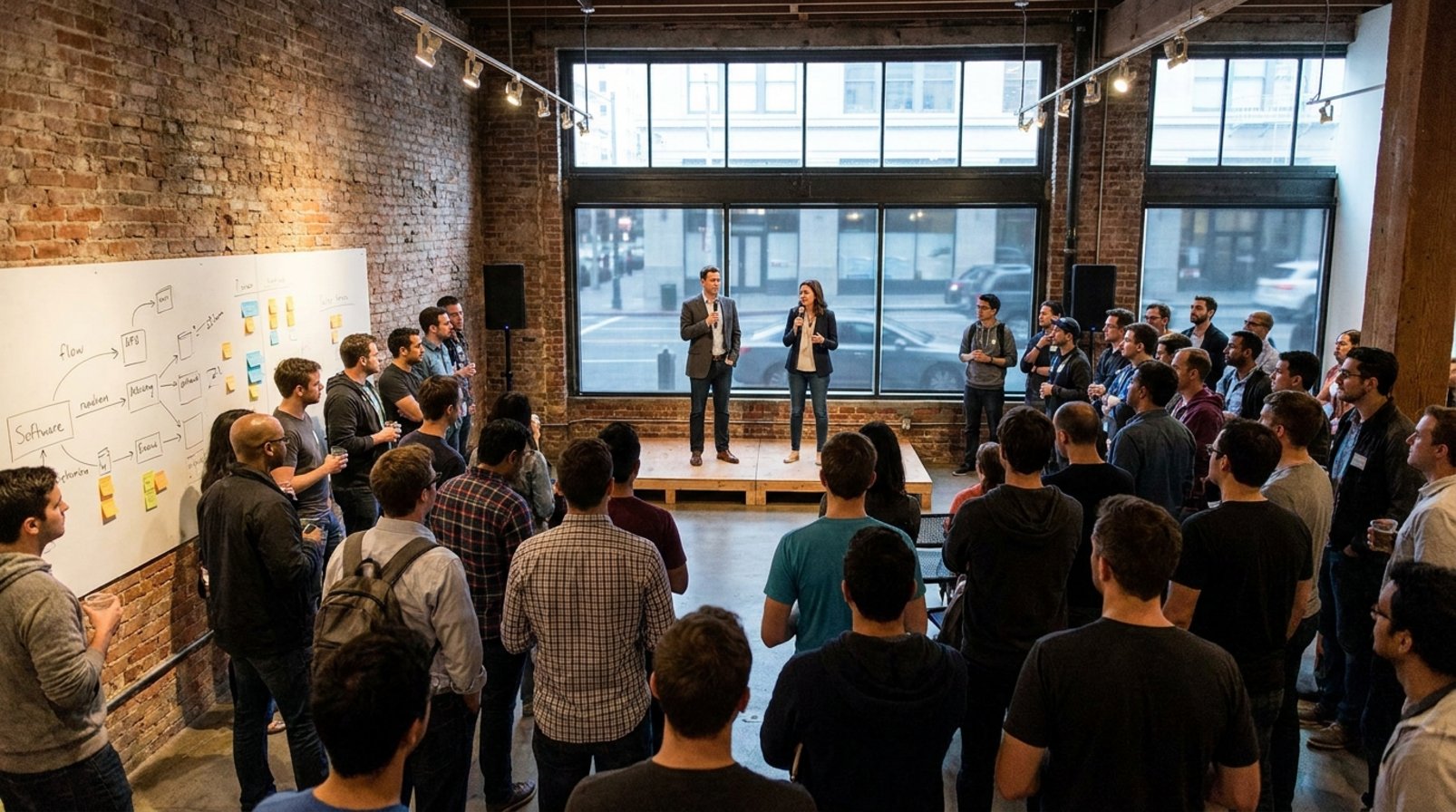
The common thread is that AI is no longer used in a simple ask-one-question-and-done way. Effective users need to design inputs, break goals into smaller parts, and tap into the model’s “hidden” capabilities.
Source: Deedy on X.
OpenAI changes its process: trusted partners first, then broader expansion
According to widely shared posts, GPT-5.6 Sol is being deployed under a “trusted partners first” approach before broader expansion, with coordination with the U.S. government from the outset. This is a notable departure from how most AI products have been released in the past.

From a market perspective, this shows a shift toward tiered distribution by risk level: trusted partners go first, while everyone else waits for further evaluation. For businesses, this could change API purchasing strategies, early contract signing, and internal review processes.
Source: Chubby and quoted OpenAI posts on X.
Many see GPT-5.6 Sol as a major step forward in price and performance
Bindu Reddy said GPT-5.6 Sol is OpenAI’s best model and costs about half as much as some options in the same tier. From a competitive standpoint, the story is not just about a stronger model but also a better performance-to-cost ratio.

For businesses, this is a very important metric because it directly determines whether AI moves from “testing” to “broad deployment.” If pricing is more reasonable, content automation, sales support, and operations use cases will be easier to scale.
Source: Bindu Reddy on X.
OpenAI emphasizes GPT-5.6 Sol as its strongest model for cybersecurity
Polymarket relayed information that OpenAI calls GPT-5.6 Sol its highest-capability model in cybersecurity. As AI systems are increasingly used for vulnerability detection, code analysis, and security support, this is a natural direction of development.
However, as AI goes deeper into cybersecurity, the need for output control and risk assessment rises as well. That is why organizations need clear usage policies before bringing a new model into security workflows.
Source: Polymarket on X.
GPT-5.6 limited preview is said to outperform Claude Mythos
Read more: The AI Race Marketers Can't Ignore: Models, Access and Real-World Impact
Whale Insider said OpenAI has officially opened the limited preview of GPT-5.6 and claimed the model outperforms Claude Mythos. While this is a highly competitive message, it reflects the pace of benchmark battles among today’s leading AI companies.

For end users, what matters is not only who claims to beat whom, but which model is actually suitable for a specific task, reasonably priced, and supported by a strong deployment ecosystem.
Source: Whale Insider on X.
GPT-5.6: Sol, Terra and Luna form a multi-tier product lineup
Vaibhav Srivastav summarized GPT-5.6 into three levels: Sol is the strongest model, Terra delivers GPT-5.5-level performance at half the price, and Luna targets low cost. He also mentioned Sol Ultra with notable results on Terminal-Bench 2.1 and a max reasoning/ultra mode that uses subagents for complex tasks.
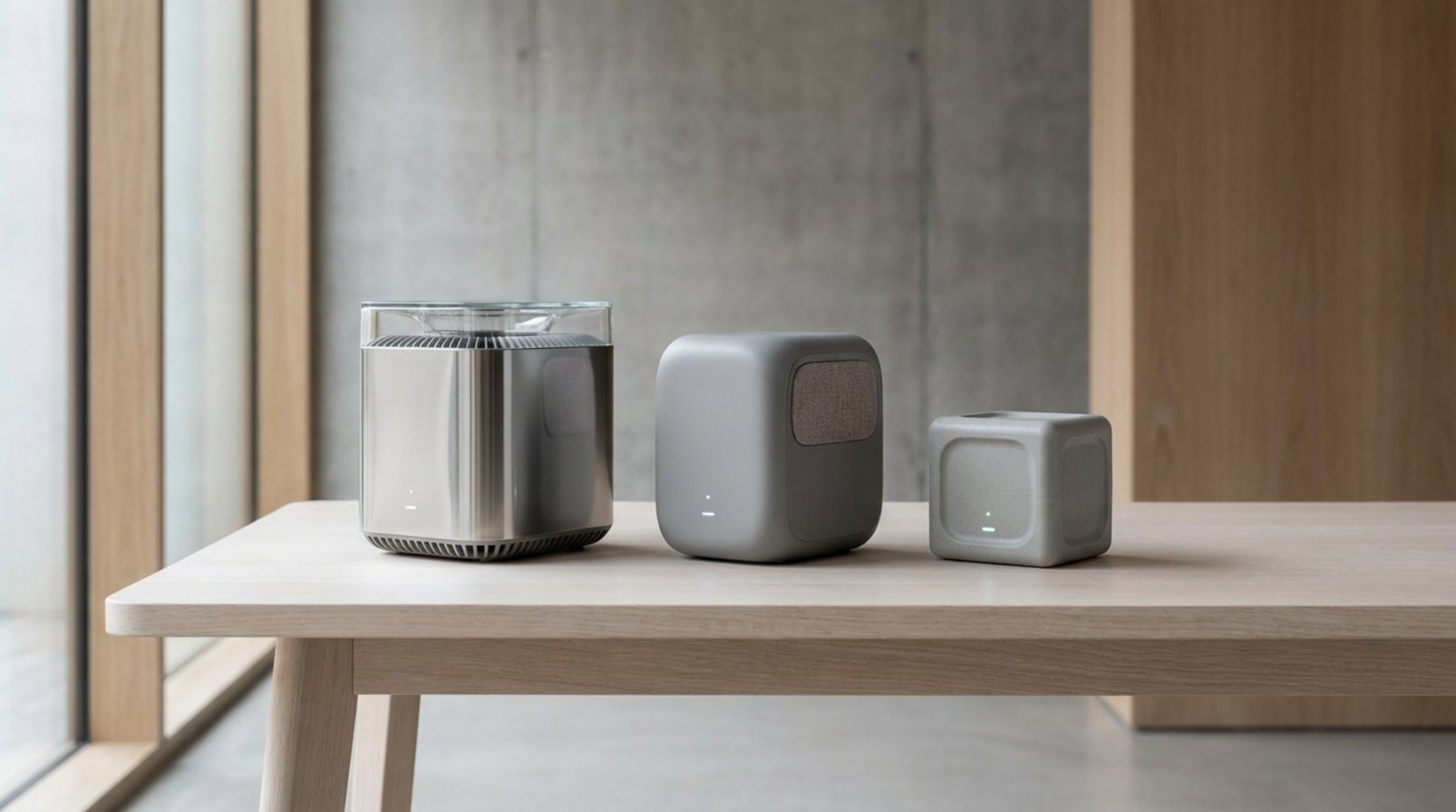
This is a very familiar product positioning strategy for major AI platforms: splitting a model family into multiple value tiers to serve different customer groups. For marketers, this directly affects how tools are chosen for content, research, and automation.
Source: Vaibhav Srivastav on X.
OpenAI confirms the limited preview for GPT-5.6
OpenAI officially announced the limited preview of GPT-5.6, including Sol, Terra and Luna. Compared with previous louder launches, this one stands out for how the product is framed: a powerful frontier model, but with a tighter access path.

For content and product teams, this signal is a reminder that AI adoption will increasingly depend on each platform’s readiness, rather than only on how famous the model is.
Source: OpenAI on X.
SpaceX and xAI are mentioned in an idea for AI running from space
A viral post described the “STARMIND” ambition as an AI system running in orbit, powered by solar energy, linked by lasers between satellites, and eventually becoming a massive xAI network above Earth. Elon Musk replied simply “Yes,” drawing more attention to the idea.
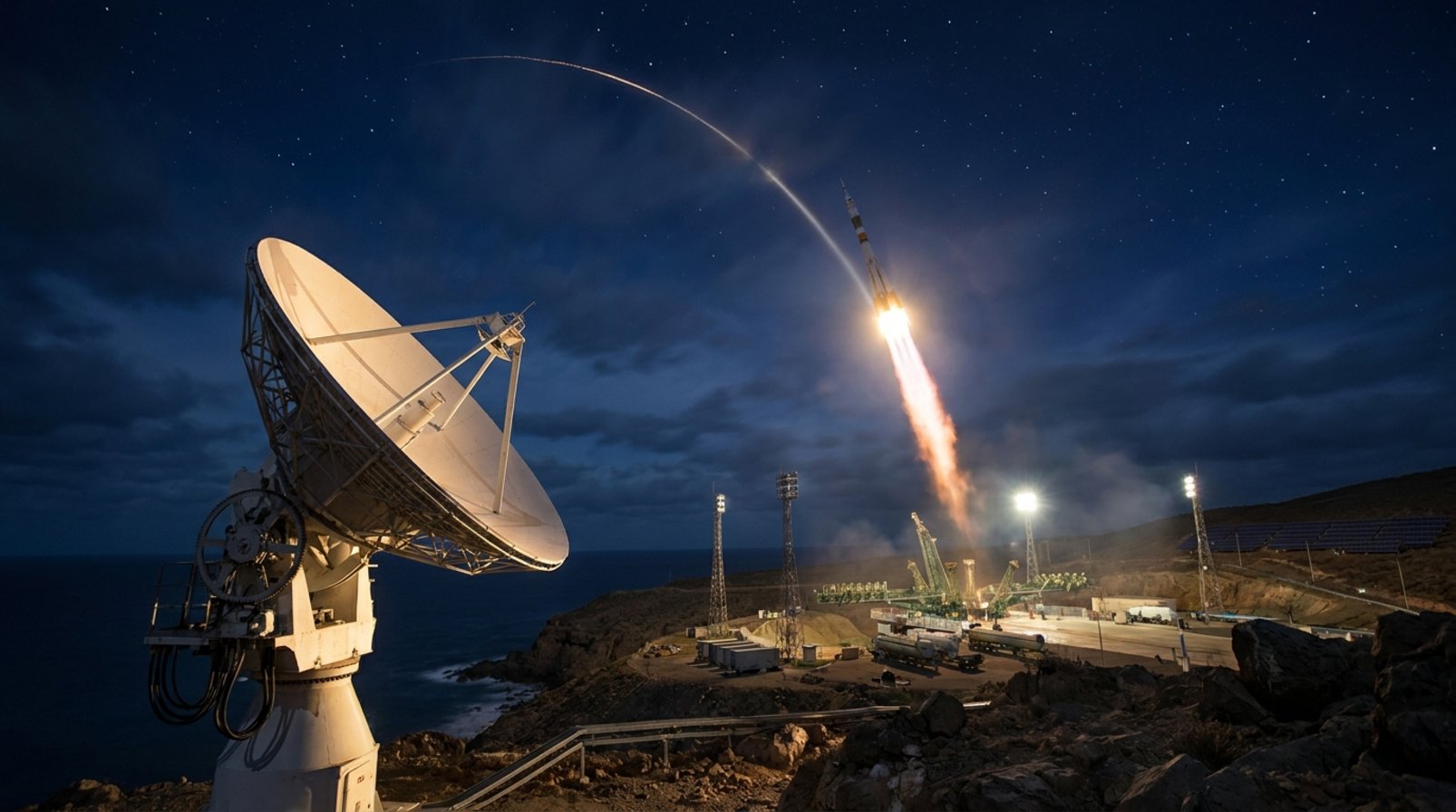
Even if it is still only an idea and a vision, the message is that AI infrastructure is being imagined far beyond traditional data centers. This shows the race is not only about models, but also about power, networks, satellites, and compute capacity.
Source: Mario Nawfal and quoted replies on X.
Emergent and Raj Shamani push an “AI-native” movement for small businesses
A campaign in India is calling on small businesses to move from fragmented operations using chat groups, Excel, and notebooks to customizable software integrated with AI. The 14-Day Challenge comes with a 1 crore rupee prize to encourage the building of real-world applications.

This is very close to the reality of Vietnamese businesses: many companies still operate through fragmented, unsystematic processes. AI only becomes effective when tied to a specific operational problem, not just used “to try it out.”
Source: THE SKIN DOCTOR on X.
Anthropic digs deeper into Claude’s economic impact
Anthropic said it is updating how it studies Claude’s economic impact to keep pace with AI’s rapid development. The new method uses survey data and hourly sampling to understand daily usage patterns, what users create with Claude, and how perceptions of AI’s impact are changing.

For the market, this is a sign that major AI companies are not only selling tools but also building the ability to measure the social and economic effects of their own products.
Source: Anthropic on X.
Pi Network promotes Pi2Day 2026 with AI and Web3 tools
Pi Network said its ecosystem is expanding ahead of Pi2Day 2026, with activities such as the Vibe Coder Campaign, Pi App Studio, Pi Launchpad and the SLICE test token. The focus is described as combining AI, decentralized applications, and community utility.
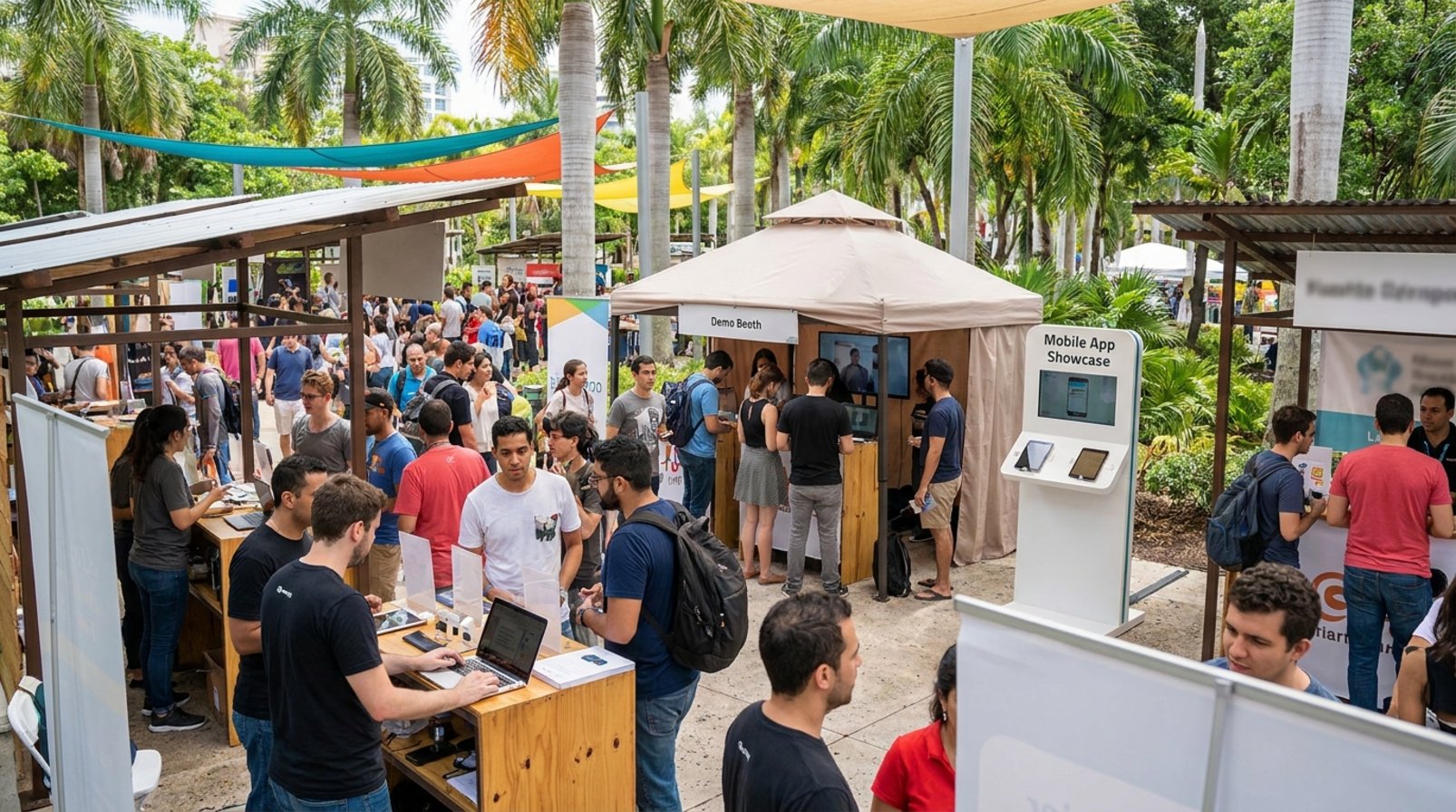
While Web3 ecosystems have varying appeal depending on the audience, the common thread is that AI continues to be tied to platform-building efforts and early developer participation.
Source: Dr. Chengdiao Fan on X.
Reports emerge that the Pentagon used Grok AI in a military campaign
A striking post claimed that the Pentagon used Grok AI in launching more than 2,000 missiles at targets in Iran. This is highly sensitive information and currently appears only as a social media claim.

Readers should treat this cautiously and wait for confirmation from official sources before drawing conclusions. Even so, it shows that AI is being pulled into discussions that span far beyond commerce, including defense.
Source: Coinvo on X.
AI-related stocks continue to be closely watched by investors
Sun Liao listed 30 stocks and funds he is watching, including many directly tied to AI such as accelerator chips, HBM memory, photonics, cloud GPUs, power infrastructure, and satellites. The list reflects a reality: AI is not just software, but a very broad infrastructure supply chain.
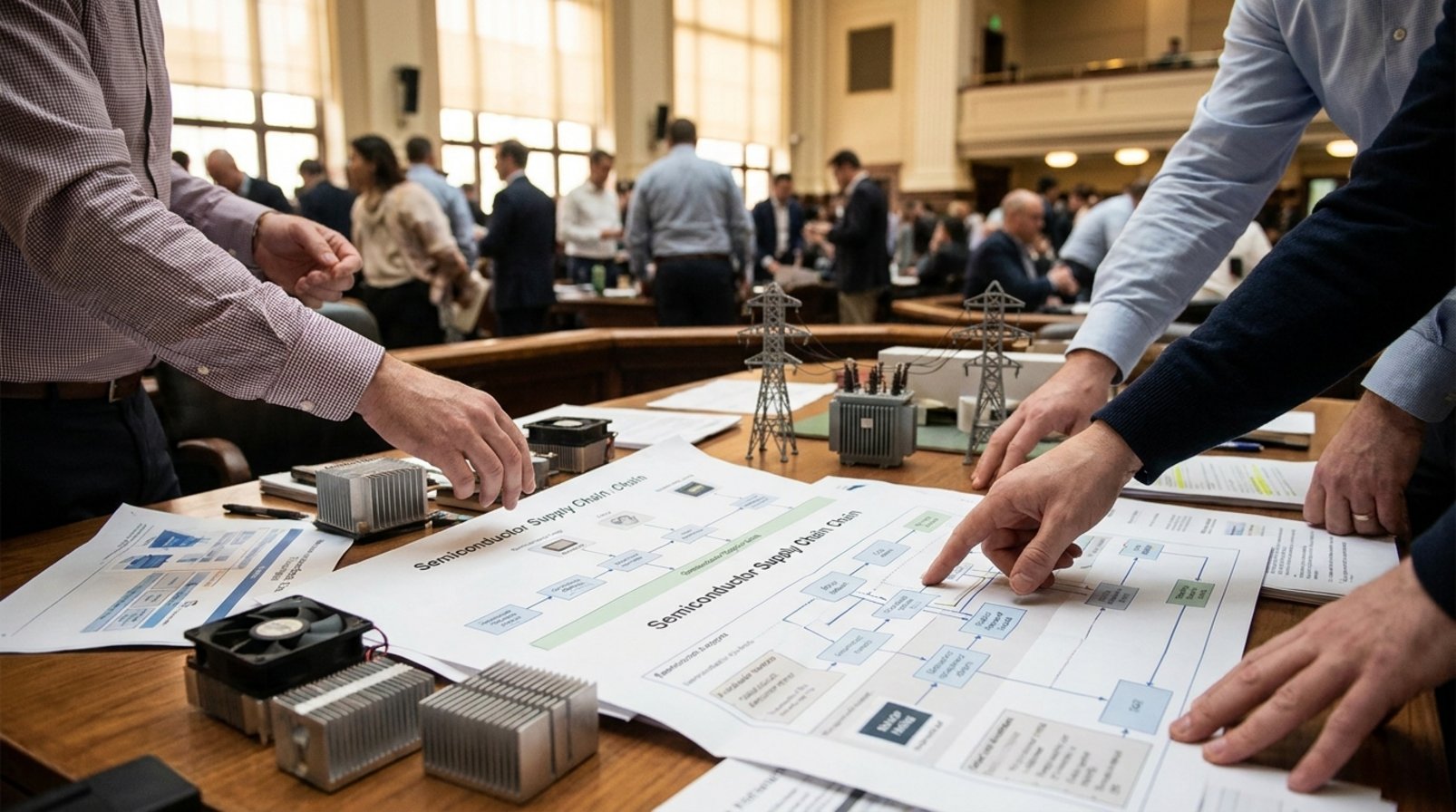
For marketers and businesses, tracking related sectors can help explain investment trends and the expansion of the AI ecosystem, thereby identifying opportunities for partnerships, tools, and suitable technology partners.
Source: Sun Liao on X.
Cognee v1.0 bets on long-term memory for agents
Cognee v1.0 presents itself as a major step forward in agentic intelligence, with superior long-context memory retrieval, a 100 billion token window, lower costs, and faster search speed. Rather than being a place to build new agents, the tool connects to existing agents to reduce costs, speed things up, and improve accuracy.

This is a very noteworthy piece because AI agent systems still often struggle with “forgetting context.” If long-term memory and better retrieval become standard, automated marketing workflows, customer support, and data analysis will become much more reliable.
Source: Vasilije on X.
AI is shifting from chasing new models to choosing the right tools, workflows and infrastructure
The 22 updates above show that AI is entering a more mature phase: models are still accelerating, but real value is shifting into three new layers — the ability to orchestrate multiple models, risk-based distribution control, and infrastructure that supports agents over the long term. For Vietnamese businesses, the biggest opportunity is not chasing every release, but choosing the right tool for the right workflow.

Three priorities are worth considering right now: first, standardize how models are evaluated before deployment in content, sales, or customer support; second, build human-reviewed workflows for sensitive tasks; third, invest in data, prompts, and context memory so AI becomes truly useful rather than just “good at answering.”
In other words, the current AI race is no longer about who releases a new model faster, but who turns a model into real productivity faster.
See more marketing news and guides at https://marketing365.vn.
Explore more marketing analysis & guides at Marketing365.
Read more articles in the Động thái AI category.
This article focuses on the latest AI news with a perspective for the Vietnamese market.
References
- Anthropic on X – Claude Mythos 5 access restoration
- Teknium on X – Mixture of Agents 2.0 in Hermes Agent
- Sam Altman on X – ChatGPT 5.5 instant update
- Google AI Studio on X – Design Variations
- Sam Altman on X – GPT-5.6 Sol, Terra, Luna limited preview
- DiscussingFilm on X – A24 statement on AI research partnership with Google
- andi on X – personal eval of GPT-5.6 Sol
- Alex Finn on X – commentary on GPT-5.6 Sol limited release
- Deedy on X – Agentic Engineering event recap
- Chubby on X – GPT-5.6 rollout pattern commentary
- Bindu Reddy on X – GPT-5.6 Sol pricing and capability commentary
- Polymarket on X – OpenAI GPT-5.6 cybersecurity claim
- Whale Insider on X – GPT-5.6 limited preview claim
- Vaibhav Srivastav on X – GPT-5.6 family summary
- OpenAI on X – GPT-5.6 limited preview announcement
- Mario Nawfal on X – STARMIND / SpaceX-xAI commentary
- THE SKIN DOCTOR on X – AI-native business challenge
- Anthropic on X – Claude economic impact research update
- Dr. Chengdiao Fan on X – Pi2Day 2026 announcement
- Coinvo on X – Pentagon/Grok claim
- Sun Liao on X – AI-related stocks watchlist
- Vasilije on X – Cognee v1.0 announcement