Contents
The development of AI is moving in two especially notable directions for marketers and digital products: one is AI that helps create specialized creative tools faster, and the other is local AI that helps businesses reduce costs and increase data control. For Vietnamese marketers, this is not just a technology story, but one that directly affects campaign speed, how products are built, and the challenge of optimizing budgets.
Toolcraft: building custom design tools with AI instead of doing everything in Figma
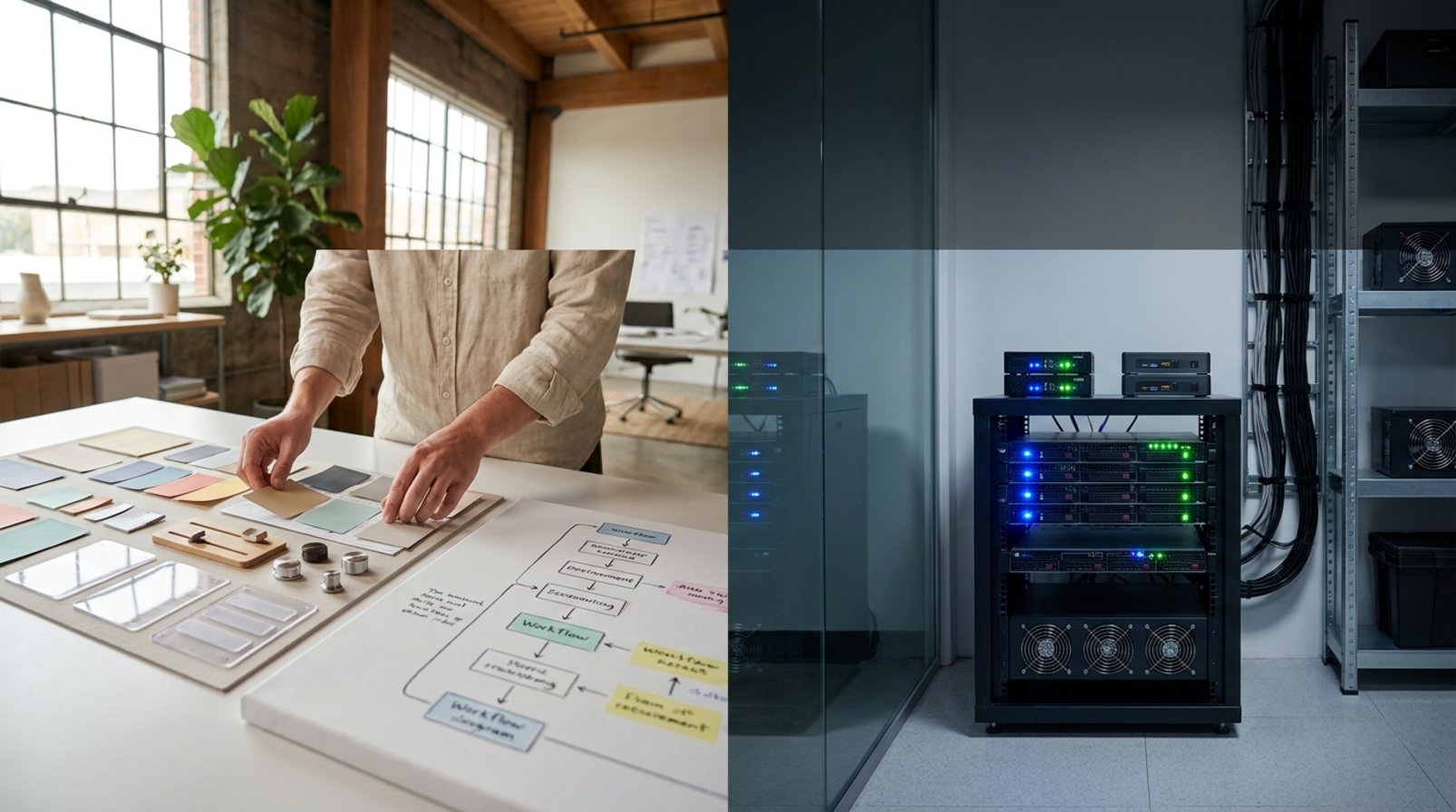
According to Alex Barashkov, Toolcraft is a starter kit and UI library for building creative applications with a canvas, from photo editing tools and WebGL effects to Three.js scenes, animation, and photo editing. The notable point is that this toolkit is designed to help users avoid writing overly long prompts or overly complex descriptions; they only need to clearly say what kind of visual experience they want to build, attach references, and let AI help with the implementation.
In practical terms, this is a signal that AI is shifting from the role of a “content creation assistant” to a “tool-building assistant.” For in-house marketing teams, creative studios, or small agencies, this opens up the possibility of building internal tools tailored to their own needs instead of relying entirely on mainstream software. The advantage lies in faster experimentation, greater customization, and less friction between a creative idea and a demo version.
Toolcraft is also described as including many ready-made interface components such as sliders, pickers, timelines, curves, along with integrated canvas, export, and toolbar structures. In other words, instead of assembling everything from scratch, users can start from a fairly complete framework to quickly produce a prototype. For teams that need campaign tools, automated image editors, or interactive landing page experiences, this approach could significantly shorten development time.
Source: Alex Barashkov on X about Toolcraft.
Hugging Face: prioritizing local AI to cut costs and maintain control
In the second item, Clem Delangue cited a Stanford study showing that 71.3% of ChatGPT queries could be answered accurately by a locally running model. From a product and business perspective, this is a large enough number to raise a new question: how many AI tasks really need expensive API calls from frontier platforms, and how many can be handled directly on existing hardware?

Read more: Qwen 3.8, OpenPlanter and the New Price Floor for AI Tools
Hugging Face’s message is not only about saving costs. A local AI system also helps businesses reduce the risk of vendor dependency, especially for repetitive workloads that do not require the strongest model on the market. In a context where AI budgets often grow faster than expected, the ability to “own the model” rather than “rent the model” becomes a strategic advantage worth considering.
Hugging Face also introduced the ability to filter AI models based on the user’s local hardware, making model selection more practical. According to Clem Delangue, on his M5 24GB machine there are more than 800,000 public models that are suitable and can run easily thanks to llamacpp. This shows that the local AI ecosystem is maturing quickly: there are not only models to try, but also tools that make deployment more convenient.
For marketers and businesses, local AI is especially suitable for tasks such as content classification, summarizing internal documents, supporting preliminary market research, or automating repetitive workflows with sensitive data. When customer data, creative assets, or operational information are processed on-site, security and compliance are also easier to manage.
Source: Clem Delangue on X about the Stanford study and updates from Hugging Face.
Read more: Why Falling AI Inference Costs and New Tools Are Reshaping Content Workflows
AI is getting closer to real deployment needs, not just demos
Both trends share one thing in common: AI is moving closer to real-world deployment needs, rather than stopping at capability demonstrations. For Vietnamese businesses, especially marketing teams, e-commerce, and agencies, the opportunity lies in using AI to shorten content production cycles, test custom creative tools, and optimize operating costs.
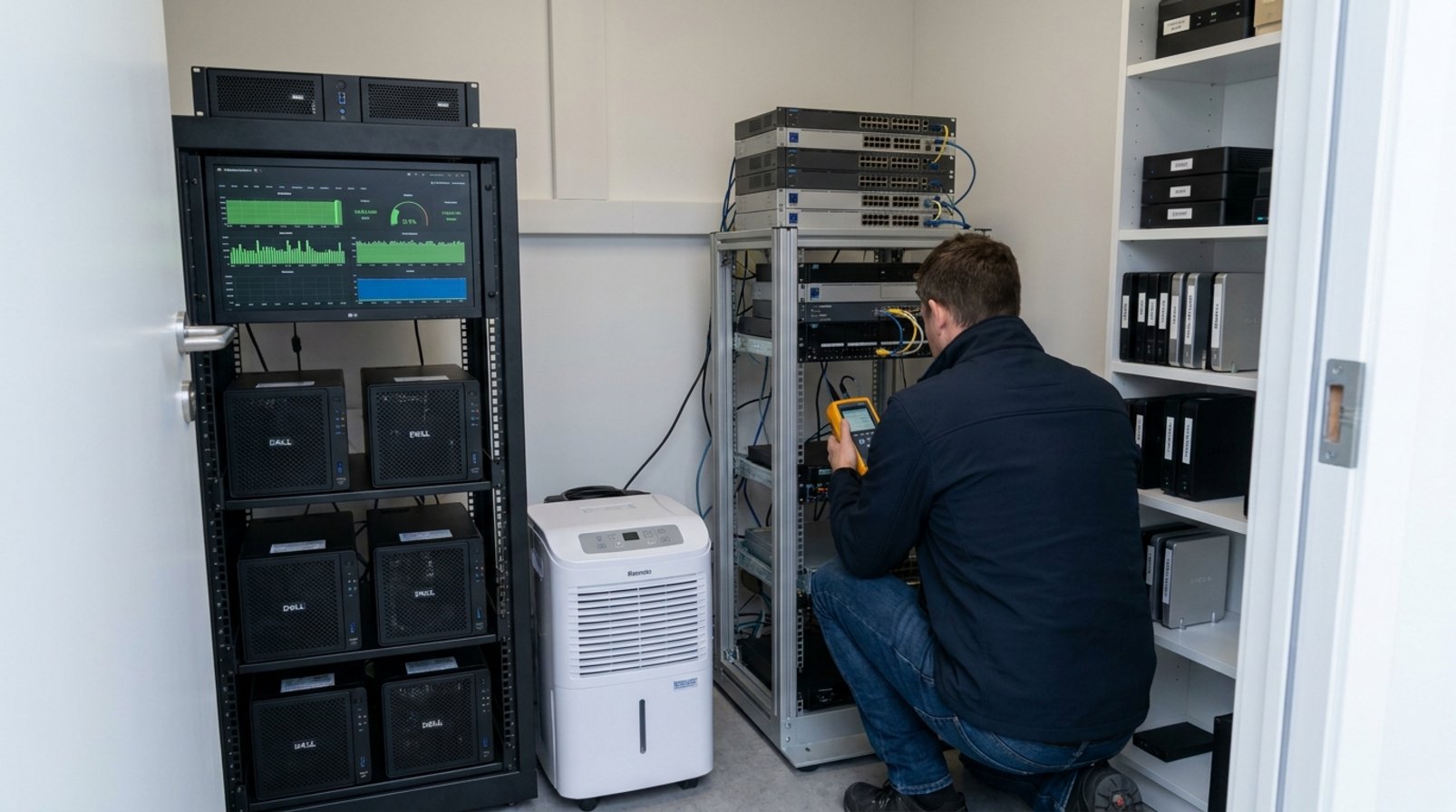
If your team needs a custom interactive tool for a campaign, an AI-built approach like Toolcraft may be worth trying at a small scale. And if your business is using AI for repetitive tasks, internal data-heavy workflows, or with rapidly rising API budgets, start evaluating which tasks can be moved to local execution to better control costs and data.
Read more: Grok 4.5 Undercuts GPT-5.6 on Cost, and Agent Workflows Notice
In short, AI is no longer just about “which model is more powerful,” but increasingly about “where it is deployed, at what cost, and who controls the data.” For Vietnamese marketers, now is the time to move from experimentation to designing a selective and sustainable AI adoption strategy.
Explore more marketing analysis & guides at Marketing365.
Follow Marketing365 for ongoing marketing analysis.
Read more articles in the same category AI Developments.
This article focuses on AI trends with a perspective for the Vietnamese market.