
Contents
- NVIDIA pushes software infrastructure for robots with Isaac ROS
- Claude Fable 5 returns to an orchestration role in Perplexity’s Computer
- Pi2Day 2026 shows Pi expanding utility through infrastructure and community
- Ollama congratulates Together Compute as open models regain attention
- Claude Fable 5 returns to Cursor, strongest but also the most expensive
- Choose the right AI use case instead of chasing hype
- References
Looking at the AI landscape as of July 2026, the decisive question for Vietnamese marketers is no longer which model is strongest, but which one fits their workflows, budgets, and deployment speed. The signals from NVIDIA, Perplexity, Ollama, and Cursor all point the same way: AI is moving from impressive demos to real operating infrastructure, where cost per task and integration matter more than raw benchmark wins.
NVIDIA pushes software infrastructure for robots with Isaac ROS
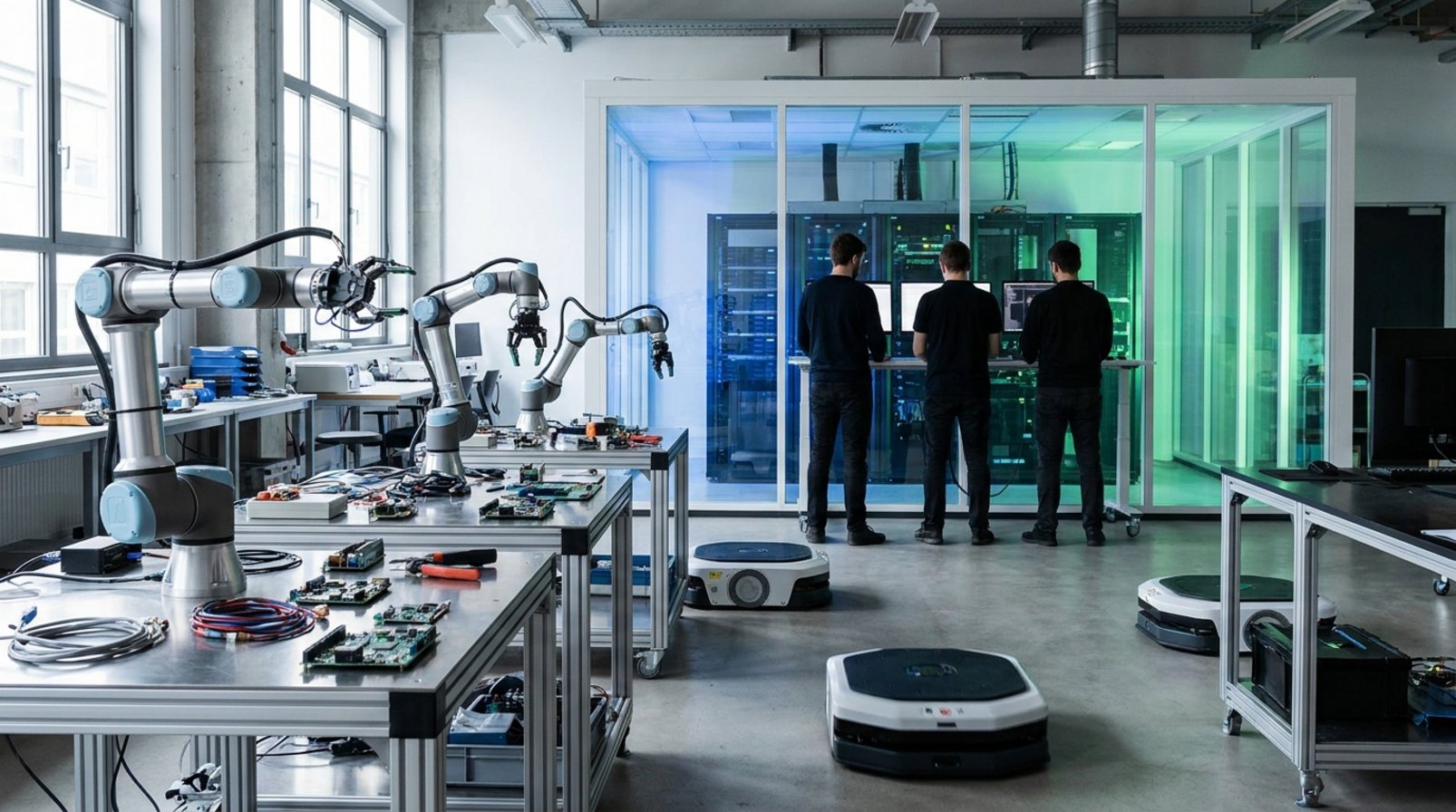
NVIDIA emphasizes that before robots can drive major change, they need a software foundation reliable enough for developers to build on. According to robotics engineer Jaiveer Singh, Isaac ROS is an open-source platform for developing autonomous mobile robots, manipulation systems and humanoids using modular libraries, CUDA acceleration and AI models.
The message here is not just “smarter robots,” but “easier-to-build robots.” For marketers and tech businesses, this signals that the AI arena is expanding into robotics, where value lies in the software ecosystem, development tools and real-world deployment capability. As technical barriers fall, the cycle from idea to application will shorten — and industries such as logistics, retail and manufacturing may be the first to watch.
Source: NVIDIA (@nvidia)
Claude Fable 5 returns to an orchestration role in Perplexity’s Computer
Perplexity says Claude Fable 5 has been brought back into Computer as an orchestration model. In simple terms, rather than just answering questions, it can help organize and guide the steps in a multi-action workflow.
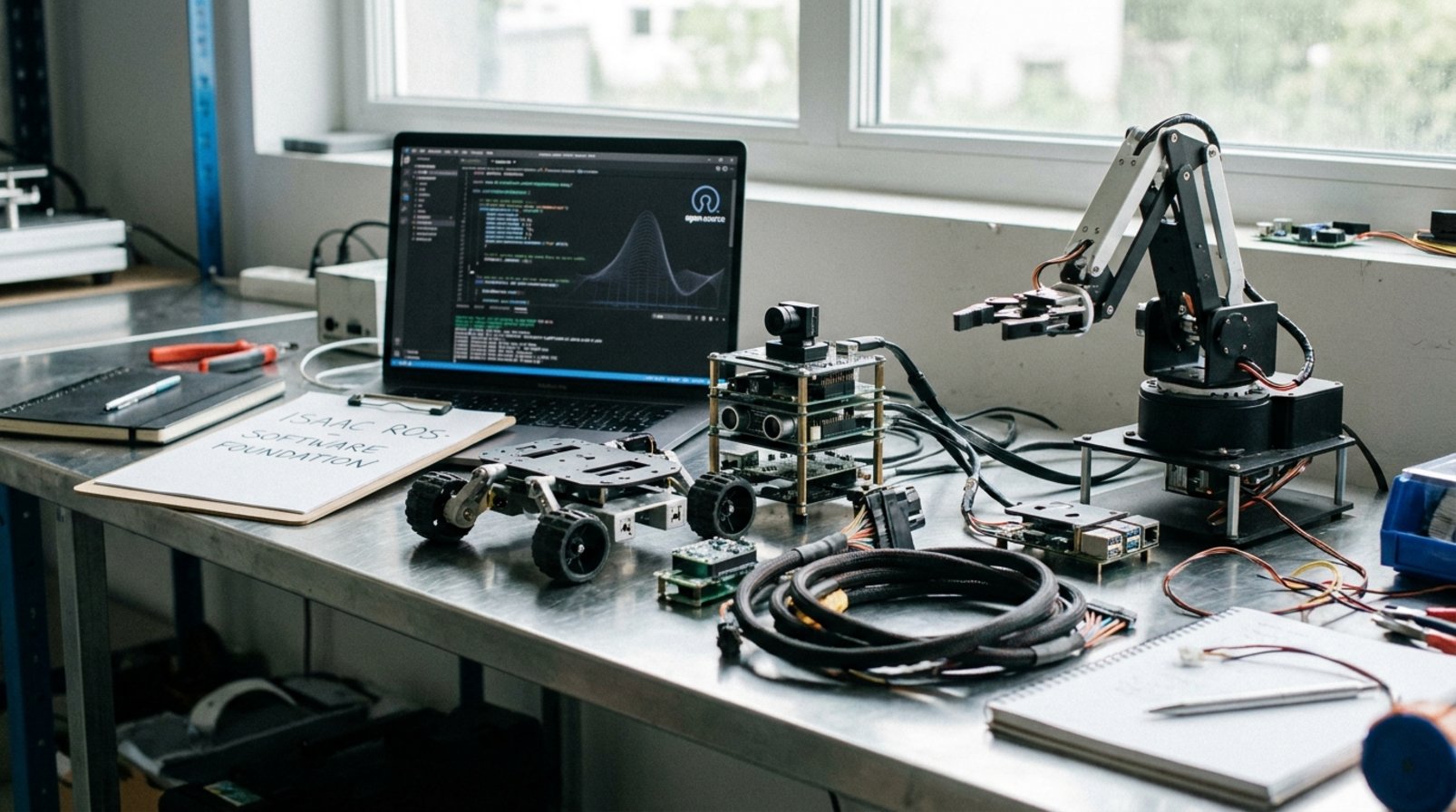
This is an important signal because AI is increasingly being used as the “orchestration layer” between users, tools and data. For marketing teams, this opens the door to better automation for multi-step tasks such as market research, document synthesis, content briefing and competitive analysis support. However, the model’s return also reminds us that AI experiences in products often shift flexibly based on performance, cost and task fit.
Source: Perplexity (@perplexity_ai)
Pi2Day 2026 shows Pi expanding utility through infrastructure and community
Pi Network says Pi2Day 2026 reflects how the utility of the Pi ecosystem is growing through infrastructure and community participation. Three highlights were mentioned: SoloHost, Pi Desktop and Nodes can support local AI app and compute use cases; Pi Sign-in helps connect experiences across users, devices and services; and PiVerify expands real-human verification capabilities for third parties.

The notable point is that Pi is not only talking about internal products, but also about how to bring its services outside the ecosystem to create more utility. For marketers, this is an example of platform thinking: long-term value does not come from a single feature, but from multiple parties using, testing and building on the same infrastructure. Pi also shows how AI is being tied to service distribution, user verification and local applicability.
Source: Pi Network (@PiCoreTeam)
Ollama congratulates Together Compute as open models regain attention
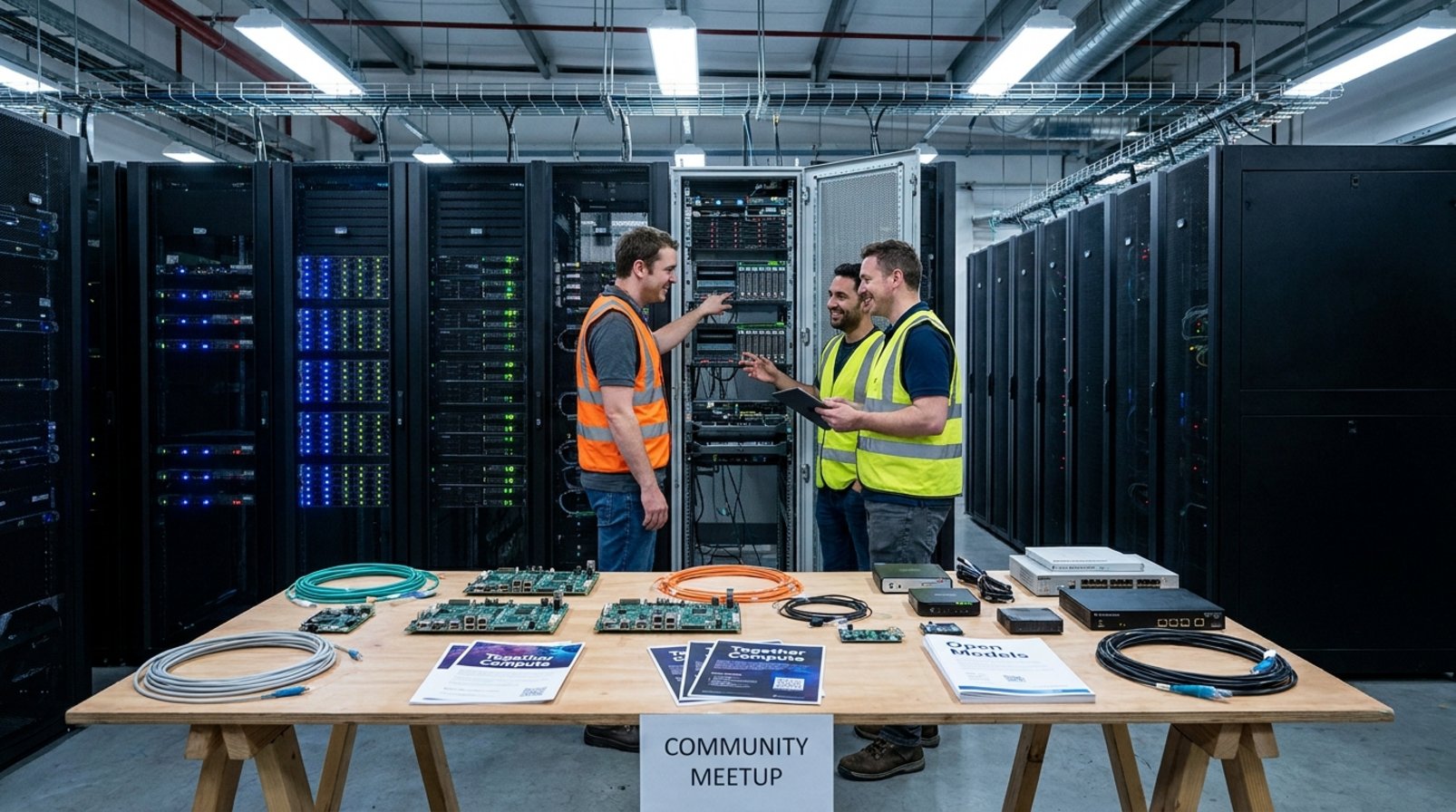
Ollama congratulated Together Compute and called it “an exciting time for open models.” The message was accompanied by Together Compute’s announcement of an 800 million USD Series C round at a 8.3 billion USD valuation, with the goal of continuing to build a more efficient platform for generative AI.
Read more: Commercialization Bites: Users Now Judge AI on Experience and Cost
The message is clear: open models are no longer just a story for the technical community, but have entered a large-scale infrastructure and commercialization race. For Vietnamese businesses, this trend is worth watching because open models often bring more options in terms of cost, customization and data control. Still, “open” does not automatically mean “cheap” or “easy”; deployment still requires operational capability, integration and long-term cost optimization.
Source: Ollama (@ollama); Together Compute via the quote cited in the original source
Claude Fable 5 returns to Cursor, strongest but also the most expensive
Cursor says Claude Fable 5 is available on the platform again. According to the announcement, the model leads CursorBench but is also the most expensive option per task. This is a highly relevant detail because it reflects the exact challenge many product and marketing teams face: performance may be excellent, but cost is what determines scalability.
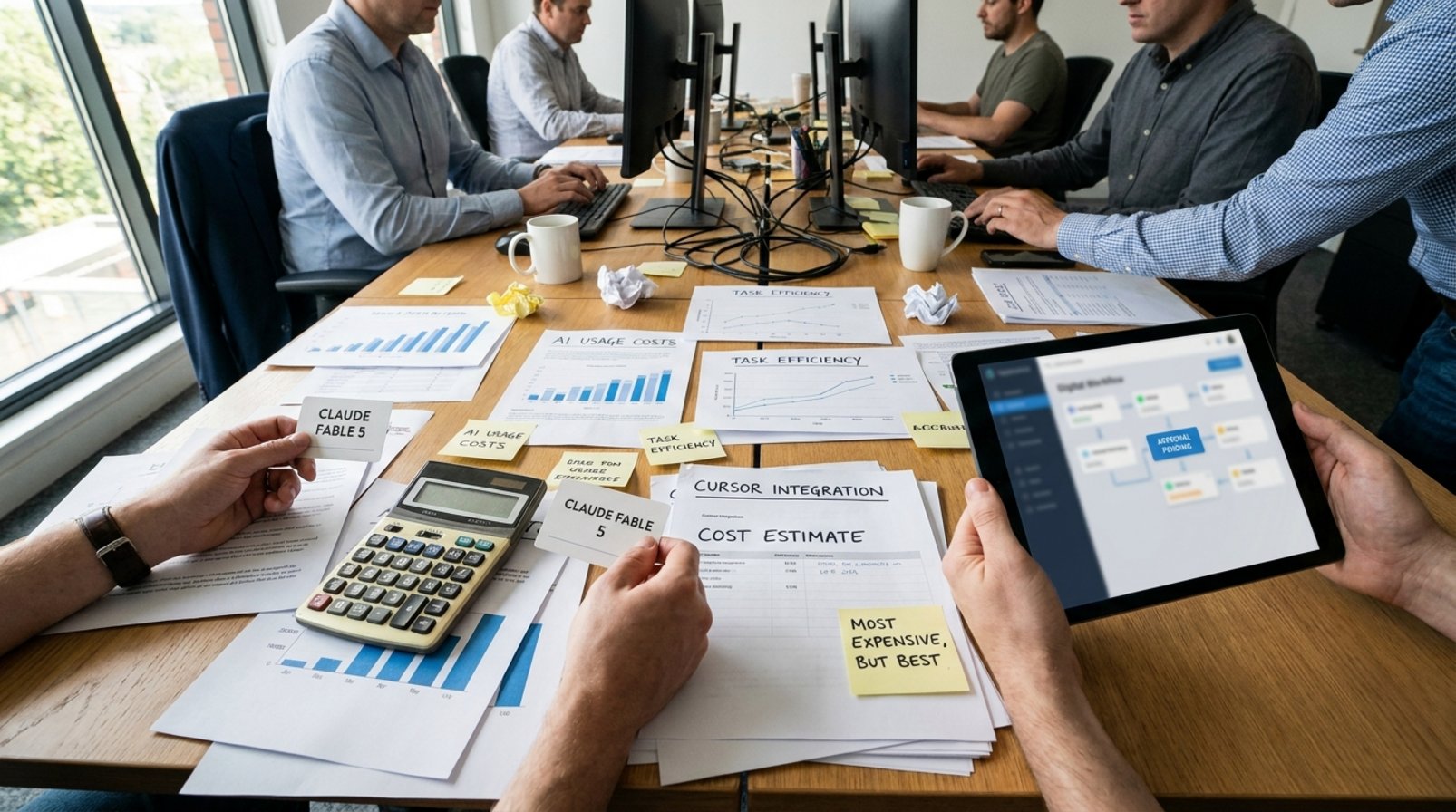
For content, growth and internal AI operations teams, this story is a reminder that tool selection should not be based on benchmark scores alone. It is necessary to balance output quality, stability, speed and execution cost for each use case. In practice, a more expensive model may make sense for critical tasks, but not for broad-scale deployment.
Source: Cursor (@cursor_ai)
Choose the right AI use case instead of chasing hype
From a Vietnamese perspective, these five stories show AI entering a phase of “purposeful application” rather than chasing hype. Vietnamese businesses should pay attention to three points: first, infrastructure and development tools will determine the speed of AI adoption; second, orchestration models and multi-step automation will become increasingly useful for marketing, sales and customer service; third, cost per task will become a key criterion when choosing a platform.

For marketing teams, now is the time to review which processes can be supported by AI, which ones require a stronger model and which ones should prioritize low cost for large-scale operation. In other words, competitive advantage no longer lies in whether you use AI, but in using AI in the right place, at the right level and for the right business goal.
Explore more marketing analysis and guides at https://marketing365.vn.
Follow Marketing365 for in-depth digital marketing analysis.
Read more articles in the same category AI developments.
This article focuses on latest AI news with a perspective for the Vietnamese market.
References
- NVIDIA (@nvidia)
- Perplexity (@perplexity_ai)
- Pi Network (@PiCoreTeam)
- Ollama (@ollama)
- Cursor (@cursor_ai)