Contents
- Do AI-generated images have copyright?
- What should you check in the terms of AI image tools?
- What risks can AI images create in marketing?
- How does copyright law in Vietnam view AI images?
- How should businesses use AI images safely in marketing?
- How can you build an internal process to reduce AI image copyright risk?
- Frequently asked questions about copyright notes when using AI images
Businesses using AI-generated images for ads, social media, landing pages, or key visuals often run straight into the question: can they use them, and how far is it safe to go? The risk is not only whether the image resembles someone, but also the scope of use, the terms of the image-generation tool, and liability if the content is challenged. For marketing teams, copyright notes when using AI images are a pre-publication check, especially when the image is also commercialized in a product or paid campaign. This section focuses on how to identify risks, run a quick check, and avoid common mistakes.
Do AI-generated images have copyright?
AI images may or may not be protected, depending on the level of human creativity, each country’s regulations, and the terms of the image-generation tool. That is why copyright notes when using AI images mean checking three layers before publishing: the source of creation, usage rights, and copying risk.
For marketing teams, the risk usually does not lie in whether “AI was used or not,” but in how the image was created and whether it is allowed for commercial use. An image that looks very “safe” can still cause issues if the prompt, training data, or service terms restrict how it may be exploited.
When can an AI image be considered protectable?
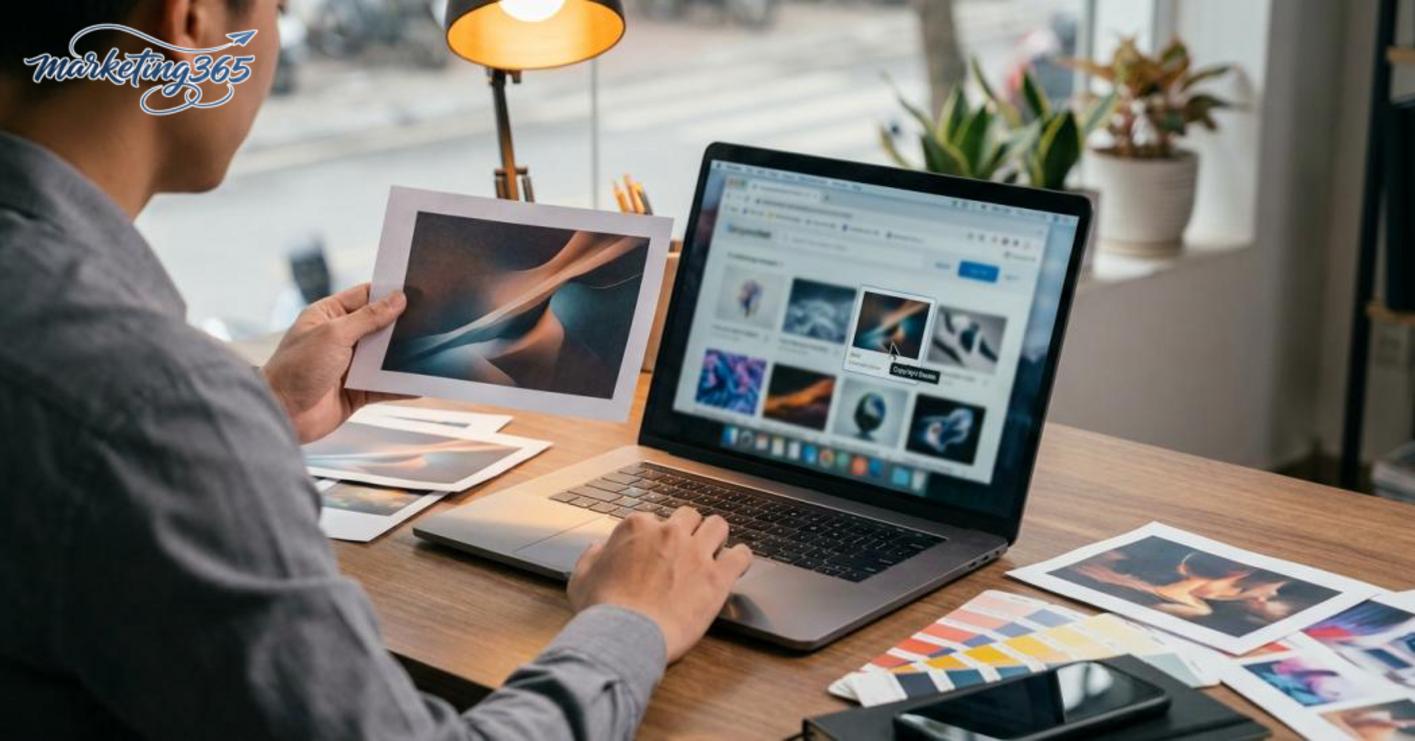
An AI image may be considered protectable when the human creative input is clear enough to produce a result marked by choices, arrangement, or post-production. A prompt is only one part; if the creator also selects from multiple versions, adjusts the layout, changes colors, composites layers, or retouches before use, the argument for copyright in AI-generated images becomes stronger.
For example, a file that is simply generated automatically and downloaded is usually weaker than a set of images where an art director chooses 1 out of 20 variations, then adjusts lighting and crops it to fit the campaign layout. The clearer the human creative intervention in the AI image, the better the ability to prove intellectual property rights in the AI image.
Why should you not assume AI images are “public domain”?
AI images do not automatically fall into the public domain, and public domain is not the default for every machine-generated image. Three layers need to be separated: ownership of the content, the image platform’s rights, and the user’s rights under the terms of use. If a tool allows generation but restricts commercial use, that image still cannot be treated as an AI image in the public domain.
In practice, a common mistake is for marketing teams to download an image from an AI tool and use it immediately for a banner, landing page, or ad without reading the Terms of Service. The safe approach is to open the exact terms, look for sections on commercial use, ownership, sublicensing, and content restrictions; then save a screenshot or a copy of the terms at the time of creation to reduce future disputes.
A quick check is to ask: who created this image, who holds which rights, and am I allowed to use it commercially? If you cannot answer all three, copyright notes when using AI images still carry risk.
What should you check in the terms of AI image tools?
The terms for AI image tools should be read like a legal checklist before using the image in ads, landing pages, packaging, or social media. Missing even one line about commercial rights, editing rights, or infringement liability can force the marketing team to pause a campaign or remove published content.
5 things to read carefully before using AI images commercially
First, determine who owns the output: the user, the platform, or a shared-rights arrangement. Many terms state that output ownership remains with the platform or only grants limited usage rights; if so, the image may not be usable for commercial purposes.
Next, check whether Dùng ảnh tạo bởi AI cho mục đích thương mại is allowed, and whether there are limits by industry, region, distribution channel, or usage period. Some tools allow social posting but not ads, or web use but not packaging print.
The remaining three items to examine closely are editing/distribution rights, terms regarding input and output data, and legal liability if the AI image infringes copyright. If prompts, reference images, or uploaded files are retained for reuse, the marketing team needs to know the storage scope and the rights to reuse that content.
Quick checklist:
- Are commercial rights granted in writing?
- Can the image be edited, cropped, combined, labeled, or used in ads?
- Is use prohibited for any sensitive industries, brands, or regions?
- If the image resembles a famous style or character, who is responsible?
- Are input and output data stored, shared, or reused for training?
Warning signs that the terms are risky for marketing teams
The terms are risky when ownership is described vaguely, commercial rights are not clearly stated, or there is a clause prohibiting use for ads, branding, and commercial products. This is a sign to stop before commercializing AI-generated content.
Read more: Free AI Image Generators: How to Choose and Use Safely
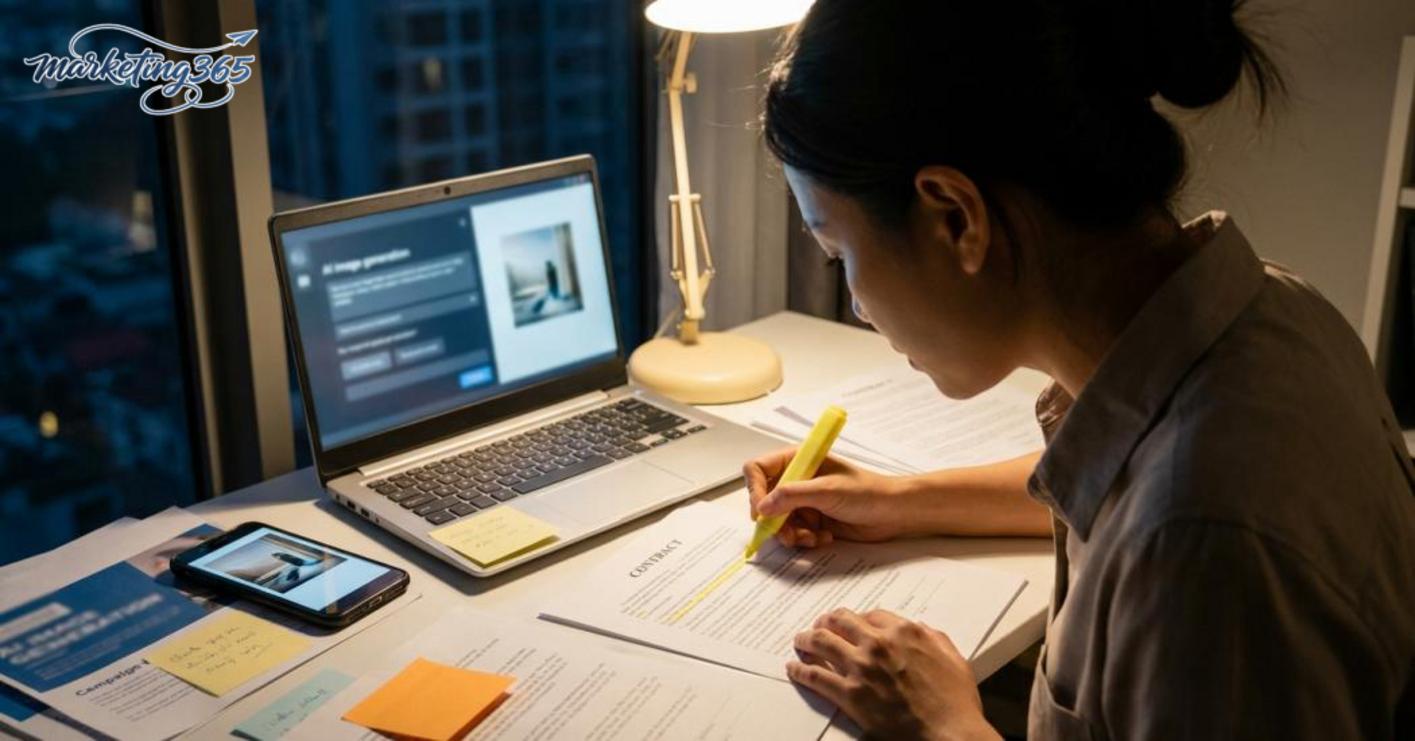
Another warning sign is a requirement for mandatory attribution, restrictions on editing, or a clause shifting all liability to the user if the image infringes. When you see phrases like “may change at any time” without a detailed explanation section, ask again before putting it into the workflow.
The quick fix is to save the terms version at the time of approval, compare it with the actual usage channel, and proceed only when the usage rights are clear. If you cannot read the section on input and output data, treat it as not yet safe or legally ready for use.
What risks can AI images create in marketing?
AI images used in marketing can create legal risk, contractual risk, and brand reputation risk. The most serious concern is when the image is seen as infringing someone else’s rights, because then the marketing team must handle both content takedown and liability if the AI image infringes copyright.
When is an AI image likely to be considered copyright infringement?
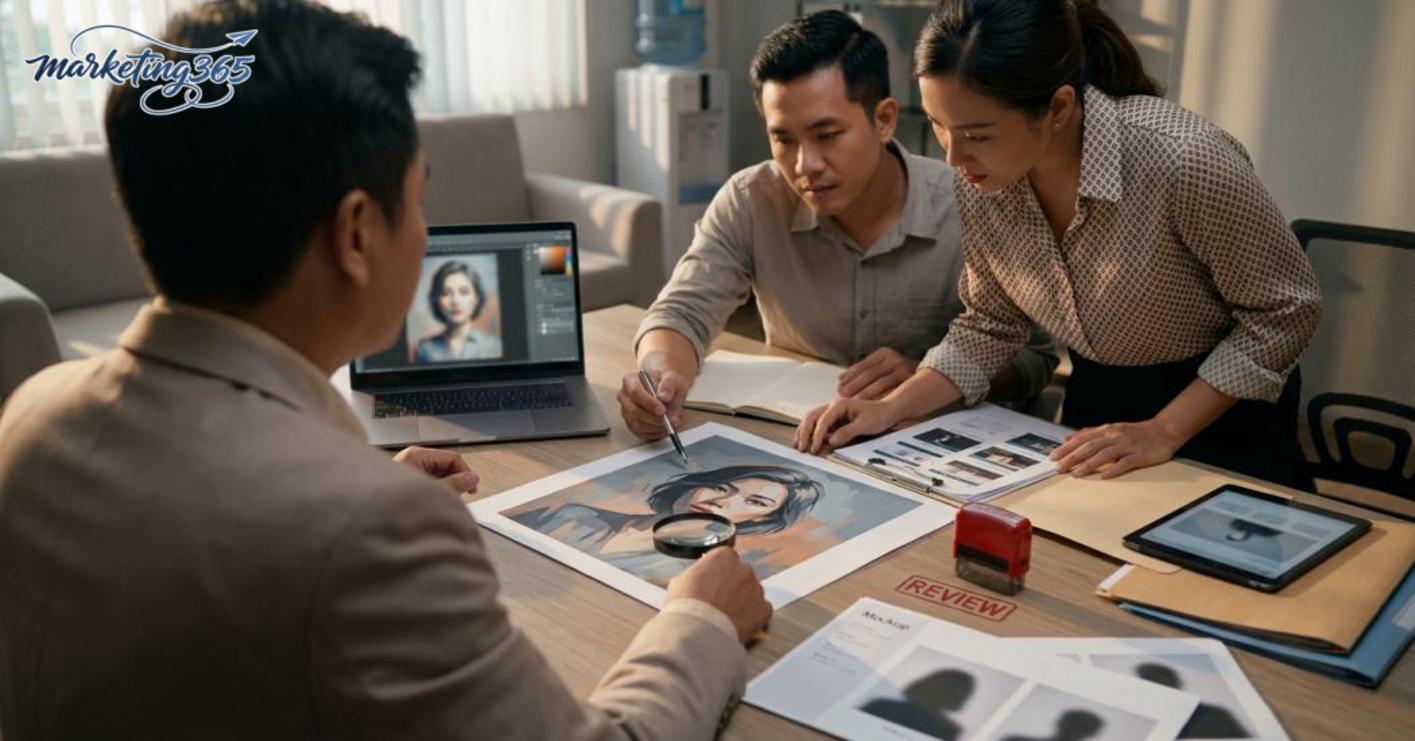
An AI image is likely to be considered copyright infringement when it is too similar to an existing work, reuses a famous character, or creates a “lookalike” variation to evade recognition. If an ordinary viewer can clearly notice the similarity, the risk increases, especially when the image is used commercially.
Một vài tình huống cần dừng ngay:
- The image mimics the composition, colors, and signature brushwork of a specific artist.
- The image has a face resembling a real person, a public figure, or a third party’s IP.
- The image is lightly edited and then used in ads, but still enough to create confusion about its origin.
If it has already been used, remove the image from active channels and save the prompt, original file, and edit history for comparison. For content with broad reach, reassess the AI image copyright before continuing distribution.
What should businesses check before approving AI images for channels?
A safe AI image checklist should start with the source, identifying features, level of editing, and the final intended use. Only when there is clear evidence of review can the marketing team reduce the risk of AI image intellectual property issues.
- Identify the image source and the tool’s terms of use.
- Inspect whether the image contains real faces, logos, uniforms, packaging, or brand-identifying details.
- Check how much the team has edited it; if only the color was changed or it was lightly cropped, it should still be considered high risk.
- Determine where the image will be used: social post, landing page, or paid advertising.
- Save screenshots of the prompt, creation time, and approver to create an audit trail.
This approach helps businesses not only ask whether AI images can be copyrighted, but also know which images are safe enough to publish.
How does copyright law in Vietnam view AI images?
Copyright law in Vietnam still places the emphasis on human creativity when assessing AI images. Therefore, AI images cannot automatically be understood as works with an author in the traditional sense, and businesses should be cautious when using them for brand identity, public disclosures, or sales content.
From the perspective of Vietnamese intellectual property law, copyright notes when using AI images should be treated as risk management, not a formality. As the law continues to evolve, businesses should prioritize checking the image source, the tool’s usage rights, and the level of human intervention before placing the image into important assets.
What level of creative intervention makes the usage file safer?
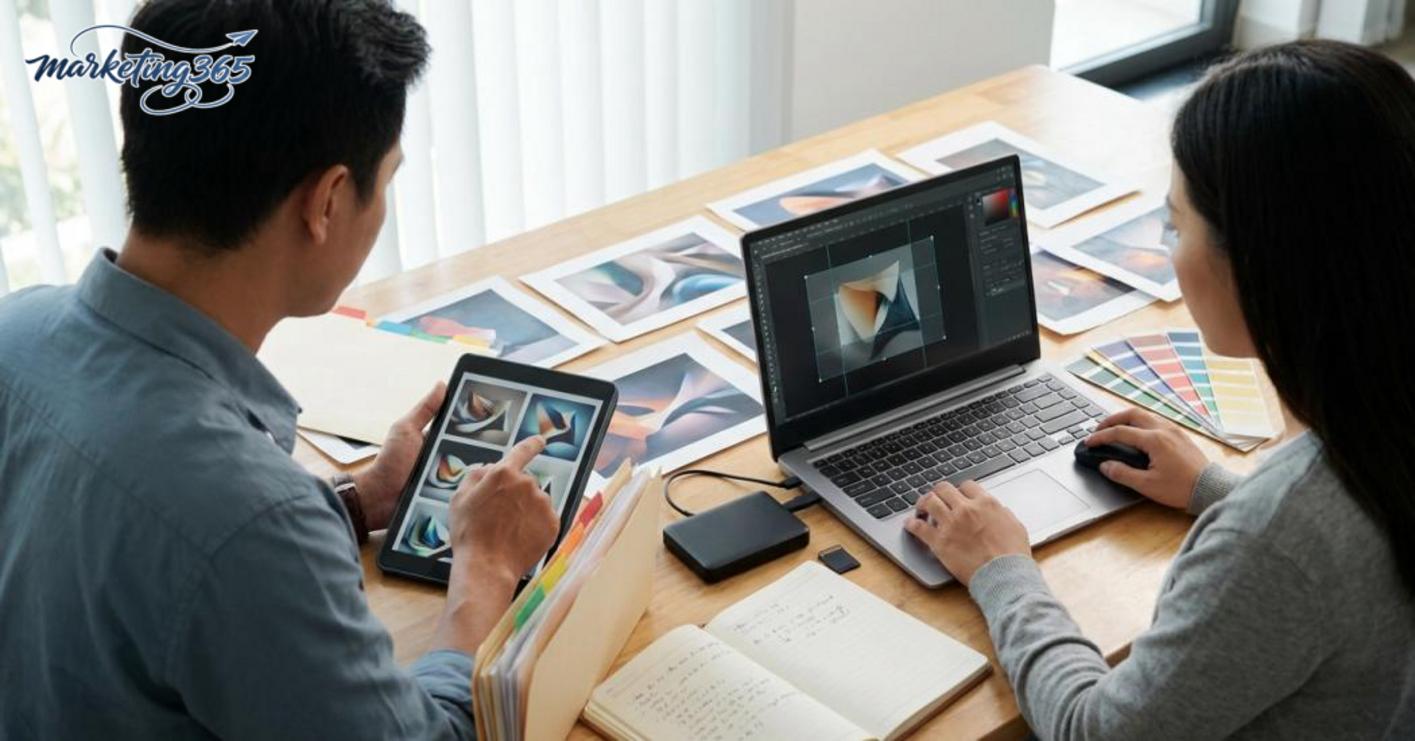
The clearer the human creative intervention in an AI image, the easier it is to explain the file if needed. A single prompt is usually not enough; there should be selection among multiple options, adjustments to layout, color, aspect ratio, and combination with the company’s copyrighted assets.
Read more: AI Video Automation Tools: How to Choose and Use Them Right
For example, a marketing team often creates 5–10 variations, then selects one version to adjust the layout to fit the landing page or brand system. Keeping drafts, edited files, and additional design layers helps show that the user actively directed the result rather than simply downloading and using it immediately.
When should you keep proof of creation and edits?
Proof should be kept as soon as the AI image is used for commercial purposes, public content, or brand assets. The minimum file set includes the prompt, original file, edited version, creation time, and responsible person for internal review if a dispute arises.
A compact file set is usually enough to review the process if questions arise about copyright in Vietnam for AI-generated works. This does not create rights by itself, but it helps the business demonstrate control over the content and reduce risk when explanations are needed.
How should businesses use AI images safely in marketing?
Using AI images safely in marketing means checking purpose, usage rights, and legal risk before publishing. The right process is: define the use case, read the tool terms, screen for IP/image infringement, save edit records, and only then approve publication.
7-step checklist before posting AI images on channels
A safe AI image checklist helps the team catch errors at the approval stage, especially when the image is going into ads, landing pages, or social content with brand recognition.
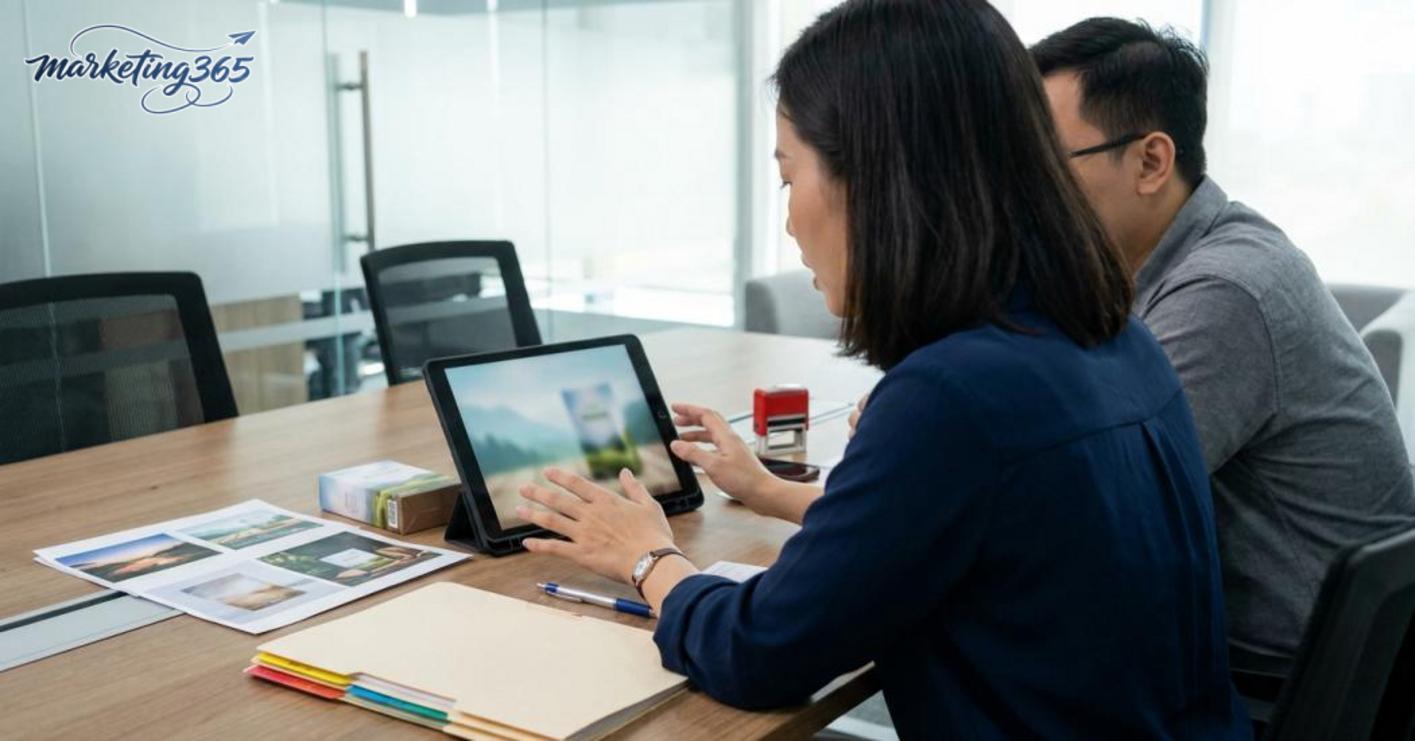
- Confirm commercial rights in the image tool’s terms. If it is for personal use only, do not use it in a campaign.
- Check whether the image resembles a real person or a celebrity. A face, hairstyle, or outfit that is too close to the original already creates risk.
- Inspect whether logos, packaging, original works, or brand-identifying details appear in the image.
- Assess how much the team has edited it. Has it been further designed, composited, or had text added?
- Save the original file, prompt, edited version, and internal approver.
- Have the content or brand owner approve it before publication.
- Confirm the posting channel and scope of use: web, ads, email, or internal documents.
If any of the steps above are missing, the image may still be considered Dùng ảnh tạo bởi AI cho mục đích thương mại without meeting the required conditions.
When should you avoid AI images even if they seem convenient?
Avoid AI images when visual accuracy matters more than production speed. For sensitive ads, products that must show the packaging exactly, or content involving real people, experts, children, healthcare, or finance, the risk is always higher than the benefit.
An AI image may look good but still be wrong. A slightly off-color package, a face resembling a celebrity, or a misleading setting is enough to force a campaign takedown for correction.
In these cases, the safe rule is: prioritize original images, clearly licensed images, or images that have gone through internal legal review. If you still want to use AI, use it only as a moodboard or secondary illustration, not in a position that determines purchase trust.
How can you build an internal process to reduce AI image copyright risk?
An internal process reduces AI image copyright risk by catching mistakes at approval, keeping a clear enough trail for comparison, and separating standards by usage channel. With copyright notes when using AI images, marketing teams should treat this as an operating process, not just the designer’s job.
Which departments should be involved before an AI image goes live?
The approval process should include Content/Design, the Brand/Marketing lead, and legal or compliance if available. Content and Design review the prompt, reference source, and the level of human intervention in the AI image; the Brand/Marketing lead checks fit with brand identity; legal reviews the image tool’s Terms of Service and the risk of copying an artist’s style or a celebrity through AI.
- The creator fills out a usage-rights form with the purpose, posting channel, usage period, and level of editing performed.
- The final approver confirms whether the image is for internal or commercial content, then records who is responsible.
- If the image is for ads, landing pages, e-commerce, or key visuals, move to a deeper review before publication.
- If the image contains a face, logo, clearly identifiable work, or a style that could easily be confused, pause release until legal review is confirmed.
A minimum form should include 6 fields: file name, original prompt, image-generation tool, creation date, creator, and final export link. For example, an image used for Facebook Ads should also include a “approved” status and the approver’s name. An image used only in an internal slide deck can be approved faster, but it still needs a final responsible person to avoid disputes if a complaint arises.
Read more: How to Use ChatGPT to Write Content Effectively for Beginners
What should be stored for easy reference in case of disputes?
Store the original file, prompt, edited version, creation date, creator, intended use, tool link, and the terms in effect at the time of creation. This is the minimum evidence layer needed to compare copyright claims with AI-generated images and respond quickly if a complaint is filed.
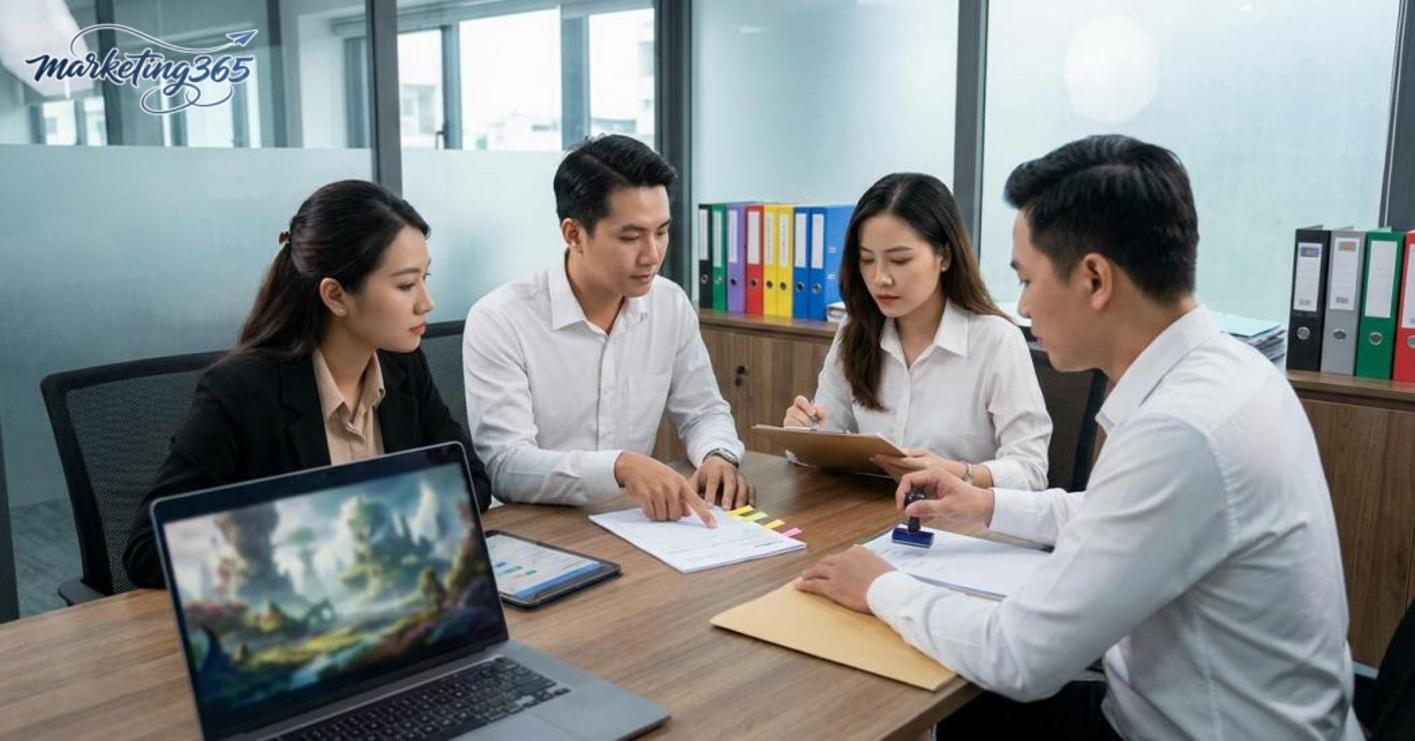
It is a good idea to name folders by project, for example: Brand_Campaign_Q3/AI_Image_01. Each image should have a short note file with the usage status, where it has been published, and the usage period. For images used in e-commerce, ads, or landing pages, clearly note which ones may be reused and which are for one-time use only. If an image includes sensitive elements such as a real character or a specific artist’s style, pause publication and request review before going live.
A practical storage template is: 1) create a folder by campaign; 2) store the prompt and exported file in the same place; 3) label each image as “public,” “internal,” or “restricted”; 4) update the edit history immediately after any change. This helps the team find evidence in minutes instead of searching through email or internal chat.
Frequently asked questions about copyright notes when using AI images
Below are the three most common questions businesses ask when considering AI images. The answers are brief, but they still need to confirm usage rights, third-party rights risk, and what to do when an image appears similar to another work.
Can AI images be used freely for advertising?
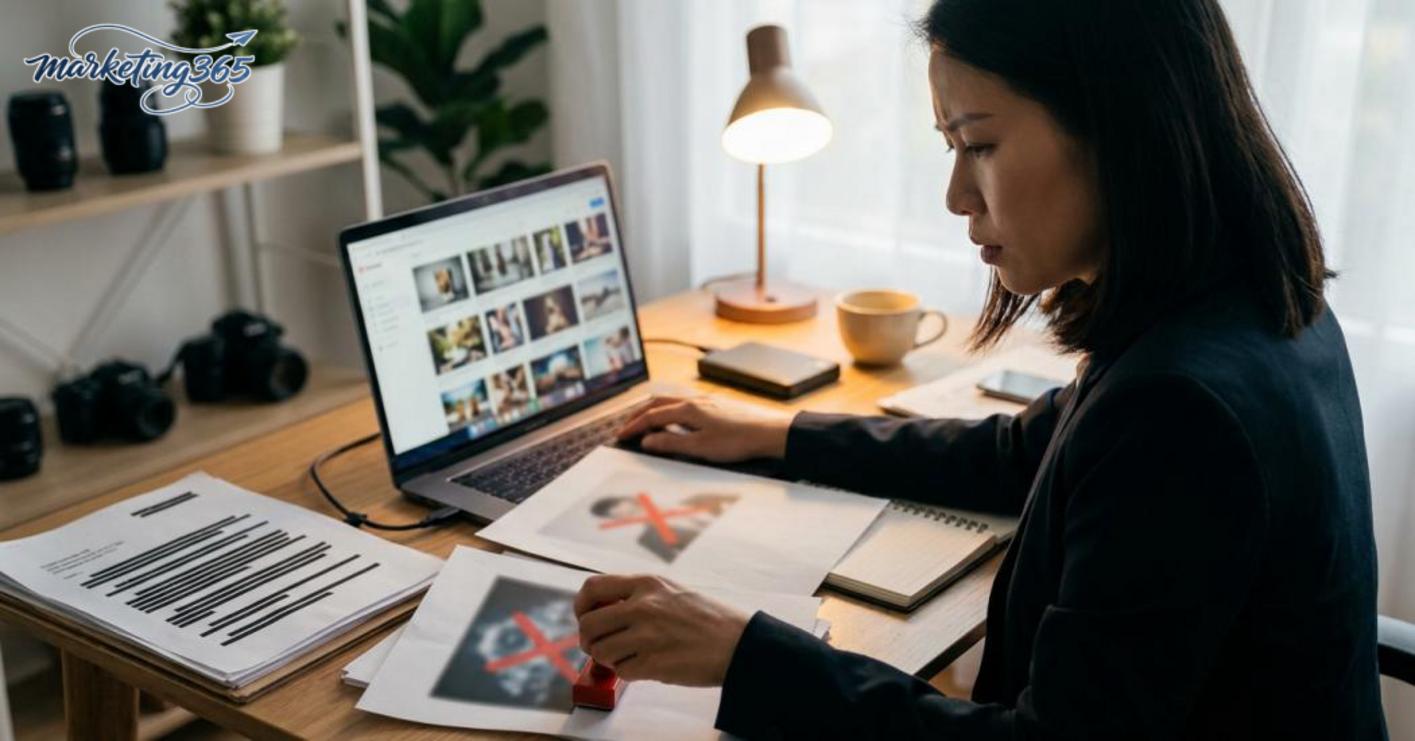
AI-generated images can be used commercially, but not always “freely.” You need to read the image tool’s terms of use, check whether commercial rights are granted, and then verify whether the image suggests another party’s logo, character, trademark, or identifying features. If the campaign runs on a landing page, social ads, or banners, save the prompt, file version, and accepted terms to reduce future disputes.
Should you credit the source when using AI images?
Yes, if crediting the source helps internal teams or clients understand which tool created the image and who is responsible for approving the content. But credit does not eliminate copyright risk if the image still infringes copyright in AI-generated images or contains copied elements. In short, AI image copyright is not “validated” by a single caption line; the important part is still checking usage rights and the output content.
If an AI image resembles someone else’s work, what should you do?
Stop using it immediately, replace it with another image, and review both the prompt and the tool terms. If the image closely follows an artist’s style, a celebrity, or the distinctive composition of a specific work, do not try to “lightly edit and keep using it.” The safer approach is to recreate it with a different prompt, remove overly similar descriptions, and keep proof of the review. Once an image carries infringement risk, replacement is better than accepting the risk of copying an artist’s style or a celebrity through AI.
For official and up-to-date guidance, you can also refer to materials from Think with Google.
Related articles
- How to Use Midjourney to Create E-Commerce-Ready Product Images
- What Is AI Software for Writing SEO-Ready Articles?
- Top AI Tools for Making Slides Worth Checking Out
You can find more practical marketing guides at https://marketing365.vn.
Content from marketing365 is created for SMEs, online shop owners, and new marketers.
You can also read more articles on the same topic in the AI Marketing category.