
Contents
- Elon Musk pushes back against spending-cut allegations
- ChatGPT is mentioned as a daily-life assistant in Bengaluru
- Elon Musk turns 55 as the tech ecosystem story is revisited
- Anthropic CEO warns about the risks of open-source AI
- AI, liquidity, and infrastructure are being linked together
- SpaceX is rumored to accelerate revenue through Starlink, Starship, and AI compute
- Halo: an AI agent running directly on iPhone, no server required
- Solana pushes tokenization and financial infrastructure use cases
- Fnatic brings AI into coaching with an “83 AI kids” model
- Grok 4.5 is said to have entered private beta at SpaceX and Tesla
- On-device AI, data safety and faster model cycles are what Vietnam should watch
- Fund the use cases tied to revenue first
- References
As of July 2026, the AI landscape continues to show that the race is not only about large models, but also about how companies are bringing AI into products, infrastructure, and everyday workflows. This matters because AI budgets, tooling, and even brand storytelling now depend on infrastructure choices as much as on model quality. For Vietnamese marketers, it is an important signal that directly affects content creation tools, operational automation, technology costs, and brand storytelling.
The roundup below brings together 10 of the most notable developments around AI, from debates over open-source, to agent apps on personal devices, to updates surrounding Grok 4.5 and Elon Musk’s technology ecosystem.
Elon Musk pushes back against spending-cut allegations
In a post on X, Elon Musk emphasized that his critics could not point to a single specific case among the “millions of people dead” allegations they were making. The post was accompanied by an argument that he had served as an advisor to the President rather than someone running the government.
From a media perspective, this is not a purely technology-related item, but it is still worth noting because Musk is a central figure in many discussions about AI, automation, and digital infrastructure investment. Every statement he makes can influence public perception of AI products tied to his ecosystem.
Source: Elon Musk on X
ChatGPT is mentioned as a daily-life assistant in Bengaluru
Greg Brockman shared a short note about using ChatGPT to support everyday life in Bengaluru, suggesting that conversational AI is increasingly being seen as a utility tool rather than just experimental software.

The key point for marketers is that the “daily-life assistant” layer is expanding very quickly. As AI moves into small tasks such as Q&A, planning, note-taking, and decision support, user expectations also rise: they want tools that are faster, more personalized, and require fewer steps.
Source: Greg Brockman on X
Elon Musk turns 55 as the tech ecosystem story is revisited
To mark Elon Musk’s 55th birthday, a post compiled a series of milestones spanning electric vehicles, reusable rockets, internet satellites, AI supercomputers, and charging infrastructure. Although the content has a celebratory tone, it still reflects a reality: AI is no longer standing alone, but is being woven into cars, aerospace, telecom, and computing infrastructure.
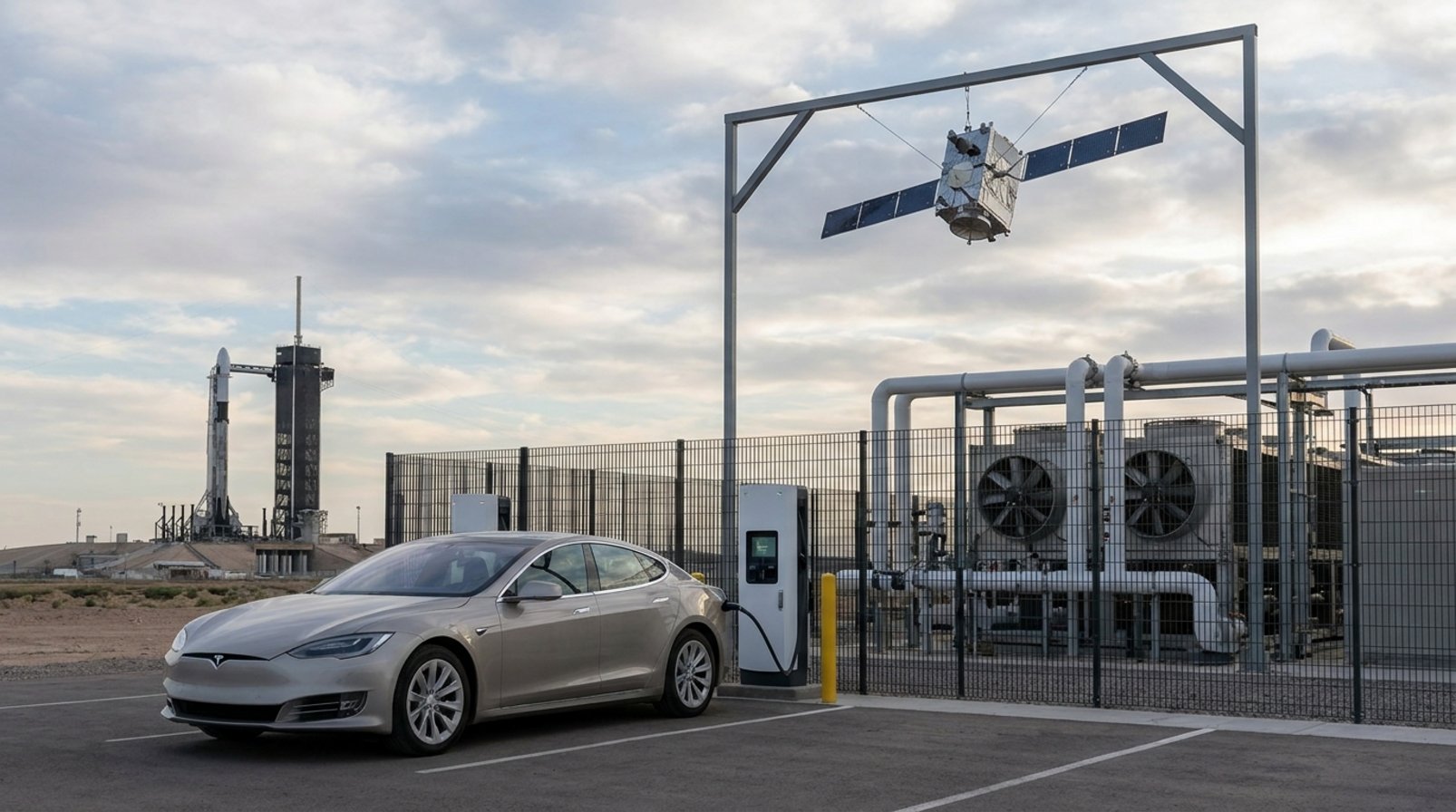
For businesses, this is a reminder that AI’s competitive advantage lies not only in the model, but also in the distribution ecosystem, data, compute capacity, and end-user touchpoints.
Source: Sawyer Merritt on X
Anthropic CEO warns about the risks of open-source AI
Dario Amodei, CEO of Anthropic, was quoted telling lawmakers that open-source AI is heading down “a very dangerous path.” According to this argument, when powerful models are released publicly, companies will find it harder to track misuse, harder to revoke access, and harder to update safety guardrails.
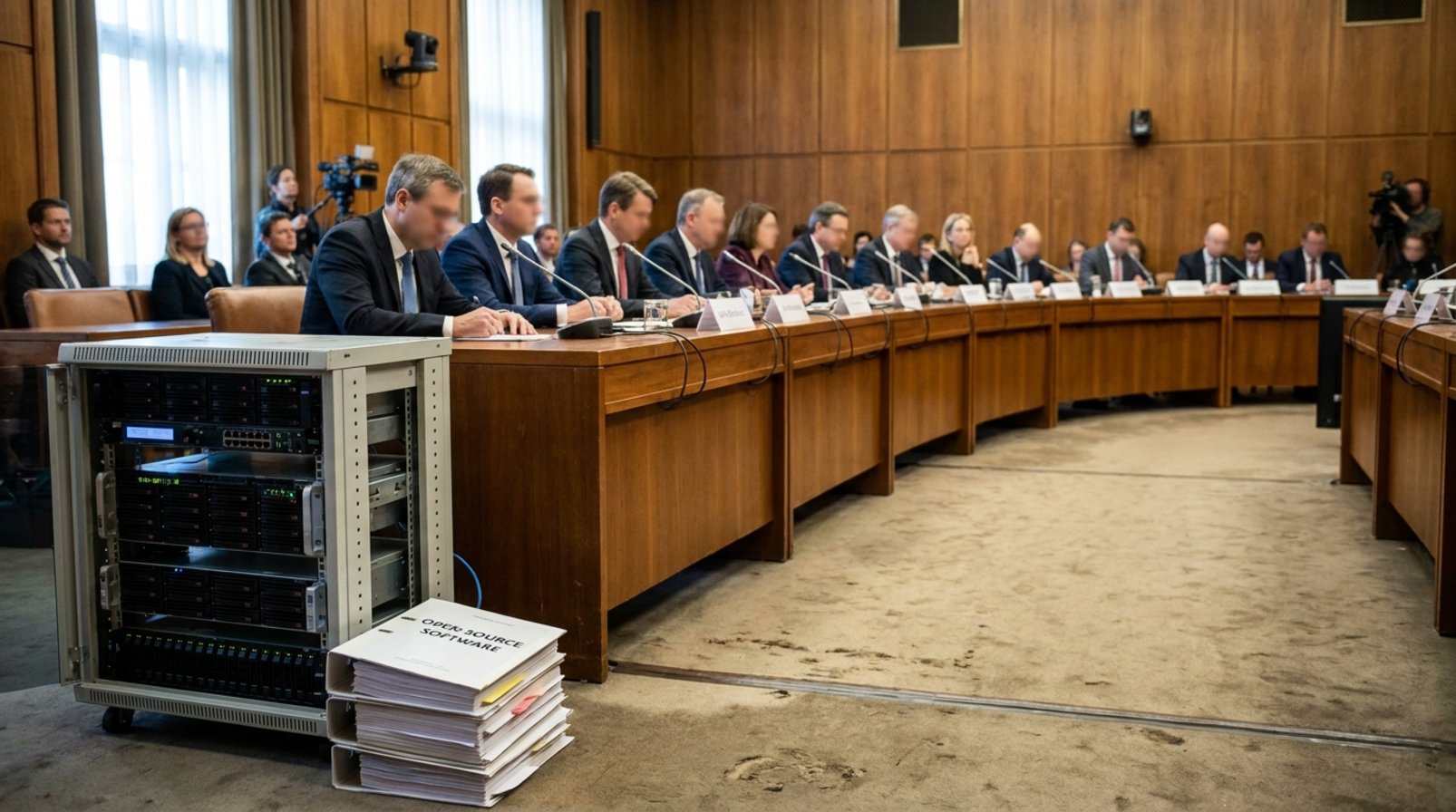
This is a weighty topic for the global AI market: whether a model is open or closed is no longer just a technical question, but a matter of risk management, legal responsibility, and brand trust. For marketers, that affects how technology partners are chosen and how data safety is communicated.
Source: Coin Bureau summarizing Dario Amodei’s remarks
AI, liquidity, and infrastructure are being linked together
A comment on X argued that the U.S. administration is using liquidity as a tool of international influence, while linking that to energy, gold, shipping, and even investment in AI. Although this is a strongly opinionated view, it still reflects how the market is looking at AI: no longer just as software, but as a large-scale capital cycle tied to energy infrastructure, logistics, and industry.

At the business level, this matters because AI budgets are increasingly dependent on compute costs, energy, and data center scalability.
Source: Just Another Pod Guy on X
SpaceX is rumored to accelerate revenue through Starlink, Starship, and AI compute
An analysis on X suggested that SpaceX could approach roughly $100 billion in revenue by 2028, based on multiple growth pillars: launch services, Starlink, direct-to-cell, V3 satellites, and even leasing AI compute capacity. The post also emphasized the link between cheaper launches and the deployment of large-scale satellite infrastructure.

While this is a market forecast rather than an official announcement, it shows a clear trend: AI is becoming part of the monetization model at both the infrastructure and application layers. For media and marketing businesses, it is a reminder that the AI game is increasingly tied to operational scale and distribution capability.
Source: Shay Boloor on X
Halo: an AI agent running directly on iPhone, no server required
Developer Tanmay introduced Halo, an AI agent for iPhone built to run directly on-device, without a server. According to the description, the system supports any LLM provider, includes a local agent framework, supports MCP, skills, subagents, and a self-updating wiki-style memory with RAG.

Read more: Google Says AI Is Driving Ad Growth While Misalignment Questions Pile Up
Read more: How to Use Claude AI Effectively for Marketing
This is a notable signal for the “on-device AI” trend. For users and marketers, the biggest benefits of this direction are faster response times, greater privacy, and higher personalization potential. It also opens up new approaches for brand assistants, customer support, and sales enablement apps.
Source: Tanmay on X
Solana pushes tokenization and financial infrastructure use cases
Solana announced a series of deployments related to digital assets and onchain finance, including a bond fund managed in the UK, expanded distribution through Allfunds, MoneyGram becoming a validator, as well as stablecoin transfer trials with Toss Bank and a partnership with KG Inicis in South Korea.

The notable point here is that the AI story does not happen in a vacuum: as digital infrastructure, payments, and tokenized assets grow, AI applications in finance, customer service, and fraud prevention also have room to expand. For marketers, this is a sign that technology brands need to closely follow the new digital payments ecosystem.
Source: Solana on X
Fnatic brings AI into coaching with an “83 AI kids” model
Fnatic CEO Sam Mathews was quoted saying the team’s AI coach is “pregnant” and will “give birth” to 83 “AI kids,” serving as assistants for the coaching staff. Although the wording is metaphorical, the core message is clear: AI is being tested as a support force for tactical analysis and internal operations.

For marketers, this is an interesting example of how AI is moving from the lab into industries that may seem unrelated. Any team with repetitive decision-making processes can use AI to speed up analysis, synthesis, and workflow routing.
Source: Abyss on X, citing Sam Mathews
Grok 4.5 is said to have entered private beta at SpaceX and Tesla
The most notable update this week is that Grok 4.5 is reportedly entering closed beta at SpaceX and Tesla. According to the circulating post, the new model is based on the V9 platform with 1.5 trillion parameters, and early evaluation results are described as approaching or even surpassing some leading competitors.

If this information continues to be confirmed, it will signal that the foundation model race is moving into a faster release cadence, especially within the Musk ecosystem. For the marketing industry, what matters is not only which model is stronger, but which one can be integrated quickly into products, content creation workflows, and business automation.
Source: Muskonomy summarizing Elon Musk’s remarks on X
On-device AI, data safety and faster model cycles are what Vietnam should watch
For Vietnamese businesses, these 10 signals show that AI is shifting from “technology to test” to “infrastructure to use.” The three most important points to watch are: on-device AI will help reduce cloud dependence for certain tasks; the open-source debate reminds businesses to put data safety first; and the race around new models like Grok 4.5 shows that the pace of innovation will only get faster.
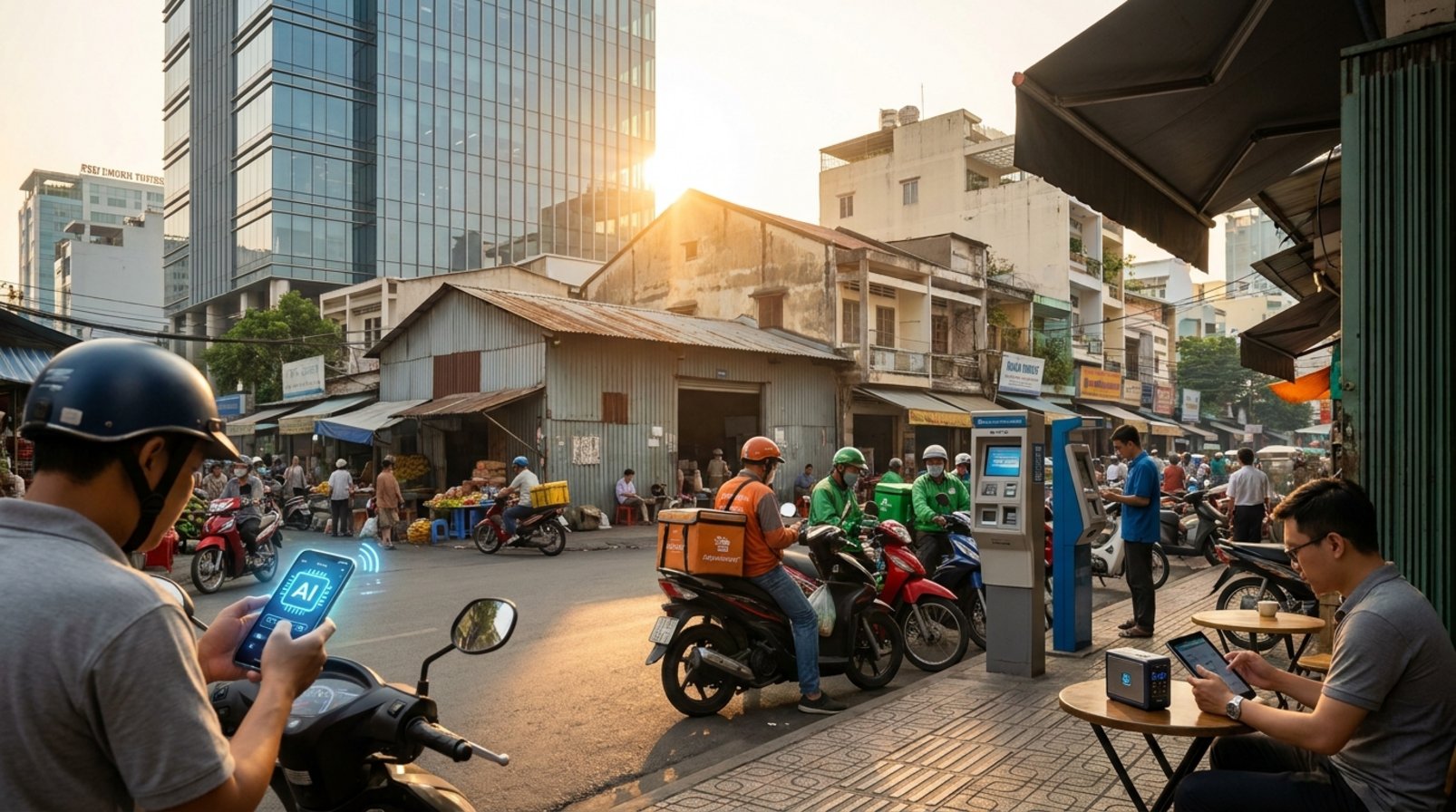
In marketing practice, businesses should prioritize three things: choose AI use cases directly tied to revenue or time savings; build data rules and content review processes before scaling; and regularly test new tools so they do not fall behind the pace of the international market.
See more marketing news and guides at https://marketing365.vn.
Follow more updates from Marketing365 to stay up to date with the latest marketing trends.
Read more articles in the same category AI Developments.
This article focuses on the latest AI news with a perspective for the Vietnamese market.
Fund the use cases tied to revenue first
- Prioritize AI use cases tied directly to revenue or clear time savings before experimenting broadly.
- Put data-safety rules and content-review processes in place before scaling any AI workflow, echoing the open-source risk warnings.
- Watch the on-device AI trend (for example, agents like Halo) for faster, more private brand assistants and support apps.
- Budget for compute and energy costs, since AI spending increasingly depends on infrastructure, not just software licenses.
- Test new models like Grok 4.5 on real tasks so integration speed, not hype, guides your tooling choices.
Overall, AI is moving from “technology to test” to “infrastructure to use,” and the brands that pair fast experimentation with clear data rules will adapt to each new model cycle far more comfortably than those chasing headlines.
References
- Elon Musk on X
- Greg Brockman on X
- Sawyer Merritt on X
- Coin Bureau on X
- Just Another Pod Guy on X
- Shay Boloor on X
- Tanmay on X
- Solana on X
- Abyss on X
- Muskonomy on X