Contents
What stands out on TikTok right now is no longer “which trend is blowing up,” but “which trend is strong enough to enter everyday life and create real consequences.” From fashion and beauty to community behavior, the same mechanism of spread is producing two opposite outcomes: some trends are being legitimized into consumer habits, while others are quickly flagged for harm or for triggering negative reactions.
For Vietnamese marketers, this is an important signal. When a platform can both elevate an aesthetic into shopping inspiration and push a behavior into a social controversy, the question is no longer “should we chase TikTok or not?” but “at what level of the game should we participate?”
Key points
- Trends on TikTok are shifting from “viral because they are unusual” to “viral because they have real impact.”
- The same spread mechanism can create commercial opportunities in fashion and beauty, but also trigger backlash around harmful trends.
- Marketers can no longer view TikTok as a simple entertainment channel; it is an environment that shapes behavior, beliefs, and consumer norms.
- The right strategy is to filter trends by brand safety, their ability to convert into value, and their durability.
TikTok trends split between lasting and short-lived
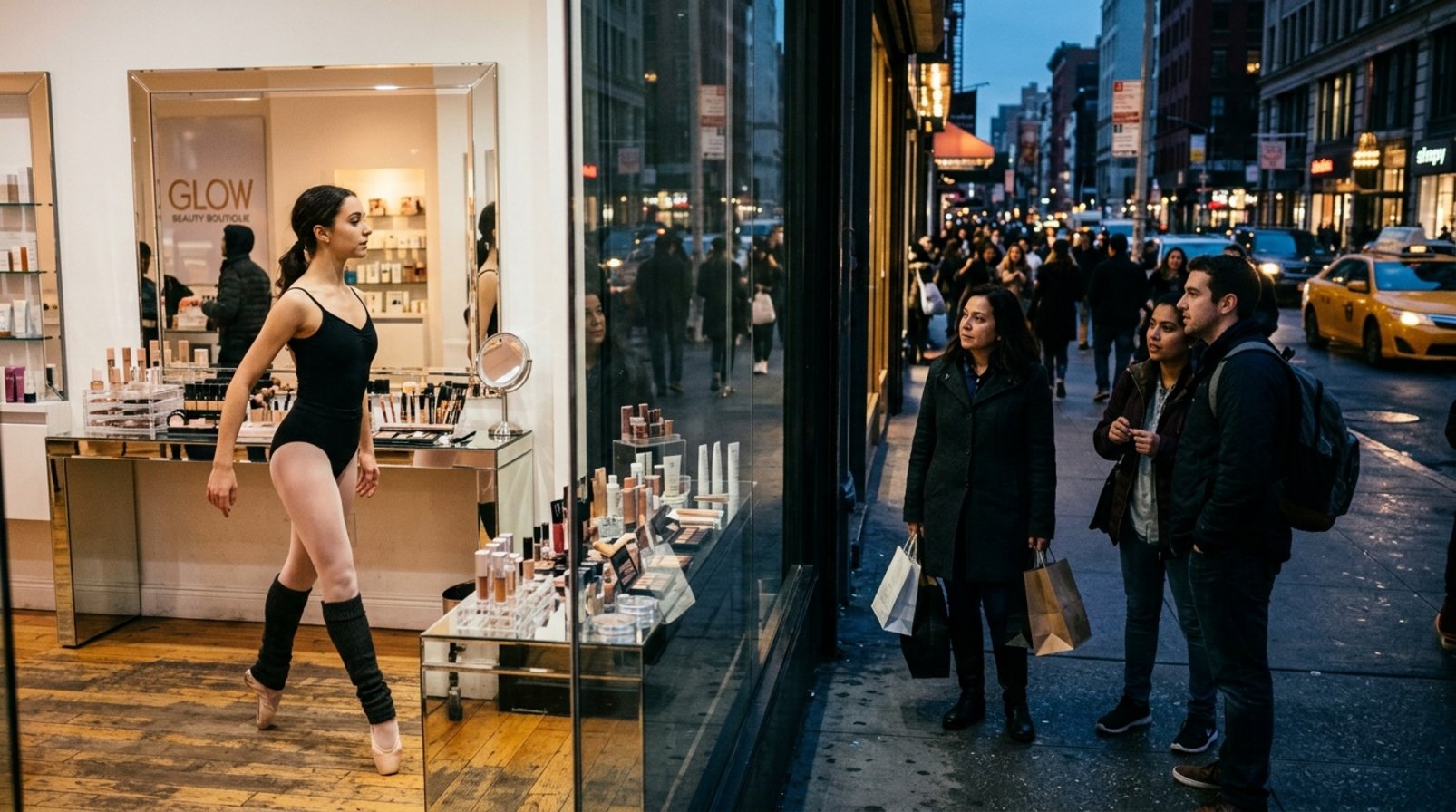
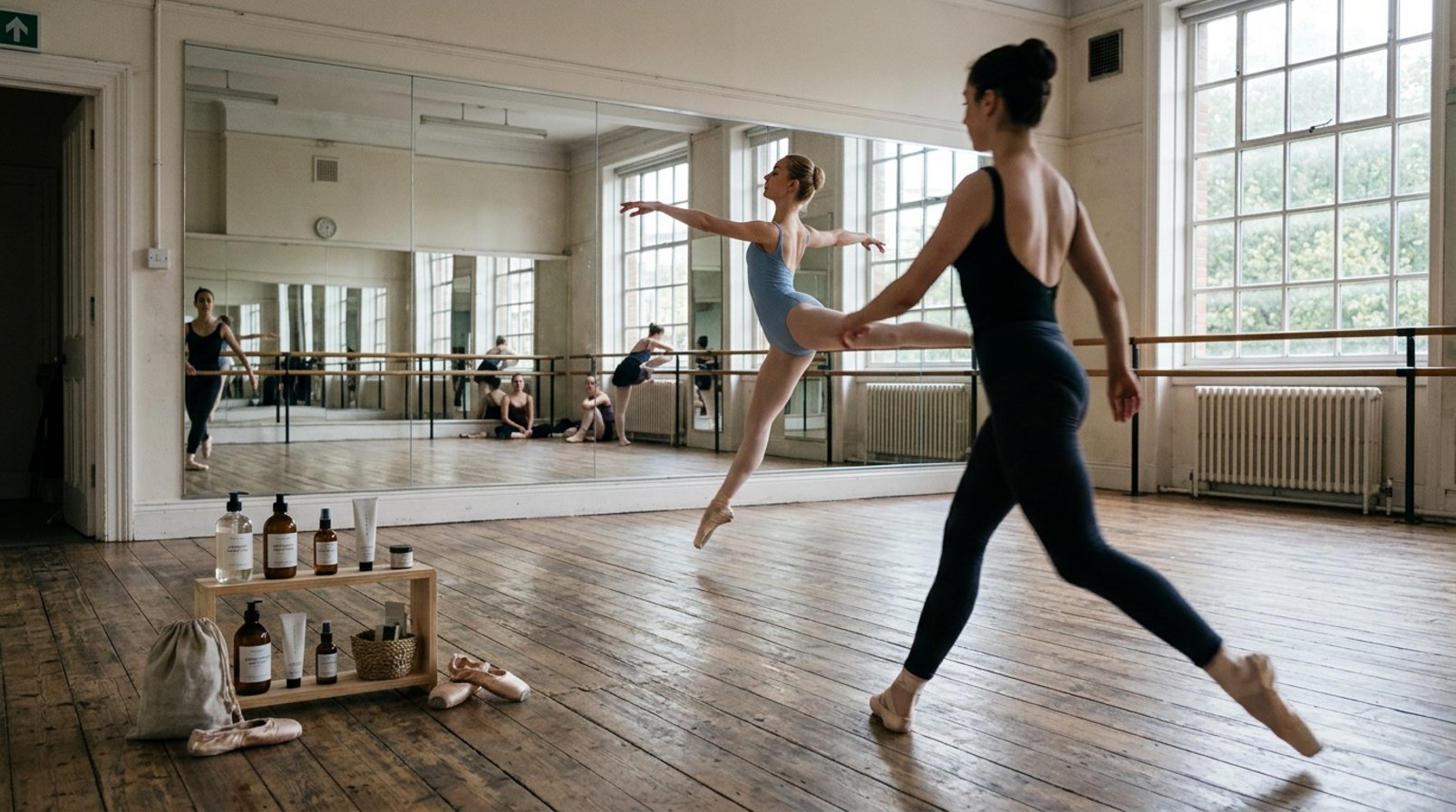
The broader picture shows that TikTok is no longer producing just one kind of “short-lived craze.” On one side, trends like balletcore are returning with a more mature look: Who What Wear describes the revival of this aesthetic as no longer the pale pink tulle version of 2022, but something more grounded, tied to dancers and real performances. The Everymom also notes that many beauty products that once spread on TikTok and Instagram have moved beyond the curiosity phase and are now seen as “worth the money” items in everyday routines.
On the other side, trends with provocative or risky elements are drawing social backlash very quickly. New York Post reported local security warnings about a door-kicking trend in the Santa Clarita area, while Vogue Adria questioned an extreme tanning trend and advised readers to skip it because the health benefits are obvious. At the same time, CafeMom shows that even content that seems playful in a family setting can spark strong controversy when viewers feel the line between entertainment and real behavior has been crossed.
The common thread across these five developments is this: TikTok is no longer just a place to “copy for fun.” It is becoming a testing ground for aesthetic standards, consumer habits, and even the limits of public acceptance. The trends that move forward are the ones that can attach themselves to real needs, while the ones pushed back are usually those that run into risk, offensiveness, or real-world harm.
Why viral alone is not enough
From a marketing perspective, the examples of balletcore and beauty products show that a trend only lasts when it can turn into “usage behavior” rather than stopping at “viewing behavior.” With balletcore, the appeal comes not only from the visual beauty but also from the fact that the trend is being supported by real people in performance contexts, giving it a stronger sense of performance and authenticity. With viral beauty products, the value continues because users can repeat the experience in their personal routines, so the trend has a chance to move from attention to sales or loyalty.
By contrast, trends like door-kicking or extreme tanning show that viral does not equal brand value. A piece of content may generate quick reach, yet still damage perceptions of the platform, a personal brand, or even the wider community if it contains safety risks or off-norm messaging. This is why many brands fail when they choose trends simply because they are “hot”: they use the speed of spread as the metric, while ignoring how well it fits long-term goals.
In other words, TikTok is classifying trends very clearly: which ones support conversion, which ones only create noise, and which ones cause harm. For marketers, the question is no longer “Is this trend viral?” but “After the virality fades, what remains in the customer’s memory and behavior?”
The real value lies in how well it becomes a habit
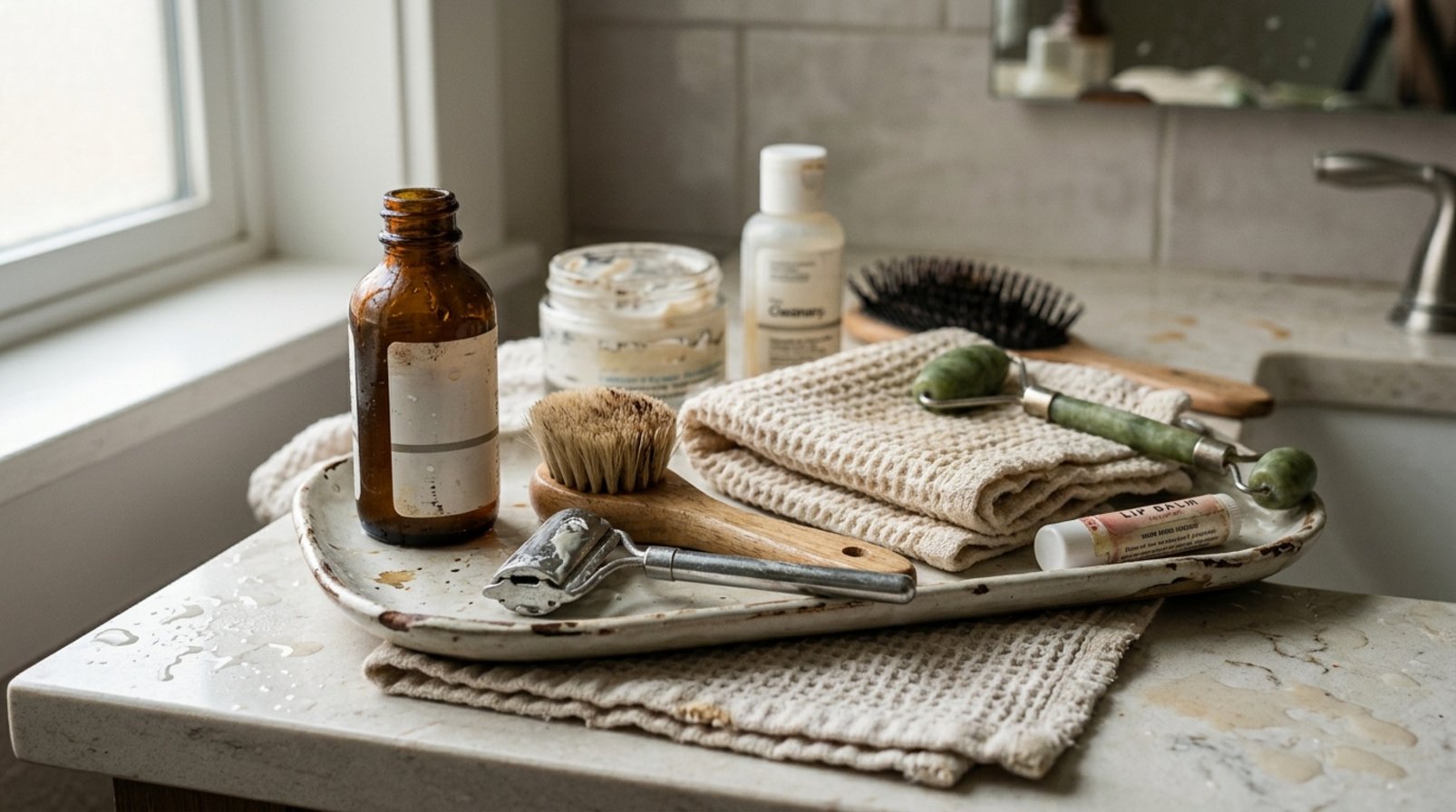
What we can learn from the more durable trends is that they do not try to shock; they try to become useful or easy to reuse. The Everymom shows that users tend to approach viral beauty products as a kind of pre-filter from the community: they try them because social media suggests them, but keep them because they genuinely fit. That is an important shift from “social proof” to “personal utility.”
On the fashion side, balletcore’s return is driven not only by aesthetics but also by a new cultural language centered on discipline, movement, and performance. When an aesthetic can connect with lifestyle inspiration, training, body expression, or personal style, it has a better chance of going beyond a pretty photo set. By contrast, controversial trends like those in the CafeMom or New York Post pieces often explode quickly but lack the ability to accumulate value, because viewers remember the discomfort more than any positive message.
Read more: 4 Content Marketing Trends from Hollywood, TikTok and F&B
Read more: Fox Buys Roku and KFC Repositions: Content Becomes an Ecosystem Play
This is the point marketers need to pay special attention to: on social media, “being attention-grabbing enough” is no longer a sustainable competitive advantage. The real advantage lies in the ability to turn attention into a specific behavior that can be repeated and does not erode trust in the brand.
A view for the Vietnamese market
The Vietnamese market usually adopts international trends very quickly, but it also reacts very quickly when a trend feels offensive, dangerous, or “too performative.” So the lesson is not about importing a TikTok trend wholesale, but about localizing it at the right level: aesthetics, usage context, and safety.
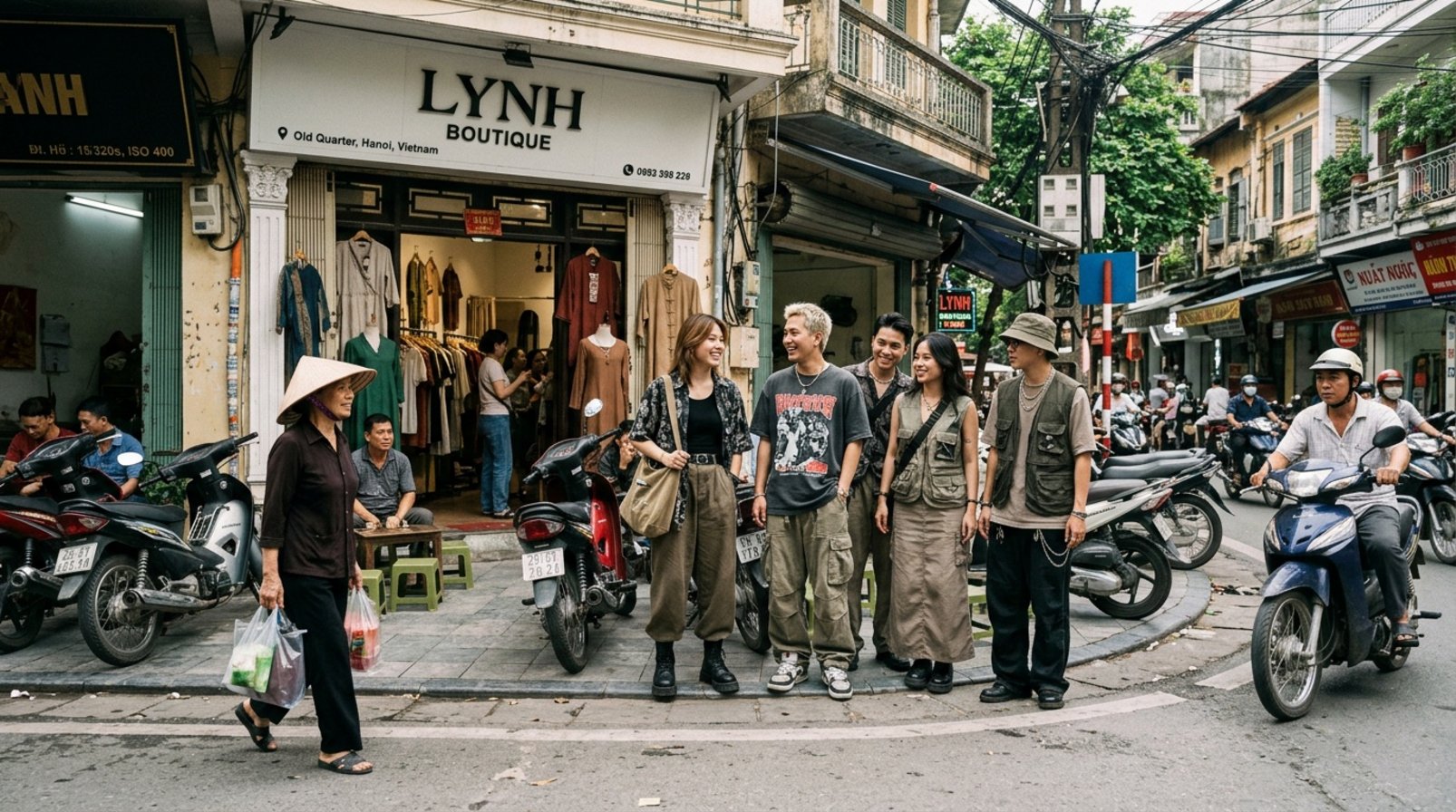
For industries such as fashion, beauty, and lifestyle, TikTok is still a highly effective place to test market response if brands understand that Vietnamese communities value practicality. Trends that benefit a brand are usually those that help users see a clear solution, inspiration, or personal identity. By contrast, content that encourages reckless behavior, sparks controversy, or breaks social norms may generate short-term reach but carries significant reputational risk.
In addition, Vietnamese marketers should note that a trend loved online may not suit every customer segment. A safer approach is to test at a small scale, observe real feedback, and then decide whether to expand. TikTok is a good environment for listening to market signals, but not every signal deserves amplification.
Three questions before joining a trend: useful, safe, on-brand
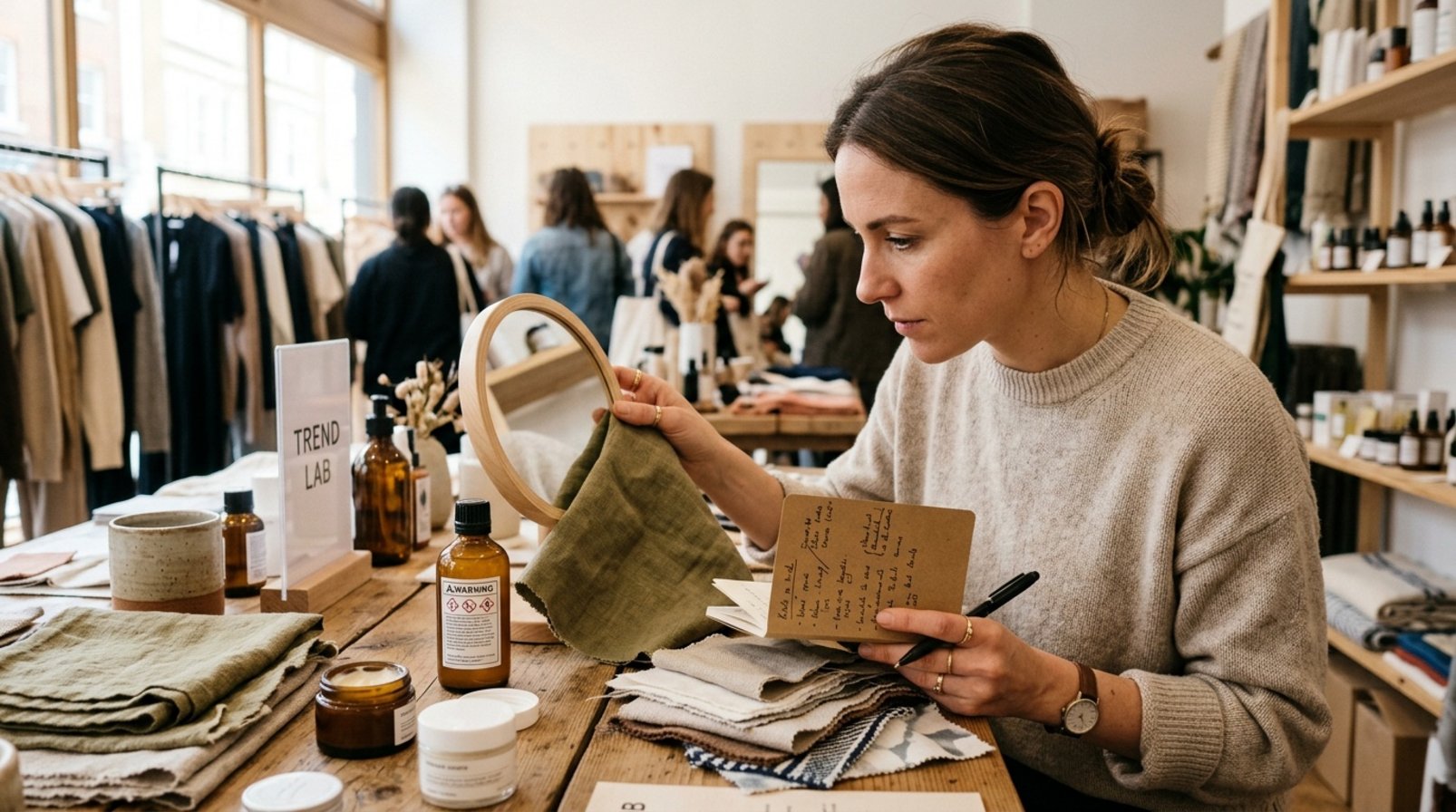
- Evaluate trends against three criteria before joining: are they useful, are they safe, and do they fit the brand position?
- Prioritize content that can turn into real behavior: trying a product, sharing experience, using it in a routine, or expressing personal style.
- Avoid jumping on trends just for reach; if a trend has provocative, offensive, or socially risky elements, the long-term brand cost is usually greater than the short-term benefit.
- Build an internal social listening process to identify which trends are moving from viral to sustainable, instead of reacting on instinct.
See more marketing analysis and guides at https://marketing365.vn.
Follow more analysis from Marketing365 to stay updated on the latest marketing trends.
Read more articles in the Digital Trends category.
This article focuses on TikTok trends with a perspective for the Vietnamese market.
References
- Who What Wear — This Viral TikTok Trend From 2022 Is Back And Better Than Ever
- The Everymom — 20+ Viral TikTok Beauty Products That Are Actually Worth the Hype
- New York Post — Frantic warning as ridiculous TikTok trend plagues LA-area homes
- CafeMom.com — Tori Roloff Pulled Her Daughter Away From Zach in a Viral Trend & the Comments Exploded
- Vogue Adria — Your skin will thank you for skipping this viral TikTok trend