Contents
- #RushTok and How Social Media Turns Recruitment Season Into an Attention Stage
- What Changes in How Brands Enter #RushTok — and What That Means for Marketing Teams
- #RushTok in Vietnam: the lesson is not the trend, but how you read the community
- Three Things Brands Need to Do to Avoid Getting Lost When Entering #RushTok
- Reference Sources
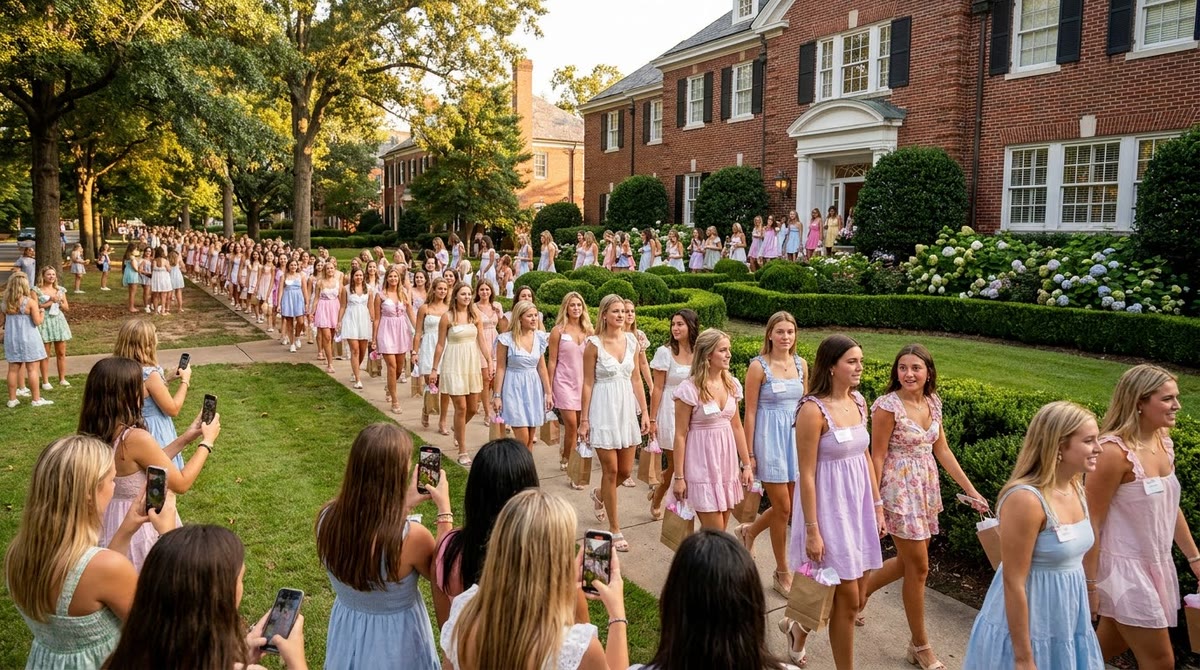
#RushTok is not just a hashtag that flares up during recruitment season. For marketers, it shows a very different kind of attention distribution: brands are no longer standing outside the community and watching, but trying to step into the exact rhythm of daily life that users create on the platform.
What matters is that #RushTok is compelling not because of advertising messages, but because of its “real” feel, its repetition, and its ability to pull viewers into a collective story. When a trend like this takes shape, brands have to learn how to show up without breaking the context.
- Key point:
- #RushTok is a clear example of how attention on social media is created by cultural rituals, not by messages brands impose on their own.
- Brands that want to enter trends like this have to respect the community’s context and storytelling rhythm, or they will be seen as forced hitchhikers.
- The real value is not in showing up often, but in whether the brand contributes anything to the story already unfolding.
- In Vietnam, the lesson is to choose the right community, the right timing, and the right role, instead of treating every trend as a sales opportunity.
#RushTok and How Social Media Turns Recruitment Season Into an Attention Stage
The Washington Post describes #RushTok as a familiar phenomenon since 2021, when content about the process of joining sororities at the University of Alabama spread rapidly on TikTok. Since then, the back-to-school period has not only been about enrollment or new-member selection, but also about a content season with its own structure, where viewers follow the story like a long-running series. The article Brands grab the #RushTok spotlight shows that brands see here not a single hashtag, but a cultural space with its own rhythm to join.
For marketers, the important detail is that #RushTok does not operate like traditional advertising. It lives on curiosity, the feeling of “getting a behind-the-scenes look,” and the belief that viewers are watching a real story from a real community. When a brand enters this space, the question is no longer just reach. The question is whether the brand is seen as part of the setting or just a foreign object squeezing in for engagement.
This matters a great deal for short-form video platforms in Vietnam, where trends often rise fast but also fade fast. A brand may have the budget, but it has no bargaining power if its content does not match the community’s language.
What Changes in How Brands Enter #RushTok — and What That Means for Marketing Teams
The point worth analyzing is not which brands appear, but how they have to change the way they participate so they do not damage the existing appeal of #RushTok. Based on The Washington Post’s article, brands are moving from a “buy a place” mindset to a “be granted permission by the community” mindset.
Community context: brands have to play a supporting role, not steal the lead
#RushTok grew because viewers care about the participants’ experience, not because brands tell their own story. So when a brand wants to show up, it has to understand that it is entering an existing story with rules set by the community. When a brand tries to turn the trend into a place to talk about the product first, viewers can easily tune out because the content loses its natural feel.
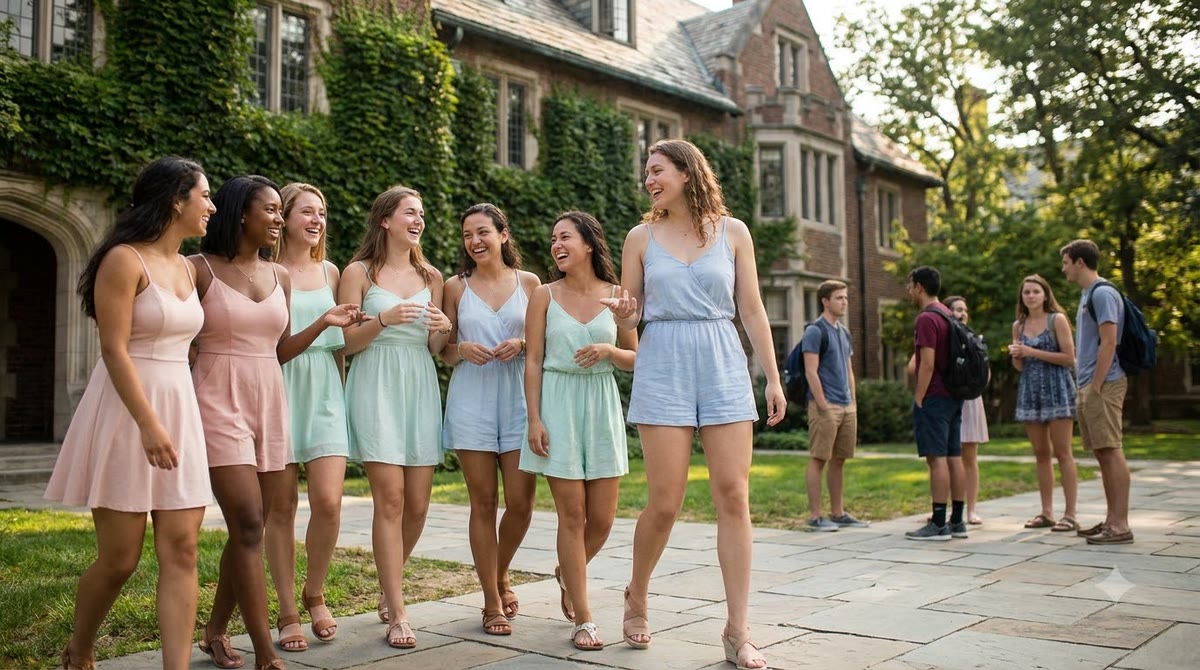
This directly affects how social and creator marketing teams brief content. Instead of asking “what should we say about the product,” the better question is “what can the brand add to the story users are already following?” The task shifts from broadcasting a message to blending into the context.
Attention power: it is no longer bought with reach, but with cultural fit
#RushTok shows that reach is not enough if viewers feel the content is out of sync with what they are watching. In a space like this, a brand can rise quickly but also be rejected just as fast if the advertising feel overwhelms the experience. This is where social media differs sharply from pure media buying: users do not just see the brand, they also judge its attitude when it enters the conversation.
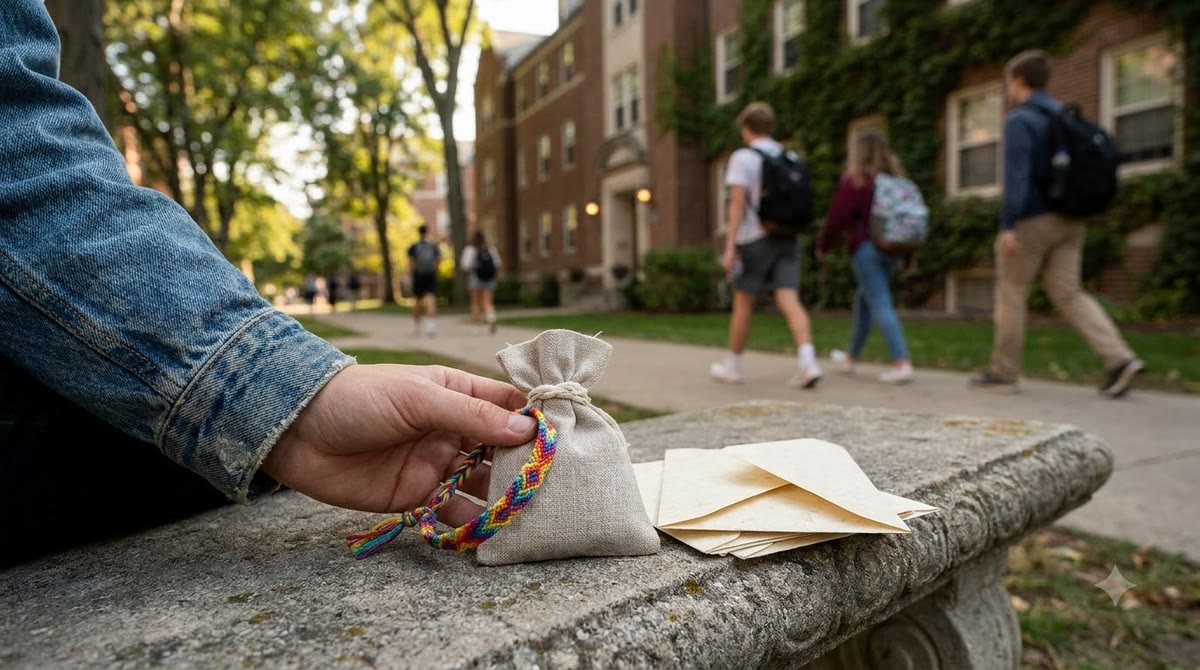
For Vietnamese marketers, this is especially important when running campaigns on TikTok, Instagram Reels, or student communities. A campaign may win on views but lose on perception if the brand lacks finesse in how it enters the trend. Cultural fit is becoming a mandatory cost, not a decorative detail.
Brand spotlight: the real value lies in being repeated
The Washington Post headline makes it clear that brands are trying to “grab the spotlight,” but spotlight on social media is not something you keep with a single appearance. It only has value if users are willing to repeat it, remix it, or connect it to a broader content stream. When a brand only appears in the frame, the effect is usually short-lived. When it becomes material for the next story, it truly has a place.

That is why social teams should measure performance by the quality of responses, the context of appearance, and how often others continue the story, not just by views. Social media is not only a distribution channel. It is an environment that lets culture filter which brands deserve to remain in the flow of attention.
#RushTok in Vietnam: the lesson is not the trend, but how you read the community
In Vietnam, #RushTok is not a formula that can be copied as-is. But the mechanism behind it is very familiar: students, young communities, and seasonal milestones always create stories with high viral potential on social media. If a brand only chases trends to “catch the wave,” it can easily end up showing up superficially, saying the right words but getting the culture wrong.
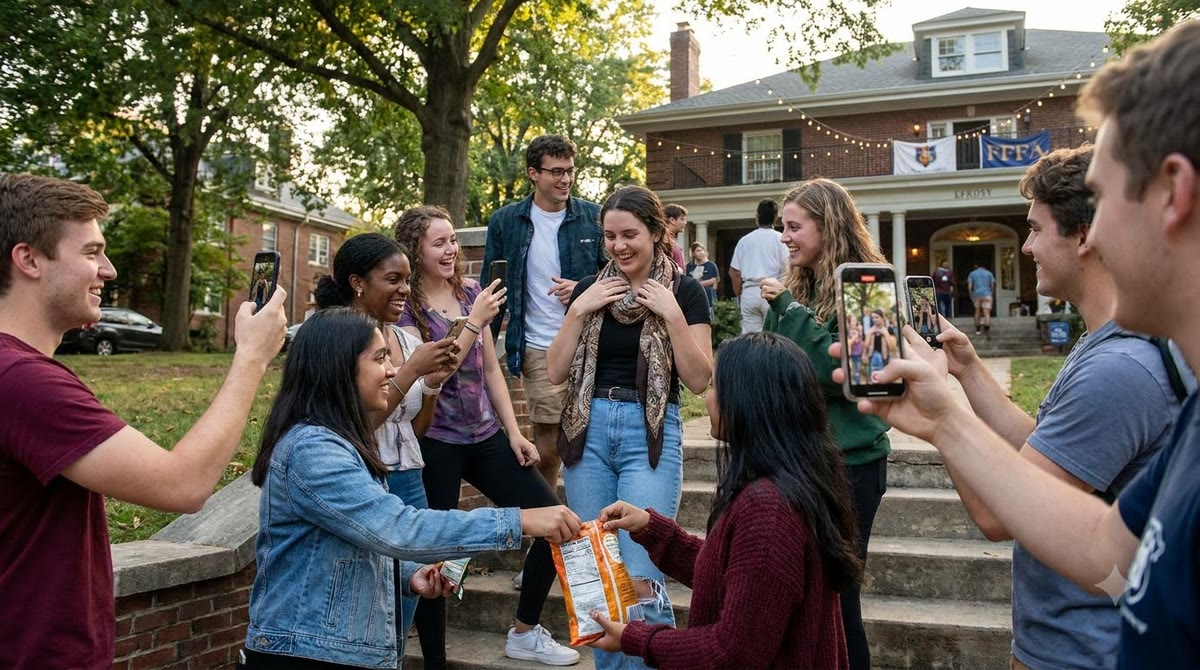
The practical lesson for Vietnamese marketers is to distinguish between a trend that can be leveraged and a community space that must be respected. For industries such as education, fashion, fast food, youth consumer goods, or services for Gen Z, taking the right role matters more than trying to appear everywhere. The best approach is often to create content that supports the community’s experience, or to make material the community can continue telling with, rather than pushing the product into the middle of the story.
In short, #RushTok reminds Vietnamese brands that social media increasingly looks more like a negotiation with the community than a media-buying board. Whoever understands the context gets attention. Whoever treats a trend like a place to put a logo will be easy to ignore.
Three Things Brands Need to Do to Avoid Getting Lost When Entering #RushTok
- Check whether the content you plan to post truly belongs to the community following the trend before thinking about reach.
- Design the brand’s role to support the story, not turn the story into a direct advertisement.
- Measure success by how often it is repeated, remixed, and felt by viewers, not just by views.
- For the Vietnamese market, choose communities with a clear language and daily rhythm, then try joining with a layer of content subtle enough not to break the context.
source: The Washington Post — Brands grab the #RushTok spotlight
See more marketing analysis and guides at https://marketing365.vn.
Follow more analysis articles from Marketing365 to stay updated on the latest marketing trends.
Read more articles in the Digital Trends category.