
Contents
- U.S. ecommerce rose nearly 10% in Q1/2026: a clearer sign of recovery
- B2B ecommerce is no longer a side game — it is becoming growth infrastructure
- Fraud in retail and ecommerce is pushing real costs up more than 5x
- Security and customer experience are becoming two sides of the same equation
- Poland is emerging as Europe’s new ecommerce gateway
- For social commerce to last, content and logistics must be seamless
- References
As of July 2026, digital commerce is accelerating on a clear condition: growth now arrives bundled with higher demands for experience, trust, and operational infrastructure. Rising US ecommerce, the digitization of B2B buying, escalating fraud costs, and the emergence of logistics hubs like Poland all point the same way – for brands selling through social channels in Vietnam, where funnels are short and expectations high, the winners will be those who make the experience seamless, secure, and scalable rather than those who simply chase traffic.
U.S. ecommerce rose nearly 10% in Q1/2026: a clearer sign of recovery
Digital Commerce 360 said U.S. ecommerce sales in Q1/2026 rose 9.7% year over year, nearly double the growth rate of total retail. This was the first time in more than a year that the online channel grew significantly faster than the overall market, while total retail rose 4.9% and offline sales increased 3.5%.
Notably, Q1/2026 was also the first time U.S. ecommerce sales surpassed $300 billion outside Q4. According to the source, this was the strongest Q1 growth for U.S. ecommerce since the pandemic-driven period in 2021. For marketers, that shows consumers are still willing to buy online when the value proposition is clear enough, the experience is smooth enough, and trust is high enough.
Source: Digital Commerce 360.
B2B ecommerce is no longer a side game — it is becoming growth infrastructure
DHL emphasized that B2B ecommerce is entering a new stage of development, driven by digital platforms, new buyer expectations, and the maturity of the global logistics ecosystem. In the past, business-to-business transactions often depended heavily on in-person meetings, phone calls, trade shows, and personal relationships. Today, the buying and selling process is shifting toward digital environments, where speed, data, and operational integration matter more.

The implication for marketing teams is clear: B2B content can no longer stop at brochures or feature introductions. Businesses need to build persuasive journeys at each stage, from identifying needs and comparing solutions to closing the deal and post-sale care, while also leveraging AI and automation to personalize the experience.
Source: DHL.
Fraud in retail and ecommerce is pushing real costs up more than 5x
According to LexisNexis Risk Solutions’ True Cost of Fraud 2026 study, cited by PR Newswire, every $1 in direct fraud losses can lead to more than $5 in total costs, equivalent to about $5.13 in the U.S. and $5.23 in Canada. This is the first time the ratio has exceeded $5 in both markets.

The report also found that 37% of retail and ecommerce organizations recorded significant revenue losses due to fraud. The key point is that fraud is not only a payment security issue; it also affects customer experience, operational resources, and buyer retention. In other words, a poorly optimized fraud prevention process can increase friction at checkout, while an overly loose one can drive up costs and risk.
Source: PR Newswire.
Security and customer experience are becoming two sides of the same equation
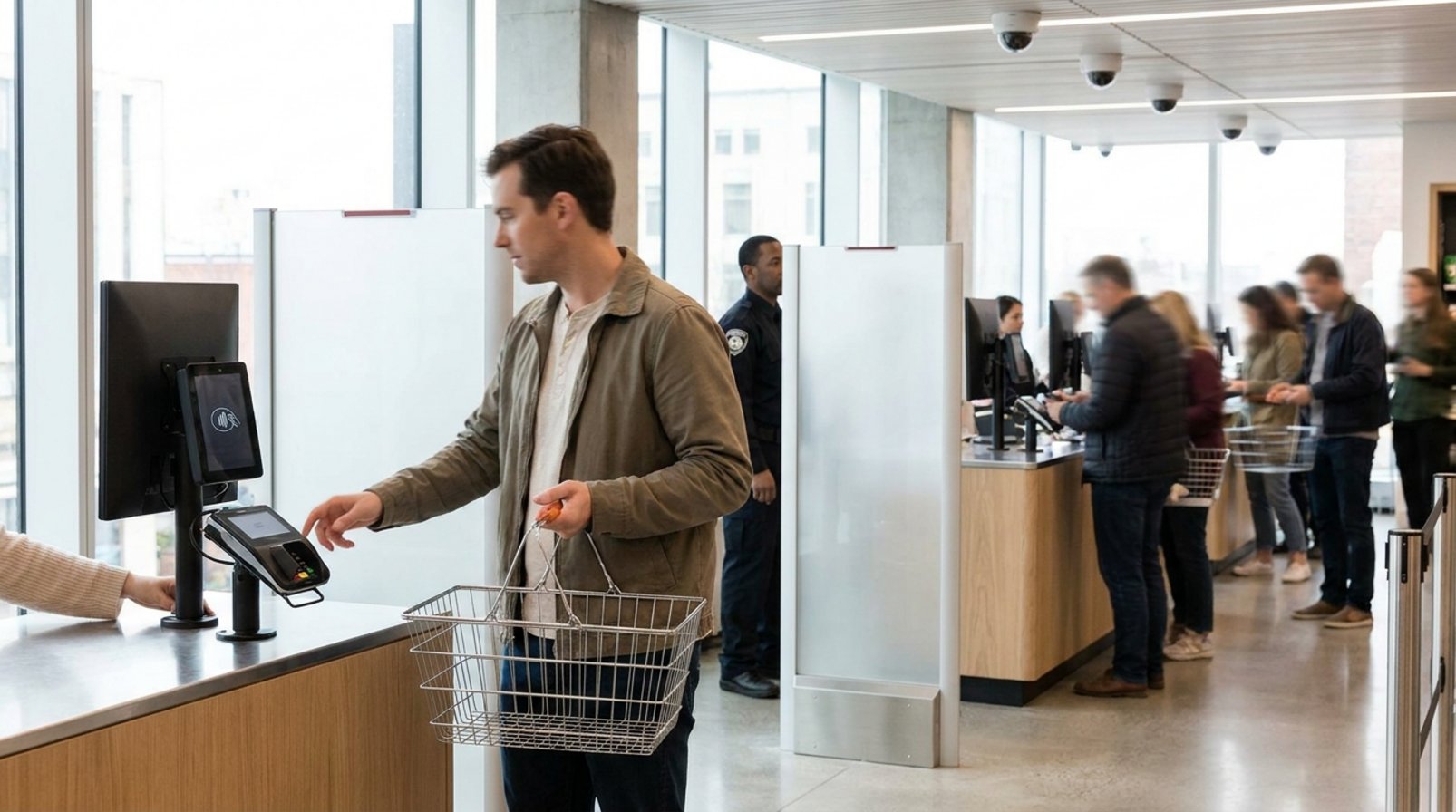
Mass Market Retailers, citing data from LexisNexis Risk Solutions, showed that the pressure comes not only from direct financial losses but also from the complexity of balancing risk control with a seamless shopping experience. As fraud costs rise, businesses tend to tighten verification layers. However, if they go too far, cart abandonment or checkout abandonment rates can also increase.
Read more: New Social Norms for AI: Why Trust, Not Speed, Wins in Content
Read more: When Social Commerce Enters the Ecosystem Era, Who Wins?
For marketers, this is a reminder that conversion growth cannot be separated from trust. Brands need close coordination across marketing, product, payments, and operations to ensure the message of “fast, convenient, secure” is not just a slogan but truly reflects the user experience.
Source: Mass Market Retailers.
Poland is emerging as Europe’s new ecommerce gateway
The Loadstar said Poland is strengthening its position as one of Europe’s major logistics hubs, making it an important gateway for international ecommerce. According to a cargo executive at LOT Polish Airlines, Poland’s appeal comes not only from consumer demand but mainly from its logistics ecosystem, warehousing, and highly skilled workforce.
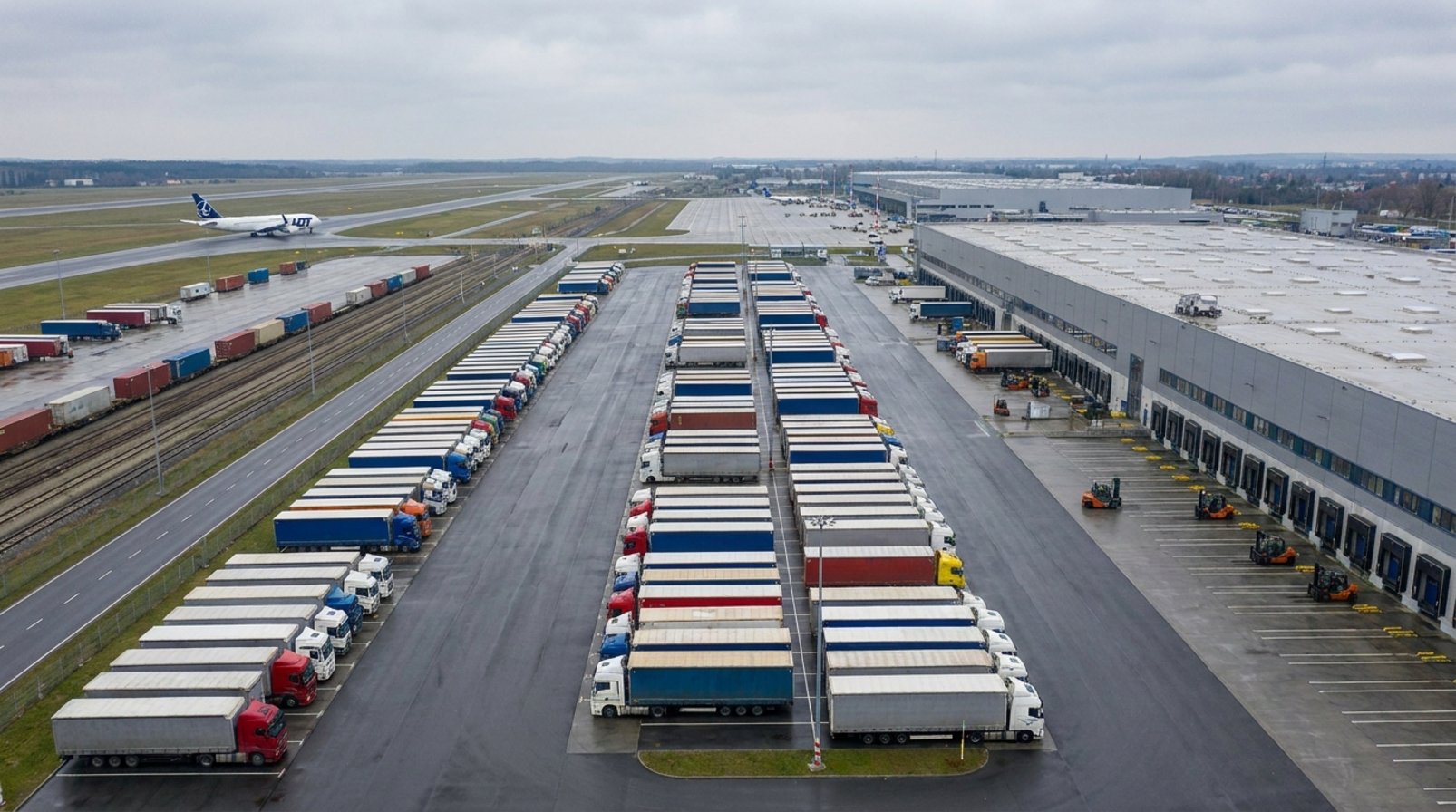
This points to an important trend: ecommerce growth is increasingly dependent on logistics capabilities rather than just advertising or price promotions. For cross-border brands, choosing the right transit point, warehousing setup, and delivery route can determine market expansion speed just as much as a communications campaign.
Source: The Loadstar.
For social commerce to last, content and logistics must be seamless
The five stories above point to one common denominator: digital commerce growth is coming with higher demands for experience, trust, and operational infrastructure. In Vietnam, this is especially important for brands selling on social media, where conversion funnels are often short, purchase decisions are fast, and customer expectations are increasingly demanding.

Three practical takeaways stand out: first, social content should not only drive engagement but also clearly lead to purchase actions. Second, businesses need to invest seriously in trust, from payment verification to post-sale care. Third, if you are aiming for long-term growth, treat logistics and fulfillment as part of your marketing strategy, not as a separate back-office function.
In short, social commerce trends and global ecommerce are converging on one point: the brand that can deliver a seamless, secure, and scalable experience will have a more durable competitive advantage.
Explore more marketing analysis and playbooks at Marketing365.
Read more articles in the same category Digital Trends.
References
- Ecommerce sales growth reaches nearly 10% in Q1 2026
- B2B E-Commerce: What’s Next?
- Retail and Ecommerce Companies Face More Than $5 in Costs for Every $1 Lost to Fraud Amid Rising Complexity and Customer Experience Pressures
- Retail and Ecommerce companies lose over $5 in costs for every $1 lost to fraud
- Poland starts to make its presence felt as an ecommerce gateway