
Contents
Social media is moving from a role as a place where brands “show up” to a place where they operate revenue. As e-commerce businesses standardize identity, expand omnichannel shopping models, and look for ways to connect online and offline behavior, Vietnamese marketers can no longer think only about views or engagement. The question worth analyzing now is: how do you turn social media into a layer of infrastructure that helps a brand be recognized, bought, and remembered?
Key points
- Social media is no longer a separate communications channel; it is being absorbed into the entire digital commerce value chain.
- Brand identity, shopping experience, and customer retention mechanisms increasingly need to be designed consistently across online and offline.
- Businesses that can manage an ecosystem of touchpoints across multiple channels will have a clearer advantage than those using social only to generate reach.
- For the Vietnamese market, the question is not “should we invest in social media?” but how to invest in connecting data, commerce, and loyalty.
Commerce and social are merging in substance, not just format
Looking at three recent developments, it is clear that social media and e-commerce are moving closer together in substance. Rokt became the first e-commerce technology company to standardize a Pantone brand color, showing that visual identity has been elevated into a strategic asset rather than a mere design detail. Meanwhile, Bero – the non-alcoholic beer brand – grew DTC through an omnichannel loyalty program, where customers can earn points whether they buy on Amazon, Target, or in physical stores. In another example, Reuters reported that India is easing investment rules for e-commerce to enable companies to sell directly from domestic sellers into export markets, meaning the digital game continues to expand beyond a single sales channel.
The common thread in these signals is this: brands are no longer judged only by how visible they are on social, but by their ability to turn every touchpoint into a unified system. Social media therefore no longer stands alone as a “content channel”; it becomes the link between brand image, buying behavior, and customer data. Whether the starting point is a PR story about identity, a loyalty article, or an e-commerce policy change, all of them point to the same reality: the winner is the one who makes the experience more seamless, not the one who posts more.
Why identity now has to go hand in hand with conversion systems
Rokt’s decision to standardize a Pantone color is not just a matter of aesthetics; it signals that digital brands need extremely high consistency to be remembered quickly in a crowded competitive environment. When an e-commerce technology brand treats color as a standardized asset, it is saying that every touchpoint – from interface, advertising, and social content to the shopping experience – needs to speak the same visual language. This is especially important on social media, where users scroll quickly and decide what to notice within seconds.

Bero shows another side of the same issue: strong identity alone is not enough; a brand also needs a mechanism to keep users coming back. Its loyalty program works across channels, allowing customers to shop in multiple places while still accumulating value in one central system. When this connection is well designed, social media does not just generate “likes” but becomes a channel that amplifies a system of rewards, habits, and community. For marketers, the lesson is this: if social stops at content, the brand will be weak; if social is connected to CRM, commerce, and loyalty, it can truly create business value.
The advantage is shifting to brands that control the omnichannel journey
The report on Bero shows that a shopper can start on Amazon, buy at Target, or purchase directly, yet still remain within the same customer journey. This is a major difference from the old mindset, where each channel was often treated as a separate “island.” Once the journey becomes multi-touchpoint, social media becomes the place where demand is created and reactivated, but conversion depends on the ability to synchronize data and offers across channels.
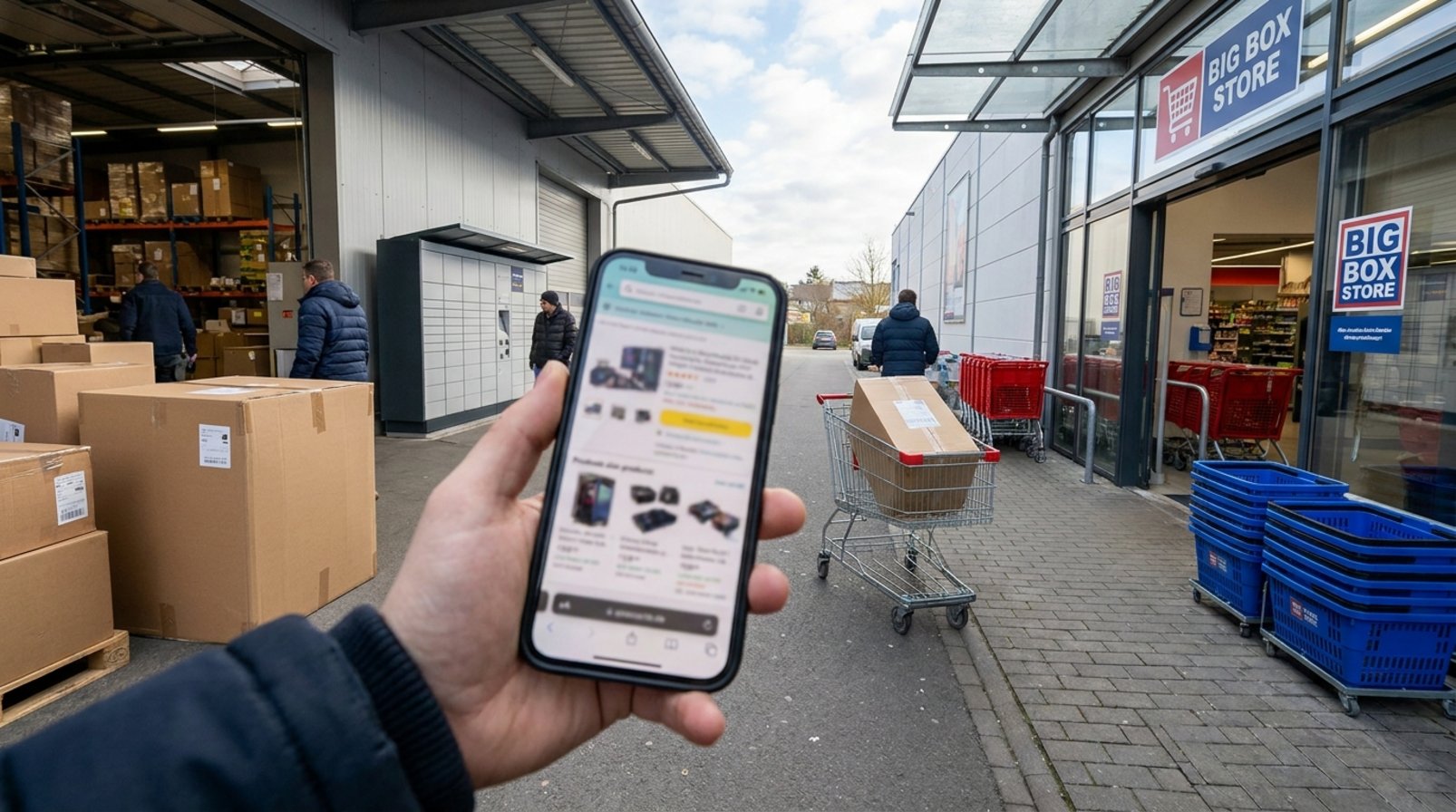
Reuters’ report on India easing e-commerce rules for exports reinforces this point at the market level: digital commerce players are being given more room to connect supply, sales channels, and destination markets more flexibly. That means the advantage does not lie in a single social tactic, but in the ability to coordinate content, operations, logistics, and cross-border commerce. Brands that control the omnichannel journey will be better positioned to use social as a demand starter, rather than as the only place where orders are closed.
A view for the Vietnamese market
Read more: BlueConic Acquires Blueshift: CDPs Enter the AI Action Era
In Vietnam, social media is already a shopping habit for users, but many businesses still operate in the “post content – run ads – wait for inboxes” mode. The three developments above are a reminder that this model is quickly becoming outdated. If a brand does not yet have a sufficiently consistent identity, does not have a mechanism to recognize customers across channels, and has not connected social with sales platforms or post-purchase care, then social performance will remain limited to the surface level.
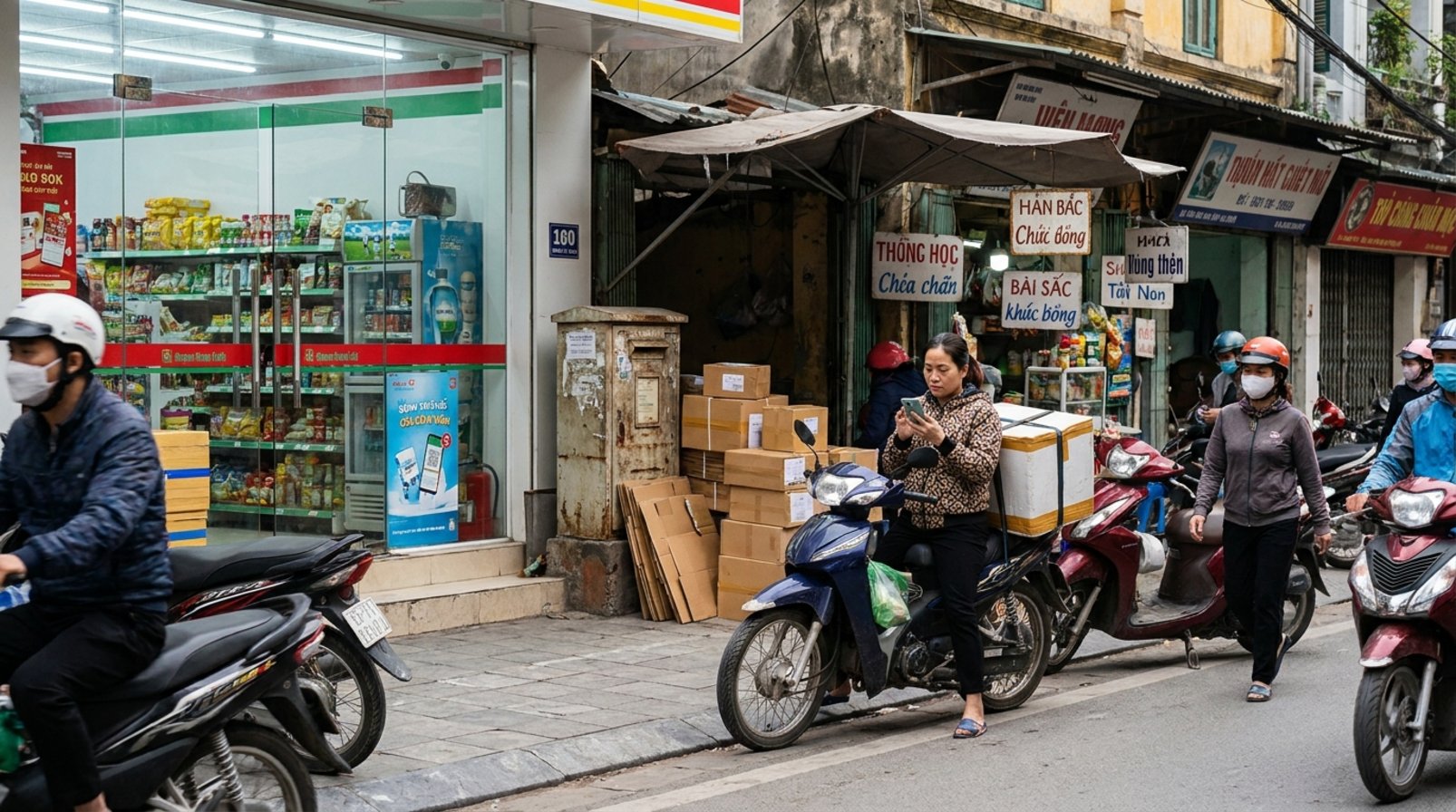
What stands out is that the Vietnamese market has an advantage in how quickly it can test on social, but it is also easy to fall into the short-term trap: optimizing for engagement instead of customer lifetime value. The lesson from Rokt and Bero is that marketers need to see social media as part of the brand and commerce architecture, not as a “secondary content channel.” And the lesson from Reuters is that changes in the business environment can open opportunities for new distribution, export, or platform partnership models. Whoever designs an ecosystem connecting social, commerce, and loyalty early will have the advantage.
What should be done now

- Review the social identity system: color, typography, content format, and shopping experience must be consistent at every touchpoint.
- Design or upgrade a loyalty mechanism linked to social/CRM so customers can earn points, receive offers, and return to buy across multiple channels.
- Measure social with metrics closer to revenue, such as conversion rate, customer lifetime value, and repeat purchase rate, instead of looking only at reach or engagement.
- Connect the social team with e-commerce, operations, and customer care so the journey from viewing content to purchasing is not interrupted.
See more marketing analysis and guides at https://marketing365.vn.
Follow more analysis from Marketing365 to stay updated on the latest marketing trends.
Read more articles in the same category Digital Trends.
This article focuses on social commerce with a perspective for the Vietnamese market.
References
- PR Newswire — ROKT BECOMES FIRST ECOMMERCE TECHNOLOGY COMPANY TO STANDARDIZE A PANTONE BRAND COLOR
- Reuters — India relaxes e-commerce investment rules for exports in win for Amazon
- Digital Commerce 360 — Bero grows DTC ecommerce through omnichannel loyalty program
- Retail Dive — J. Crew hires former Walmart e-commerce exec
- Yahoo Finance — E-Commerce Update – Accelerating Growth Transforming Global Fulfillment Services