
Contents
- ARC turns a nonprofit story into a comedy-driven social series
- Shama Hyder and the wave of marketers learning to work with AI
- World Cup 2026 and the question: are diversity messages received the same way on social media?
- MAD//Fest 2026: AI, extremism, and changes in marketing measurement
- Social media is shifting toward identity and clear positions
- References
Social media is entering a phase where entertainment, brand identity, and social responsibility are more tightly intertwined than ever. From a nonprofit using a comedy series to tell a reintegration story, to debates over diversity and inclusion in football and new warnings around AI, this is a compelling picture for Vietnamese marketers because it shows that good content not only needs to be eye-catching, but also needs a clear perspective and purpose.
Key points
- Many brands and organizations are shifting to a social series model to retain audiences through long-form storytelling.
- AI continues to be a focal point in marketing thinking, but it also comes with higher demands for strategy, data, and adaptation.
- Messages about diversity and inclusion on social media are not always received in the same way.
- For the Vietnamese market, social teams need to balance creativity, authenticity, and the ability to build community around content.
ARC turns a nonprofit story into a comedy-driven social series
In Marketing Brew’s article, the Anti-Recidivism Coalition (ARC) shows a very different approach to content from the traditional view of nonprofit communications. Instead of relying only on serious messages about community reintegration, ARC’s social team built a recurring series called Formerly Incarcerated Office, using humor to tell stories about the organization’s work and people.
What makes this approach notable is that it does not trivialize the issue; instead, it uses humor as an “entry point” to break down stereotypes. For brands, the lesson is that serializing content can create stronger viewing habits than a single post. Once audiences get used to the storytelling rhythm, they return for the characters, setting, and tone, not just for a call to action.
The second strength is that ARC shows a nonprofit can still build a clear, relatable, and highly entertaining content identity without losing its core social mission. In other words, social media is not just a place to “broadcast news,” but also a place to shape how the public perceives a mission.
Source: Marketing Brew
Shama Hyder and the wave of marketers learning to work with AI
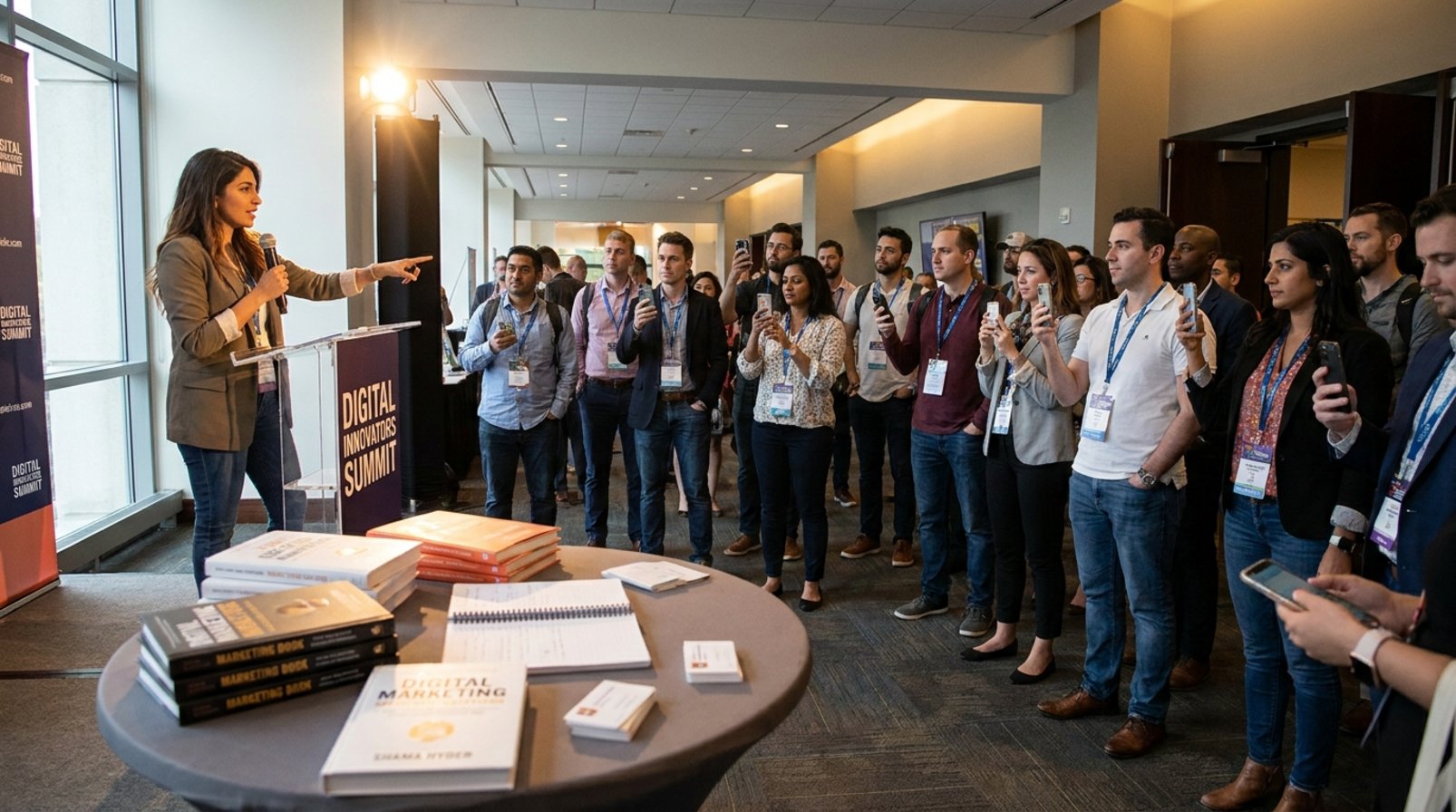
TIME included Shama Hyder in the TIME100 Creators 2026 list as a standout figure in digital marketing. With more than 15 years in the industry, from building Zen Media to sharing knowledge on LinkedIn and Substack, Hyder represents the group of experts shifting from “running campaigns” to “designing knowledge ecosystems” for brands.

What stands out in this story is not only the personal achievement, but also the new focus Hyder is pursuing: how to succeed in the AI era. That reflects the reality many Vietnamese marketers are also facing: AI tools can support content creation, trend analysis, and operational optimization, but they cannot replace strategic thinking or community-building capability.
From a social media perspective, the rise of experts like Hyder highlights the importance of thought leadership. Marketers do not just need to show up on social platforms; they also need a consistent point of view, the ability to explain complex issues in simple terms, and a presence that is sustained enough to build trust.
Source: TIME
World Cup 2026 and the question: are diversity messages received the same way on social media?
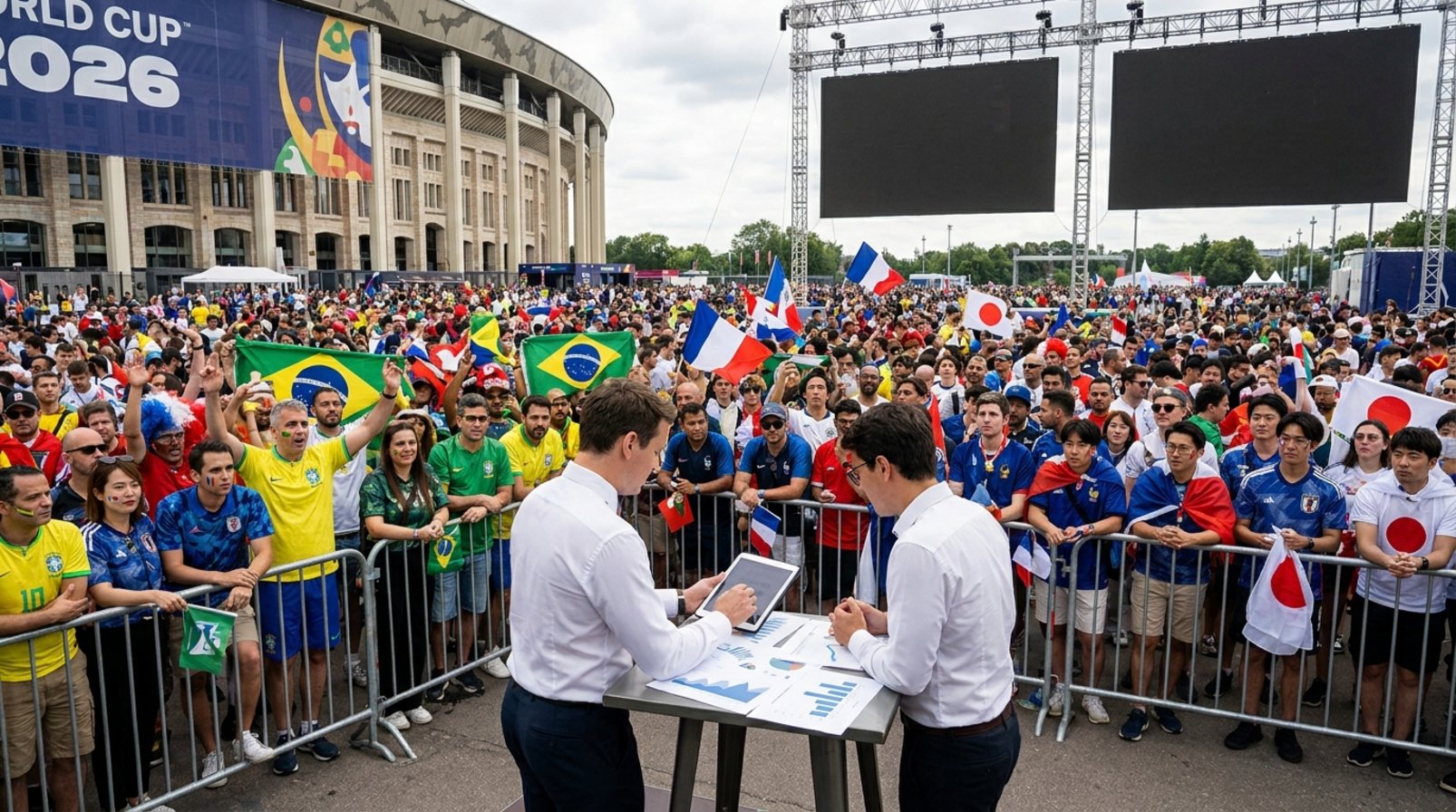
The Conversation raises a very practical question for sports communicators and global brands: when posts about diversity and inclusion appear, how does the online community respond? An analysis of thousands of posts shows that the answer is not simply “support” or “opposition,” but depends on the specific type of diversity being referenced and the surrounding media context.
This is especially notable in the context of FIFA positioning World Cup 2026 as a symbol of unity, diversity, and inclusion. But even when the message is positive, social media reactions can still be sharply divided. For marketers, this is a reminder that campaigns tied to social values need more careful preparation in terms of storytelling framework, context-setting, and community management responses.
The lesson here is not to avoid talking about diversity, but to understand that social media users do not receive every topic in the same way. An effective message needs to fit the culture, public sentiment, and the community’s level of readiness at a given moment.
Read more: World Cup 2026 Is Rewriting the Rules of Sports Marketing
Source: The Conversation
MAD//Fest 2026: AI, extremism, and changes in marketing measurement
Performance Marketing World summarized five notable points from MAD//Fest 2026, with AI, extremism, and shifting metrics emerging as the standout themes. Although the article focuses on performance marketing, these observations are still directly relevant to social media because the two fields are increasingly overlapping in data, content distribution, and performance evaluation.
The core point is that marketers are working in an environment where old metrics are no longer enough to reflect true value. Surface-level engagement may not equal long-term brand impact; conversely, a piece of content may generate less “noise” but build greater trust or a higher-quality community. The growing presence of AI makes reading data correctly an essential skill, rather than just an advantage.
The practical lesson for social teams is to connect content to clearer objectives: awareness, community nurturing, conversion support, or expert positioning. When the goal is clearly defined, choosing formats, KPIs, and platforms becomes less subjective.
Source: Performance Marketing World
Social media is shifting toward identity and clear positions
These four stories show that social media in 2026 is no longer about posting consistently or chasing short-term trends. Audiences increasingly expect content with identity, storytelling, and a clear stance. This opens up opportunities for Vietnamese brands, especially businesses that want to build loyal communities rather than simply buy reach.

For Vietnamese marketers, there are three directions worth noting. First, consider a serialized content model if you want to keep viewers engaged for longer. Second, use AI as an acceleration tool, not a replacement for strategy. Third, when discussing social values such as diversity, inclusion, or community responsibility, prepare the context and interaction response carefully.
In short, social media is shifting from a “posting channel” to a “relationship-building space.” Those who can master storytelling, understand communities, and read data correctly will have a clear advantage.
See more marketing news and guides at https://marketing365.vn.
Follow more updates from Marketing365 to stay on top of the latest marketing trends.
Read more articles in the Digital Trends category.
References
- Marketing Brew — How the Anti-Recidivism Coalition brought social series to the nonprofit world
- Time Magazine — Shama Hyder
- The Conversation — World Cup 2026: how are posts on diversity and inclusion being received on social media?
- Performance Marketing World — Extremism, AI, and shifting metrics: 5 key takeaways from MAD//Fest 2026