
Contents
- LinkedIn, AI slop, and the social media game is shifting from “posting” to “being distributed”
- The changes on LinkedIn are forcing marketing teams to work differently
- Looking closer: out-of-network reach and moderation standards are changing the role of social teams
- LinkedIn in the Vietnamese context: the opportunity is not in using more AI
- What to do on LinkedIn so content goes beyond the old network
- References
LinkedIn is showing something that many social teams in Vietnam will also have to face: content no longer just needs to “get published,” but must pass quality scrutiny, collaborate the right way, and prove it can reach people beyond the existing audience. As the platform tightens AI-generated content and simultaneously opens new distribution mechanisms, marketers cannot keep the old workflow and expect reach to grow on its own.
What is notable is that two seemingly different developments are moving in the same direction. On one side, LinkedIn is reducing distribution for content seen as AI slop; on the other, collaborative posts, creator marketplace, and a new metric for out-of-network reach are being pushed as pieces of the same content operating system. In other words, social media is shifting from a race to post more to a race to build content that is controlled, collaborative, and clearly traceable in distribution.
Key points
- LinkedIn is tightening low-quality AI content and limiting how far it can spread.
- Collaborative posts, creator marketplace, and out-of-network reach make it clear that reach is no longer measured only by an existing network.
- Marketers must change their workflow: moderation, collaboration, and distribution measurement are now mandatory, not optional.
- For the Vietnamese market, the issue is not just using AI for speed, but preserving an authentic voice and distribution potential.
LinkedIn, AI slop, and the social media game is shifting from “posting” to “being distributed”
Two sources point to the same direction: social media is being re-evaluated by output quality and the ability to spread beyond familiar audiences. The analysis by Social Media Examiner shows LinkedIn handling AI slop by lowering the distribution of posts that lack a clear perspective. Meanwhile, the article from Sacramento City Express shows that even workshops for local businesses are emphasizing brand building, content creation, and using social media to connect with customers in a more practical way, not just to “be present online.”
From these two data points, one very important thing is clear for marketers: platforms and user communities are both leaning toward content that is useful, has its own voice, and serves a specific purpose. Content mass-produced by AI but lacking a point of view will increasingly struggle to survive, because it does not create a strong enough reason for the platform to push it further or for viewers to stop and read.
The changes on LinkedIn are forcing marketing teams to work differently
Three pieces that stand out on LinkedIn are how the platform handles AI-generated content, collaborative posts, and creator marketplace. All of them are mentioned in the article by Social Media Examiner. These are not isolated features to try for fun. They are signals that LinkedIn wants better content, more collaboration, and easier measurement of how far content spreads beyond the network.
AI slop: content teams must increase moderation before publishing
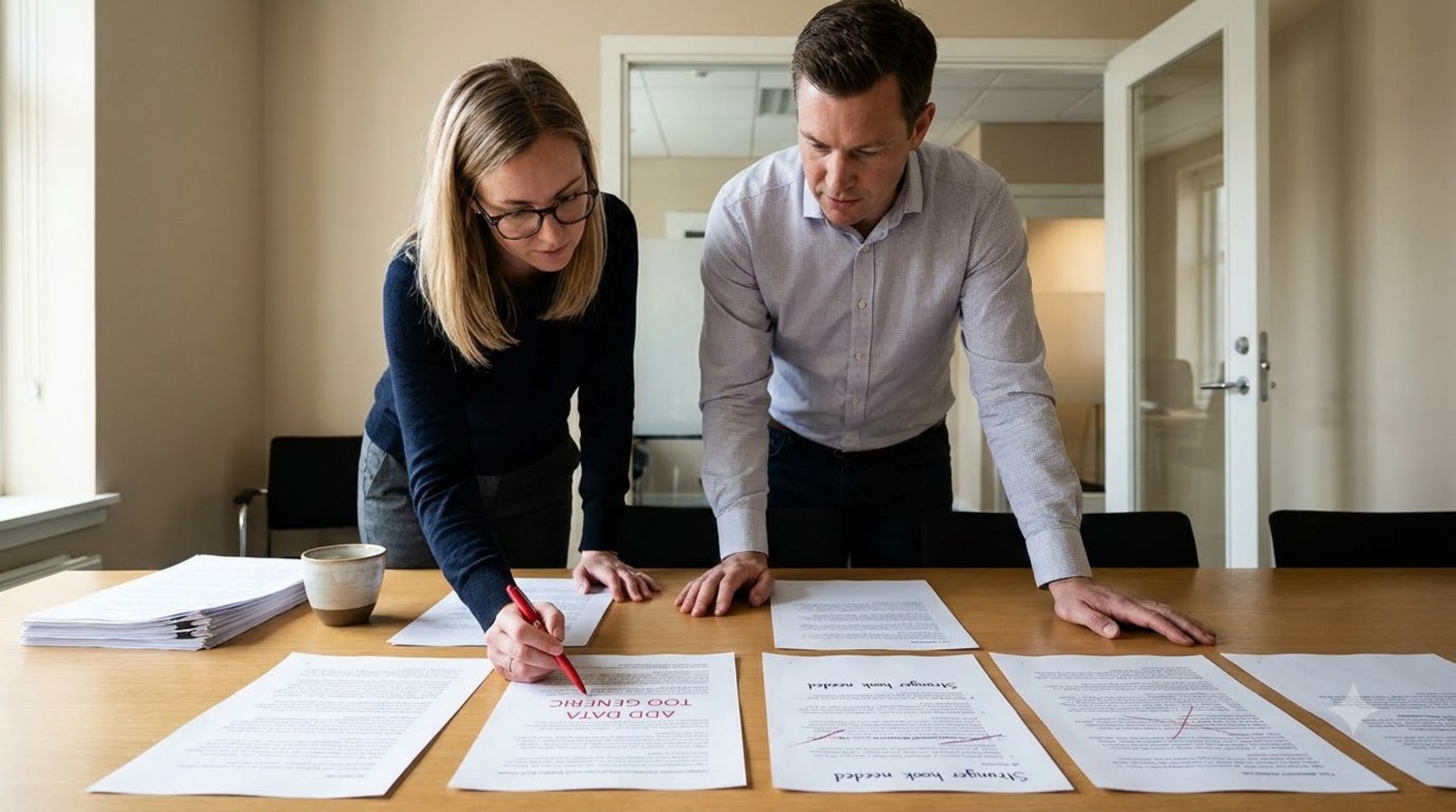
LinkedIn is reducing distribution for content seen as AI slop, meaning content that feels machine-made, lacks perspective, and offers no clear value. This means marketing teams cannot simply “feed in a prompt and publish.” The workflow needs a review step, trimming generic lines, adding real experience, and checking whether the post says something competitors have not already said. Source: Social Media Examiner.
Collaborative posts: social is no longer the job of one writer
Collaborative posts show that content on LinkedIn is moving closer to a co-creation model. For marketers, this brings a shift in roles: the content lead must coordinate with sales, internal experts, customers, or creators so the post has greater credibility. This is a way to add real perspective and reduce the feeling of a “self-promotional press release.” In the same vein, the workshop from Sacramento City Express also emphasizes brand building and customer connection, meaning effective social media is always tied to real operational capability, not just a posting calendar.

Creator marketplace: buy the right reach instead of buying more posts
Creator marketplace shows that businesses can approach creators as part of the content distribution system. In practical terms, social budgets may need to shift from “more posts” to “the right storyteller.” For marketing teams, this is a major change in how partners are chosen: not just by follower count, but by the ability to create content with a voice that fits the industry, audience, and brand goals. The article by Social Media Examiner places creator marketplace alongside the out-of-network reach metric, showing that the platform is encouraging this approach as part of its distribution strategy.
Looking closer: out-of-network reach and moderation standards are changing the role of social teams
The two sources above point to a common mechanism: content is no longer judged mainly by whether it appears consistently, but by whether it can move beyond its existing audience and has enough quality to be pushed further. This is when the social team must shift from “people who post” to “managers of distribution quality.”
Out-of-network reach: a new KPI forcing teams to understand distribution instead of just impressions
Read more: Content Marketing Is Shifting to Distribution Logic
Read more: AI Tightens Regulation in the US and the UN Speaks Up: What Marketers Need to Know
The article by Social Media Examiner mentions a new metric that shows whether content reaches beyond the existing network. This is a very important signal because it forces marketers to think differently: reach is no longer an abstract number in a dashboard, but proof that content is fresh enough, relevant enough, and worth recommending to strangers. When this metric matters more, teams need to prepare content with a clear awareness of audiences outside the familiar circle.

AI content moderation: the editorial process becomes the first barrier
LinkedIn’s crackdown on AI slop is not just to clean up the feed, but to prioritize content with a point of view and real usefulness. This increases the importance of editing. Marketing teams need a clear checklist: does the opening hook the reader, are the examples specific, are the arguments verifiable, and does the AI-assisted part reveal any machine-like traces? The article by Social Media Examiner shows that if this step is skipped, content can easily get stuck within its own small network.
LinkedIn in the Vietnamese context: the opportunity is not in using more AI
For Vietnamese marketers, the issue is not only what LinkedIn is doing, but how social media thinking needs to change in response. The lessons from Social Media Examiner and Sacramento City Express meet at one point: social only has value when it helps a business connect genuinely with real people, not just create the feeling of constant activity.
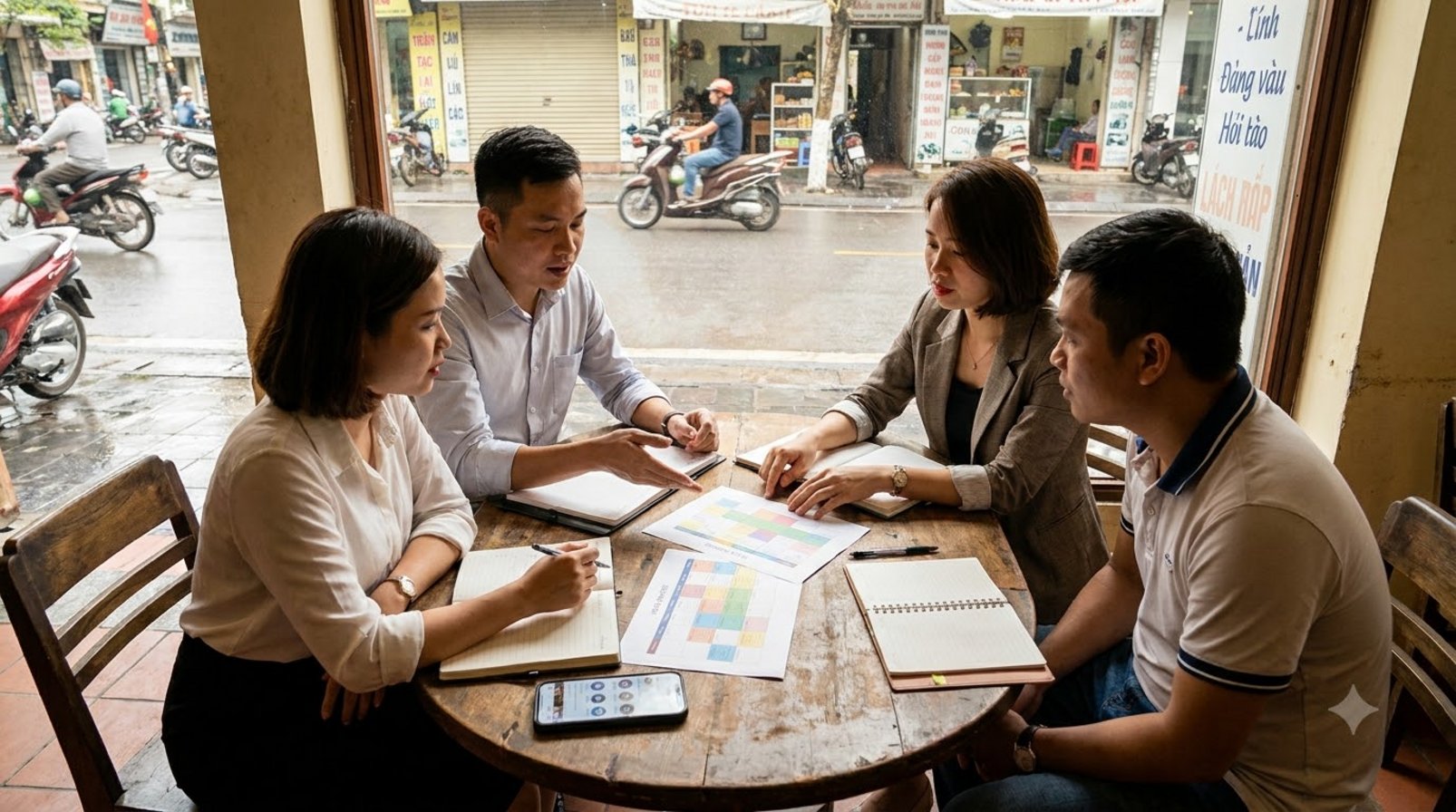
In Vietnam, many marketing teams are still used to measuring social by posting frequency, likes, and subjective impressions. But as platforms increasingly crack down on mass-produced content, that approach can create many posts with little effect. On LinkedIn, especially in B2B, marketers should prioritize three things: keep a clear point of view, involve real people in the content, and measure how far it travels beyond the current audience. This is how AI does not become a copying machine and social does not become a warehouse of anonymous posts.
What to do on LinkedIn so content goes beyond the old network
- Review the AI content approval process. Any content lacking a real perspective should be revised before publishing.
- Choose creators or internal experts for collaborative posts when credibility needs to be increased.
- Set goals based on the ability to reach beyond the network, not just impressions or followers.
- For the Vietnamese market, prioritize posts with real examples, real experience, and advice that can be used immediately.
In short, LinkedIn is sending a clear signal: social media will reward content with editorial quality, collaboration, and the ability to expand its audience. Any marketer who still thinks AI is only for working faster will soon get stuck with output that is very close to themselves.
See more marketing analysis and guides at https://marketing365.vn.
Follow more analysis from Marketing365 to stay updated on the latest marketing trends.
Read more articles in the Digital Trends category.
This article focuses on LinkedIn and content distribution workflow with a perspective for the Vietnamese market.
References
- Social Media Examiner — The New LinkedIn Content Playbook: AI, Collaboration, Creator Marketplace, and Out-of-Network Reach
- Sacramento City Express — Free marketing and social media workshop for Sacramento hospitality and nightlife businesses