
Contents
- When a post can turn into a brand crisis
- The battle for brand presence around major sporting events
- Real-time marketing: move fast on trends, but with a goal
- B2B SaaS cannot just chase likes
- TikTok agencies and the challenge of turning views into real results
- Social media only has an edge when speed goes with discipline
- Document the approval path and the crisis scenario
- Reference sources
As of July 2026, social media has become the arena where brand reputation is made or broken fastest — one slip can spark a crisis, while a well-timed campaign can drive real growth. For Vietnamese marketers, this year’s biggest cases share one lesson: in the same digital environment, discipline and process decide whether speed becomes an advantage or a liability.
As social media increasingly shapes how brands are perceived, a single slip-up or a well-timed trend-driven campaign can create major media impact. For Vietnamese marketers, these stories show that in the same digital environment: without context and process, brands can easily face crises; but when timing and execution are handled well, social media remains a significant growth lever.
Key points
- Brands on social media can easily backfire if they post faster than the review process and misread the context.
- Disputes over sponsorship rights and ambush marketing show that the battle for brand presence is not only about paid advertising, but also about how stories are told around major events.
- Real-time marketing and TikTok still create growth opportunities, but they are only effective when tied to clear business goals.
- For Vietnamese businesses, the core lesson is to combine speed, data, brand discipline, and agile response capabilities.
When a post can turn into a brand crisis
Business.com’s article reminds readers of a familiar but timeless reality: social media mistakes often happen when brands rush too quickly to follow trends or fail to put the audience and context first. Just one off-tone piece of content, a post at the wrong time, or a missed review step can quickly lead to screenshots, resharing, and a much larger public debate.
The notable point is that social media does not allow mistakes to simply “sink” the way many traditional channels do. Once content is live, it can keep spreading even after it has been deleted. So the message here is not just “be more careful,” but to build a publishing process with review layers, response mechanisms, and tools to monitor brand mentions in real time. Business.com also suggests using CRM solutions integrated with social listening to better understand customer sentiment and respond faster. Source: Business.com, “8 Cringey Brand Fails on Social Media”.
The battle for brand presence around major sporting events
In Morgan Lewis’s analysis, the competition is not only on the pitch but also around brand visibility at the World Cup. Official sponsors pay very large sums for the right to be formally associated with the tournament, while FIFA tightens its “clean-stadium” and “clean-zone” policies to protect the value of that exclusivity.

However, this very tight control also opens the door to a kind of “unplanned media”: images of covered logos or blurred signage can create viral effects for non-sponsoring brands. This shows that the line between protecting sponsorship rights and leveraging media attention is becoming increasingly thin. For marketers, the lesson is not only to comply with legal and sponsorship agreements, but also to understand how the public interprets brand imagery in major event contexts. Source: Morgan Lewis, “Brand Battle: Ambush Marketing and World Cup Sponsor Rights”.
Real-time marketing: move fast on trends, but with a goal
The Grupo Lala case is mentioned as an example of how brands can capitalize on viral trends through a real-time marketing strategy. According to the source, the company not only responded quickly to a trending topic, but also turned it into content aligned with the brand’s positioning and conversational style.
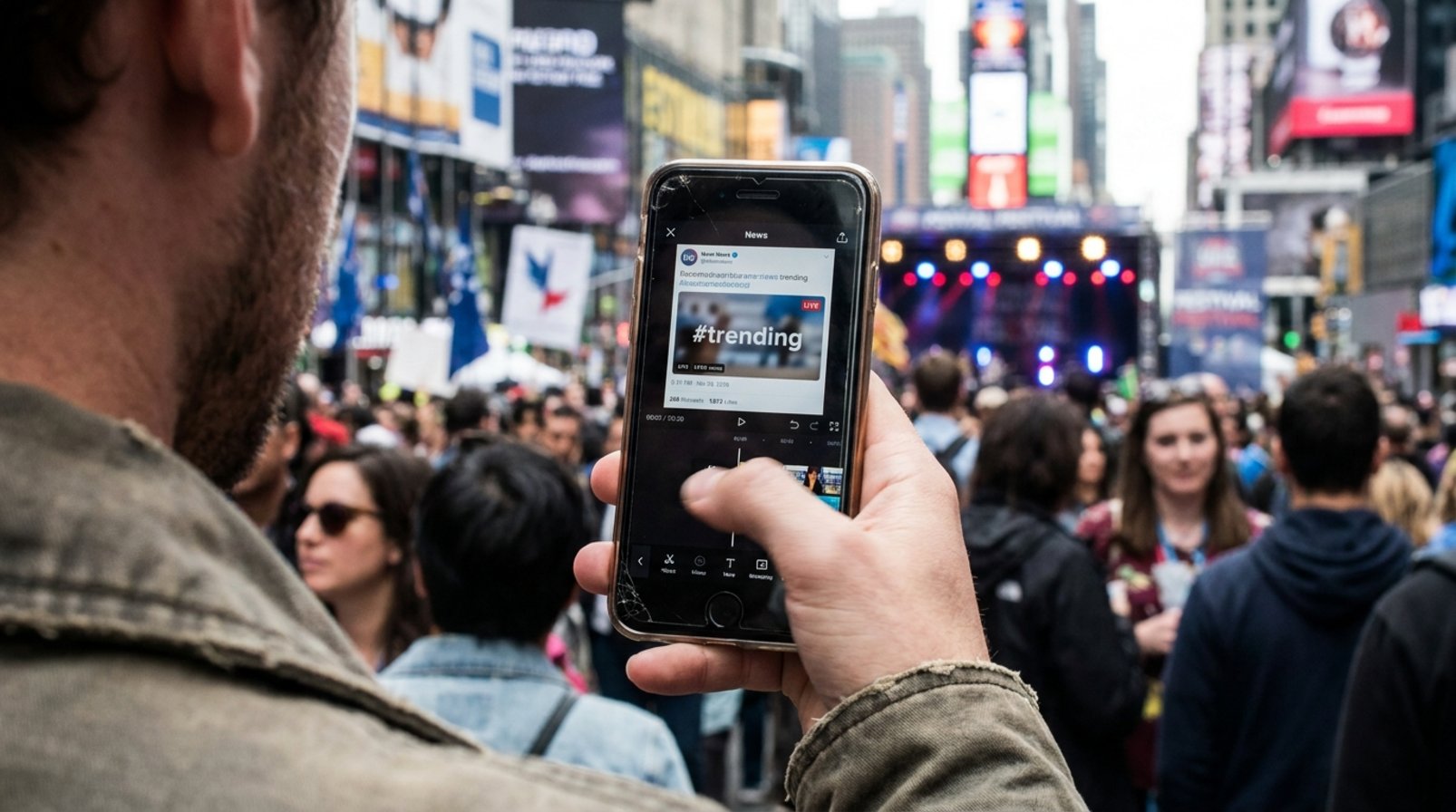
This is especially important because, in reality, jumping on trends does not automatically create business results. A piece of content with many views does not necessarily bring in customers if it lacks a clear message, a suitable CTA, and a connection to users’ real needs. The lesson here is that real-time marketing must be prepared in advance with a set of criteria: which trends are relevant, how high the risk is, who approves them, and which metrics will be used to measure effectiveness beyond surface-level engagement. Source: Dairy News Today, “Grupo Lala Leverages Viral Trend with Real-Time Marketing Strategy”.
B2B SaaS cannot just chase likes
Forbes’ article on B2B SaaS marketing emphasizes a very practical message: if businesses want to generate revenue, they need strategies that go straight into the buying journey, not just broader reach. Although the article’s title focuses on revenue-generating strategies, social media is still clearly present in how B2B builds trust, nurtures demand, and converts prospects across multiple touchpoints.

For SaaS products, social media is often not the place to “close the deal” immediately, but rather a channel to educate the market, demonstrate expertise, and guide viewers to a landing page, webinar, or consultation. Therefore, B2B marketing teams need to avoid judging social performance only by reach or engagement. Instead, they should look at lead quality, conversion rate, and the role of social across the entire sales funnel. Source: Forbes, “Top 4 B2B SaaS Marketing Strategies That Actually Drive Revenue”.
Read more: AI in Primary Care: Why Speed and Empathy Now Set the Service Bar
TikTok agencies and the challenge of turning views into real results
The Times Square Chronicles article highlights a reality many Vietnamese brands are also facing: TikTok can deliver massive reach, but not every viral video creates stable revenue. TikTok agencies are therefore seen as partners that help businesses move from intuition to strategy, rather than simply posting content based on trends.

According to the source, the agency’s value lies in building content structure, understanding platform behavior, and connecting creativity with business goals. This is an important distinction between “making content just to be present” and “making content to grow.” For brands investing heavily in short-form video, the question is no longer “Will this video go viral?” but “What does this video contribute to sales, customer data, or long-term brand awareness?” Source: Times Square Chronicles, “TikTok Marketing Agency Strategies That Drive Real Business Results”.
Social media only has an edge when speed goes with discipline
From these 5 stories, it is clear that social media in 2026 is no longer a race to post more or jump on trends faster than competitors. The Vietnamese market is at a stage where brands need to do three things well at the same time: control content risk, seize real-time opportunities, and tie every activity closely to business goals.
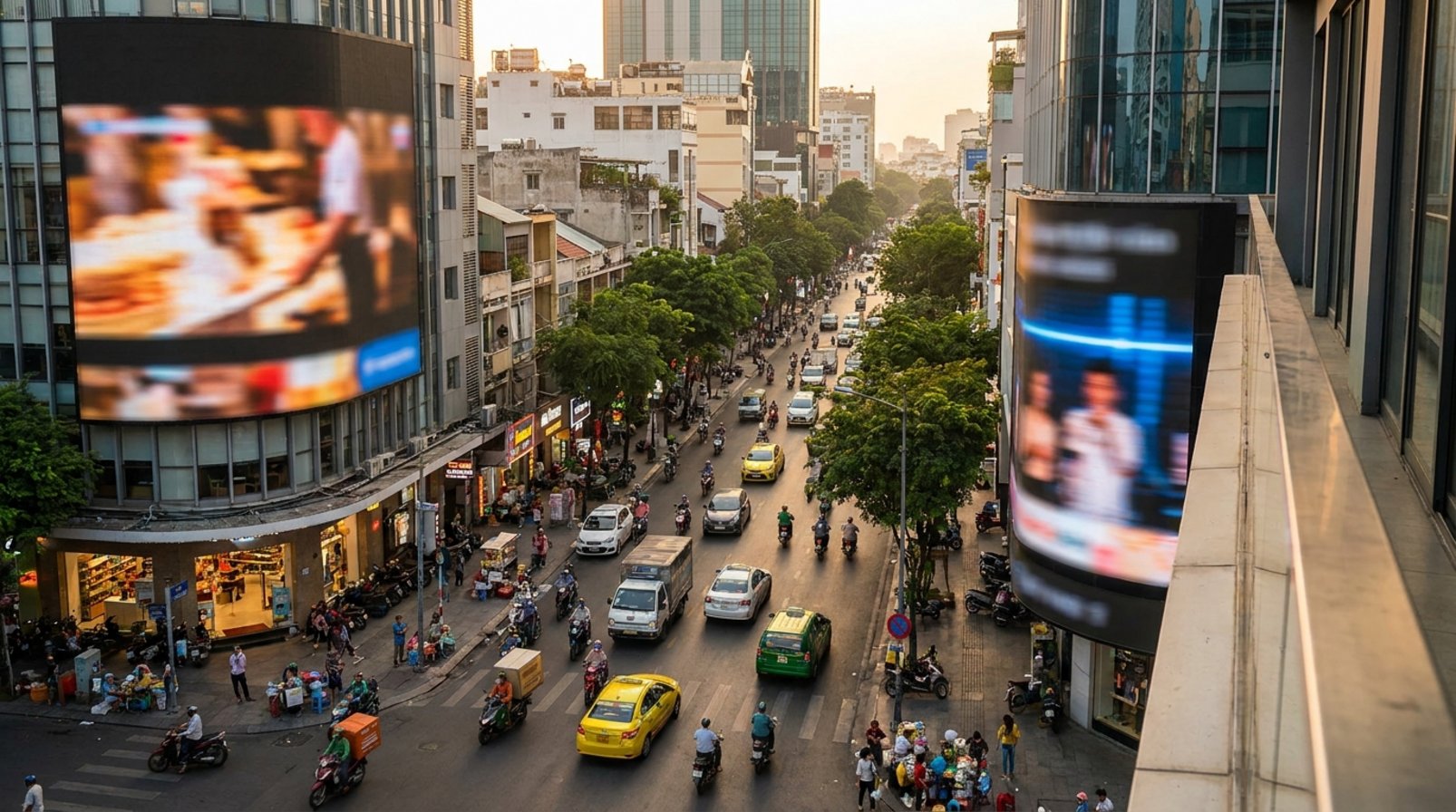
For Vietnamese businesses, especially retail, FMCG, technology, and service brands, the practical lesson is to have a clear content approval process, a crisis response scenario, and a set of performance metrics that go beyond engagement. If brands want to leverage TikTok or trend-driven campaigns, they should prepare a “safety framework” in advance for messaging, visuals, legal considerations, and conversion channels. In other words, social media only creates sustainable advantage when speed goes hand in hand with discipline.
Reference sources: Business.com, Morgan Lewis, Dairy News Today, Forbes, Times Square Chronicles.
Document the approval path and the crisis scenario
- Put a documented content approval process in place with review layers, so posts never go live faster than they can be checked for tone and context.
- Prepare a crisis-response scenario and real-time social listening — ideally CRM-integrated — to catch and address brand mentions before they escalate.
- Set a real-time-marketing “safety framework” in advance: which trends fit, how risky they are, who approves them, and which metrics prove business impact.
- Measure beyond engagement — track lead quality, conversion rate, and each channel’s role across the funnel, especially for B2B and SaaS.
- Around major events, understand sponsorship and ambush-marketing rules and how the public reads brand imagery before you activate any campaign.
Overall, social media in 2026 rewards brands that pair speed with discipline. For Vietnamese marketers, sustainable advantage comes not from posting more or chasing trends faster, but from controlling risk, seizing real-time moments, and tying every activity to a clear business goal.
See more marketing news and guides at https://marketing365.vn.
Follow more updates from Marketing365 to stay up to date with the latest marketing trends.
Read more articles in the same category Digital Trends.
Reference sources
- Business.com — Top Social Media Fails & What Brands Can Learn
- Morgan Lewis — Brand Battle: Ambush Marketing and World Cup Sponsor Rights
- Dairy News Today — Grupo Lala Leverages Viral Trend with Real-Time Marketing Strategy
- Forbes — Top 4 B2B SaaS Marketing Strategies That Actually Drive Revenue
- Times Square Chronicles — TikTok Marketing Agency Strategies That Drive Real Business Results