
Contents
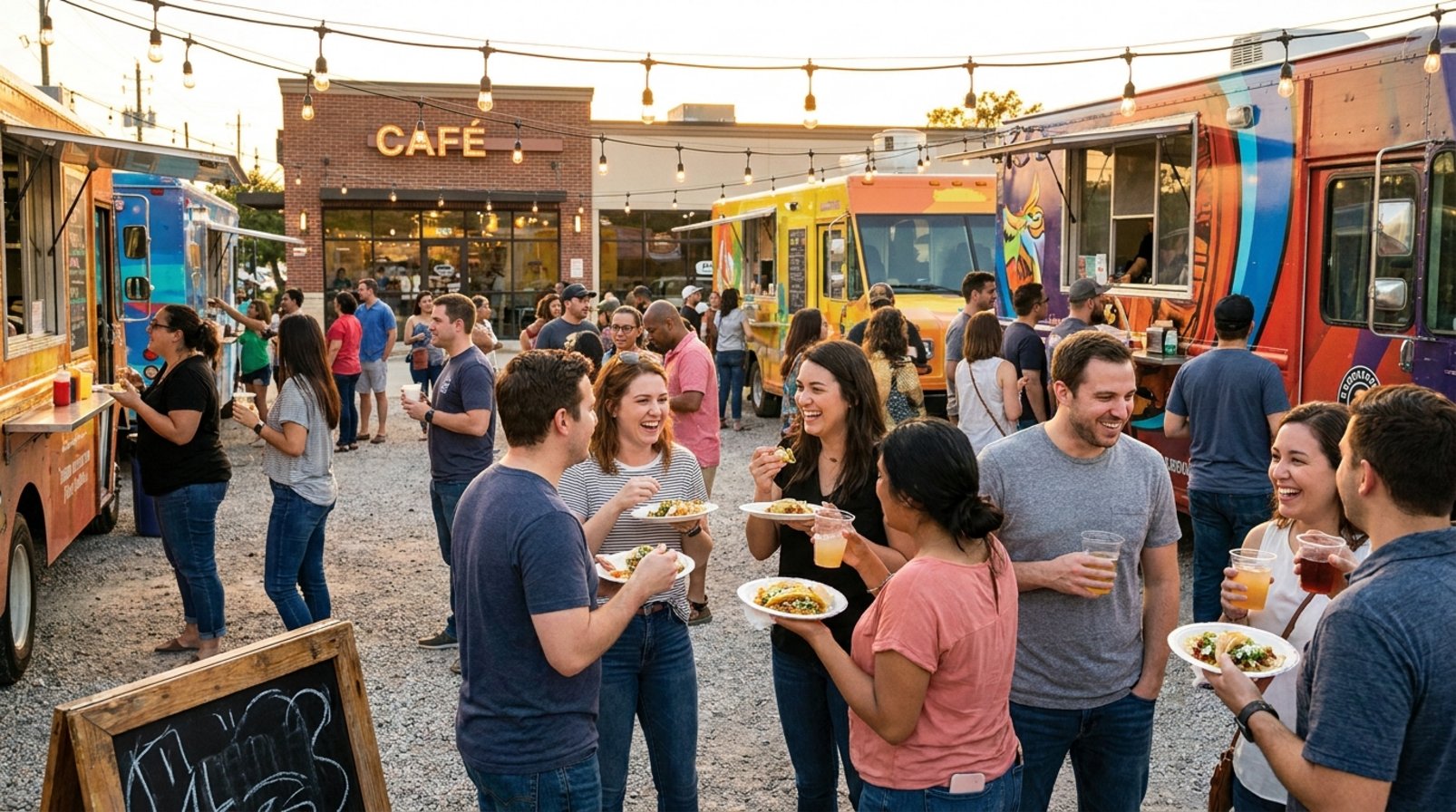
In F&B, social media is no longer just a “brand-building for fun” channel; it is becoming a direct lever for foot traffic, orders, and even profit margins. From Houston to campaigns by Copper Moon, Big Country, and Pei Wei, one common thread stands out: when content is worth watching and close to real experience, social media can turn an ordinary product into a story that spreads.
What matters for Vietnamese marketers is that the results do not come from “posting more,” but from the right combination of UGC, influencer seeding, short-form video, scripted humor, and social proof. This is a strategic challenge, not just a content-creation one.
Key points
- Social media is shifting from awareness-building to driving real revenue for restaurants and cafes.
- The most effective campaigns combine UGC, influencers, storytelling, and short, rewatchable content.
- Results come from feeling “real but more exciting than real life,” not overly polished advertising.
- Vietnamese marketers can apply this mindset to reduce dependence on promotions and improve conversion efficiency.
From ads to designed viral moments
The common thread across the examples in the source is the shift from plain advertising to “designing viral moments.” Copper Moon refreshed paid social content with UGC, in-studio video, and scripted comedy ads; Talespin Pizza in Houston took off thanks to local influencers, strong visuals, and an idea unusual enough to spark curiosity; Pei Wei was reintroduced through memes, celebrity chef Jet Tila, and a playful angle that still preserved the food’s appeal.
In all three cases, social media did more than generate views. It gave people a reason to talk about the brand, discuss it with friends, and ultimately take action in the real world. The Influencer Marketing Hub source also emphasizes that this effect is not limited to one model: some brands drove strong revenue growth, some campaigns significantly reduced CPC, and others generated sales or store visits through content that felt relatable and local.
Instead of asking, “What should we post to get engagement?”, the better question is, “What story are we creating that makes customers want to try it now?” That is why successful campaigns share one core principle: the content must be specific enough to believe, fresh enough to stop the scroll, and compelling enough that viewers feel they are missing out if they do not join in.
Why UGC and local influencers work better than ‘pretty but cold’ ads
Copper Moon is the clearest example of how UGC and creatively styled testimonials can change ad performance. According to the source, the team used highly social UGC ad templates, aesthetically shot in-studio videos, and scripted comedy ads; as a result, this content group not only increased engagement at the top of the funnel but also strongly drove conversions in the middle of the funnel. More notably, they continuously A/B tested to find versions with faster cuts, animation elements, and a more authentic voice that performed better.
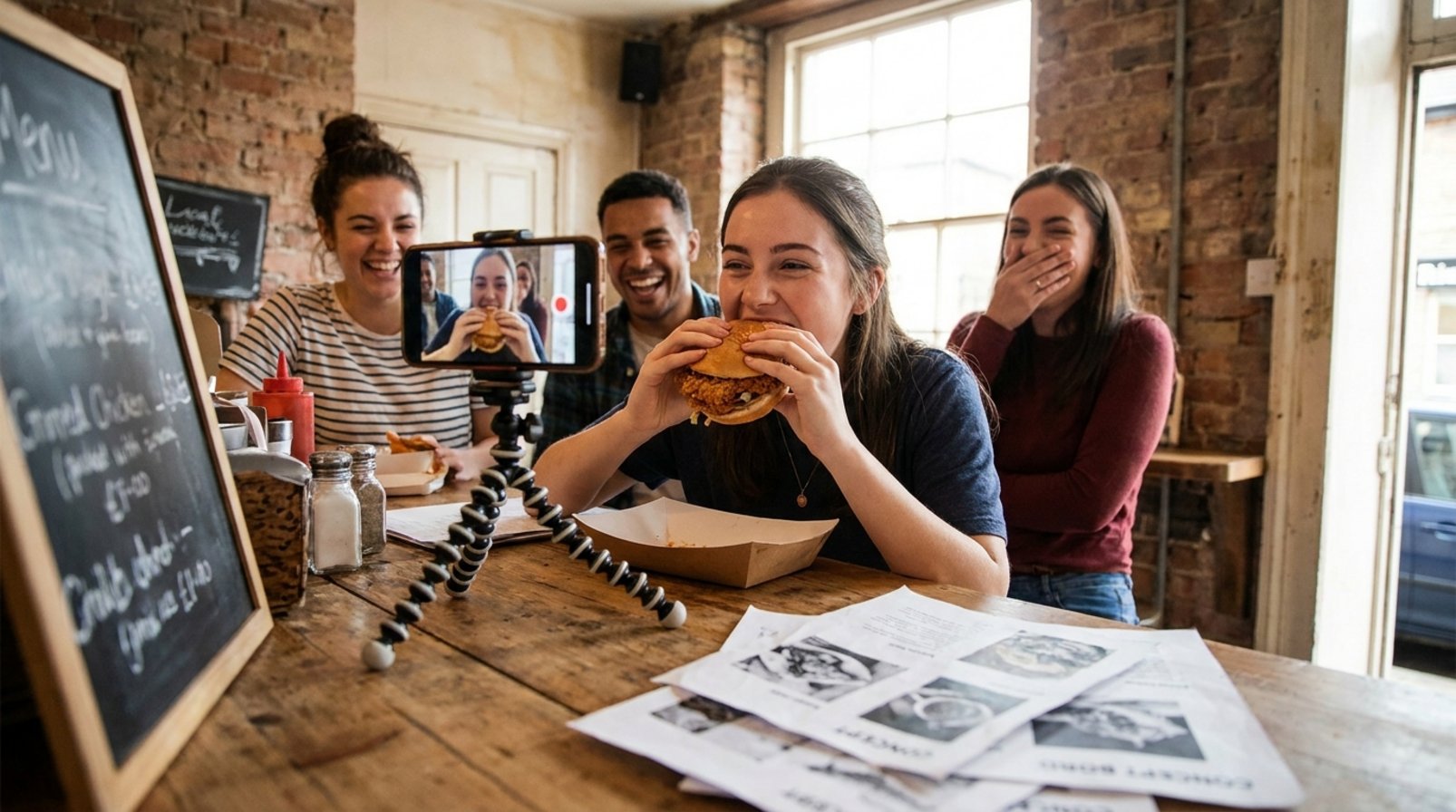
The same pattern appears with Talespin Pizza: instead of running generic ads, the brand chose to “seed” local Houston food influencers such as @shawnthefoodsheep and @dangitswayne. The content focused on bold pizza visuals, behind-the-scenes moments, and one curiosity-driving question: what would coffee-infused pizza taste like? It was the combination of local relevance and novelty that turned a small shop into a widely discussed phenomenon.
These two cases show an important principle: people trust other people, and they trust people close to them more than brands. UGC and local influencers help reduce the feeling of “advertising,” while increasing the authenticity of the experience. In F&B, that is a major advantage because purchase decisions are often triggered by emotion, curiosity, and proof from real people.
What is the real cost of slow content innovation
The source does not only talk about success; it also shows the cost of letting stale content linger. Copper Moon already had a good product, but the creative had gone “cold”; as a result, click-through performance declined and paid content became easier to ignore. After refreshing with formats suited to fast-scrolling behavior, they recorded 66% revenue growth in 90 days, along with a significant drop in CPC. While not every brand will achieve the same increase, this data shows that creative refresh can directly affect ad economics.
Similarly, Big Country’s “Sasquatch”-themed campaign was cited as an example of sharply reduced CPC. The lesson here is not the mythical character or the oddity of the idea, but the brand’s willingness to choose a hook distinctive enough to make the message stand out in a sea of similar content. When creative is strong enough, the cost of buying attention falls; when creative is weak, budget gets “burned” just to pass through unconscious scrolling.
The message for marketers is quite clear: the issue is not only CPM or CPC, but the quality of the signal the content sends. If viewers find the content worth watching, they will stop, watch more, and are more likely to convert. If the content looks like hundreds of other ads, every performance metric will deteriorate quickly.
Read more: Why UGC and TikTok Are Driving Social Media Marketing Into the Performance Era
Social media for F&B in Vietnam needs local adaptation, not copy-paste
Vietnam has many favorable conditions for applying this approach: strong local communities, very high short-form video consumption, and users who often respond well to content with a real story, real food, and a real shop. For restaurants, cafes, or beverage brands, social media should be seen as a continuous creative testing system, not a storage place for pretty food photos.
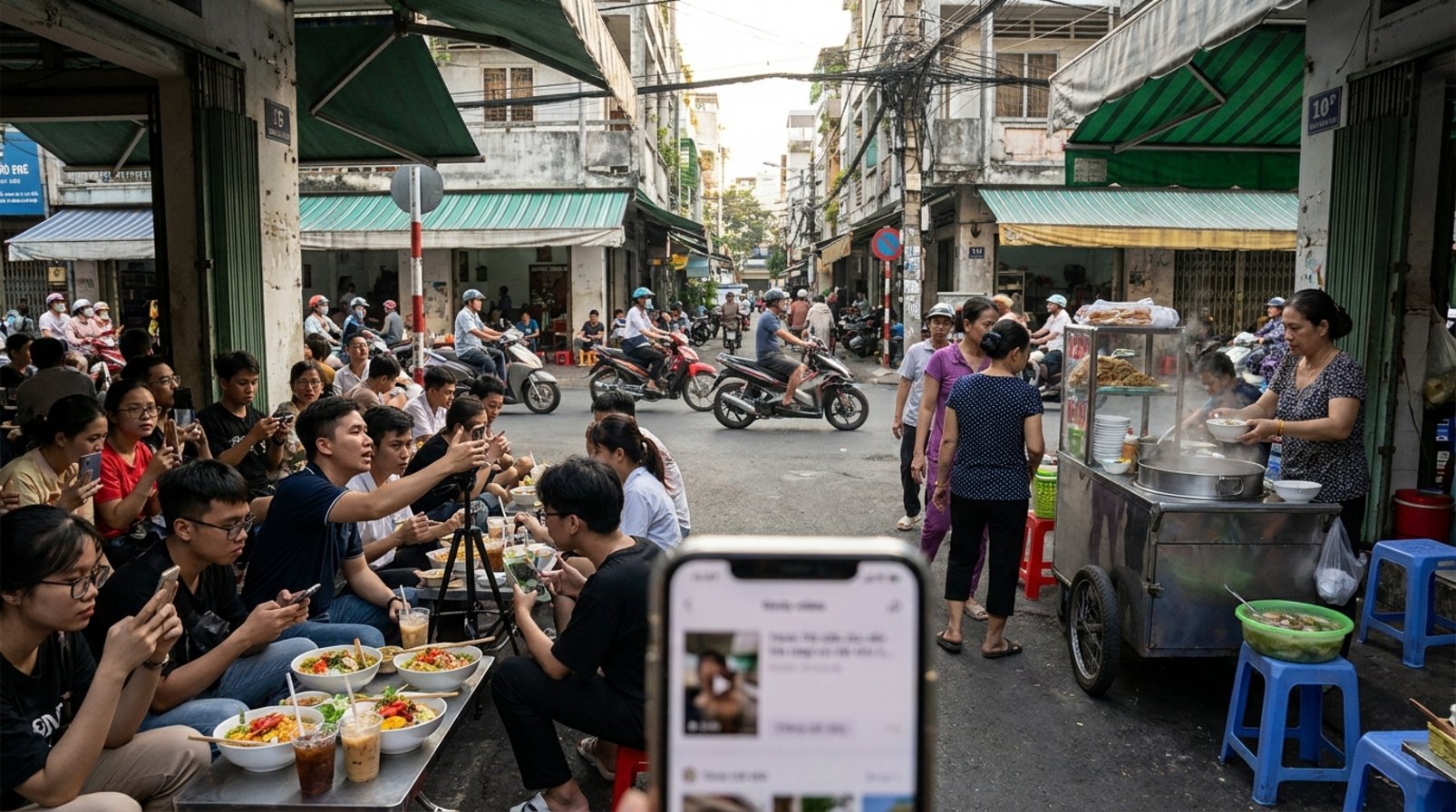
That said, one important note is that you cannot copy the “weirdness” or spectacle of foreign campaigns exactly as they are. What works in Vietnam is usually a clearer layer of localization: the shop’s story, local ingredients, neighborhood culture, student communities, office workers, or family groups. If done well, social media can create an effect very similar to the source article: building awareness, driving trial visits, and generating customer-created content that spreads organically.
For Vietnamese marketers, the biggest opportunity lies in combining low production costs with fast experimentation. A small shop can absolutely create a “viral” feel if it knows how to choose the right hero product, a clear storytelling angle, and a group of influencers suited to the service area.
Real scenes, real customers: the content set an eatery needs
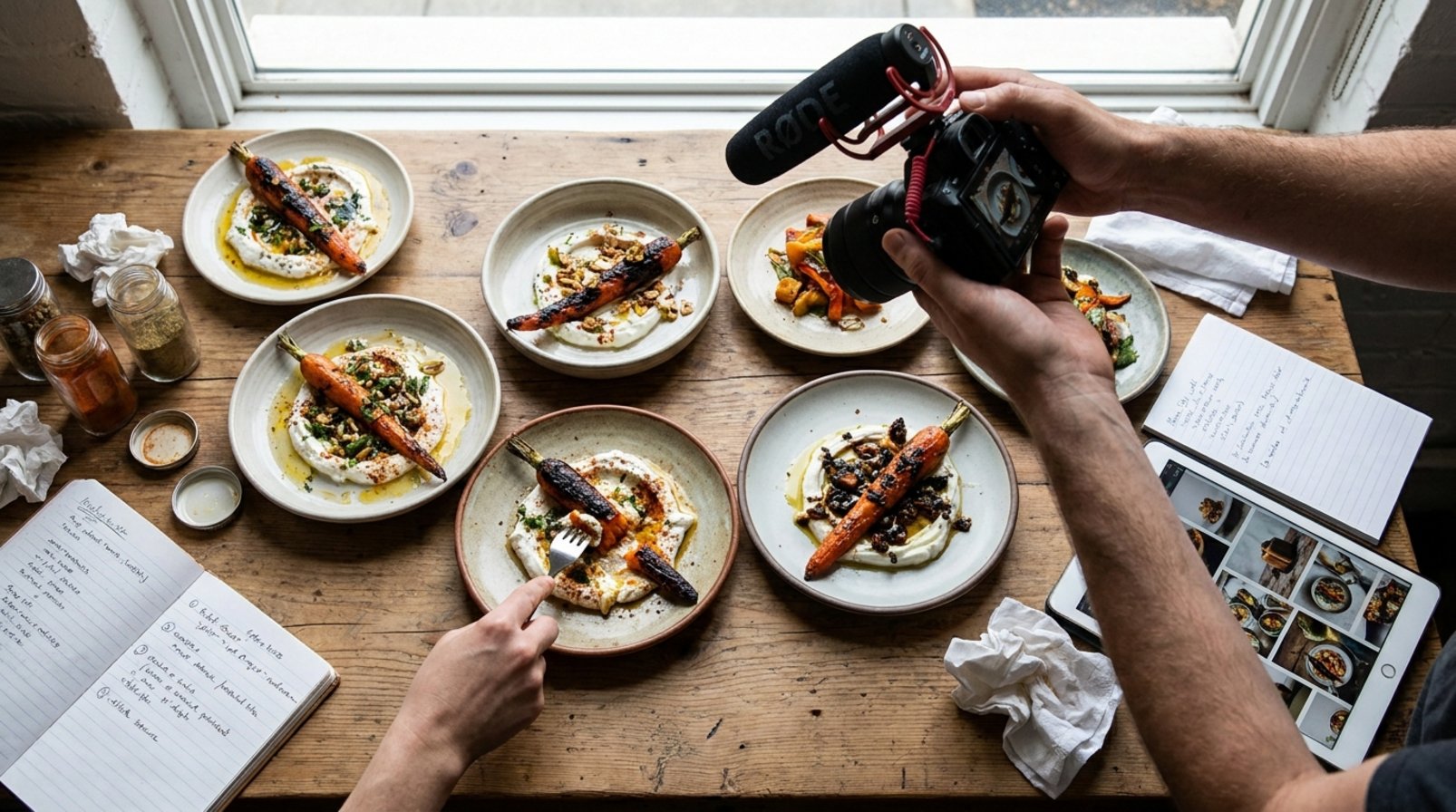
- Build a content set around real experiences: real customers, real scenes, real reactions, instead of only photographing dishes like a catalog.
- Test short UGC and testimonials to see which messages make viewers trust and want to try.
- Choose local influencers or micro-influencers in the right area and for the right audience, rather than prioritizing generic reach.
- A/B test multiple creative versions, especially the first 3-second hook, cut rhythm, voiceover, and the way the call to action ends.
- Measure performance by revenue, orders, store visits, or promo codes, not just views and likes.
The core takeaway from these campaigns is this: social media only truly has value when it does two things at once, creates emotion so people stop scrolling and builds trust so people act. For restaurants and cafes, that is the difference between a pretty post and a customer-driving machine.
See more marketing analysis & guides at https://marketing365.vn.
Follow more analysis from Marketing365 to stay updated on the latest marketing trends.
Read more articles in the Digital Trends category.
This article focuses on social media for restaurants and cafes with a perspective for the Vietnamese market.



