Contents
- Levi’s turns a FIFA logo detail into a viral brand touchpoint
- Bermuda’s travel campaign shows the power of challenges and gamification on social media
- Orphiq shows how AI is moving deeper into artist marketing and creative management
- Virality comes only when brands create a mechanism for community participation
- References
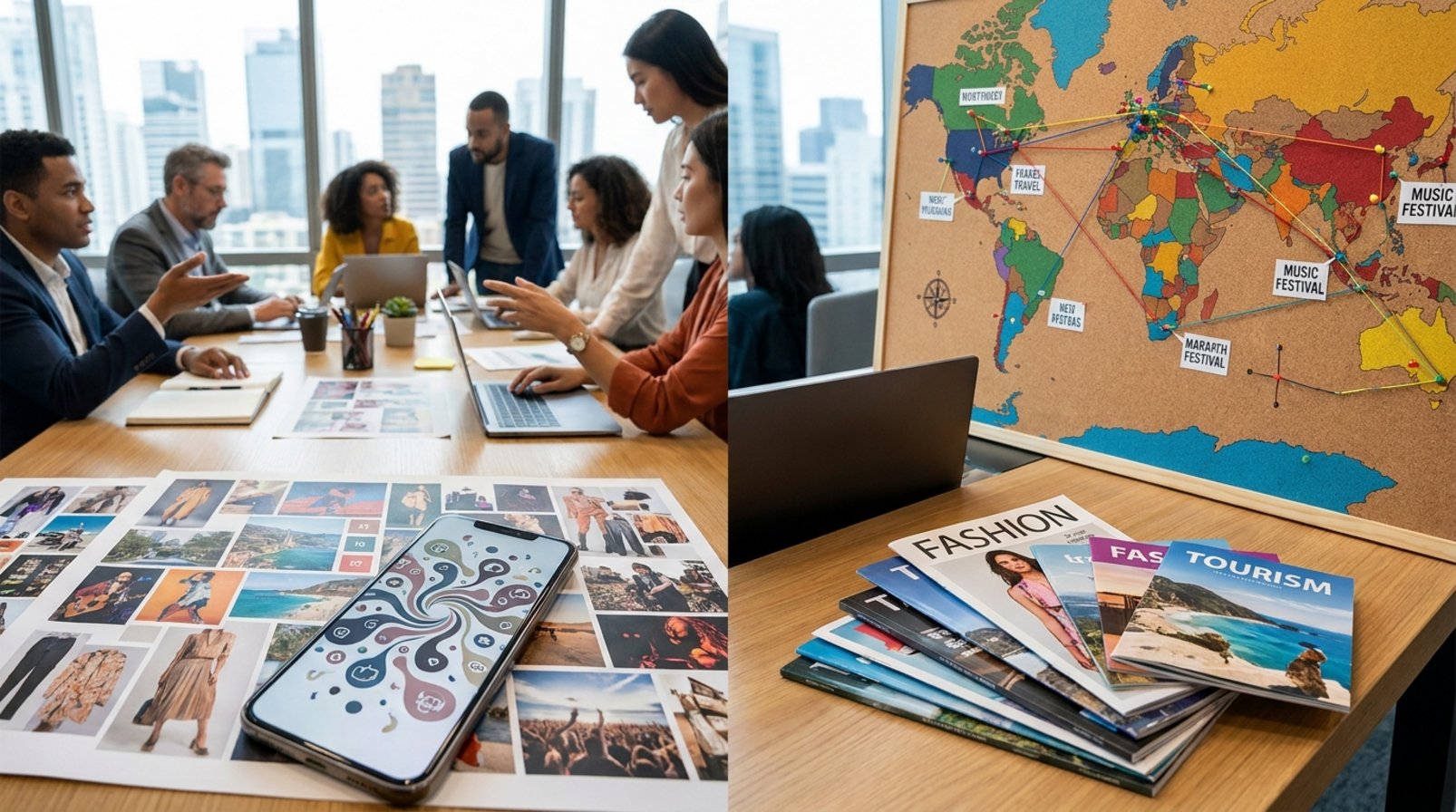
By July 2026, the pattern behind social media hits is clearer than the myth of luck that still surrounds them: reach follows a hook simple enough to grasp instantly and smart enough to repeat, not the size of the media budget. Three recent cases – Levi’s turning a FIFA logo detail into a branding moment, BermudAir gamifying destination marketing, and Orphiq using AI to systematize artist promotion – show brands across fashion, travel, and music engineering that hook deliberately rather than waiting for it.
Levi’s turns a FIFA logo detail into a viral brand touchpoint
According to MSN, Levi’s turned the FIFA logo cover into a social media moment that drew attention, creating a branding effect that went beyond a standard post. What stands out is not the ad budget or the scale of the visuals, but the brand’s ability to use a familiar identity marker to spark discussion and organic sharing.
For marketers, this is a classic example of how to “borrow” a cultural-sports context to refresh a brand story. When content is concise, instantly recognizable, and tied to a highly communal event, its chances of spreading on social media rise significantly. Still, the lesson is not that attaching yourself to a major event automatically makes content viral; more important is finding a detail that is simple enough for viewers to grasp immediately and smart enough for them to want to repeat.
Source: MSN, “Levi’s turns FIFA logo cover into viral branding win”.
Bermuda’s travel campaign shows the power of challenges and gamification on social media
In a report from Travel And Tour World, BermudAir is mentioned for its “The Great Bermuda Dash Experience” campaign, an approach designed to turn tourism promotion into an interactive, shareable experience. Although the source page includes a security verification layer, the description shows that the campaign focuses on creating a contest/situation interesting enough for users to actively participate and spread the destination message.
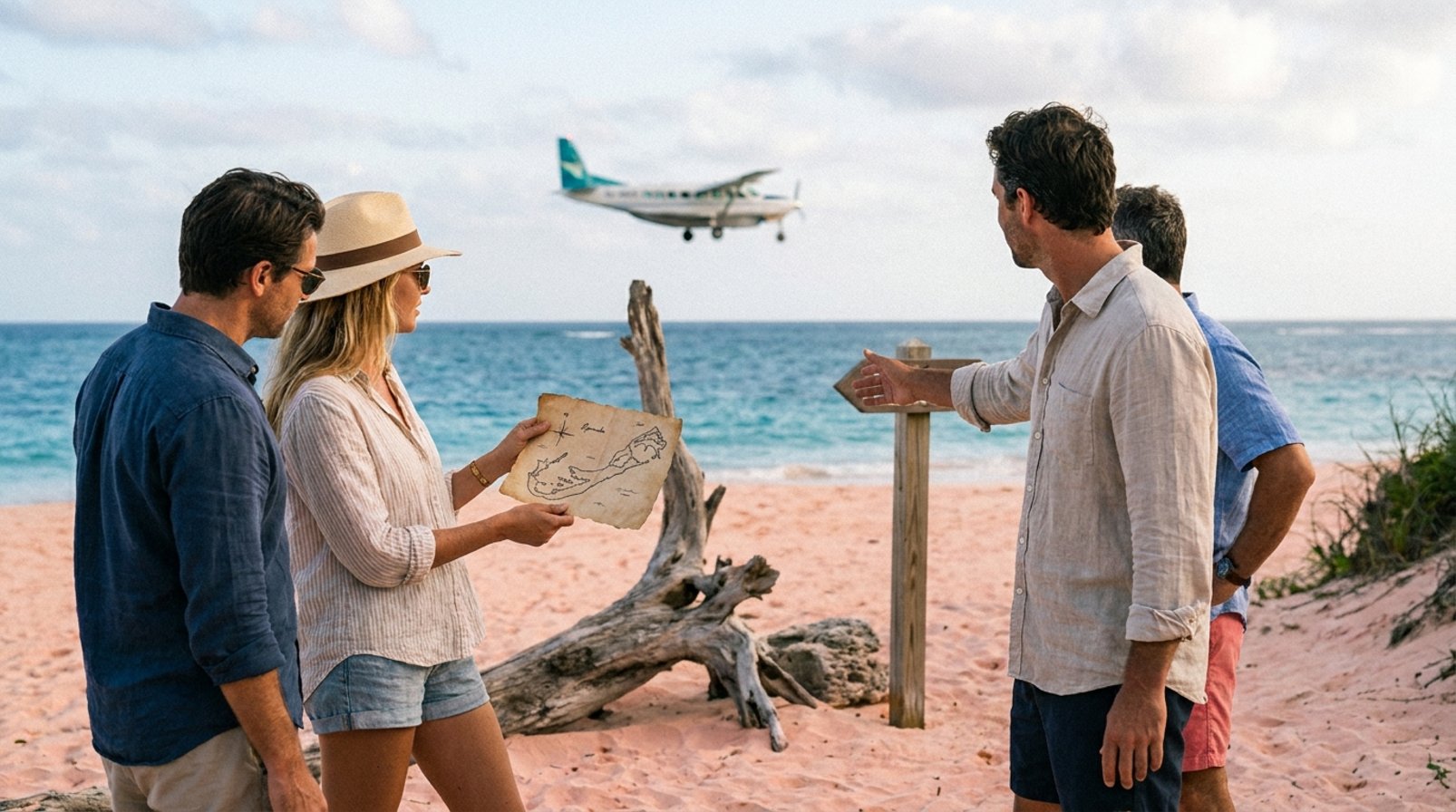
This approach reflects a growing trend in social media: effective promotional content does not just describe a place, it turns viewers into participants. For the travel industry, “playable” elements often create stronger sharing motivation than purely informational messaging. When designed well, a contest or challenge can both drive engagement and build a sense of discovery, helping a destination brand feel more approachable and memorable.
Read more: On Social Media, Authenticity and Timing Now Beat Budget
Source: Travel And Tour World, “Bermuda Travel Contest Turns Viral as BermudAir Launches The Great Bermuda Dash Experience in a Bold New Island Tourism Strategy”.
Orphiq shows how AI is moving deeper into artist marketing and creative management
From Radio and Music, the story of JC Sanchez’s Orphiq points to another direction in social media and marketing: using AI to systematize strategy for artists. The platform combines project management with artist development, while allowing AI agent Apollo to analyze audio, guide creative direction, and suggest both collaboration opportunities and suitable brand partnerships.

What is useful here is that Orphiq is not only supporting content production, but also trying to organize the entire marketing workflow, schedules, and tasks that can easily become messy in the music environment. For social media professionals, this signals that AI is moving from the role of “caption suggestion” to a deeper strategic support role. Data, if properly managed and kept private to the extent described by the source, can become the foundation for more personalized, more consistent plans that rely less on short-term inspiration.
Source: Radio and Music, “How Orphiq Brings Systematic Insight to a Chaotic Music Marketing and Artist Management World”.
Virality comes only when brands create a mechanism for community participation
These three stories share one common point: social media works best when a brand does not just publish content, but creates a “hook” that invites the community to take part. In Vietnam, this is especially relevant for fashion, travel, entertainment, and FMCG – sectors with high virality but also intense competition.
Read more: 5 Post-Click Leaks Quietly Draining Your PPC Budget
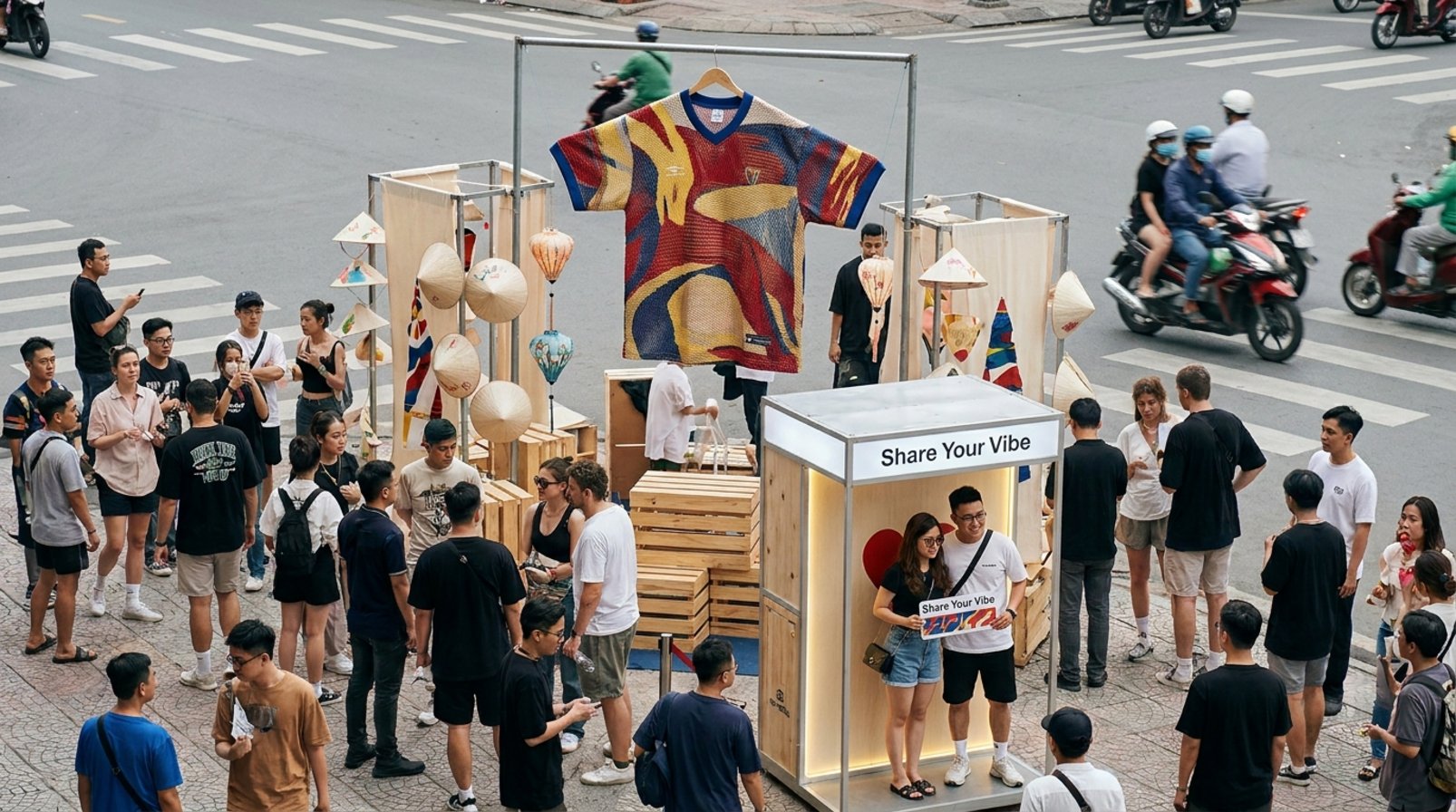
For Vietnamese marketers, the practical lesson is to invest more in ideas that can be retold in a very short sentence, a memorable image, or a simple participation mechanism. At the same time, AI is opening the door to more standardized workflows, helping even small teams run deeper campaigns if they know how to leverage data, segment audiences, and manage content systematically. Virality is no longer just a goal; it is becoming the result of a more carefully designed strategy.
Explore more marketing analysis and playbooks at Marketing365.
Read more articles in the same category Digital Trends.
This article focuses on social media roundup with a perspective on the Vietnamese market.
References
- Levi’s turns FIFA logo cover into viral branding win
- Bermuda Travel Contest Turns Viral as BermudAir Launches The Great Bermuda Dash Experience in a Bold New Island Tourism Strategy
- How Orphiq Brings Systematic Insight to a Chaotic Music Marketing and Artist Management World