
Contents
- Social media turns a small trend into pressure on trust and verification
- What has changed on social media — and why marketing teams must work differently
- Sardines on TikTok: even a product with real benefits still needs expectation control
- Micro-aesthetic and outfit hauls: faster spread shortens trend lifecycles
- Croissant ice cream sandwich: “fun” content can push a brand into overdoing the trend
- Dental tips on TikTok: health brands need a verification barrier before posting
- Social media marketing is being pushed toward verification before content scale
- Where social media in Vietnam will be tested
- What needs to be done so social media still creates value without making brands pay for it
- Reference sources
Social media is no longer just a place to generate reach. It is turning everyday things like food, fashion, and personal care tips into behavior signals that brands can be pulled into very quickly. For Vietnamese marketers, the issue is not whether a trend spreads, but how fast it spreads and whether the business has enough process to verify it before turning it into content, a product, or a message.
The common thread in recent developments is the same mechanism: social platforms push speed very high, while users’ and brands’ ability to verify does not keep up. In that situation, social media creates real value by surfacing new signals, but it also raises the risks around trust, brand health, and compliance.
Key points
- Social media can turn a small trend into mass behavior faster than a business can verify it.
- Marketers should not judge trends only by spread metrics; they need an added layer of verification, transparency, and risk assessment.
- Sensitive sectors such as food, beauty, health, education, and e-commerce face greater pressure because users are more likely to believe they “work.”
- In Vietnam, the advantage will go to marketing teams with fast-response processes that still maintain source checks, content usage rights, and clear explanatory information.
Social media turns a small trend into pressure on trust and verification
One especially notable point is that content spreading on social media does not stop at entertainment. AJC.com’s piece on sardines shows a canned food suddenly being linked to skin care on TikTok, even though the article itself stresses that it is not a “miracle cure” for the skin. On another front, The Collegian notes that micro-aesthetic and outfit haul content on TikTok can push students into a very fast shopping loop. USA TODAY 10BEST describes a croissant ice cream sandwich as a playful, unusual recipe that spreads easily because it is eye-catching rather than nutritionally valuable. And Click2Houston reminds readers that viral dental tips on TikTok can be harmful if viewers trust the hack instead of the expertise.
From a marketing perspective, these four stories are not about four separate phenomena. They are about the same distribution engine: social media favors content that is easy to see, easy to imitate, and easy to share. That is when brands can mistake spread speed for real value. This is a very common planning mistake: seeing a trend rise and wanting to jump on it immediately, without first asking why users trust it, what risk areas it carries, and who is responsible if the trend is exposed as wrong.
What has changed on social media — and why marketing teams must work differently
At the operational level, the change is not just that “new trends appear.” It is the way trends are packaged into content that feels ordinary and compelling enough for people to pass it along themselves. From there, the marketing team’s job no longer stops at writing captions or choosing formats. It has to go further: verify the source, assess how sensitive the topic is, and decide whether the content needs a disclaimer.
Sardines on TikTok: even a product with real benefits still needs expectation control
The AJC.com article makes it clear that sardines contain many nutrients that can support skin health, but experts do not see them as a miracle solution. This matters a great deal for marketers in food, wellness, and beauty: if a product has real benefits, the story still has to keep the line between “may support” and “can replace.” Source: AJC.com.

Micro-aesthetic and outfit hauls: faster spread shortens trend lifecycles
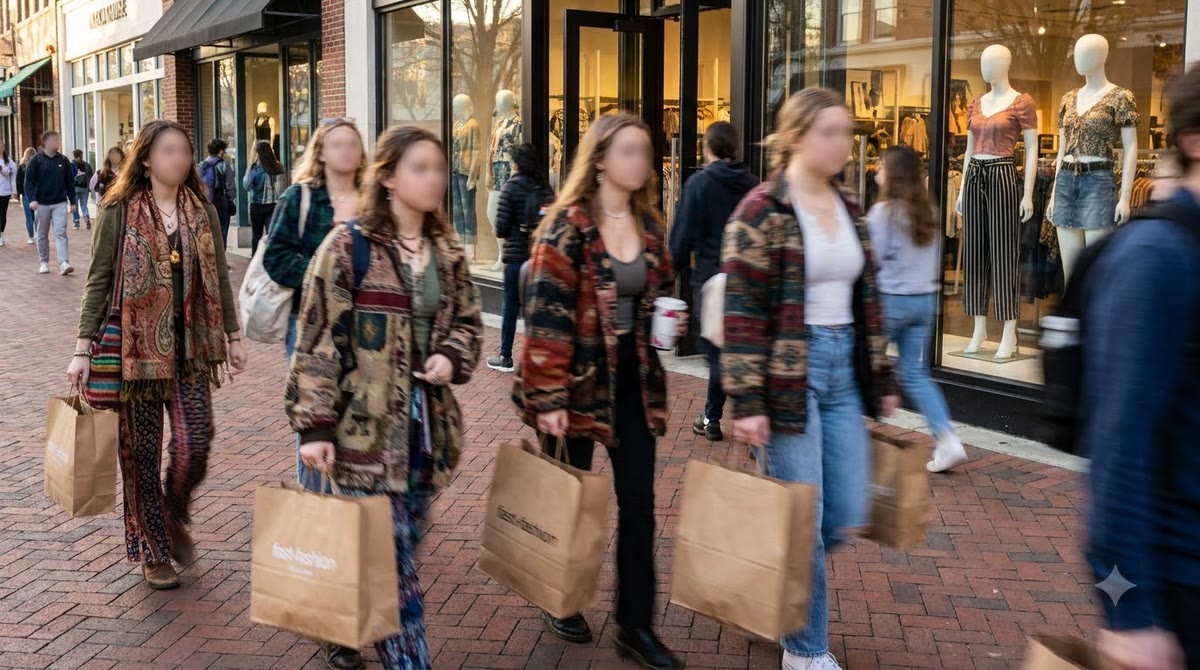
The Collegian shows that TikTok can compress the lifecycle of an aesthetic to just a few days or weeks in a student environment. For marketers in fashion, retail, and lifestyle, that means traditional content calendars can easily fall out of sync. What needs tracking is not only which trend is hot, but which trend still has enough life left to become sales or meaningful engagement. Source: The Collegian.
Croissant ice cream sandwich: “fun” content can push a brand into overdoing the trend
USA TODAY 10BEST describes this two-ingredient dessert as a mix that is both spontaneous and attention-grabbing. For social teams, it is a classic example of content that can drive high reach but can also make a brand look like it is trying too hard if there is no real reason to join in. When a trend is built mainly on novelty, marketers have to ask: does this content fit the positioning, or is it just buying a few thousand short-lived views? Source: USA TODAY 10BEST.
Dental tips on TikTok: health brands need a verification barrier before posting
Click2Houston shows that viral oral-care hacks can damage teeth if viewers copy them without any professional foundation. For brands in healthcare, dentistry, pharmaceuticals, and personal care, this is a clear reminder that social content cannot be written like a meme when it touches health. Even one slightly overblown phrase can turn content into a legal risk and a reputation risk. Source: Click2Houston.

Social media marketing is being pushed toward verification before content scale
The biggest takeaway from these developments is that social media no longer rewards speed alone. It is starting to penalize those who confuse buzz with credibility. That creates three direct mechanisms affecting marketing: tighter verification before publishing, a safer margin around claims, and content lifecycle management based on risk level rather than reach alone.
The closer a claim is to health, the more clearly trust has to be written
When content touches skin, food, oral care, or body care, users can easily turn a short online statement into an absolute conclusion. Sardines, dental hacks, and even viral foods all show the same thing: social media often blurs the line between personal experience and general recommendation. That is why marketers cannot use the same tone for every industry. The closer the topic is to a sensitive area, the more specific, conditional, and restrained the wording has to be.
Fast spread is no longer enough to call something effective
Micro-aesthetics on campus and viral foods prove that a post can explode very quickly, but still fail to create lasting value. On social media, real effectiveness now has to be read through the quality of discussion, audience fit, and the ability to convert into behavior that benefits the brand. If marketers only look at views or shares, they can easily optimize the wrong thing. The lesson here is simple: the easier content is to spread, the more it needs filtering before budget is pushed behind it or it is used as a model for other channels.

Content review processes have to move ahead of trend reaction speed
When social media creates a trend in a matter of hours, the marketing team cannot wait until the campaign is over to check it again. There needs to be a clear checklist: does this topic involve health, is there any claim that could be misunderstood, can exaggerated imagery or language be used, and does it need expert approval? Many teams skip this because they want to keep posting on schedule. But this is exactly the part that decides whether the brand gets dragged by the trend or stays in control of it.
Where social media in Vietnam will be tested
In Vietnam, social media is already very familiar with fast spread, especially on TikTok, Facebook Reels, and short-form video channels. That creates a major opportunity for local brands, especially in FMCG, beauty, fashion, food, and personal care. But it is also where the risk of moving faster than verification is very real, because teams are often under pressure to catch trends early, publish consistently, and keep engagement high.
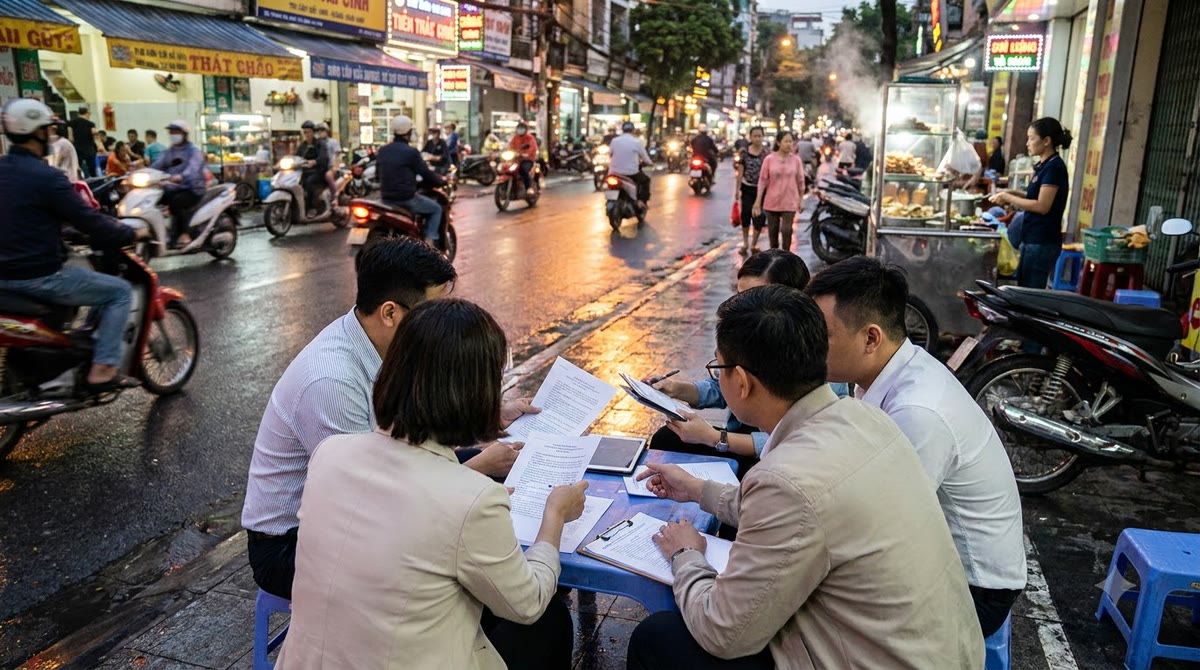
For the Vietnamese market, the practical lesson is not to import foreign playbooks wholesale and apply them to the local context. Trends around health, beauty, or product tips need closer scrutiny because Vietnamese users are very likely to believe content that “sounds reasonable” if it is presented naturally on social media. Companies whose content, legal, product, and customer service teams work well together will be less likely to get stuck when a trend reverses or triggers backlash.
What needs to be done so social media still creates value without making brands pay for it
- Design a verification checklist for each content category: health, food, beauty, lifestyle, and entertainment.
- Only use a trend if you can explain why it fits the brand positioning, not just because it is spreading.
- Rewrite content guidelines so every claim has a clear level of certainty, especially on topics that can be interpreted as recommendations.
- In Vietnam, there should be one person ultimately responsible for social content risk before publishing.
What social media is changing is not the way people consume content, but the way brands must take responsibility for the content they put out. Anyone who treats trends as the destination will be easily swept along. Anyone who treats verification as a required input will be able to use social media as a more sustainable growth channel.
See more marketing analysis and how-to guides at https://marketing365.vn.
Follow more analysis from Marketing365 to stay updated on the latest marketing trends.
Read more articles in the Digital Trends category.
Reference sources
- AJC.com — ‘Skin care in a can’: How TikTok turned sardines into a viral beauty trend
- The Collegian — From screen to school: How viral fashion trends shape Fresno State style
- USA TODAY 10BEST — How to make Costco’s 2-ingredient croissant ice cream sandwich
- Click2Houston — These viral TikTok dental hacks could be damaging your teeth, experts warn