Contents
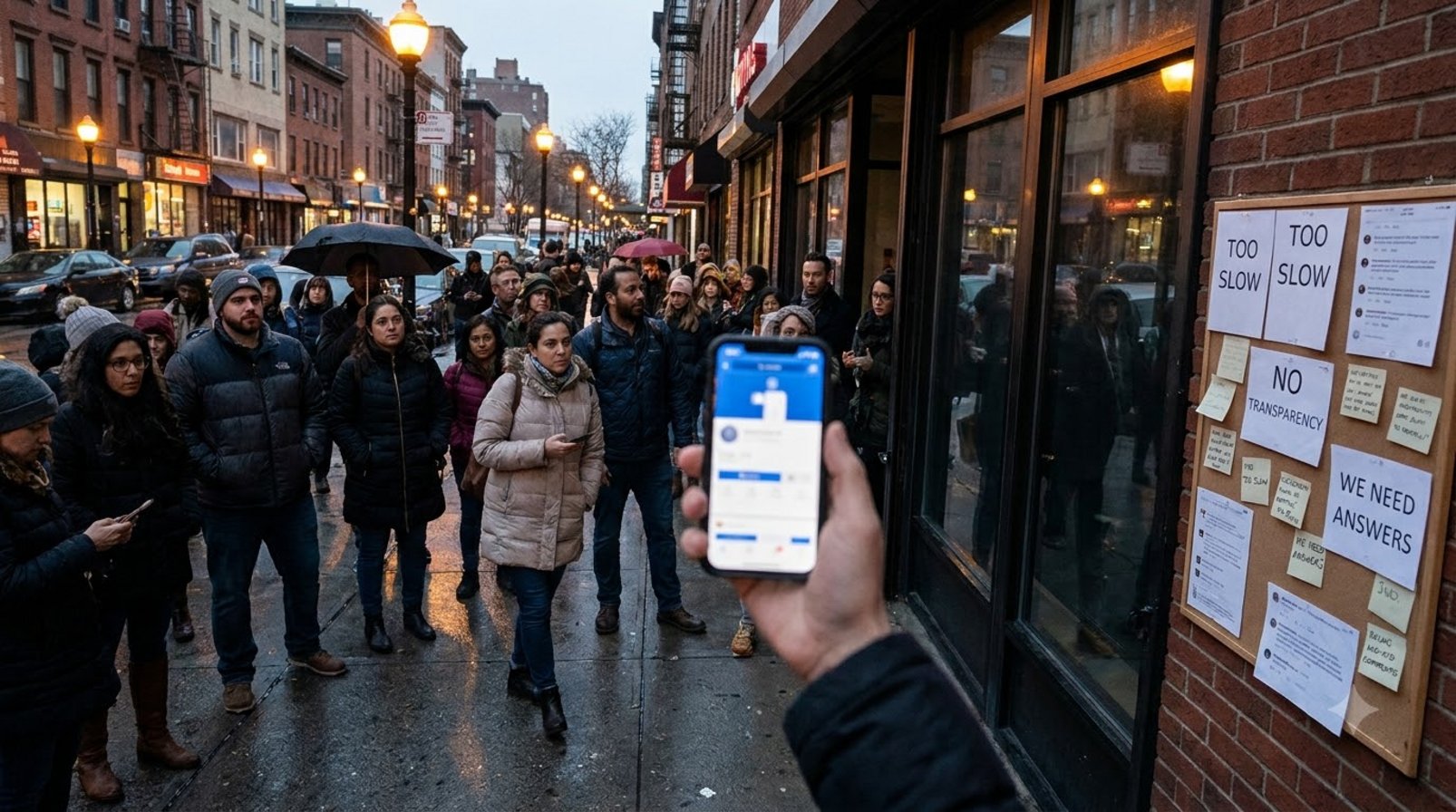
On social media, amplification is moving faster than control, so a campaign can be loved or face backlash within just a few hours. For Vietnamese marketers, the key question is no longer “how do we go viral,” but “how do we avoid losing trust when content is dissected, misunderstood, or tied to a negative context?”
The argument of this article is: in today’s social media environment, brands cannot treat a campaign as a simple message blast; it is a test of consistency, transparency, and the ability to anticipate public reaction.
- Key point:
- The risk on social media does not lie in “bad” content, but in the gap between public expectations and how a brand speaks about itself.
- Brands with a clear, consistent identity and a mechanism for listening before publishing content are less vulnerable.
- Viral does not mean effective: a wave of negative attention can erode trust faster than short-term sales can compensate.
- For the Vietnamese market, the priority must shift from “pushing messages” to “verifying reactions and managing context.”
Users judge campaigns faster than brands can approve them
What is happening on social media can be summed up in one very clear shift: brands are being placed in a higher-risk zone, while users are becoming faster at judging whether a campaign is appropriate. Small Business Trends emphasizes that even a single misleading message can trigger a chain reaction, eroding customer trust and loyalty. At the same time, SurveyMonkey is mentioned as an example of a new trend: businesses need to test ideas with users before launch instead of waiting until a campaign goes live and then dealing with the consequences.
What is notable is that this context is not limited to small businesses. The analysis of Ikea on Simplilearn shows that a brand’s strength comes from a consistent identity, a clear message, and values deliberately repeated across multiple touchpoints. When trust becomes a core asset, social media is no longer just a place to “distribute content,” but a place where the public checks whether a brand truly lives up to its promises.
On the other side, sensational content or content that borrows the name of a celebrity to create a sense of authenticity reveals a darker side of viral culture. The story of an exaggerated weight-loss ad on a fake page linked to a major brand is a clear reminder that social context can be exploited to create a false sense of trust. When the line between real and fake is blurred, brands are more easily pulled into a game they do not control.
Why campaigns are no longer just about creativity
The common thread between the guidance from SurveyMonkey and the Ikea case is this: creativity only has value when it comes with the ability to predict reactions. On social media, a good idea is not enough; it must also align with the value system the brand has built in the public’s eyes. If a campaign breaks that layer of expectation too strongly, attention can quickly turn into controversy.

Ikea is an example of how effective creativity is often inseparable from consistency. According to Simplilearn, the brand maintains a distinct style, from visual language and in-store experience to how it talks about value. That helps new messages appear not as a “new trick,” but as a natural part of the brand. By contrast, when a campaign goes live on social media without fitting the brand’s accumulated identity, the public is more likely to view it with suspicion.
Small Business Trends adds another important layer: with the cost of mistakes rising, testing reactions before launching a campaign is no longer optional. This is why survey tools, small test groups, or early listening mechanisms are becoming part of the creative process rather than an extra step. Instead of asking, “Is this content eye-catching enough?”, marketers also need to ask, “Could this content be interpreted in ways other than its original intent?”
Viral can amplify trust or amplify losses
Viral is not inherently bad, but social media makes every signal spread very quickly. If a campaign matches the community’s expectations, the brand benefits from the ripple effect. But if the message is out of context, viral becomes an amplifier for negative reactions. The warning from Small Business Trends shows that this risk is especially large for businesses with limited resources because they cannot manage a crisis at the same speed as the spread of the content.

The case of content that exploits the credibility of a celebrity or a major brand to create a sense of authenticity shows even more clearly that viral can be built on borrowed trust. When the “looks trustworthy” part matters more than the “is actually trustworthy” part, viewers are pushed into an environment prone to misunderstanding, while the real brand must bear the communications consequences even if it did not directly create that content. This is why every campaign on social media needs to be viewed as an asset with risk, not just a creative asset.
Read more: How Social Media Entered the Era of Trust and Cross-Platform Impact
Read more: Social Media Is Less “Social”: What Brands Should Do Beyond the Feed
In other words, viral is only beneficial when the brand has already prepared the foundation: a clear tone of voice, consistent values, verifiable messaging, and a response scenario for when questions arise. Without these protective layers, viral can easily become an acceleration straight into crisis.
In Vietnam, social media is a fit problem, not a noise problem
The Vietnamese market has several characteristics that make this lesson especially important. First, users on social media often react very quickly to content seen as insensitive, exaggerated, or out of step with real-world experience. Second, the digital word-of-mouth environment means a negative comment can spread before the brand has time to respond. Third, many brands still prioritize content production speed over contextual verification.

Given this context, the lessons from SurveyMonkey, Small Business Trends, and the Ikea case all meet at one point: Vietnamese brands need to move from a “publish first, figure it out later” mindset to “verify first, then publish.” Not every campaign needs a large survey, but at minimum there should be an internal review loop, testing with a small group representative of the target audience, and a check for possible misunderstandings before release. At the same time, the brand must maintain a clear enough identity so that each post does not leave the public confused about who it is and what it stands for.
What should be done now

- Build a “pre-test” step for every social media campaign: check emotional response, clarity of meaning, and possible interpretations that could spark controversy.
- Standardize the brand voice so new content always aligns with core values, avoiding the feeling of a “changed tone” across channels.
- Set up a rapid response process for situations where content is misunderstood or framed in a negative context, especially for highly shareable content.
- Prioritize measuring trust quality alongside reach and engagement, because viral cannot make up for long-term brand damage.
See more marketing analysis and guides at https://marketing365.vn.
Follow more analysis from Marketing365 to stay updated on the latest marketing trends.
Read more articles in the Digital Trends category.
This article focuses on trust on social media with a perspective for the Vietnamese market.
References
- Small Business Trends — Brands Face Higher Stakes in Campaigns as Trust Wavers Amid Viral Risks
- Simplilearn.com — Ikea Marketing Strategy: A Case Study