
Contents
The deal that WSJ describes between Nvidia and OpenAI to secure a massive financing package for data centers is not just a story about chips or AI. For marketers, it is a signal that the social media game is gradually shifting from “who speaks better” to “who has stronger infrastructure to create, distribute, and measure content at scale.”
As computing power becomes a competitive advantage, platforms, tools, and brands that can leverage AI more deeply will have a clear edge in personalization, content production, ad optimization, and real-time response. That means marketing teams in Vietnam must start viewing social media as an ecosystem challenge, not just a posting channel.
Key points
- WSJ shows that the AI race is moving from software to financial infrastructure and data center capacity.
- In social media, the advantage is increasingly going to whoever can run content and advertising at larger scale, faster.
- Vietnamese marketers need to prepare for an era of deep personalization, heavy automation, and more competitive costs across platforms.
- Social strategy is no longer about “what to post,” but “how fast you can produce, distribute, and learn from data.”
Nvidia's $250 billion talks with OpenAI reshape the infrastructure layer
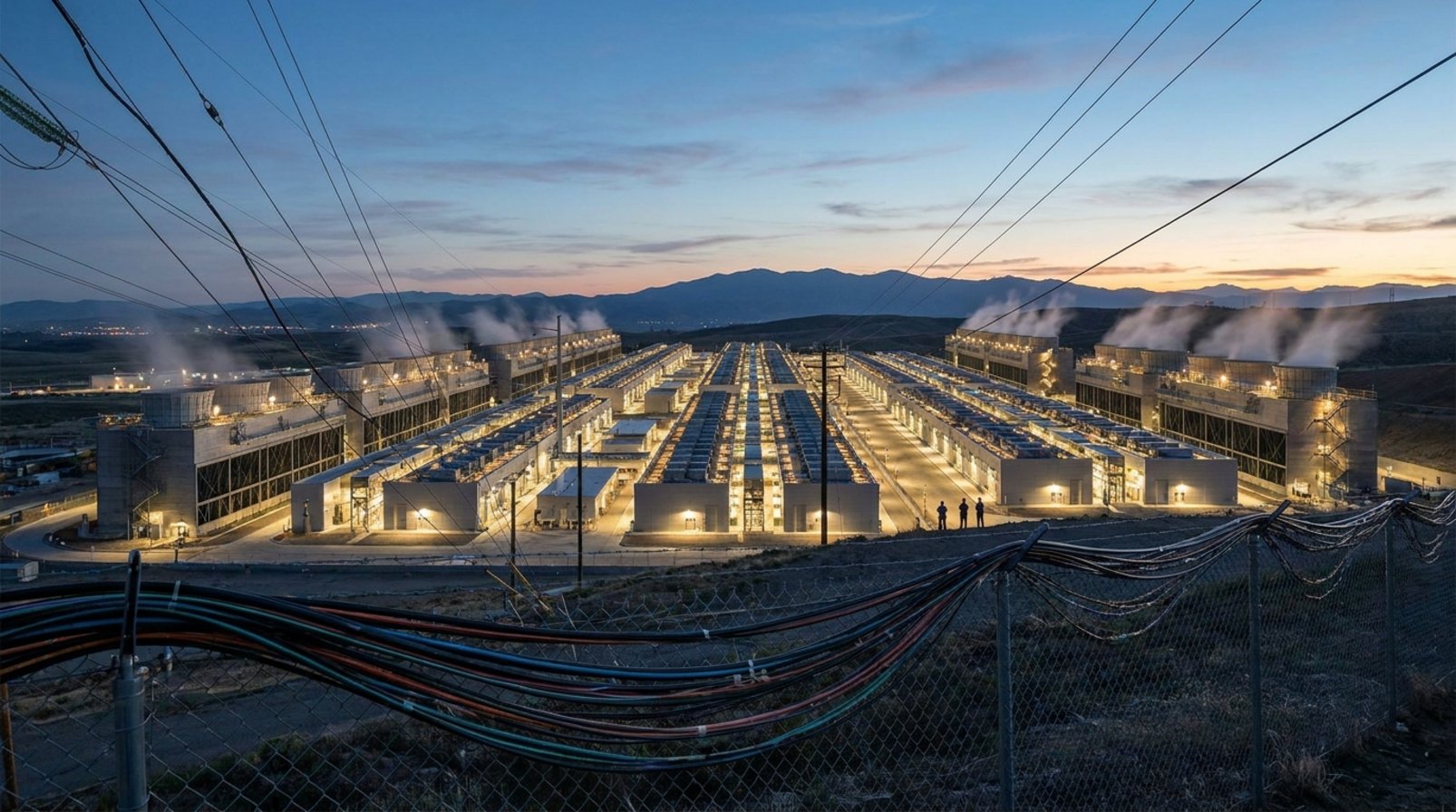
The Wall Street Journal reported that Nvidia is in talks to secure up to $250 billion in financing for OpenAI to support data center construction. What stands out is not only the enormous figure, but the structure of the deal: capital, chips, and computing infrastructure are being combined into an increasingly closed value chain. If the question used to be which model is better, the question now is who has enough capacity to power that model at industrial scale.
In that context, social media is not standing aside. Social platforms increasingly depend on AI for every stage: content recommendations, moderation, targeted advertising, short-form video creation, creative assistants, and campaign performance measurement. As AI leaders continue to invest heavily in infrastructure, the cost of rolling out new features may fall over the long term, but the barriers to entry and upfront capital pressure are rising significantly.
So this is not just a financial deal. It is a sign of an era in which social media advantage will come less from user count and more from the ability to turn data into personalized experiences at the right speed and cost.
Why the advantage is shifting to infrastructure
When an AI ecosystem requires massive investments to secure data centers, it shows that competitive value is moving down to the lower layers of technology. For social media, this layer determines model training speed, how much content can be generated, and the ability to run AI features in real time. In other words, good content still matters, but the platform with better infrastructure will be able to experiment faster and learn faster.

This is especially important for advertising. In the social media environment, campaign performance depends on the ability to segment audiences, create creative variants, optimize delivery, and respond to behavioral signals. Strong AI infrastructure helps platforms shorten the testing loop, which in turn boosts the efficiency of the entire system. That could push ad budgets more strongly toward places with better technology, not just those with larger reach.
Speed concentrates power in a few players
From a marketing perspective, the downside of the infrastructure race is the concentration of power in a small number of players that can invest at an extremely large scale. As chips, cloud, models, and data centers become more tightly connected, content creation capability also becomes more dependent on the external ecosystem. Smaller brands may benefit from stronger tools, but they also become more dependent on the rules, pricing, and policies of the platforms.

In social media, the result will be competition over the ability to “produce content industrially.” Brands that know how to use AI to generate large volumes of content variants, optimize for each segment, and learn from data almost in real time will accelerate significantly. By contrast, teams still operating manually will find themselves slower not only in posting speed, but in how quickly they adapt to user behavior.
This is also why marketers need to look beyond a single campaign. When AI infrastructure becomes a strategic advantage, profit comes not only from better creative, but from building a content process that is sustainable, scalable, and continuously measurable.
How should social media in Vietnam read this signal?
For Vietnamese businesses, especially SMEs, this news has two opposing implications. On one hand, stronger AI infrastructure will bring cheaper tools, more features, and better personalization capabilities for social media. That gives smaller brands access to capabilities that were once reserved for large corporations: generating multiple content variants, optimizing ads by context, and automating part of customer care on social networks.
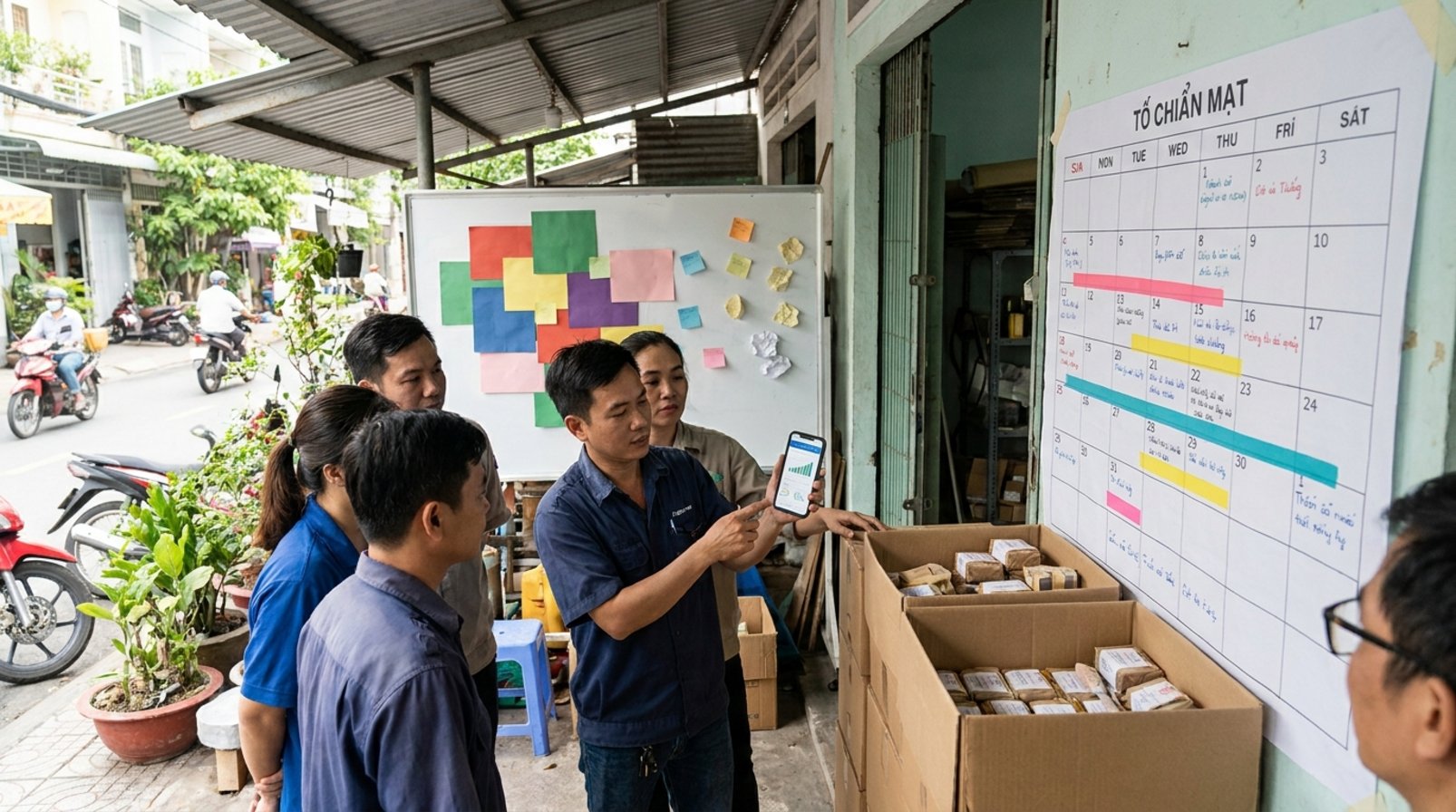
On the other hand, if brands depend too heavily on a few large platforms, Vietnamese businesses will be more vulnerable to changes in algorithms, ad costs, or data usage policies. So the right strategy is not to chase every new AI feature, but to build an internal capability that is flexible enough: use AI to move faster, while still retaining data, brand voice, and multi-channel distribution capability.
In short, the lesson for the Vietnamese market is this: in social media, future competitive advantage will not only lie in “creative content,” but in “the ability to operate content as a system.”
Automate the social steps that don't carry brand voice

- Review your social media workflow to identify which steps can be automated with AI without losing brand identity.
- Build a content library by topic, customer segment, and funnel stage to make it easier to create variants for ads and organic posts.
- Prioritize measurement based on output metrics such as retention, conversion, and engagement quality, rather than only reach or likes.
- Invest in internal data capabilities: connect social with CRM, commerce, and customer care so you do not depend entirely on platform algorithms.
See more marketing analysis & guides at https://marketing365.vn.
Follow more analysis from Marketing365 to stay updated on the latest marketing trends.
Read more articles in the same category Digital Trends.
This article focuses on AI infrastructure and social media with a perspective for the Vietnamese market.



