Contents
- The “customer signals” being missed in ecommerce data
- SharkNinja shows how fragmented data can hold back growth
- Fractal launches Cogentiq E-Commerce to act on profit signals in minutes
- Local Express appoints new marketing leader to drive AI-powered grocery ecommerce growth
- Lansil Global expands fulfillment network after surpassing 20 million parcels
- Social media is becoming part of the commerce ecosystem
- References
Customer data, AI, and operational infrastructure are becoming the three new pillars of digital commerce as global brands shift from ad-driven growth to optimization through unified data and purchase signals. For Vietnamese marketers, the range of stories from unifying data to improve conversion and retention, to AI acting on profit signals and expanding delivery networks, shows that social media is no longer standing alone but is closely tied to CRM, inventory, and logistics. As of mid-2026, the real value lies in the ability to read signals and connect the entire journey from demand generation to order completion.
The “customer signals” being missed in ecommerce data
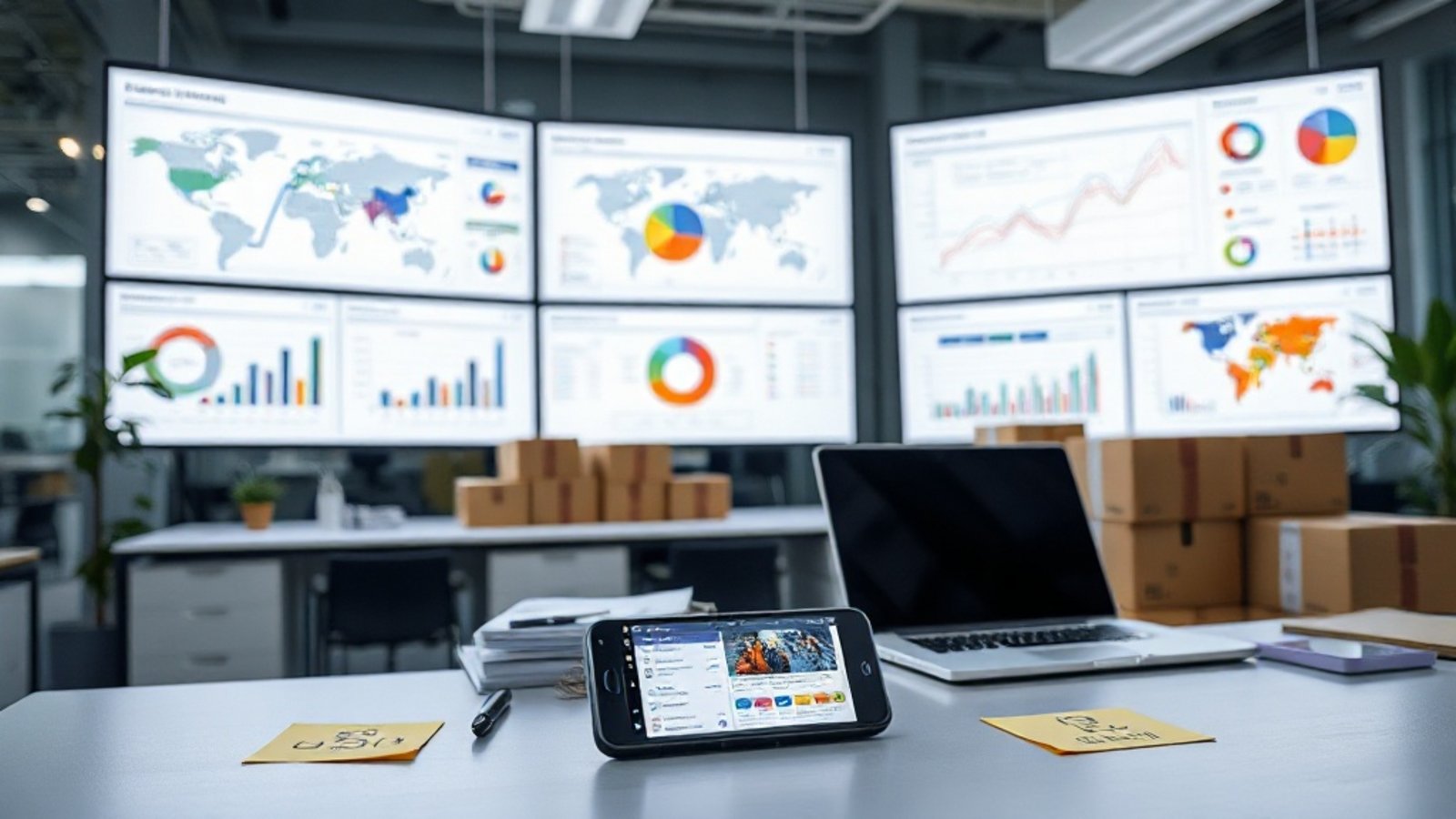
Retail Dive highlights a familiar reality in ecommerce: many businesses hold vast amounts of data but have not fully tapped the hidden signals within it, from product-view behavior and repeat visits to signs that a customer is about to abandon their cart or is likely to buy more.

The key point is that instead of looking at data only at the level of sales reports, brands need to shift to a “signal recognition” mindset to respond faster with content, offers, and personalized experiences. This is an important shift in social commerce: it is not just about posting or running ads, but about reading purchase intent to make decisions at the right time.
Source: Retail Dive.
SharkNinja shows how fragmented data can hold back growth
According to Salesforce, SharkNinja unified two $3 billion brands on a single platform to increase personalization, gain real-time insights, and create a more seamless shopping experience. Before that, the company’s order data, customer profiles, and service history were fragmented across systems and regions.

The results released by Salesforce showed conversion up 6% year over year, items added to cart up 14%, and churn down 58% year over year. While these are figures from a corporate case study, they send a clear message: when data is connected again, upsell, cross-sell, and customer retention can all improve significantly.
Source: Salesforce.
Fractal launches Cogentiq E-Commerce to act on profit signals in minutes
In a PR Newswire release, Fractal announced Cogentiq E-Commerce, an AI solution described as being able to act on profit signals within minutes. This approach reflects a new trend in ecommerce: not only optimizing conversion, but also optimizing margins across each operational decision.

This is especially noteworthy for marketing and digital commerce teams managing multiple variables at once, from pricing and promotions to inventory and channel performance. When AI is applied at the right point, the goal is no longer “automation for speed,” but making decisions that are more closely aligned with real business value.
Source: PR Newswire.
Local Express appoints new marketing leader to drive AI-powered grocery ecommerce growth
Business Wire reported that Local Express has appointed Ryan Webb as the company’s first Vice President of Marketing, overseeing brand marketing, product marketing, demand generation, and go-to-market strategy. This move shows that commerce infrastructure companies are entering a phase where they need to tell their product story more clearly to expand their business customer base.
Read more: Why Viral Social Media Is Becoming Marketing’s New Distribution Layer
Read more: Why Social Media Is Becoming Business Infrastructure, Not Just a Channel
Local Express positions itself as a SaaS platform supporting unified, omnichannel e-commerce for food retail and grocery businesses. Strengthening the marketing lead often goes hand in hand with the need to simplify complex technology into a clearer message for the market, especially as AI becomes a core competitive factor.
Source: Business Wire.
Lansil Global expands fulfillment network after surpassing 20 million parcels
Markets Insider reported that Lansil Global expanded its fulfillment network in China and the U.S. after surpassing the milestone of 20 million parcels shipped. Although this is more of a logistics story than a social media one, it is still directly related to digital commerce because delivery speed and operational stability strongly affect the experience marketers must promise customers.

As fulfillment expands, businesses gain more room to run multi-market campaigns, optimize delivery times, and reduce supply chain risks. For brands with cross-border social commerce ambitions, logistics infrastructure is often the hidden piece that determines whether real scale is possible.
Source: Markets Insider.
Social media is becoming part of the commerce ecosystem
The common thread across all five stories is the shift from “doing marketing by channel” to “operating by data and signals.” This is especially relevant for Vietnamese businesses, where social media is still often seen mainly as a tool for generating engagement, while the real value lies in connecting content, advertising, CRM, inventory, and delivery.
For retail, e-commerce, and grocery brands, three priorities should be considered immediately: first, standardize customer data across platforms; second, use AI/automation to detect purchase and churn signals earlier; third, coordinate closely between marketing and operations so that the promise made on social does not break at the delivery stage.
In short, social media is no longer just a “place to post” but is becoming part of the commerce ecosystem. Whoever reads signals better will have the stronger growth advantage.
See more marketing analysis and guidance at Marketing365.
Read more articles in the same category Digital Trends.
References
- The customer signals hiding in your ecommerce data — and what to do with them
- How SharkNinja turned fragmented data into ecommerce momentum
- Fractal Launches Cogentiq E-Commerce: AI that Acts on Profit Signals in Minutes
- Local Express Names Ryan Webb First Vice President of Marketing to Power Next Stage of AI-driven Grocery Ecommerce Growth
- Lansil Global Expands China and U.S. Fulfillment Network After Surpassing 20 Million Parcels Shipped