Contents
- Social search and the voice of the community are reshaping how brands are discovered
- Burnout among social media professionals is quietly becoming an operational issue
- World Cup 2026 shows that sports events are still conversation engines on social
- Entertainment, live experiences, and digital advertising are converging more than ever
- AI is pulling marketing away from the traditional campaign model
- Vietnamese social media is shifting to search, real-time content, and social listening
- References
Social media in 2026 has become an ecosystem of content discovery, community feedback, behavioral data, and AI tools rather than a one-way broadcast channel. For Vietnamese marketers, the signals from social search, team burnout, live-event conversation, and AI-driven advertising all point to the same shift: brands no longer fully control the story told about them, so the priority is being found, cited, and discussed inside communities.
Social search and the voice of the community are reshaping how brands are discovered
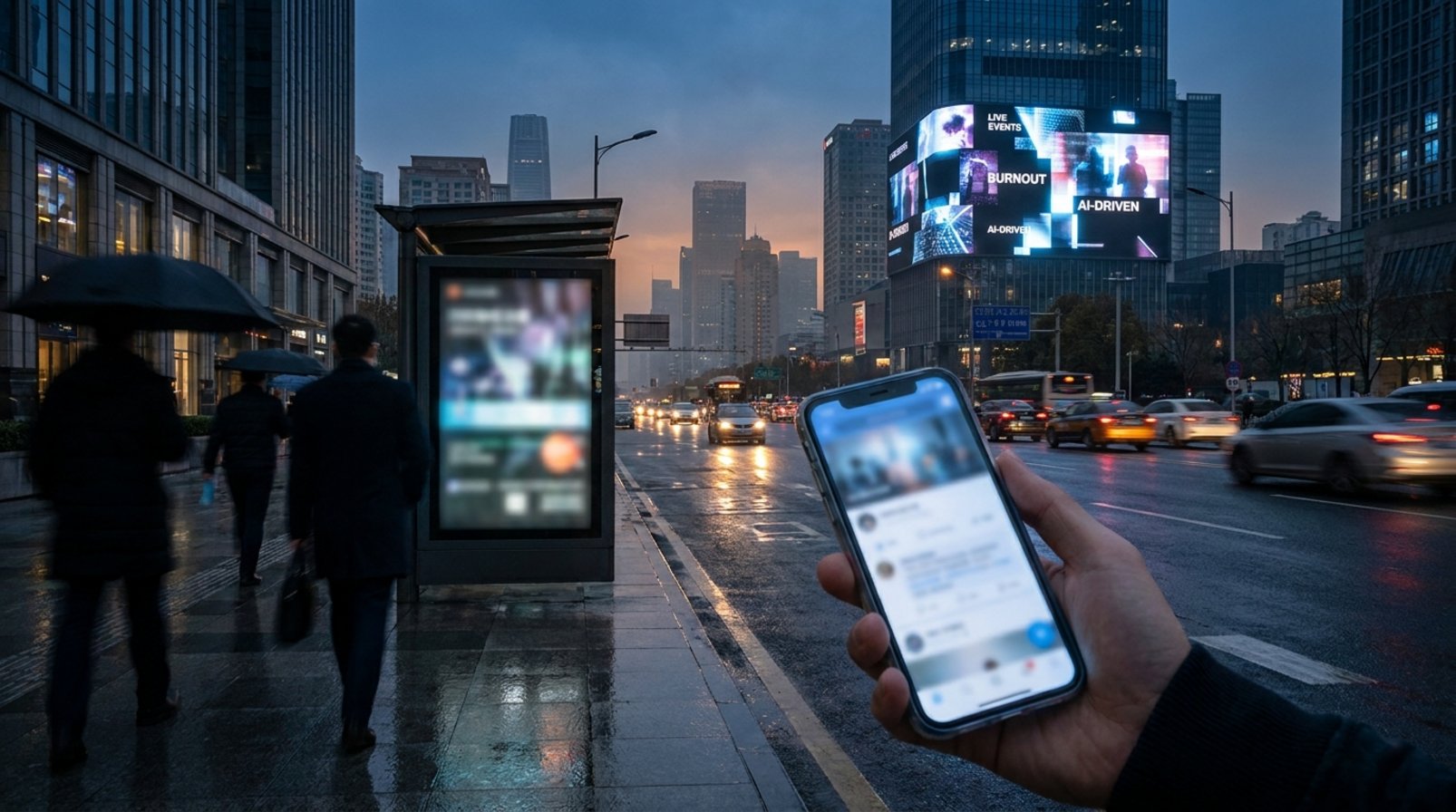
The latest report from Sprout Social shows that brands have less and less control over their online image than before. When users search for information on social media, consult influencers, and follow how crises are publicly responded to, the “brand story” is no longer entirely in the company’s hands.
What stands out is that Sprout Social’s Q2/2026 survey was conducted with more than 2,000 social media users in the US, UK, and Australia, clearly reflecting how social search is becoming an important content-discovery engine. This suggests that marketers need to optimize content not only to publish it, but also to be found, cited, and discussed within communities.
Source: Sprout Social, “The state of social media in 2026”
Burnout among social media professionals is quietly becoming an operational issue
The Conversation, in an article republished by Cobb Courier, captures the reality of social media operators very accurately: customer messages arrive at midnight, comments need immediate replies, and trends can become outdated overnight. This is no longer a job with a clear office-hours rhythm, but a continuous response loop.

The article also shows that burnout in social media roles comes not only from workload, but also from the pressure to always be “present,” always fast, and always right. For businesses, this is a reminder that social channel performance cannot be measured only by post volume or response speed; it must also account for process design, shift allocation, automation rights, and the team’s mental well-being.
Source: Cobb Courier / The Conversation, “The hidden burnout crisis facing social media marketers”
World Cup 2026 shows that sports events are still conversation engines on social
Visibrain recorded a series of explosive social media discussion moments around the FIFA World Cup 2026, with the opening ceremony generating more than 485,000 tweets and accounting for nearly 5% of the roughly 10 million World Cup-related tweets at the time of measurement. Musical performances and appearances by artists such as Davido, Future, and Lisa became the main viral focal points.
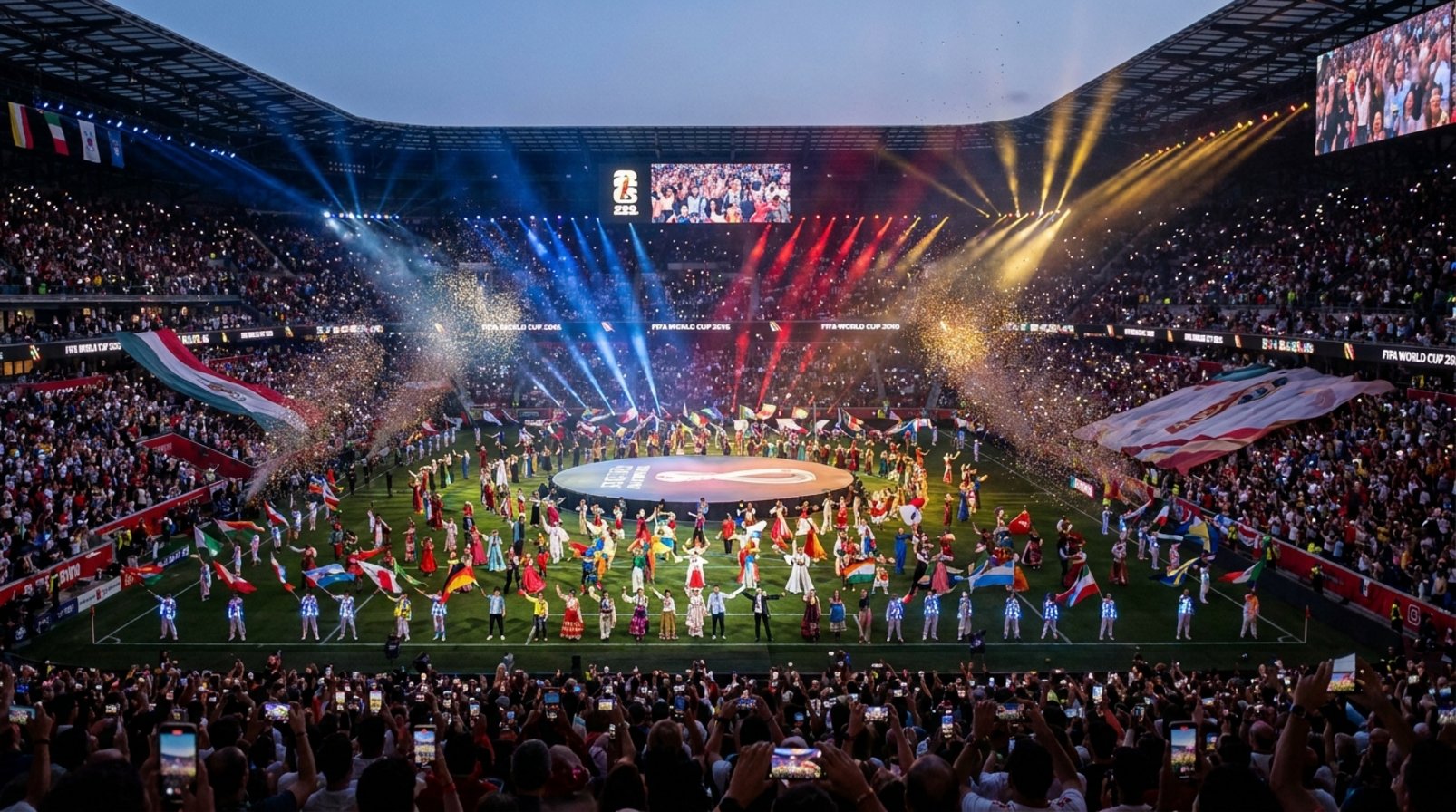
In another development, Germany’s 7-1 win over Curaçao also triggered a sharp spike in discussion on match day. These data continue to prove that live events remain the biggest content magnets on social media, where fans not only watch but also comment, clip, share emotions, and create additional viral loops.
Source: Visibrain, “The 7 Biggest Social Media Moments of the FIFA World Cup 2026 So Far”
Entertainment, live experiences, and digital advertising are converging more than ever
PwC’s Global Entertainment & Media Outlook 2026–2030 report shows that global entertainment and media revenue could reach $4.2 trillion by 2030, with a compound annual growth rate of 3.4%. One key highlight is that AI-enabled advertising will grow rapidly and could exceed $1.4 trillion by 2030.
Read more: How AI in Education and New Laws Are Reshaping Social Media for Brands
Read more: Social Media 2026: Why Discipline Now Beats Speed for Brands
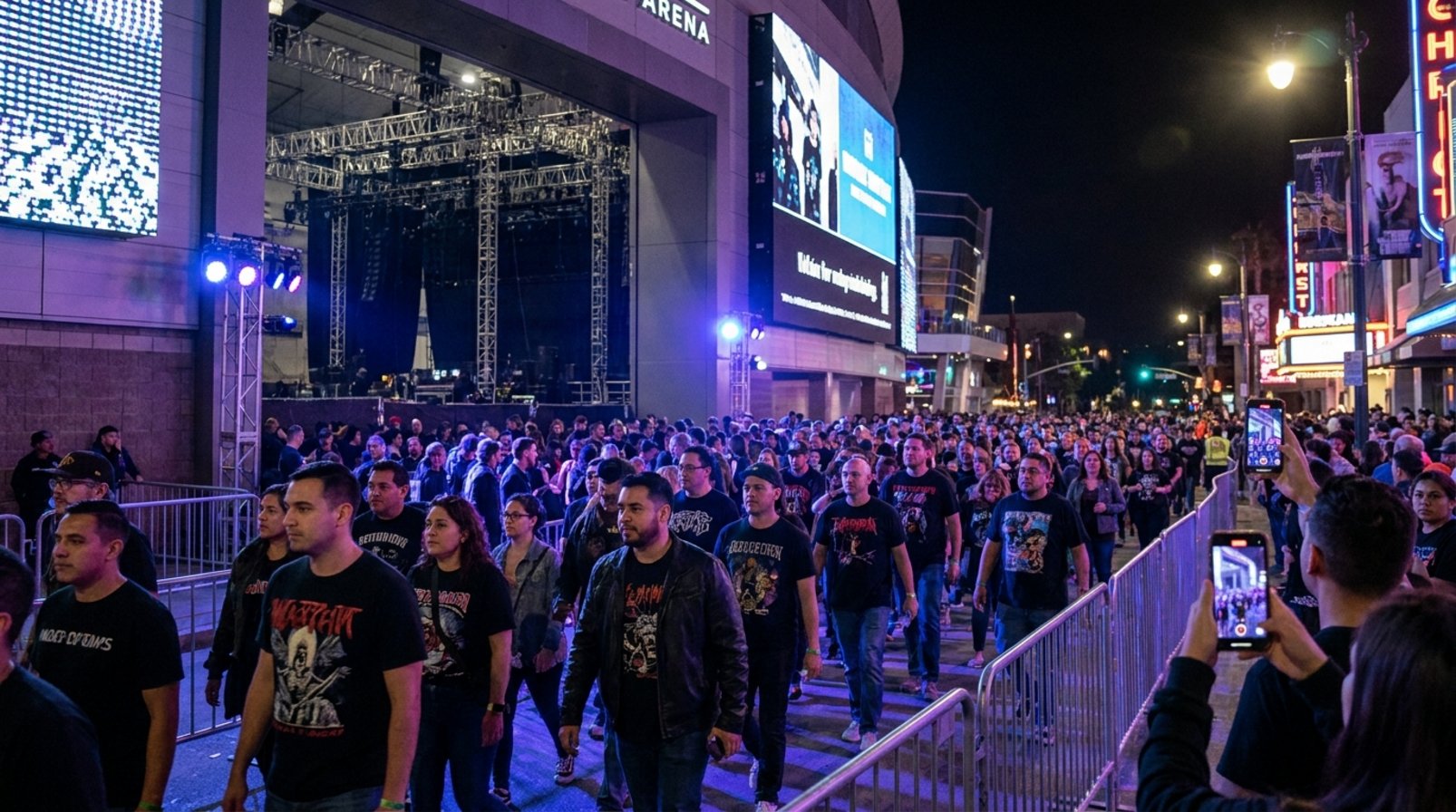
PwC also emphasizes that in the era of digital innovation, live and immersive experiences such as sports, concerts, and trade shows will continue to grow as users seek “real” interactions beyond the screen. This places social media in a highly important intermediary position: amplifying events while turning live experiences into viral content before, during, and after the program.
Source: PwC, “Global Entertainment & Media Outlook 2026”
AI is pulling marketing away from the traditional campaign model
Forbes’ article on the future of marketing with AI describes a fundamental shift: marketing is no longer centered on old-style campaigns, content, and dashboards, but is moving toward a model shaped by intelligent agents and deeper personalization. Although the article takes a broad strategic view, its impact on social media is very direct.
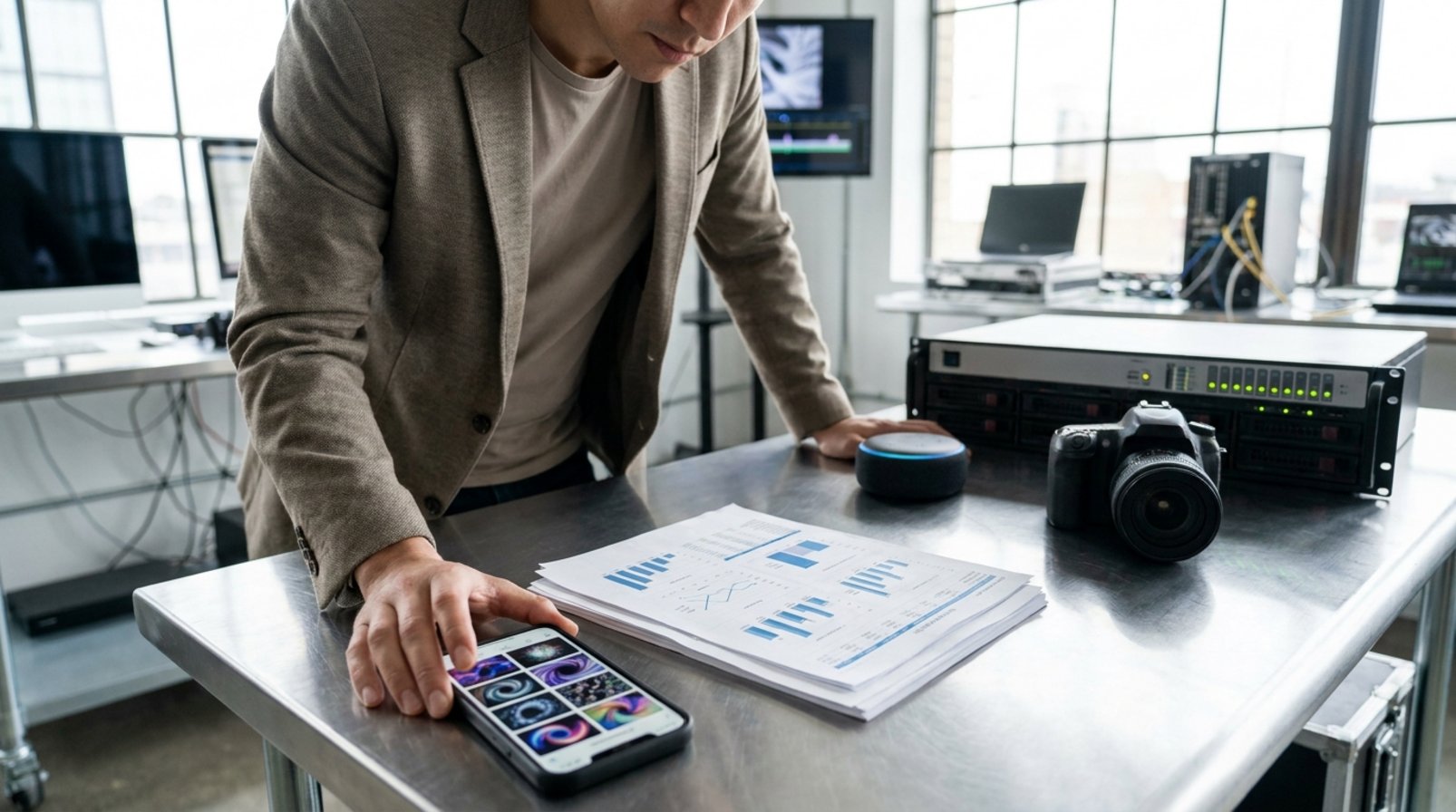
As AI becomes more involved in analysis, content suggestions, and operations, marketers will gain greater ability to respond quickly to trends, but they will also need to control brand consistency and interaction quality. In a context where social search, the creator economy, and short-form content are increasingly competitive, AI does not replace strategy; it only makes strategy more necessary.
Source: Forbes, “AI And The Future Of Marketing”
Vietnamese social media is shifting to search, real-time content, and social listening
From the international signals above, it is clear that social media in Vietnam will also continue shifting in three major directions. First, brands need to optimize content for in-platform search behavior, especially around reviews, comparisons, experiences, and crisis responses. Second, businesses must treat the health of their social teams as part of operational capability, not as a personal issue for employees. Third, campaigns tied to sports, entertainment, or product launches will be more effective if they have a clear real-time content and social listening mechanism.
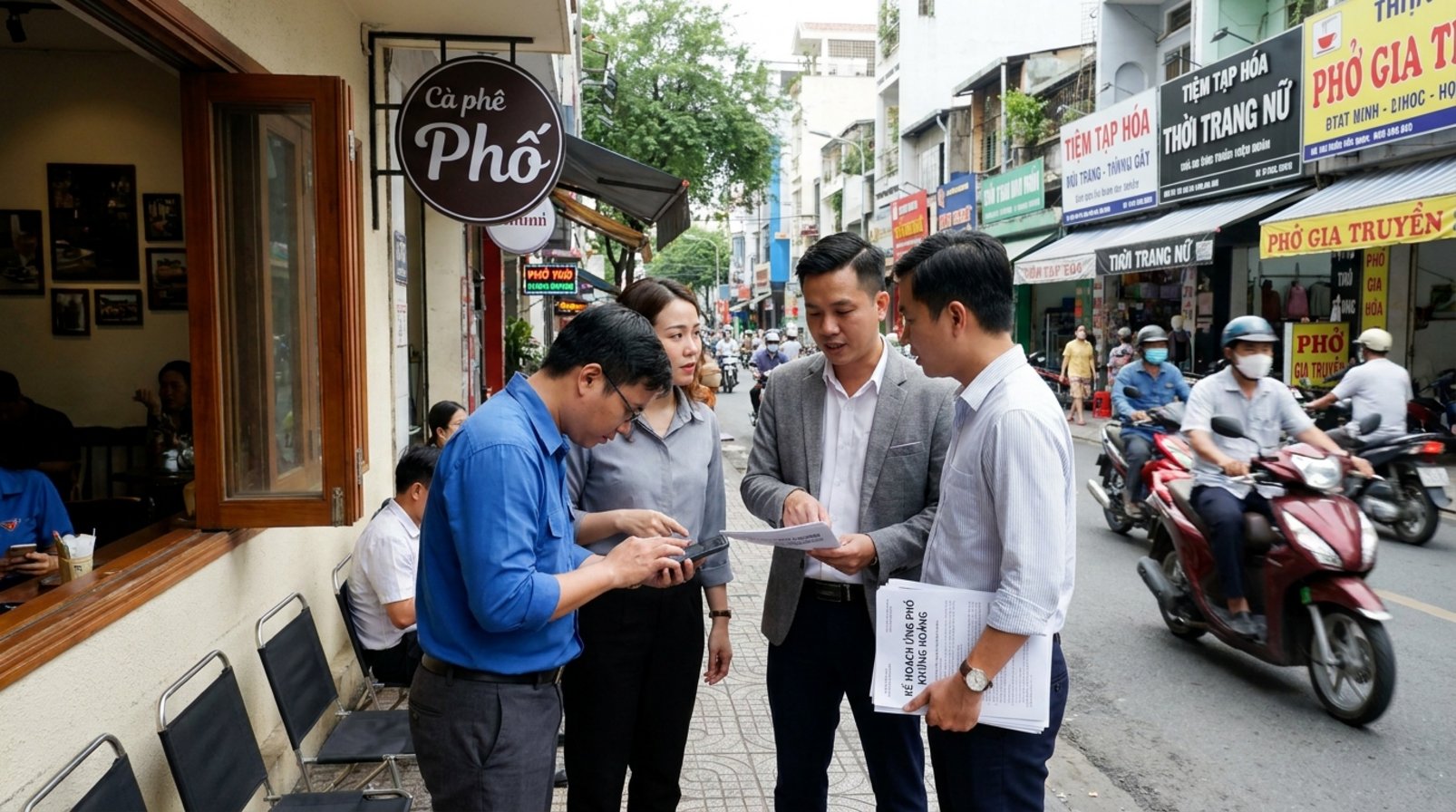
For Vietnamese marketers, the most important lesson is this: social media is no longer a place to “broadcast messages,” but a place where messages are continuously tested, interpreted, and recreated by the community.
See more marketing news and guides at https://marketing365.vn.
See more marketing analysis & guides at Marketing365.
Read more articles in the Digital Trends category.
References
- The state of social media in 2026: Data from Sprout’s latest pulse survey
- The hidden burnout crisis facing social media marketers
- The 7 Biggest Social Media Moments of the FIFA World Cup 2026 So Far
- Global Entertainment & Media Outlook 2026
- AI And The Future Of Marketing